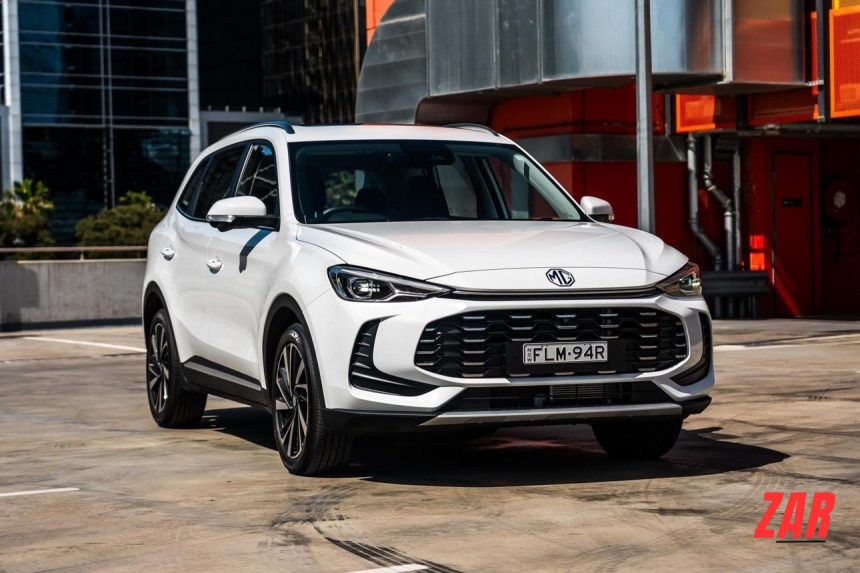
Kenyan automotive group Simba Corporation has officially introduced British-origin vehicle brand MG to the Kenyan market, combining its launch with plans to expand local vehicle assembly and electric mobility infrastructure.
The launch, held in Nairobi on November 21, 2026, makes Simba Corporation the exclusive distributor of MG vehicles in Kenya. The initial lineup includes electric and petrol-powered models targeting private motorists, businesses and fleet operators.
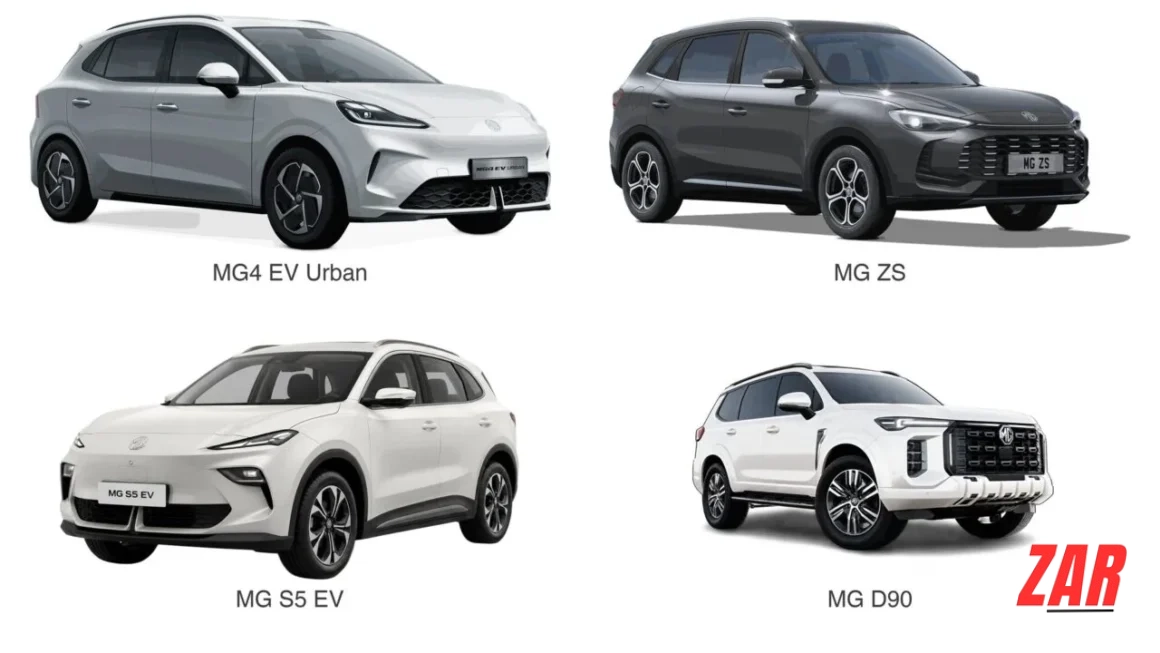
The vehicles introduced include the MG4 EV Urban electric hatchback, MG S5 EV electric SUV, MG ZS petrol SUV and MG D90 seven-seat SUV.
The development builds on Simba Corporation’s previously announced KSh1 billion investment in a dedicated electric vehicle assembly line at Associated Vehicle Assemblers (AVA) in Mombasa. The facility currently has 60 technicians trained in battery handling and electrical systems.
Simba plans to begin assembling MG models locally from 2027, subject to achieving sufficient sales volumes. The company expects local assembly to help reduce vehicle prices by up to 20 per cent through applicable government tax incentives.
The company is also planning to expand its electric vehicle support services by converting its Aspire Centre in Westlands, Nairobi, into a dedicated EV workshop offering charging, diagnostics and specialised maintenance.
Early institutional demand includes an order for 25 MG vehicles from Drive Electric Solutions, while Kenya Power has received four MG electric vehicles for its fleet.
The introduction highlights the growing interest in electric mobility across East Africa, particularly as manufacturers and distributors invest in assembly facilities and after-sales infrastructure.
For Kenya, the expansion could strengthen local automotive production, create technical employment opportunities and improve access to electric vehicles. However, the success of the initiative will depend on consumer demand, charging infrastructure and the company’s ability to establish competitive local assembly operations.
More developments in the African automotive industry are available through WheelZAR’s Auto News section.
Sources: