






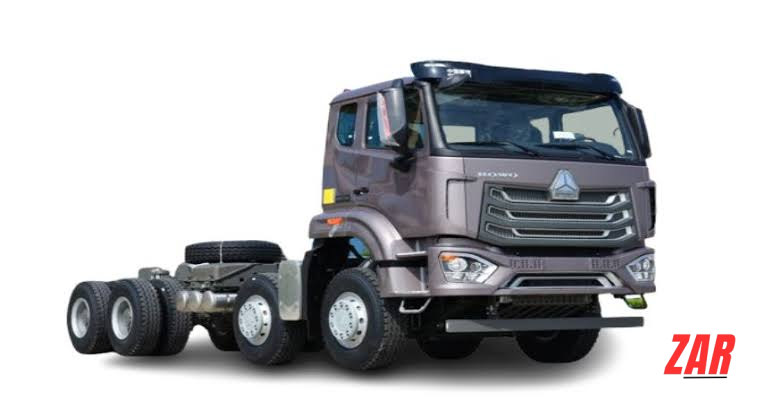
Dangote Sinotruk West Africa Limited has unveiled a locally assembled electric heavy-duty truck, marking a significant development in Nigeria’s automotive manufacturing and electric mobility industries.
The Dangote electric truck was unveiled at the company’s assembly facility in Ikeja, Lagos, on November 15, 2026. The company describes it as Nigeria’s first locally assembled electric heavy-duty truck.
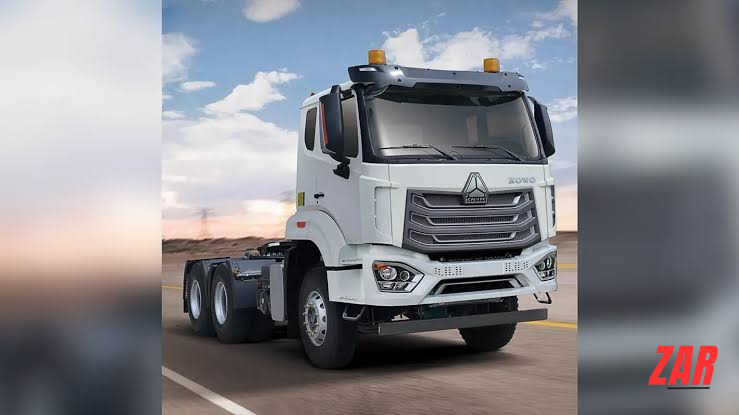
The development reflects Dangote’s expansion beyond conventional diesel and compressed natural gas (CNG) commercial vehicles into electric transportation.
Dangote Electric Truck Could Reduce Transportation Costs
Electric trucks offer an alternative to diesel-powered commercial vehicles, with the potential to reduce fuel expenses, maintenance costs and exhaust emissions.
According to The Guardian Nigeria, Dangote Industries executive Devakumar Edwin explained that the introduction of electric trucks forms part of the company’s strategy to adopt emerging automotive technologies.
For Nigerian logistics companies, electric trucks could provide long-term operational savings, depending on electricity prices, charging infrastructure and vehicle usage.
However, reliable electricity and affordable charging facilities will remain essential to their successful adoption.
Strengthening Nigeria’s Automotive Manufacturing Industry
The introduction of the Dangote electric truck represents another step towards expanding Nigeria’s local vehicle assembly capabilities.
The partnership between Dangote Group and China’s Sinotruk has already assembled more than 8,000 vehicles locally, according to TheCable.
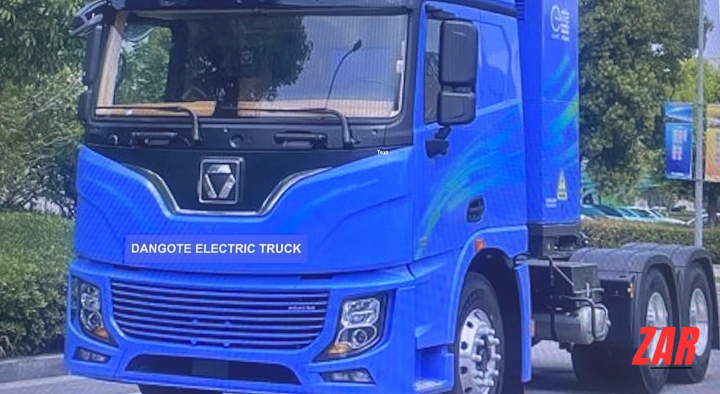
The expansion into electric commercial vehicles could create additional employment opportunities, encourage technical skills development and attract investment into Nigeria’s automotive sector.
What This Means for Electric Mobility in Nigeria
Nigeria’s transition towards alternative-fuel transportation continues to develop, with automotive companies exploring electric and CNG-powered vehicles.
The introduction of locally assembled electric trucks could accelerate interest in electric vehicles in Nigeria, particularly among logistics companies, manufacturers and commercial fleet operators.
Dangote Sinotruk is also preparing technical and after-sales support to assist customers with electric vehicle adoption.
The official selling price and commercial availability of the electric truck remain unconfirmed.
Nevertheless, the development demonstrates Nigeria’s growing participation in the global transition towards cleaner commercial transportation.
Dangote Sinotruk West Africa Limited has unveiled a locally assembled electric heavy-duty truck, marking a significant development in Nigeria’s automotive manufacturing and electric mobility industries.
The Dangote electric truck was unveiled at the company’s assembly facility in Ikeja, Lagos, on November 15, 2026. The company describes it as Nigeria’s first locally assembled electric heavy-duty truck.
The development reflects Dangote’s expansion beyond conventional diesel and compressed natural gas (CNG) commercial vehicles into electric transportation.
Dangote Electric Truck Could Reduce Transportation Costs
Electric trucks offer an alternative to diesel-powered commercial vehicles, with the potential to reduce fuel expenses, maintenance costs and exhaust emissions.
According to The Guardian Nigeria, Dangote Industries executive Devakumar Edwin explained that the introduction of electric trucks forms part of the company’s strategy to adopt emerging automotive technologies.
For Nigerian logistics companies, electric trucks could provide long-term operational savings, depending on electricity prices, charging infrastructure and vehicle usage.
However, reliable electricity and affordable charging facilities will remain essential to their successful adoption.
Strengthening Nigeria’s Automotive Manufacturing Industry
The introduction of the Dangote electric truck represents another step towards expanding Nigeria’s local vehicle assembly capabilities.
The partnership between Dangote Group and China’s Sinotruk has already assembled more than 8,000 vehicles locally, according to TheCable.
The expansion into electric commercial vehicles could create additional employment opportunities, encourage technical skills development and attract investment into Nigeria’s automotive sector.
What This Means for Electric Mobility in Nigeria
Nigeria’s transition towards alternative-fuel transportation continues to develop, with automotive companies exploring electric and CNG-powered vehicles.
The introduction of locally assembled electric trucks could accelerate interest in electric vehicles in Nigeria, particularly among logistics companies, manufacturers and commercial fleet operators.
Dangote Sinotruk is also preparing technical and after-sales support to assist customers with electric vehicle adoption.
The official selling price and commercial availability of the electric truck remain unconfirmed.
Nevertheless, the development demonstrates Nigeria’s growing participation in the global transition towards cleaner commercial transportation.