


The Toyota RAV4, standing for Recreational Active Vehicle with 4-wheel drive, has carved a unique niche in Nigeria as the go-to compact SUV for city dwellers and small families alike. Originally entering the market as a “cute ute,” it evolved significantly with the third generation, shedding its small proportions for a more aggressive and capable build. Its relevance in the Nigerian automotive market is tied to its dual nature: it offers the fuel efficiency of a sedan with the ruggedness and ground clearance of an SUV. For entrepreneurs and young professionals in Nigeria, the RAV4 represents a lifestyle of versatility, blending seamlessly into corporate environments while being ready for weekend trips across the state.
As the demand for crossovers grows, the RAV4 remains a balanced mix of luxury, performance, and practicality. This review covers the enduring appeal of the 2006 to 2012 models, often favored for their simplicity, alongside a look at more modern generations that dominate current “Tokunbo” (foreign used) imports. We will explore its design language, the comfort of its cabin, and how its performance metrics translate to real world usability on Nigerian roads. Whether you are navigating the gridlock of Lagos or the bypasses of Port Harcourt, this analysis provides the essential data on pricing and ownership costs for 2026.
Visual Appeal & Exterior Features
The Toyota RAV4 commands a distinct road presence characterized by its “bulky” yet athletic design language. Moving away from the soft curves of the earlier models, this version features more prominent wheel arches and a wider stance that gives it an authoritative presence on the road. Its body lines are sleek and functional, contributing to a timeless aesthetic that still looks modern among contemporary SUVs in Nigerian traffic. The signature rear mounted spare tire (on many trims) gives it a rugged, off road capable appearance that resonates with buyers looking for a vehicle that looks as tough as it feels.
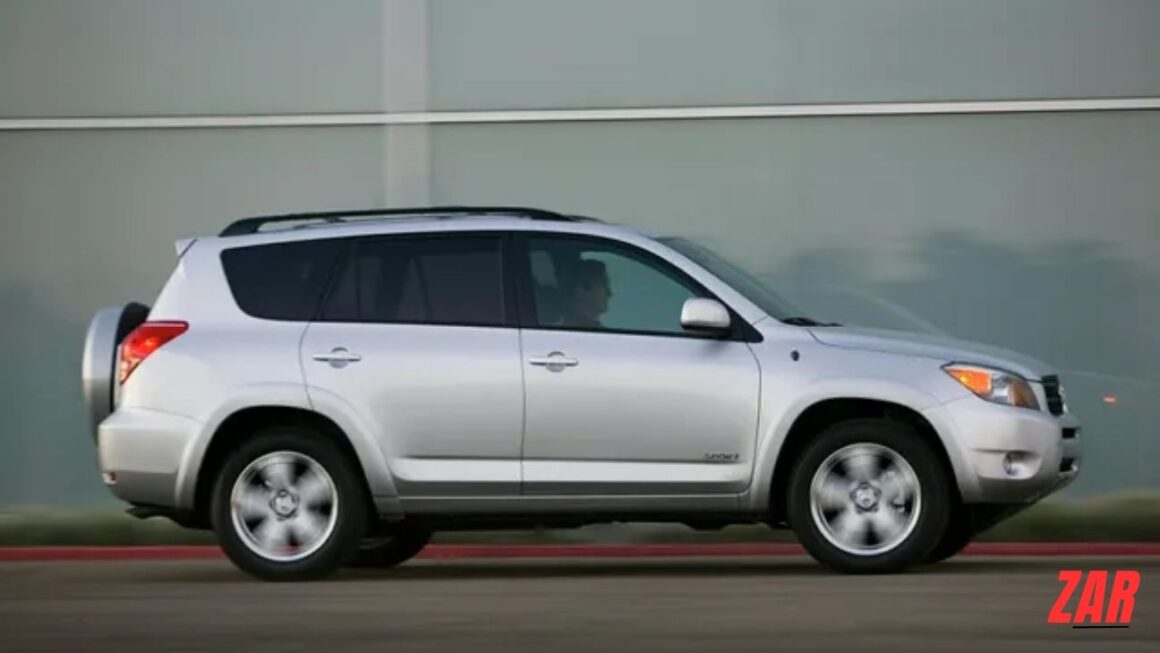
The high ground clearance of this model makes it instantly recognizable and highly functional for the varied terrains of Nigerian cities. This elevation is a critical design feature for drivers who frequently navigate seasonal flooding, deep potholes, and high speed breakers common in residential estates. Furthermore, the car’s sturdy bumpers and high set headlights provide a sense of safety and visibility that Nigerian buyers find deeply appealing. It is this combination of aesthetic maturity and practical height that has ensured the RAV4’s continued status as a premier choice for urban and suburban driving.
Interior Experience, Performance & Price
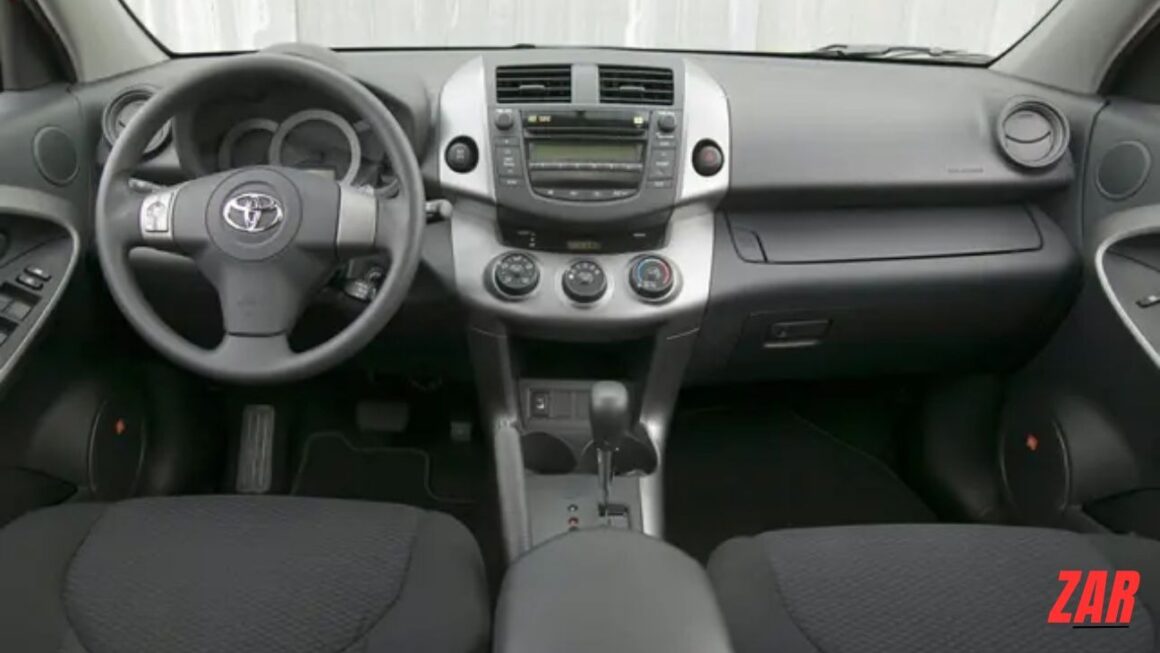
Step inside the RAV4, and you are greeted by a cabin designed for maximum utility and passenger comfort. The interior features durable materials capable of withstanding the dusty harmattan season, with high quality plastics and optional leather seating in the Limited trims. With a seating capacity for five (and an optional small third row in some variants), it offers impressive vertical space and a configurable cargo area that suits the busy lifestyle of Nigerian entrepreneurs. The layout is intuitive, featuring a two tiered dashboard that places controls within easy reach, while the air conditioning system is widely regarded as one of the best in its class, quickly cooling the cabin even in peak tropical heat.
Under the hood, the RAV4 offers two primary engine configurations. The standard 2.4L (and later 2.5L) 4 cylinder engine produces approximately 166 to 179 horsepower, offering a reliable and fuel efficient daily drive. For those seeking more power, the 3.5L V6 engine is a powerhouse, delivering 269 horsepower and turning the RAV4 into one of the fastest compact SUVs of its era. In terms of pricing, as of 2026, a Foreign Used (Tokunbo) RAV4 from the 2006 to 2012 era sells for between ₦8,500,000 and ₦12,500,000, while clean Nigerian used versions range from ₦4,500,000 to ₦7,500,000. These prices reflect the vehicle’s incredible demand as a reliable second hand asset.
How It Fits Into the Nigerian Driving Condition
The Toyota RAV4 is uniquely suited for the Nigerian environment due to its agility and mechanical reliability. In a country where urban traffic is a daily reality, the compact dimensions of the RAV4 make it easier to maneuver through tight spots and park in congested areas compared to larger SUVs like the Land Cruiser. Its suspension system is built to be resilient, absorbing the shocks of poorly maintained roads with a firmness that maintains stability. Furthermore, its engines are highly tolerant of local conditions, provided regular maintenance is observed, making it a dependable partner for both daily commutes and long distance travel across different regions.
Beyond its physical performance, owning a RAV4 in Nigeria carries a significant practical advantage: maintenance accessibility. Spare parts for the 4 cylinder and V6 engines are widely available across major auto markets like Ladipo in Lagos or Apo in Abuja. This availability ensures that the cost of ownership remains manageable, as the vehicle’s architecture is well understood by local technicians. From a social perspective, the RAV4 is viewed as a “smart” car choice, it signals a level of success and taste without the excessive running costs of a full sized luxury SUV. It remains a staple in the driveways of those who value a vehicle that is as practical for a school run as it is for a business meeting.
Competitive Comparison
When compared to its direct rivals like the Honda CR-V and the Hyundai Tucson, the RAV4 stands out primarily for its engine versatility and resale value. While the Honda CR-V is often praised for having a more car-like handling and a slightly more refined interior, it can be more sensitive to suspension wear on Nigerian roads. The RAV4, on the other hand, feels more robust and “SUV like” in its damping. In terms of pricing, the RAV4 usually commands a higher price in the “Tokunbo” market than the Tucson, largely due to the widespread trust in the Toyota brand and the ease of finding specialized mechanics anywhere in the country.

In terms of long term ownership, the RAV4 remains a champion of reliability. The 4 cylinder variant offers excellent fuel economy, which is a major factor given the fluctuating fuel prices in Nigeria. While the Hyundai Tucson might offer more modern tech features for a lower initial price, the RAV4 makes up for it with a slower rate of depreciation and a much easier path to finding replacement parts. The resale value of a RAV4 in Nigeria is legendary; owners often find that they can sell their used units quickly and at a price that justifies the initial investment, making it one of the most financially sound vehicle choices in the crossover segment.
Conclusion
The Toyota RAV4 collection encompassing the Base, Sport, and Limited trims is a masterclass in urban automotive practicality. It doesn’t try to be a heavy duty off roader, yet it handles the challenges of Nigerian infrastructure with surprising ease.
In summary, the RAV4 is more than just a crossover; it is a versatile tool that adapts to the diverse needs of the Nigerian driver. Its popularity reveals a market that prioritizes vehicles that can “do it all”, providing safety, efficiency, and status in one package.


