Owning a car in Nigeria today feels less like a milestone and more like a strategic financial decision. With the naira fluctuations, rising import duties, and the cost of living climbing steadily, car prices have surged beyond what many average earners once considered reasonable, forcing buyers to rethink what value for money truly means. For many Nigerians, especially first-time buyers, young professionals balancing rent and transport costs, and families in need of reliable mobility, the challenge is finding something dependable without breaking the bank. A budget capped at around ₦2,000,000 has become the sweet spot because it is realistic enough to work with yet tight enough to demand careful choices.
But let us be clear that at this price point, the days of finding a pristine Tokunbo or foreign used car are largely behind us. The real value now lies in the Nigerian used market, securing vehicles that have been driven locally is well understood by mechanics, and comes with realistic expectations. In this guide, we break down the most practical options within the ₦2,000,000 range. Drawing from real market trends and on-ground experience, we analyze what you can genuinely expect, the trade-offs involved, and how to avoid common pitfalls so your next car purchase is informed, confident, and financially sensible.
1. Toyota Camry (1997–2001)
Popularly known as the Pencil Light, this generation of the Camry remains the absolute gold standard for budget-conscious Nigerian buyers. Its legendary reliability is its biggest selling point because these cars routinely clock over 300,000 kilometers without suffering major mechanical failures. Furthermore, parts are incredibly cheap and readily available in every single mechanic village across the country
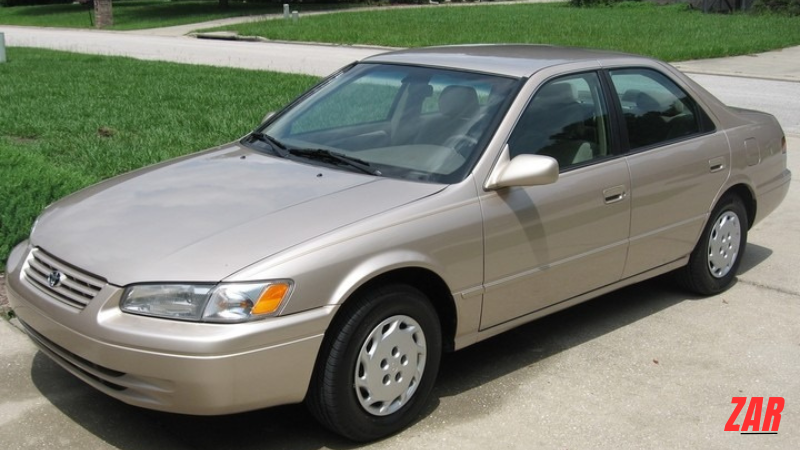
However, buying a vehicle of this age requires actively managing your expectations. You are almost certainly looking at a high-mileage vehicle where minor annoyances like fragile exterior door handles and sagging rear suspension are incredibly common occurrences. Ultimately, it is a car you buy strictly for its bulletproof engine and rock-solid resale value rather than for its showroom shine or modern aesthetics.
2. Toyota Corolla (1999–2002)
If the Camry is the undisputed king of reliability, the Corolla, often called the Round Light, is the champion of fuel economy. With petrol prices hovering unpredictably, its highly efficient 1.6L or 1.8L engines are genuine lifesavers for daily commuters and parents constantly doing school runs. It delivers incredible value at the pump while maintaining the legendary durability that Toyota is famous for globally.
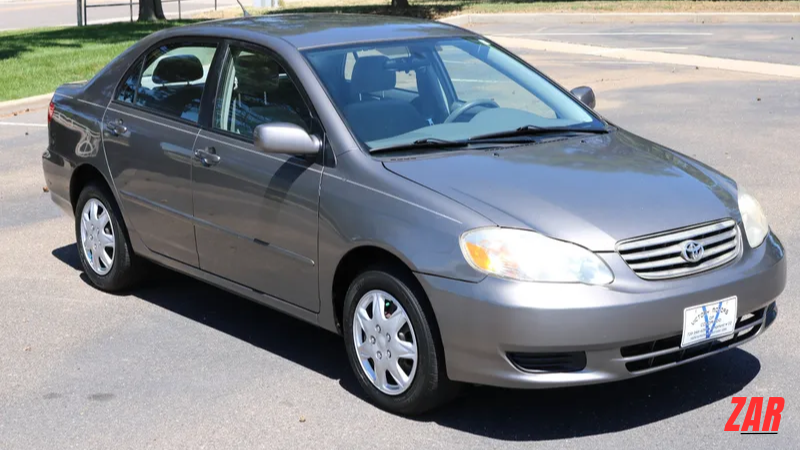
The major trade-off for this incredible efficiency is the intense market competition you will face when trying to buy one. Demand is so remarkably high that a clean Corolla often costs just as much as a much larger Camry, and finding a neat one under ₦2,000,000 is exceptionally difficult because current owners rarely want to sell them. Furthermore, many available units have been heavily used as unregistered kabukabu taxis so a careful inspection for severe wear and tear is mandatory.
3. Honda Accord (1998–2002)
Widely known as the Baby Boy, this specific Accord strikes a brilliant sweet spot between rugged reliability and premium executive comfort. It is widely considered the ultimate driver choice in this budget segment, offering a significantly more planted ride, sharper handling, and a surprisingly premium interior compared to its Toyota equivalents. The robust 2.3L engine provides excellent confidence on the highway without being overly thirsty during daily city commutes.
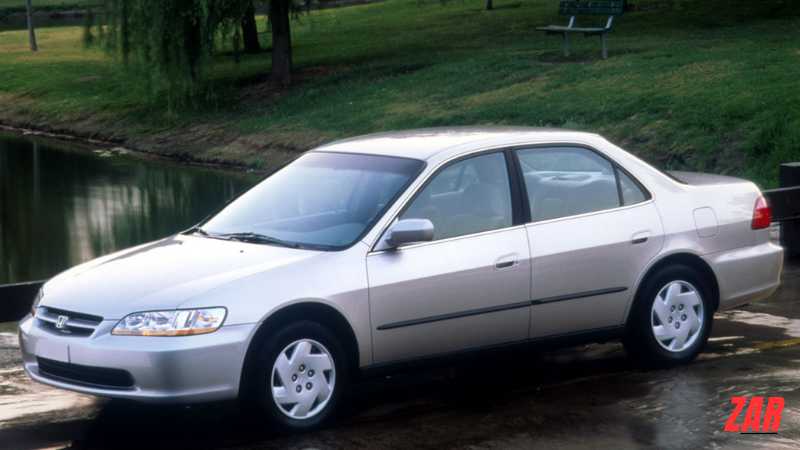
However, enjoying this level of comfort comes with a very strict maintenance rule because you must deeply respect the lower ball joints. This specific model is infamous across Nigeria for sudden front suspension failure if neglected, often resulting in pulling a tyre while driving. Immediate preventative replacement of these joints with genuine OEM parts is absolutely non-negotiable for any new owner wanting peace of mind.
4. Honda Civic (2006–2010)
This vehicle stands as the ultimate wildcard of the budget list. Popularly called the I Robot, thanks to its beautifully futuristic digital dashboard, the eighth-generation Civic is the car that easily makes you forget you are shopping on a tight budget. It is visually striking, highly modern, and handles beautifully, making it an absolute favorite for young professionals who heavily value exterior aesthetics and interior design.
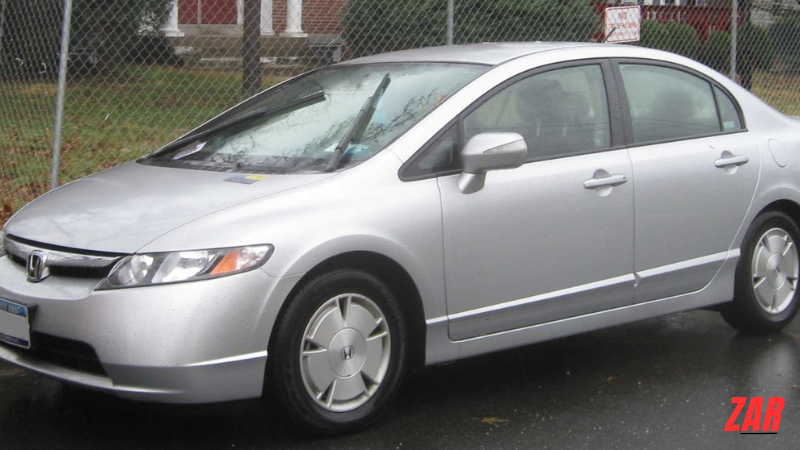
The major catch is that finding a genuinely clean I Robot under ₦2,000,000 is a tremendously high-risk venture today. Many examples sitting at this specific price point are urgent distress sales hiding severe issues like cracked engine blocks, which is a known factory defect or completely worn steering racks. It offers an incredibly high reward in style and performance but demands rigorous due diligence to avoid accidentally buying a massive money pit.
5. Toyota Matrix (2003–2008)
The easiest way to understand the Matrix is to think of it as a highly practical Corolla wearing a backpack. It directly shares the exact same bulletproof 1.8L engine and underlying mechanical parts as the Corolla, ensuring incredibly cheap maintenance across Nigeria. It then adds massive value with a high roofline and rear seats that fold completely flat, making it absolutely perfect for small business owners or families who need to carry heavy loads without paying the fuel cost of a large SUV.
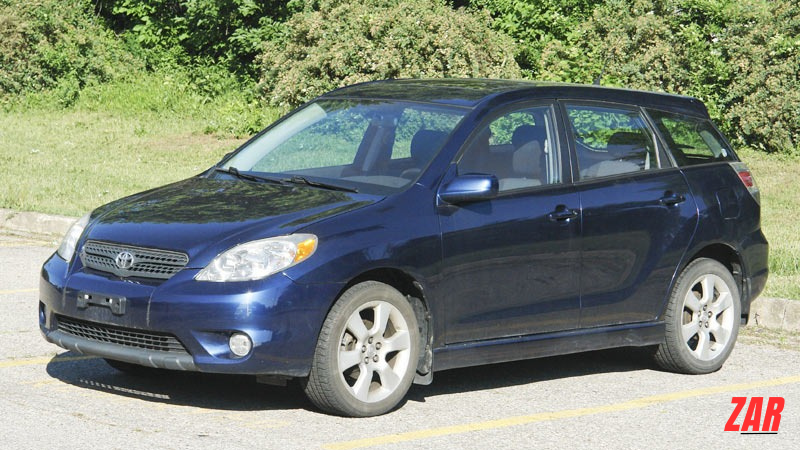
The notable trade-off for this immense practicality is a noticeably stiffer ride and a much more plastic interior feel when directly compared to a smooth-riding Camry. Additionally, because they are so incredibly useful for transporting goods many have been heavily abused as commercial delivery vehicles or daily hustle cars. Carefully checking the suspension components and engine mounts for signs of severe abuse is absolutely critical before completing your purchase.
6. Toyota RAV4 (1996–2000)
The RAV4 genuinely serves as the cheat code for navigating Nigerian roads. In a budget segment entirely dominated by low-riding sedans, this compact SUV offers the one thing every local driver craves, which is excellent ground clearance. It empowers you to navigate deep potholes, flooded streets, and severely degraded roads with a level of complete confidence that a standard Corolla simply cannot ever match.
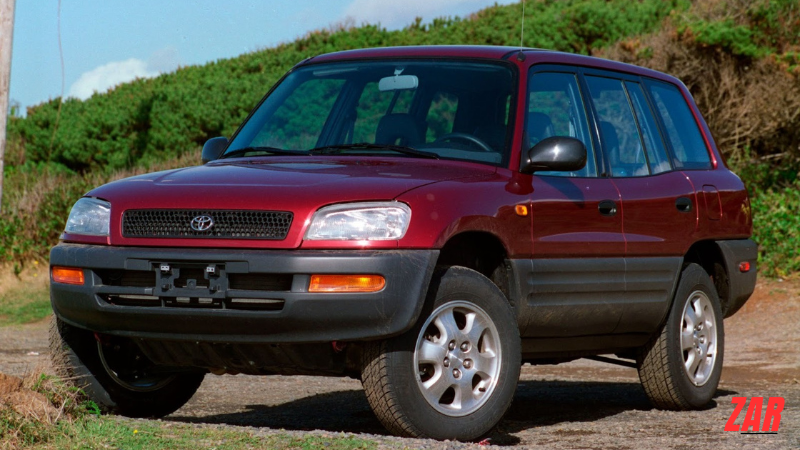
However, with a strict budget of ₦2,000,000, you are realistically restricted to the First Generation models, which ride significantly bouncier than conventional sedans and allow much higher road noise into the cabin. You must also be aware that the added vehicle weight and the All Wheel Drive system mean it will naturally consume more fuel than a compact sedan and the aging automatic gearboxes require incredibly careful mechanical inspection.
7. Kia Rio (2006–2011)
The Kia Rio provides the perfect answer for buyers who simply refuse the idea of driving a vehicle approaching three decades old. While the Toyota crowd aggressively fights over 1999 models, the Rio offers the brilliant chance to drive a much newer 2008 to 2010 vehicle for the same price. It looks relatively modern, remains wonderfully compact for city parking, and is absolutely fantastic on fuel consumption.
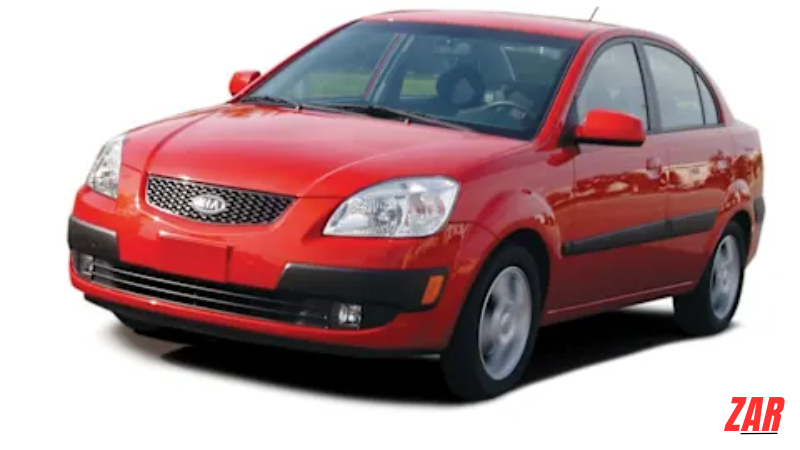
The primary downside is that it entirely lacks the famous rugged suspension of a Toyota, meaning it feels every single pothole in Lagos and requires a much gentler driving style to survive. Furthermore, because they are so wonderfully fuel-efficient, many used Rios currently on the market are retired Bolt or Uber cars with astronomical mileage cleverly disguised by a fresh coat of shiny paint, so checking the vehicle history is completely essential.
8. Kia Picanto (2008–2011)
If your priority is securing low running costs and hassle-free urban mobility, the Picanto remains completely unbeatable. It sips fuel exceptionally well, and its incredibly tiny footprint makes tight city parking completely painless, making it the ideal daily companion for university students and anyone constantly navigating heavy traffic. For pure A to B efficiency on congested city streets, it simply has no equal in this price bracket.
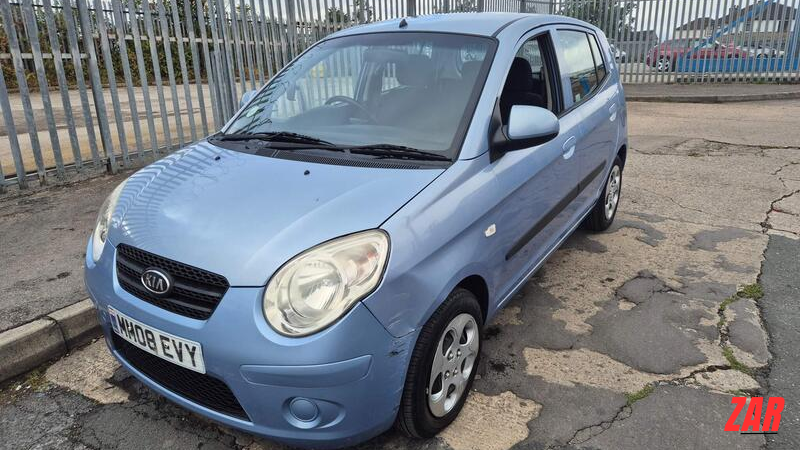
The mandatory trade-off is that it operates strictly as a dedicated city car because it will not feel planted or safe on the expressway alongside massive commercial trailers and the interior passenger space is exceptionally tight. While replacement parts are readily available in the local market, they are not quite as abundantly scattered as Toyota parts, meaning you might occasionally need to search slightly harder for specific electrical components.
Essential Maintenance Tips
To ensure your budget vehicle serves you well you must adopt a highly proactive maintenance strategy immediately after purchase.
- Find a Specialist. Always use a mechanic who specializes in your specific brand rather than a generalist.
- Perform a Zero Reset. Immediately change all fluids, including oil, transmission coolant, and brake fluid, alongside the timing belt, and never trust the seller’s word that it was just serviced.
- Respect Weak Points. Whether it is the ball joints on a Honda or the cooling system on a Golf, preventative replacement is always cheaper than a roadside breakdown.
- Listen to Your Car. A new rattle or squeak is a warning sign, and addressing it immediately can save you hundreds of thousands of naira in major repairs down the line.
Conclusion
Owning a reliable car for under ₦2,000,000 in Nigeria is still highly possible but it requires patience, research and realistic expectations. Whether you choose the timeless reliability of the Camry, the fuel economy of the Corolla or the executive feel of the Honda Accord success comes down to three things which are thorough inspection, disciplined maintenance and understanding the trade offs. Do not rush the process and always bring a trusted mechanic to every viewing. Walk away from deals that feel too good to be true and remember that the cheapest car to buy is not always the cheapest car to own. Your ₦2,000,000 can absolutely get you dependable mobility in 2026 it just takes a smart approach to find the diamond in the rough.