

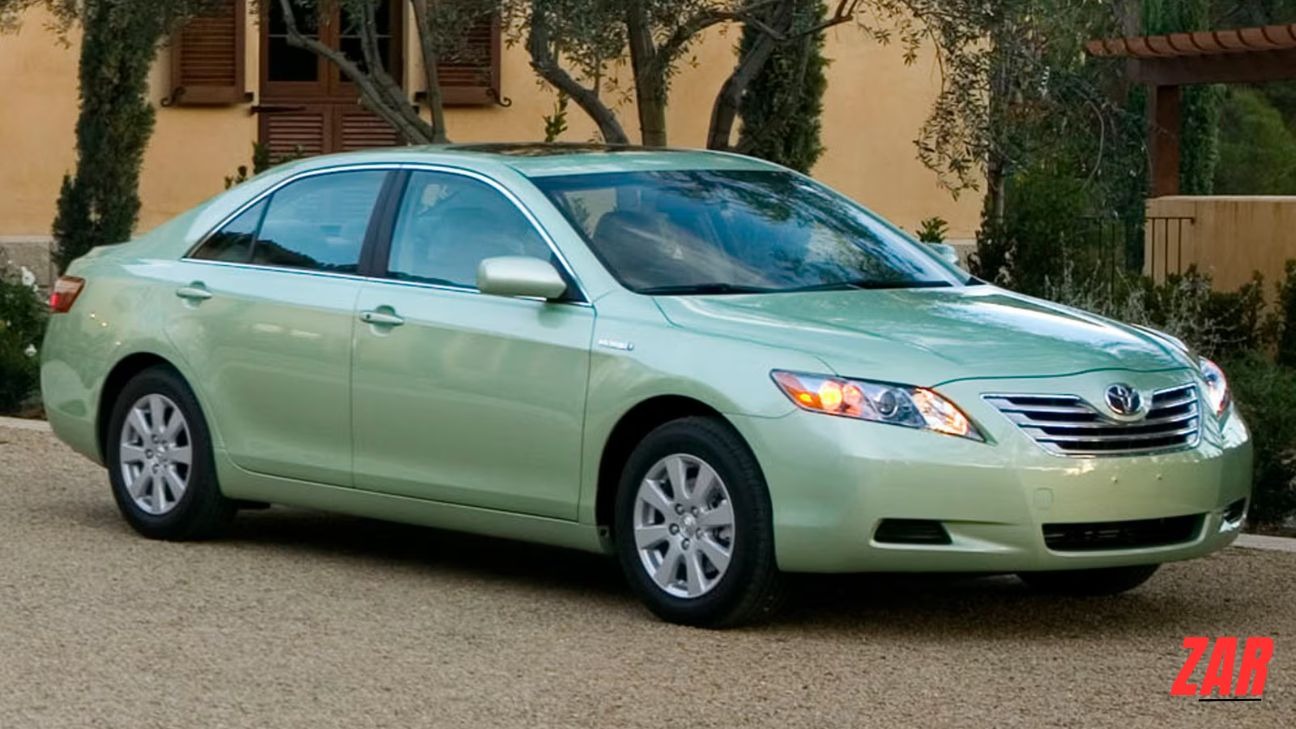
Fuel prices in Nigeria are not smiling, and every driver already knows the painful truth: if your car is not sipping fuel like pure water, you’ll feel it in your chest every time you drive. That’s why fuel economy has become one of the biggest deciding factors for car buyers in 2025. But here’s the thing most “fuel efficient car lists” online won’t tell you Nigerians don’t want futuristic cars that cost ₦70 million. They want tokunbo friendly, budget conscious, fuel sipping vehicles that still offer decent comfort, strong resale value, cheap maintenance, and readily available parts.
This guide focuses on the cars Nigerians actually use, cars you will find in Lagos, Abuja, Ibadan, Port Harcourt, Benin, and Asaba car lots today. These are the vehicles that genuinely keep your fuel cost low, your maintenance stress minimal, and your day to day driving simple.
Below is the definitive Nigerian buyer’s guide to the 10 lowest fuel consumption cars you can buy in 2025, whether tokunbo or locally used. No unnecessary jargon. No fake numbers. Just real world efficiency.
Toyota Corolla
If Nigerians had to vote for the most economical car of all time, the Toyota Corolla would win with zero debate. This model has been the undisputed champion for fuel economy, maintenance ease, and durability for more than two decades. From the 2009 model with its humble 1.8 liter engine to the 2019–2023 versions equipped with dual VVT i technology, the Corolla has consistently delivered impressive mileage without compromising reliability. Drivers routinely get 12–15 km per liter in real Nigerian traffic, which is almost shocking considering the car’s power and smoothness.
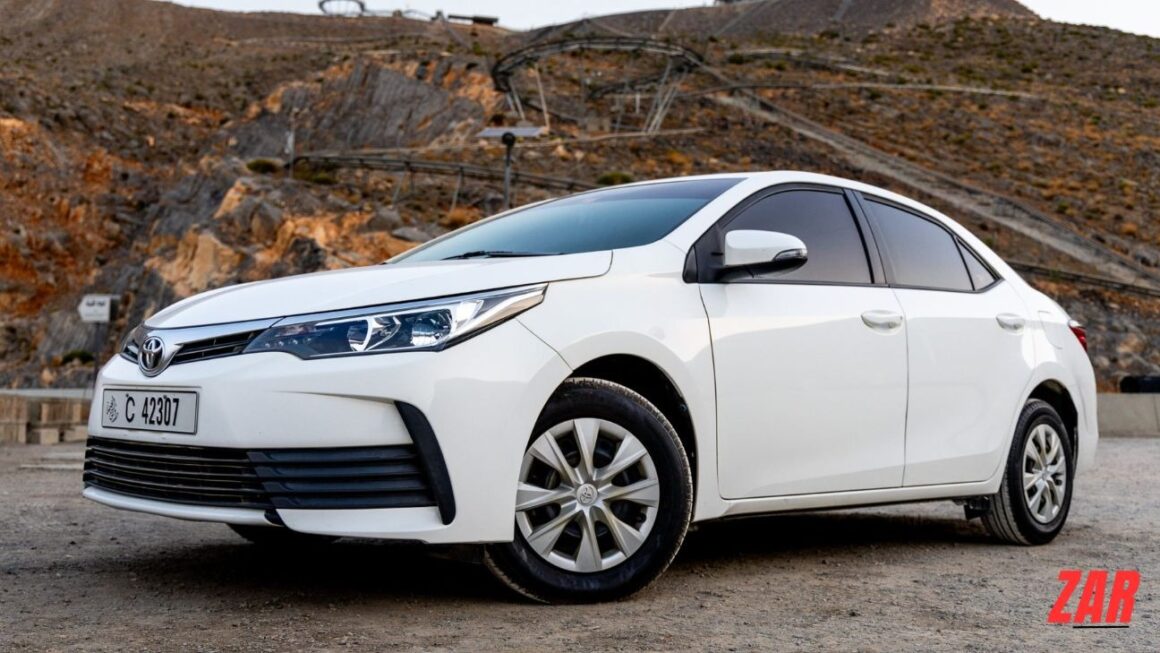
What makes the Corolla loved in Nigeria isn’t just the fuel economy it’s the peace of mind. Parts are everywhere, mechanics understand it better than their own children, and the car rarely breaks down. Whether you choose the 2013 LE, the 2015 S, or the 2020 CVT model, you’re buying a car engineered to make your life easier. Prices range from ₦5 million to ₦16 million depending on the year and condition, making it a dependable, fuel saving companion for anyone who wants comfort without fuel pain.
Honda Civic
The Honda Civic is the Corolla’s closest rival for fuel efficiency, but it brings a livelier personality to the table. Nigerian drivers love the Civic because it feels more premium than its segment suggests, thanks to Honda’s sharp styling, punchy engines, and refined interior. The 2012, 2015, and 2018 models are especially popular here, consistently giving 11–14 km per liter depending on traffic and driving style.
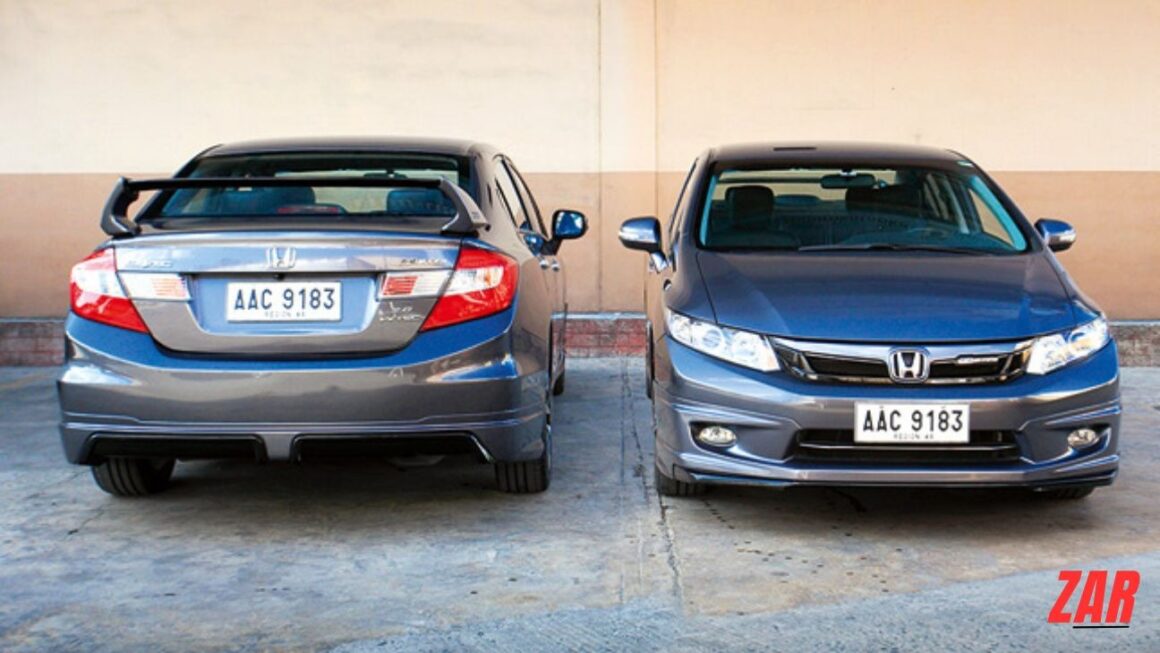
What makes the Civic shine is how it balances efficiency with an engaging drive. The car feels light on the road, the steering is responsive, and the cabin comfort is impressive for its class. Maintenance is slightly costlier than Toyota, but still affordable, and tokunbo prices remain reasonable, usually between ₦4.5 million and ₦14 million. For buyers who want great fuel economy without driving something too basic, the Civic is a sweet spot.
Toyota Camry (2007–2017)
Even though it’s bigger and more powerful than the Corolla, the Toyota Camry still holds its own with respectable fuel efficiency. The 2007–2011 “muscle” Camry and the 2012–2017 XV50 series remain top choices in Nigeria, delivering around 10–13 km per liter in mixed driving. Whether it’s the reliable 2.4 liter four cylinder engine or the smoother 2.5 liter found in later years, the Camry always manages to keep fuel costs stable.
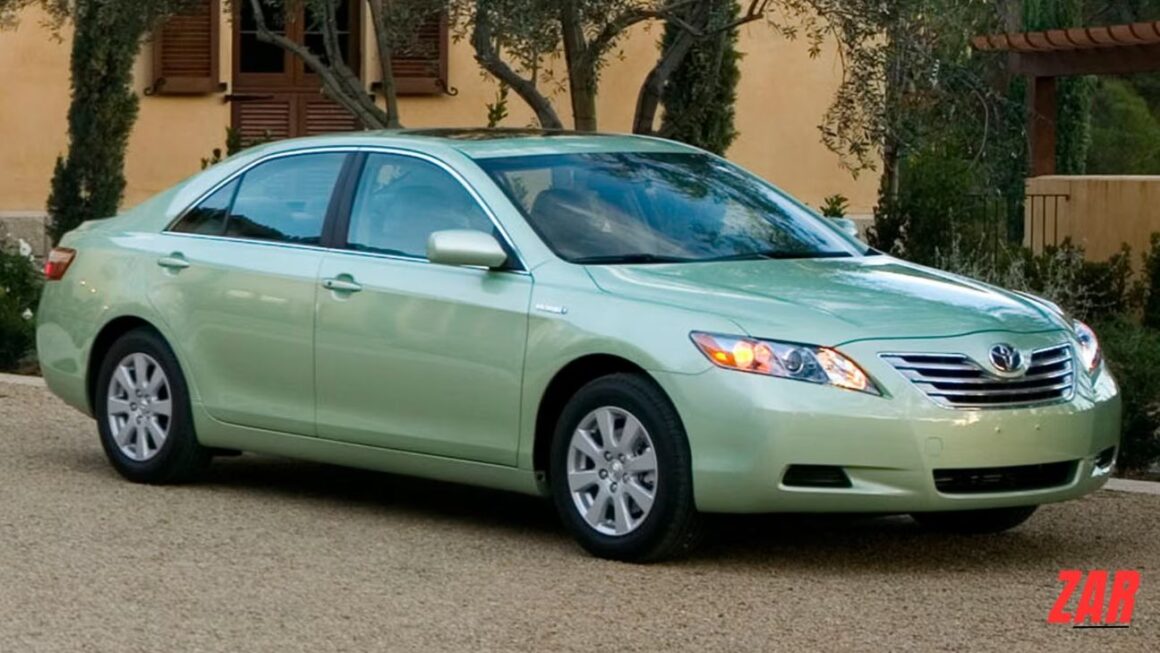
Nigerians also love the Camry for its comfort, durability, and calm driving experience. It’s the type of car you can drive from Lagos to Enugu without a hint of fatigue. Parts are as available as pure water, and resale value stays strong. Tokunbo prices typically fall between ₦4.5 million and ₦13 million. For people who want fuel economy with extra space and ride comfort, the Camry remains a superstar.
Hyundai Elantra
The Hyundai Elantra has quietly risen in Nigeria as one of the most fuel efficient cars you can buy without spending a fortune. Models from 2012 to 2019 consistently deliver 11–14 km per liter, and they come with impressive styling, comfortable interiors, and more tech features than many Japanese brands offer at the same price.
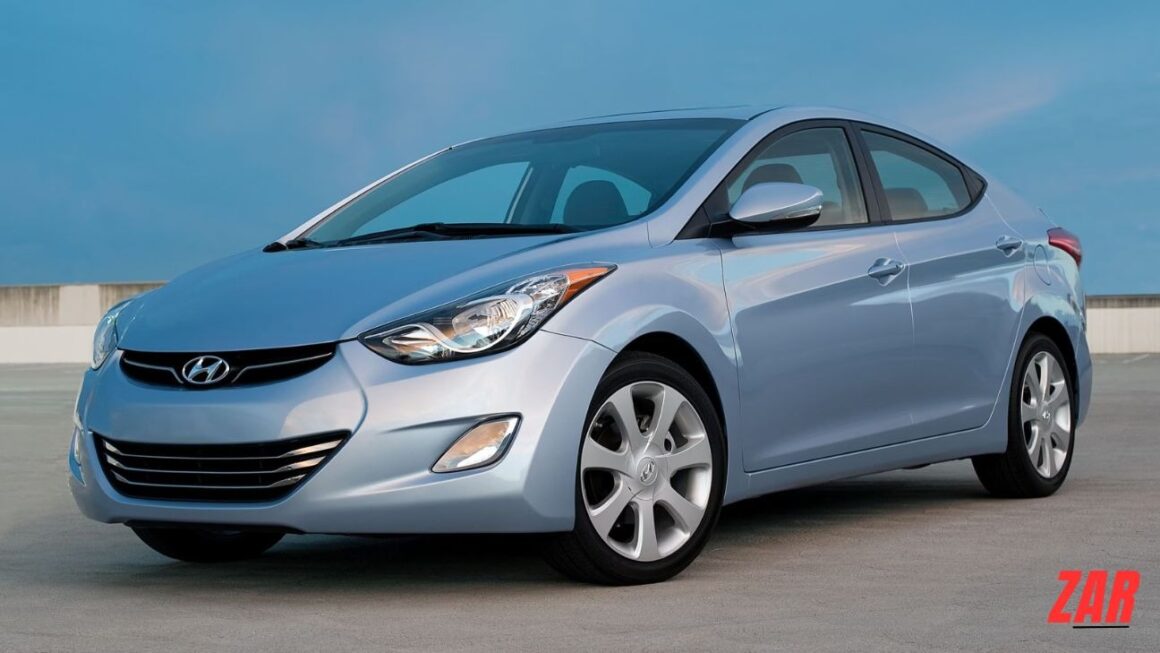
What shocks most buyers is how affordable the Elantra is. You can buy a clean tokunbo unit for ₦3 million to ₦8 million, making it one of the best bargains on this list. Maintenance is cheaper than many assume, and parts availability has grown significantly over the years. For anyone who wants great fuel economy at a budget friendly price, the Elantra is a smart, underrated option.
Toyota Yaris
If your priority is strict fuel savings, the Toyota Yaris is a dream. This compact car, especially the 2007–2014 models, is engineered for maximum efficiency, consistently achieving 13–16 km per liter. Its small size makes it perfect for crowded areas like Lagos Island, Ibadan city center, or Enugu metropolis.
Beyond fuel efficiency, the Yaris is incredibly cheap to maintain. It uses almost no fuel, parts are super affordable, and it rarely develops major faults. Prices range from ₦2.8 million to ₦6 million, depending on the model year. For students, first time car buyers, and ride share operators, the Yaris is a blessing.
Honda Fit (Jazz)
The Honda Fit, known locally as the Jazz, is one of the best fuel economy vehicles ever built. It’s insanely efficient, giving 14–17 km per liter, and the interior space is surprisingly generous for such a small car. The Fit’s “Magic Seat” layout lets you fold the seats in multiple ways, making it perfect for cargo, groceries, travel bags, and even small business use.
Nigerians appreciate the Fit for its practicality and low running cost. The only downside is that parts can be more expensive than Toyota’s, but the car makes up for it with ridiculously low fuel consumption. Tokunbo units go for ₦3 million to ₦7 million.
Toyota Prius
The Toyota Prius is a global icon for fuel efficiency, and Nigerians who drive it swear by its unmatched fuel consumption. Even older models like the 2010–2015 Prius can do 18–22 km per liter thanks to the hybrid electric petrol system. Newer models are even more efficient.
While not extremely common in Nigeria, the Prius is a goldmine for fuel savings. Maintenance is not as scary as people think, and hybrid batteries today last much longer. Tokunbo prices hover around ₦4 million to ₦9 million. For buyers who want the absolute best efficiency and are willing to try hybrid tech, the Prius is unbeatable.
Lexus CT 200h
The Lexus CT 200h is basically a luxury version of the Prius, and it delivers the same incredible fuel economy often 18–22 km per liter. It’s stylish, quiet, compact, and perfect for buyers who want prestige without spending too much on fuel. Though less common in Nigeria, it has a small but loyal following.
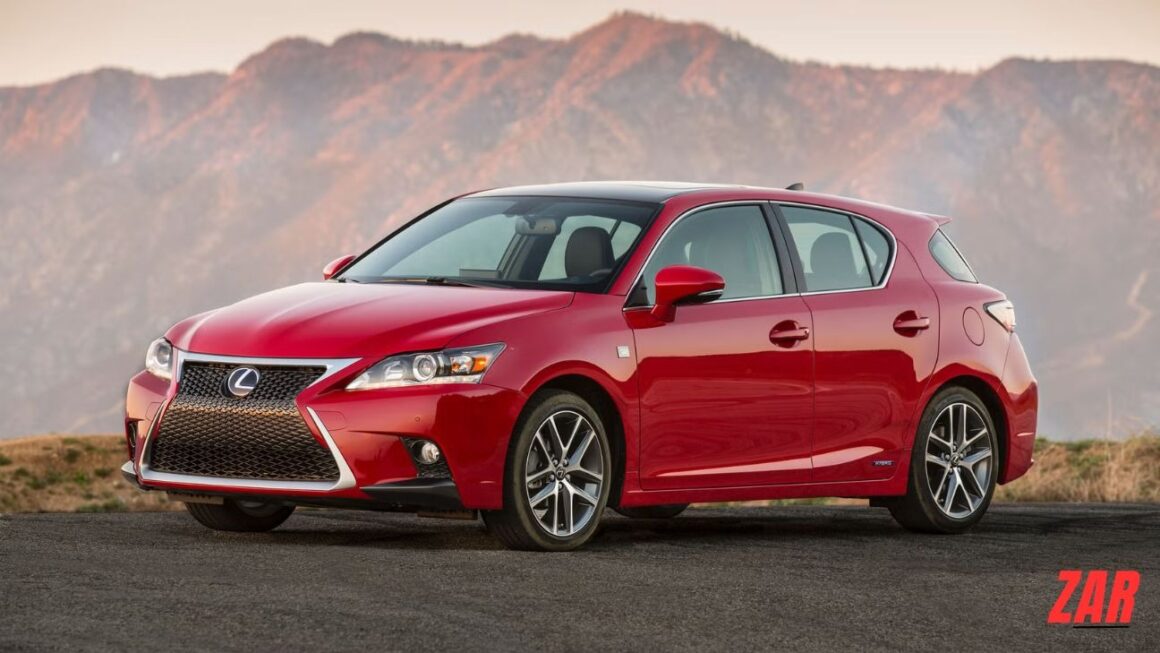
Tokunbo prices range from ₦6 million to ₦11 million depending on condition. For buyers seeking hybrid efficiency wrapped in Lexus level comfort and quietness, this model stands out as one of the smartest premium choices in today’s Nigerian market.
Mazda 3
The Mazda 3 may not dominate Nigerian roads like the Corolla or Civic, but it deserves a place on this list. It’s efficient, stylish, and engaging to drive, with fuel averages around 11–14 km per liter. The SkyActiv engines are especially fuel friendly, and the interiors feel more premium than many rivals.
Tokunbo prices run from ₦7 million to ₦13 million. For buyers who want luxury with moderate fuel use, the Avalon is a smart upgrade. Its quiet cabin, smooth V6 power, and long lasting Toyota engineering make it a favorite among Nigerian professionals who want something classier than a Camry without stepping into high maintenance European brands. With proper servicing, it delivers excellent highway comfort and strong resale value.
Toyota Avalon (2013–2018)
Even though the Avalon is a full size sedan, its 3.5 liter V6 engine is surprisingly fuel friendly, offering around 9–11 km per liter in real Nigerian traffic. Many Nigerians love this car for its space, luxury, and road presence, and the fuel consumption is quite reasonable considering its size and power.
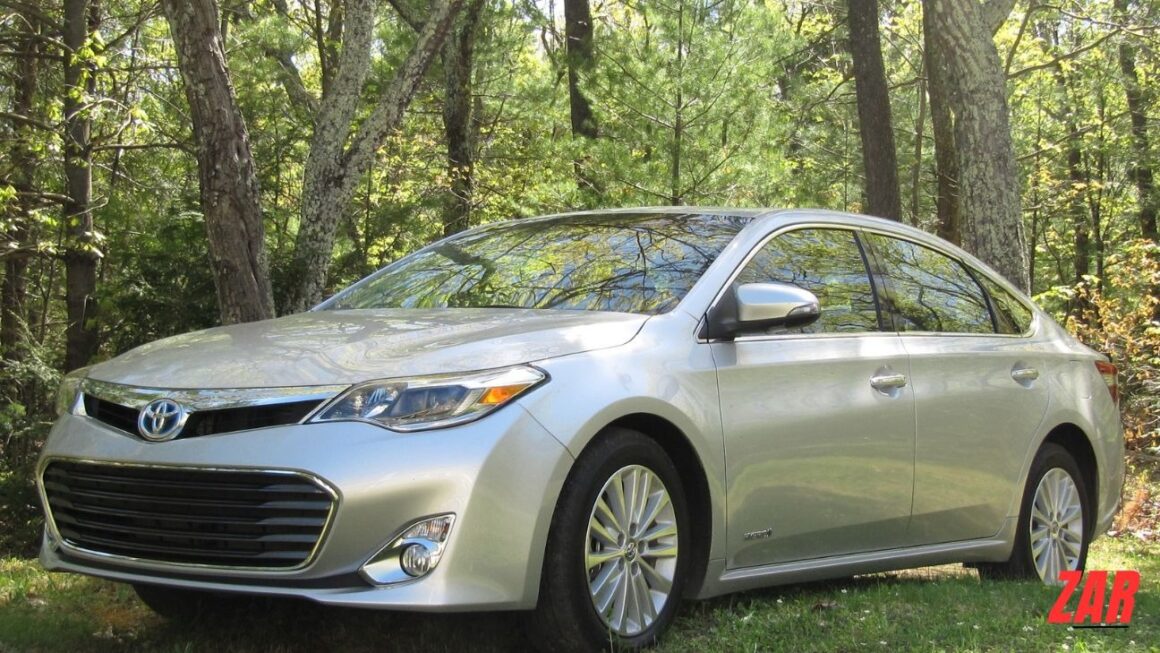
Tokunbo prices run from ₦7 million to ₦13 million, depending on the year, mileage, and trim. For buyers who want luxury with moderate fuel use, the Avalon is a smart upgrade. It offers a refined cabin, smooth V6 performance, and long term reliability that keeps maintenance costs predictable. Many Nigerian drivers also appreciate its strong road presence and excellent resale value, making it a practical step up from mid size sedans like the Camry without entering premium-brand territory.
Conclusion
In a Nigeria where fuel prices rise without warning and traffic wastes hours daily, choosing a fuel efficient car is no longer a luxury it’s survival. The vehicles in this guide represent the sweet spot between affordability, efficiency, and long term reliability. Whether you’re eyeing the legendary Corolla, the sporty Civic, a hybrid Prius, or an underrated gem like the Elantra, each one gives you a realistic chance to cut your fuel spending without sacrificing comfort or ride quality.
Beyond fuel savings, these cars also offer strong resale value an important advantage in Nigeria’s unpredictable economy. Models from Toyota, Honda, and Hyundai tend to hold their worth because parts are affordable, mechanics understand them well, and they rarely suffer major breakdowns. So when you eventually decide to upgrade, you’re not just saving money at the pump you’re also preserving your investment.


