Electric vehicles in Nigeria are attracting increasing attention as motorists, automotive manufacturers, investors and government agencies explore alternatives to traditional petrol and diesel-powered transportation. With rising interest in cleaner mobility, local vehicle assembly and alternative energy technologies, Nigeria could become an important market for electric vehicles in Africa.
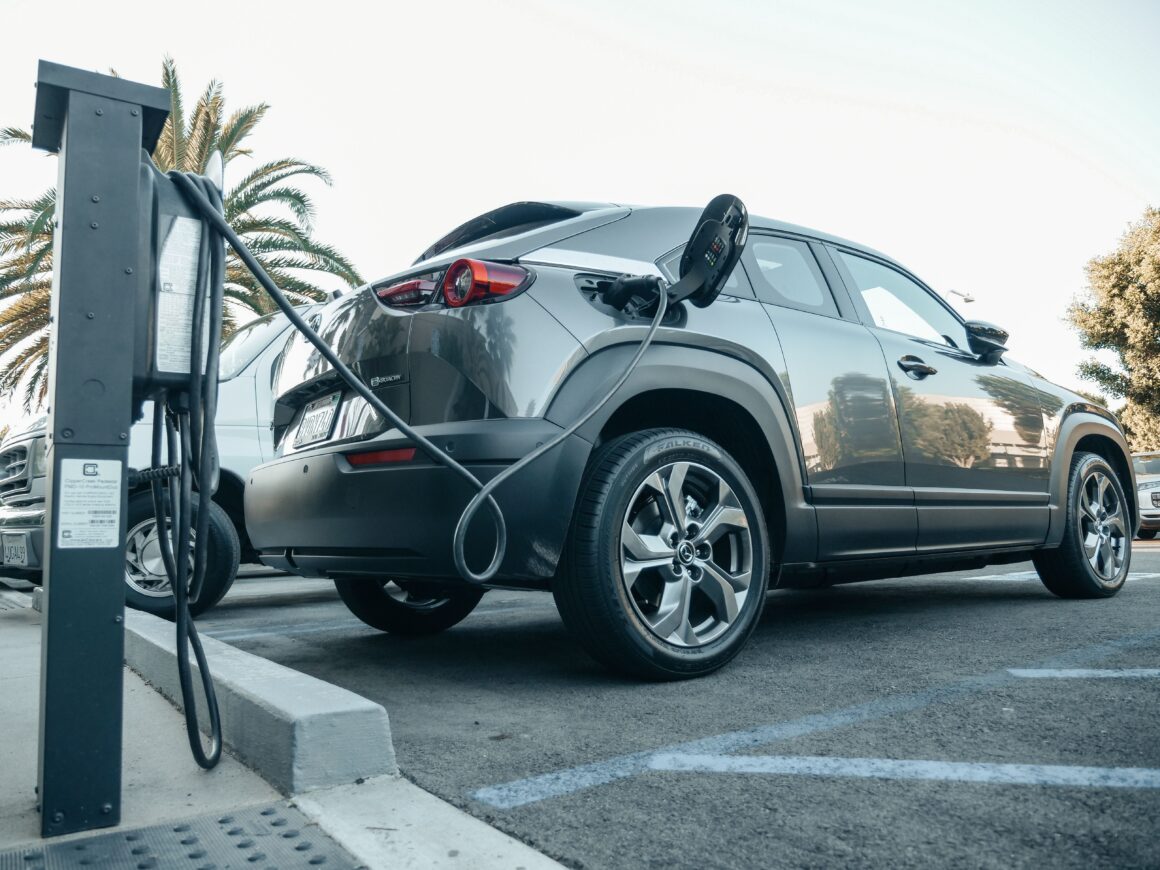
However, the country’s transition towards electric mobility faces several challenges, including unreliable electricity supply, limited charging infrastructure, high vehicle purchase costs and the need for stronger government policies.
Despite these obstacles, developments in Nigeria’s automotive industry suggest that electric mobility is gradually becoming part of the country’s transportation future.
What Is Driving Interest in Electric Vehicles in Nigeria?
Electric vehicles, commonly known as EVs, use electric motors powered by rechargeable batteries instead of relying entirely on conventional internal combustion engines.
Unlike petrol-powered vehicles, battery-electric vehicles do not require conventional engine fuel to operate. Their batteries are charged using electricity from compatible charging equipment.
Interest in electric vehicles in Nigeria is growing as the country explores ways to reduce transportation expenses, diversify its energy sources and strengthen domestic automotive manufacturing.
For motorists and commercial transport operators, the possibility of reducing dependence on petrol and diesel is particularly attractive.
Electric vehicles can offer lower routine maintenance requirements because they generally have fewer moving mechanical components than conventional vehicles. They also avoid engine oil changes and many maintenance activities associated with traditional combustion engines.
However, the financial benefits depend on electricity costs, battery performance, vehicle prices, maintenance arrangements and the availability of charging facilities.
Nigeria’s electric mobility market is still developing, but the opportunities extend beyond private passenger cars. Electric motorcycles, three-wheelers, buses, delivery vehicles and commercial fleets could all contribute to adoption.
Nigeria’s Electric Vehicle Market Is Gradually Expanding
Although electric vehicles remain a small part of Nigeria’s overall vehicle population, the market is beginning to attract investment and commercial interest.
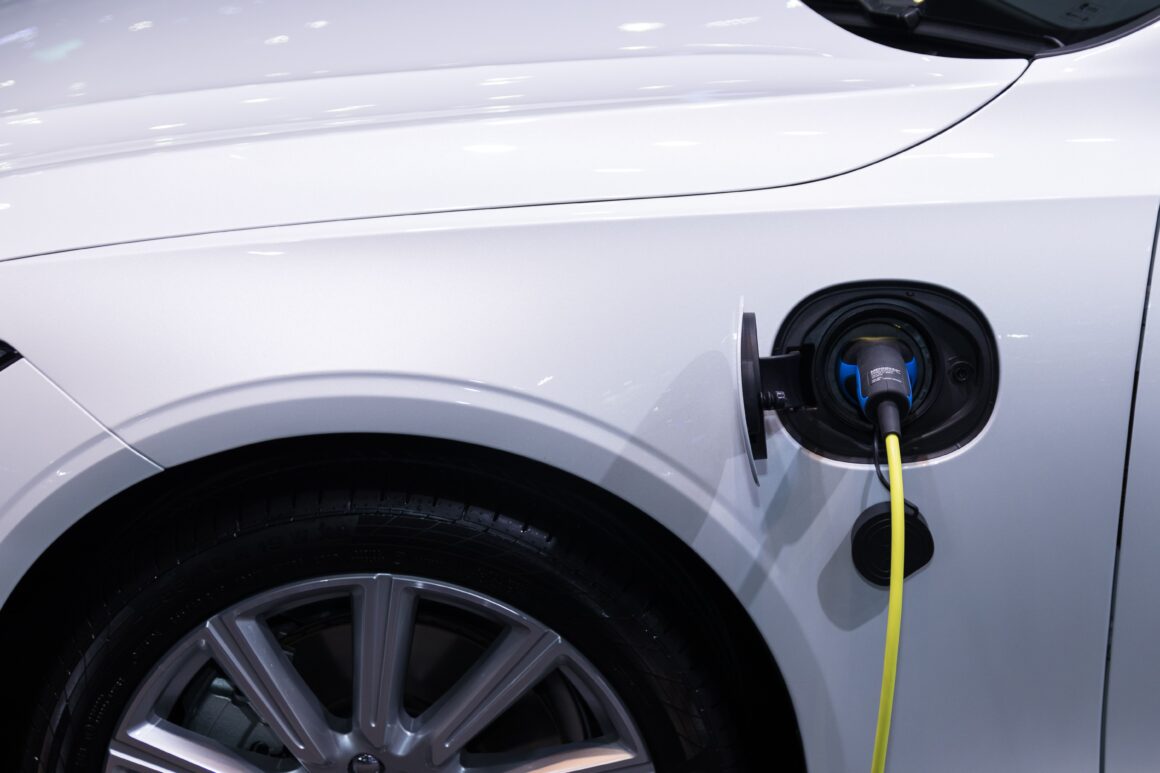
According to a report published by the Rocky Mountain Institute (RMI) in August 2026, Nigeria had an estimated 20,000 electric vehicles by the end of 2025.
Early adoption has been concentrated in two-wheelers, three-wheelers, commercial fleets and ride-hailing operations.
This is significant because commercial vehicles often operate for longer periods than privately owned cars. As a result, operators may have stronger incentives to evaluate potential fuel savings and lower maintenance requirements.
Nigeria’s electric mobility development is also attracting attention from international manufacturers and local businesses exploring vehicle assembly and charging solutions.
The growth of electric mobility will not necessarily happen through private passenger cars alone. Commercial transportation, delivery services and motorcycle-based businesses could provide important opportunities for early adoption.
Government Support for Electric Mobility
Government policy will play an important role in determining how quickly electric vehicles become established in Nigeria.
In March 2026, President Bola Ahmed Tinubu approved the expansion of the Presidential Initiative on Compressed Natural Gas (PiCNG) to include electric vehicles.
The initiative was subsequently renamed the Presidential Initiative on Compressed Natural Gas and Electric Vehicles (PiCNG & EV).
The expanded mandate includes coordinating Nigeria’s clean mobility strategy, supporting electric vehicle deployment and encouraging the development of charging infrastructure.
The initiative also continues to oversee the expansion of CNG refuelling facilities and vehicle conversion programmes.
This development is important because it places electric mobility within a broader national transportation strategy rather than treating it as an isolated automotive trend.
The National Automotive Design and Development Council (NADDC) is also working with industry stakeholders on the proposed National Automotive Industry Bill 2026.
The proposed legislation seeks to strengthen the regulatory framework for Nigeria’s automotive industry, encourage domestic manufacturing, improve local content development and support investment in emerging vehicle technologies.
However, proposed legislation and policy initiatives should not be confused with fully implemented programmes. Their actual impact will depend on implementation, funding and coordination between government agencies and private investors.
The Challenge of Electricity Supply and Charging Infrastructure
One of the biggest obstacles to electric vehicle adoption in Nigeria is the availability of reliable electricity.
Unlike petrol-powered vehicles, which can refuel at conventional filling stations, electric vehicles depend on access to suitable charging facilities.
Nigeria’s electricity supply challenges create additional complications for motorists and businesses considering electric vehicles.
A vehicle owner may need to install a home charging system, use a commercial charging station or rely on alternative power arrangements.
The Rocky Mountain Institute’s August 2026 report on developing Nigeria’s EV infrastructure explains that reliable charging facilities will be essential to expanding the market.
It also identifies opportunities for solar-powered charging, battery storage and battery-swapping systems.
These alternatives could help address some of the limitations associated with unreliable grid electricity.
For example, solar-powered charging facilities equipped with battery storage could provide electricity during periods of grid interruptions.
Battery-swapping stations could also support commercial motorcycle and delivery fleets by allowing operators to exchange depleted batteries for charged ones instead of waiting for conventional charging.
Nevertheless, establishing these facilities requires investment, technical expertise, suitable locations and commercially sustainable operating models.
Without dependable charging infrastructure, widespread electric vehicle adoption will remain difficult.
Are Electric Vehicles Affordable for Nigerian Motorists?
Purchase price remains another major consideration for Nigerians interested in electric vehicles.
Many electric models are still relatively expensive compared with conventional petrol-powered alternatives, particularly when imported vehicles, shipping expenses, taxes and other charges are considered.
For motorists operating within tight budgets, the initial cost of purchasing an electric vehicle can be a significant barrier.
However, evaluating an electric vehicle solely through its purchase price may not provide a complete picture.
Running costs, maintenance requirements, electricity prices, battery warranties and vehicle resale values should also be considered.
Electric vehicles may offer lower routine maintenance expenses because they do not require conventional engine servicing.
However, battery replacement, specialised repairs and electronic component servicing can involve substantial costs.
The availability of trained technicians and genuine replacement parts will therefore become increasingly important as the market expands.
Financing options could also influence adoption.
Banks, leasing companies and automotive financing businesses may have opportunities to develop payment arrangements specifically designed for electric vehicles and commercial fleets.
For businesses operating vehicles regularly, financing based on expected operating savings could become an important part of the market’s development.
Local Vehicle Assembly Could Strengthen Nigeria’s EV Industry
One of the biggest opportunities for Nigeria is the possibility of developing domestic electric vehicle assembly and manufacturing capabilities.
Rather than depending exclusively on imported finished vehicles, Nigeria could attract international manufacturers interested in establishing local assembly operations.
This could create employment opportunities for engineers, technicians, assembly workers and automotive suppliers.
Local production could also encourage the development of supporting industries involved in vehicle components, electrical systems, battery management and maintenance equipment.
Nigeria already has experience in automotive assembly, although expanding into electric mobility will require additional technical expertise and investment.
The government’s broader automotive development objectives include strengthening domestic manufacturing and encouraging greater local participation in vehicle production.
The implementation of the Nigeria First Policy in automotive procurement, announced by the Federal Ministry of Information and National Orientation in September 2026, also places greater emphasis on domestically assembled and manufactured vehicles in government procurement, subject to applicable requirements and exemptions.
For electric mobility, these developments could create opportunities for manufacturers capable of establishing local production and meeting relevant standards.
However, developing a competitive EV manufacturing industry will require more than assembling imported components. Battery technology, electronics, software, technical training and reliable supply chains will all be important.
Electric Buses and Commercial Vehicles Could Lead Adoption
Electric mobility in Nigeria should not be viewed exclusively through the passenger car market.
Commercial transportation could provide some of the strongest opportunities for electric vehicle deployment.
Electric buses, delivery vehicles, motorcycles and three-wheelers operate in specific commercial environments where their operating costs can be evaluated more easily.
Transport operators with predictable routes may find it easier to plan charging schedules and manage vehicle utilisation.
Electric buses could become particularly relevant to major urban centres such as Lagos and Abuja, where public transportation demand is substantial.
Commercial delivery businesses may also benefit from electric vehicles operating within defined service areas.
However, fleet electrification requires careful planning.
Businesses must consider vehicle acquisition costs, charging arrangements, battery performance, maintenance support and the availability of replacement vehicles.
The success of electric commercial transportation will therefore depend on whether manufacturers and infrastructure providers can offer reliable solutions that meet local operating conditions.
Environmental Benefits and the Importance of Clean Energy
Electric vehicles produce no tailpipe emissions when operating in battery-electric mode.
This can help improve local air quality, particularly in densely populated urban areas where conventional vehicles contribute to traffic-related pollution.
However, the overall environmental benefits depend partly on how the electricity used to charge the vehicles is generated.
Where charging depends heavily on electricity produced from fossil fuels, the overall emissions benefits may be smaller than in markets with cleaner electricity generation.
Battery manufacturing, mineral extraction and battery disposal also create environmental considerations.
For Nigeria, combining electric mobility with renewable energy could provide additional opportunities.
Solar-powered charging facilities and energy storage systems could help reduce dependence on conventional electricity sources while supporting more reliable charging services.
Developing appropriate battery recycling and disposal systems will also be important as the number of electric vehicles increases.
What the Future Holds for Electric Vehicles in Nigeria
The future of electric vehicles in Nigeria will depend on several interconnected factors.
First, the country needs more reliable charging infrastructure, including public charging facilities, workplace charging and alternative systems such as battery swapping.
Second, government policies must provide clear and consistent support for manufacturers, importers, infrastructure investors and consumers.
Third, affordable vehicle financing and competitive pricing will be important in making electric mobility accessible to more Nigerians.
Finally, investment in technical training and after-sales services will help establish consumer confidence.
The International Energy Agency’s Global EV Outlook 2026 reported that worldwide electric car sales exceeded 20 million in 2025, representing approximately one-quarter of global car sales.
Although Nigeria is still at an early stage of adoption, global developments demonstrate that electric mobility is becoming an increasingly important part of the automotive industry.
Nigeria does not need to replicate the exact transition strategies of Europe, China or North America. Its approach can reflect local transportation requirements, electricity conditions, consumer purchasing power and available energy resources.
A combination of electric passenger vehicles, commercial fleets, electric motorcycles, solar charging and local assembly could provide a more practical development pathway.
Conclusion
Electric vehicles in Nigeria represent an emerging opportunity for the country’s automotive, transportation and energy industries.
Although electricity supply, charging infrastructure, affordability and technical expertise remain significant challenges, growing government interest and private-sector investment could support gradual market expansion.
The strongest opportunities may initially come from commercial transportation, electric motorcycles, delivery fleets and locally assembled vehicles rather than widespread private passenger car adoption.
For Nigeria to benefit fully, investment must extend beyond importing electric vehicles to developing charging infrastructure, technical skills, local suppliers and reliable after-sales services.
The country’s electric mobility transition will not happen overnight. However, the decisions made by policymakers, manufacturers and investors today could determine how competitive Nigeria becomes in the next generation of automotive technology.
As electric mobility continues to develop, WheelZAR will follow the manufacturers, technologies, policies and investments shaping Nigeria’s automotive future.
Sources and Further Reading
- Rocky Mountain Institute: Developing Nigeria’s EV Infrastructure
- International Energy Agency: Global EV Outlook 2026 – Trends in Electric Cars
- The State House, Abuja: President Tinubu Approves Expansion of PiCNG Mandate to Include Electric Vehicles
- Rocky Mountain Institute: A Policy Roadmap for Nigeria’s Electric Mobility Future
- Federal Ministry of Information and National Orientation: Strict Implementation and Enforcement of the Nigeria First Policy in the Automotive Sector
- Reuters: Nigeria’s EV Ambitions Run Into Reality of Weak Electricity Supply
Publisher: WheelZAR
Category: Automotive Industry / Electric Vehicles / Nigeria
Primary Focus Keyword: Electric Vehicles in Nigeria
Secondary Keywords: EV adoption in Nigeria, electric cars in Nigeria, EV charging stations Nigeria, electric vehicle infrastructure, Nigerian automotive industry, electric mobility in Africa.