For many Nigerian drivers, upgrading to an SUV is not just a matter of status, it is a practical necessity. Between navigating sudden flash floods in Lagos, tackling unpaved estate roads in Abuja, and needing extra space for family road trips to the village, a Sports Utility Vehicle offers the ground clearance and ruggedness that standard sedans simply cannot match.
However, the automotive landscape in mid-2026 presents a unique set of challenges. Brand-new midsize SUVs from Japanese, Korean, or European automakers routinely command prices north of ₦15 million to ₦40 million. Even the rapidly growing entry-level Chinese brands (like GAC, Jetour, and Changan) rarely dip below the ₦15 million mark for family-sized options.
With current black-market exchange rates sitting roughly between ₦1,370 and ₦1,420 to the US Dollar, a ₦10 million budget equates to about $7,000–$7,300. This economic reality firmly places the smart buyer in the “Tokunbo” (foreign-used) market, specifically targeting reliable models from the 2006 to 2013 eras.
Furthermore, with petrol prices fluctuating between ₦1,300 and ₦1,400 per litre influenced by global crude and local refinery gantry rates fuel economy is no longer an afterthought. It is a critical deciding factor.
At WheelZAR, we have compiled the ultimate list of the best affordable SUVs in Nigeria that fit a ₦10 million budget. Ranked by local mechanic consensus, parts availability, and real-world durability, here are the top 10 options for Nigerian drivers today.
1. Honda CR-V (2007–2011)
The Practical Fuel-Saver
- Estimated Price: ₦5,500,000 – ₦8,500,000
- Engine Focus: 2.4L 4-Cylinder (K24 Engine)
- Real-World Fuel Economy: ~9–11.5 km/L
Tying for the top spot is the third-generation Honda CR-V. It is the ultimate pragmatic choice for the Nigerian middle class, perfectly balancing the footprint of a compact car with the cargo space of a true utility vehicle.
The Driving Experience: Because it is built on a car platform, the CR-V does not feel like a lumbering truck. It handles nimbly in tight Lagos traffic and is incredibly easy to park. The interior is famously practical, featuring a unique “double-deck” cargo shelf in the boot that is perfect for separating fragile groceries from heavy bags of rice.
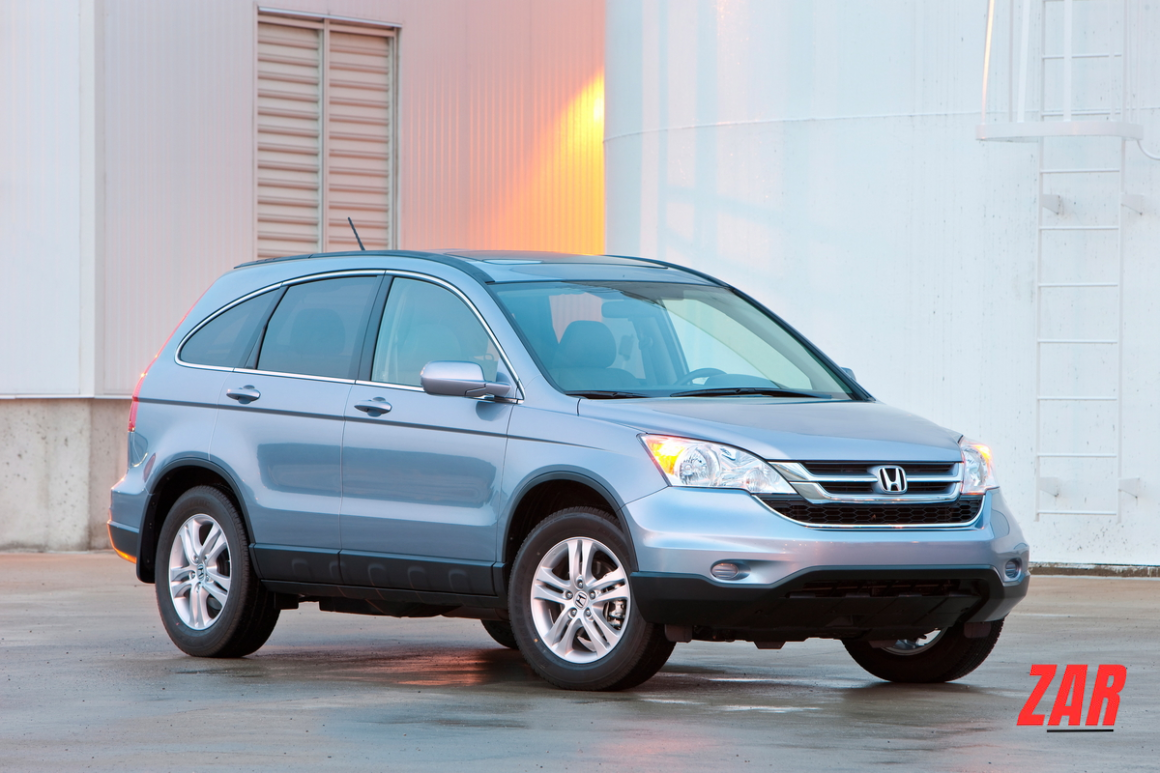
Key Strengths: It is powered by Honda’s legendary K24 engine, which is virtually bulletproof if given regular oil changes. Parts are incredibly easy to find at Ladipo or Berger markets, and any roadside mechanic can service it. It also boasts one of the most efficient real-world fuel economy ratings on this list.
Watch-Outs & WheelZAR Pro-Tip: While later generations of Hondas use CVTs, this specific generation uses a robust 5-speed automatic. However, Honda’s are notoriously sensitive to transmission fluid. Never let a mechanic use generic, red ATF from a drum. Insist on genuine Honda DW-1 fluid, or you will experience gear slipping within months. Also, the air conditioning compressors on this generation are known to weaken over time; test it thoroughly under the midday sun before buying.
2. Toyota RAV4 (2007–2012)
The King of Resale Value
- Estimated Price: ₦6,000,000 – ₦9,500,000
- Engine Focus: 2.4L or 2.5L 4-Cylinder
- Real-World Fuel Economy: ~9–12 km/L (for the 4-cylinder)
Sharing the crown with the CR-V is Toyota’s legendary RAV4. When Nigerians think of indestructible, long-lasting crossovers, the third-generation RAV4 is the absolute benchmark.
The Driving Experience: It sits slightly higher than the CR-V, offering a more commanding view of the road and fantastic ground clearance for aggressive potholes. The rear door swings out horizontally (rather than lifting up like a hatch) and carries a full-size spare tire on the back, a rugged design element that many buyers love.
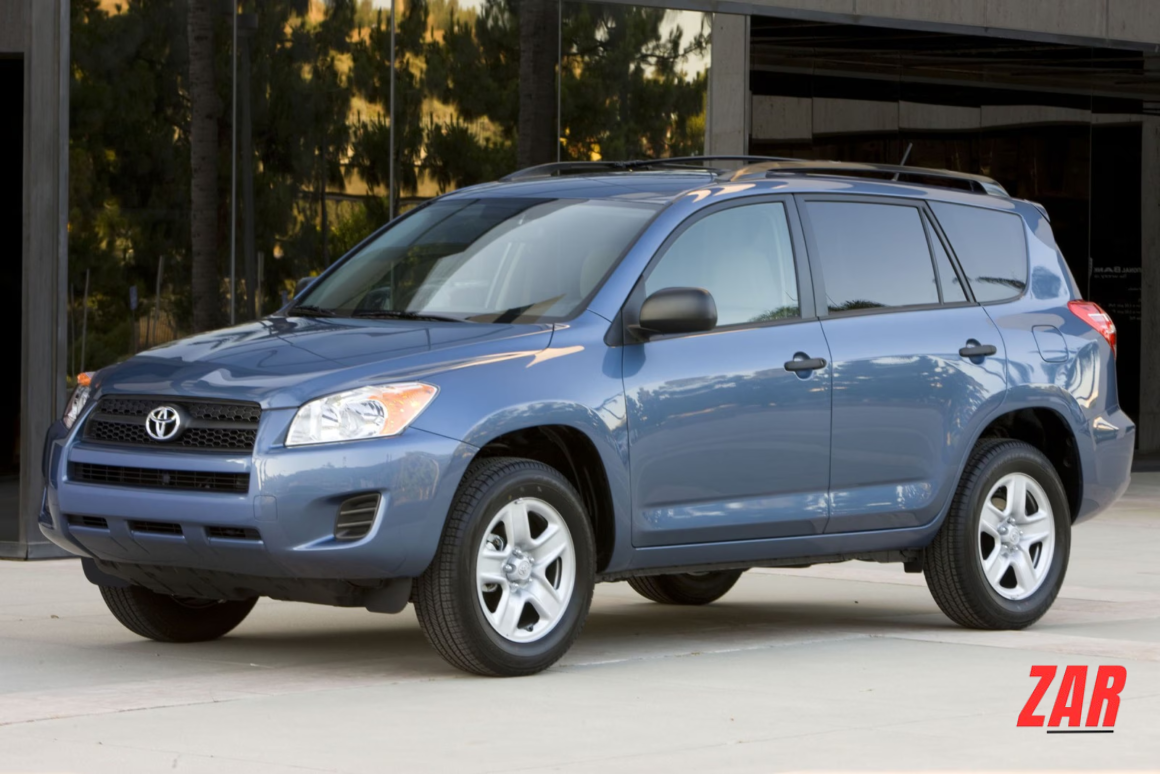
Key Strengths: Unmatched reliability and the absolute best resale value in its class. You can buy a clean unit today, drive it for three years, and likely sell it for nearly what you paid. It shares many mechanical components with the Camry, making maintenance cheap and universal.
Watch-Outs & WheelZAR Pro-Tip: Because of its popularity, it commands a heavy “Toyota Tax,” meaning clean, low-mileage units sit at the very top of the ₦10M budget. Avoid the V6 engine option. While the 269-horsepower V6 turns the RAV4 into a literal rocket, it will severely punish your wallet at the fuel pump. Stick to the 4-cylinder. Finally, heavily abused Nigerian-used models often suffer from whining rear differentials—listen closely for a humming noise from the back while driving on the highway.
3. Toyota Highlander (2008–2011)
The Ultimate Family Hauler
- Estimated Price: ₦7,000,000 – ₦10,000,000
- Engine Focus: 4-Cylinder or 3.5L V6
- Real-World Fuel Economy: Good to Average (V6 consumes noticeably more)
If the RAV4 is too small for your growing family, the Highlander is the logical next step. Based on the same underpinnings as the ultra-smooth Toyota Camry, it is a highly prized asset for large Nigerian families.
The Driving Experience: The Highlander is designed purely for comfort. It absorbs terrible estate roads beautifully and isolates the cabin from outside noise. It offers a third row of seating, which, while cramped for adults, is perfect for the school run.
Key Strengths: It delivers classic Toyota toughness wrapped in a spacious, premium-feeling cabin. The air conditioning is famously powerful, easily reaching the third row. If you find a “Limited” trim within budget, you will enjoy plush leather, a JBL sound system, and a reverse camera.
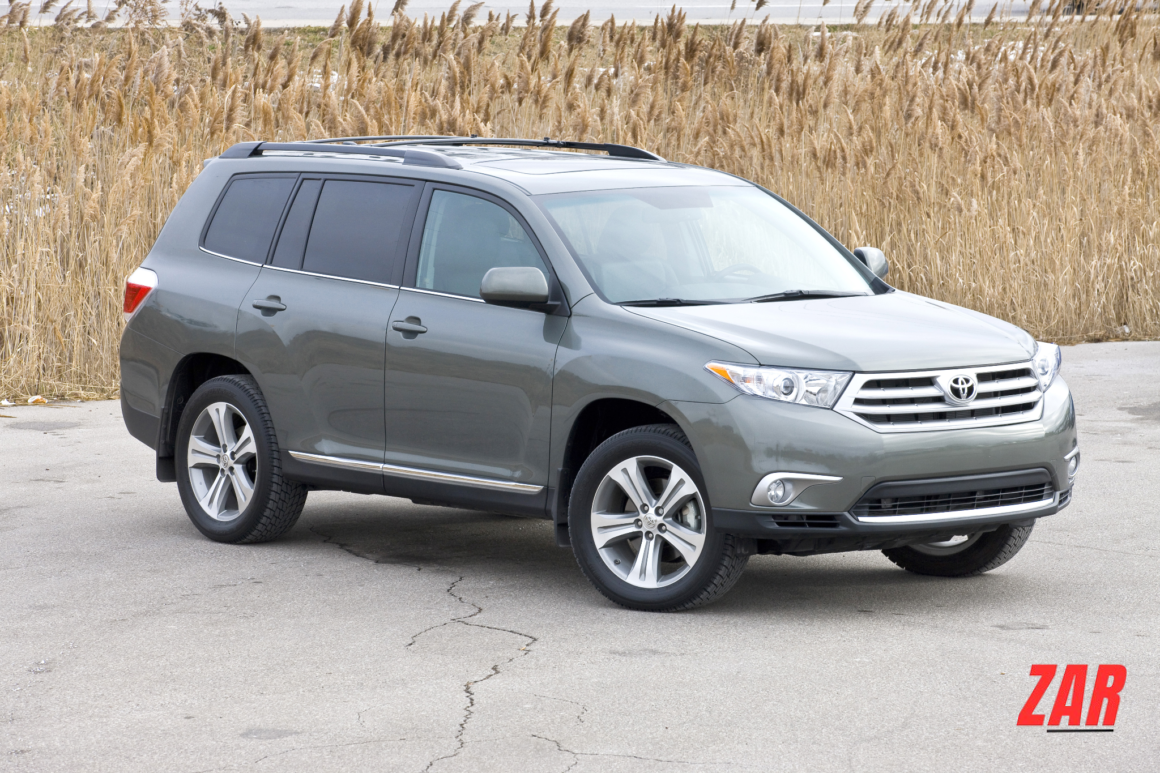
Watch-Outs & WheelZAR Pro-Tip: The 3.5L V6 engine (the most common version imported from the US) is incredibly smooth but very thirsty. Finding a clean Tokunbo model under ₦10M requires patience and sharp negotiation skills. If you are looking at a Nigerian-used unit, thoroughly inspect the suspension (especially the front struts and lower control arms) for wear, as the vehicle’s heavy weight takes a toll on bad roads.
4. Lexus RX 330 / RX 350 (2006–2010)
The Premium Comfort Cruiser
- Estimated Price: ₦7,000,000 – ₦9,500,000
- Engine Focus: 3.3L or 3.5L V6
- Real-World Fuel Economy: ~5.5–7 km/L (City) / Better on highways
Lexus represents the pinnacle of luxury reliability. The RX series is the “arrival” vehicle in Nigeria—beloved by upwardly mobile professionals who want a premium feel without the terrifying repair bills of a German luxury SUV.
The Driving Experience: Driving an RX is like floating on a cloud. The suspension tuning is incredibly soft, the steering is light, and the cabin is whisper-quiet. The Mark Levinson premium audio system (if equipped) remains one of the best factory stereos you can get in this price bracket.
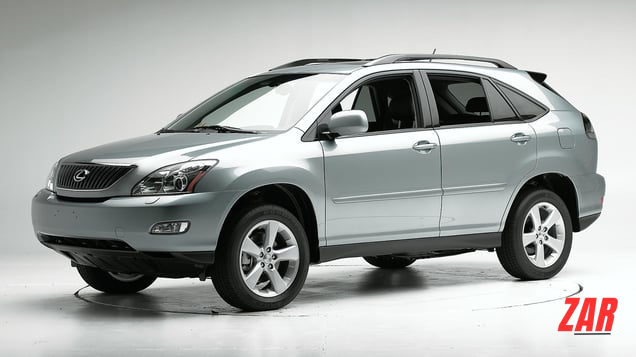
Key Strengths: It offers undeniable status, high-quality leather, and genuine wood trims. Best of all, underneath the luxury badge, it relies on the exact same proven Toyota mechanicals as the Highlander.
Watch-Outs & WheelZAR Pro-Tip: Fuel consumption is noticeably high in stop-and-go city traffic. Older RX models are known for slight transmission hesitation if the fluid has never been changed. The most common aesthetic flaw is the dashboard—the material used by Lexus in this era reacts poorly to the intense Nigerian sun, leading to severe dashboard cracking. Look for a unit with an intact dash and buy a high-quality sunshade immediately.
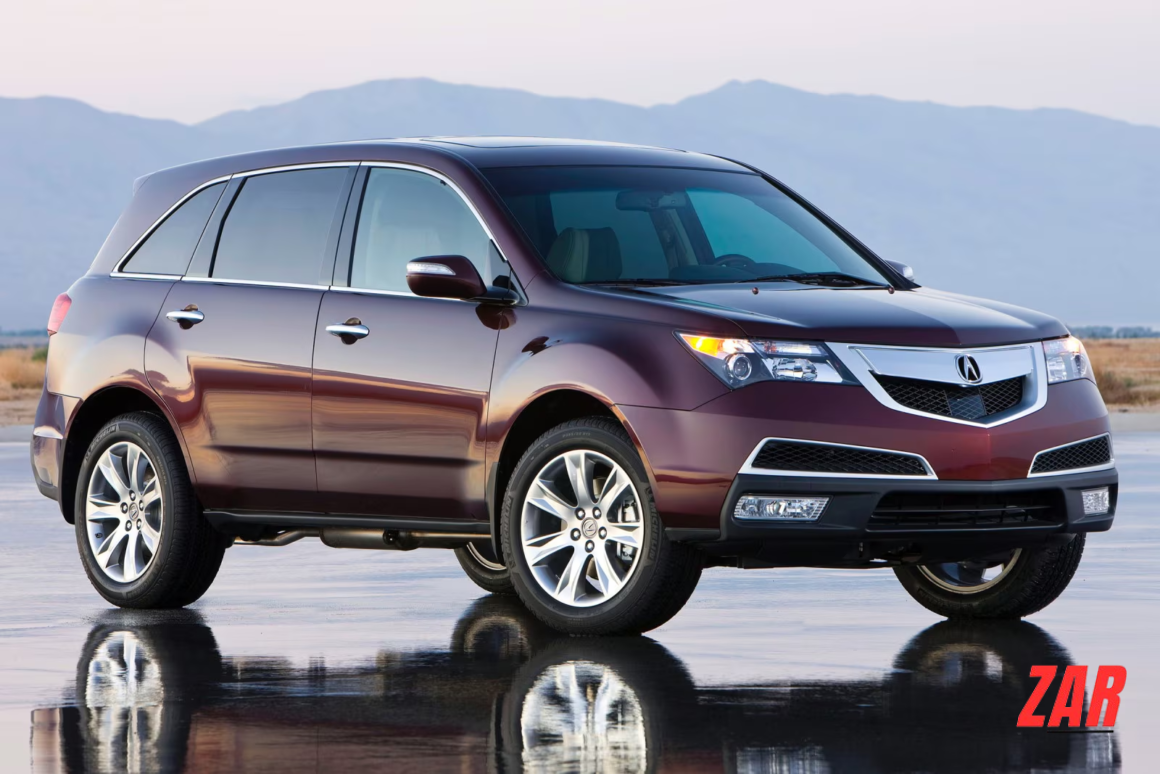
5. Acura MDX (2007–2010)
The Sporty Luxury 3-Row
- Estimated Price: ₦6,000,000 – ₦9,000,000
- Engine Focus: 3.7L V6
- Real-World Fuel Economy: Heavy consumer (Higher than CR-V/RAV4)
As frequently noted in Tokunbo SUV buying guides, the second-generation Acura MDX is the perfect alternative for buyers who want luxury and 3-row seating but prefer sharper, sportier handling than the soft Toyota Highlander offers.
The Driving Experience: The MDX drives much smaller than it is. It features an aggressive exterior design and Honda’s brilliant Super Handling All-Wheel Drive (SH-AWD) system, which aggressively vectors power to outside wheels during cornering, making it incredibly stable on wet, slippery highways.
Key Strengths: It features a very driver-focused cockpit, excellent standard technology (including Bluetooth and navigation on most trims), and a powerful 300-horsepower V6 engine that makes highway overtaking effortless.
Watch-Outs & WheelZAR Pro-Tip: The SH-AWD system requires mandatory fluid changes (specifically Acura DPSF fluid) for the rear differential. If a previous owner neglected this, the rear diff will fail, costing hundreds of thousands of Naira to fix. Furthermore, power steering pump failures are a known issue; you will hear a loud “whining” noise when turning the steering wheel. Brace yourself for higher running costs at the fuel pump.
6. Hyundai Santa Fe (2008–2012)
The Underrated Value Pick
- Estimated Price: ₦5,500,000 – ₦9,500,000
- Engine Focus: V6 or 4-Cylinder
- Real-World Fuel Economy: Decent for its size
Korean automakers offer fantastic value for buyers willing to step outside the Toyota/Honda duopoly. In the used market, the Santa Fe consistently gives you a newer model year and more features for the exact same money as an older Japanese rival.
The Driving Experience: The Santa Fe offers a very comfortable, compliant ride. The interior styling transitioned beautifully during this era, moving away from cheap plastics to soft-touch materials. It feels robust and well-put-together.
Key Strengths: You get extensive interior features, comfortable seating, and crucial rear AC vents (a blessing in the Nigerian heat). Depending on the trim, you can often find third-row seating tucked into the back, though it is strictly for small children.
Watch-Outs & WheelZAR Pro-Tip: The long-term resale value will not match a RAV4 or CR-V, meaning it might take longer to sell when you are ready to upgrade. Some early models in this generation suffered from alternator failures. Scrutinize the overall electrical condition before purchasing, and ensure all interior buttons and window switches work perfectly.
7. Ford Edge (2008–2010)
The American Heavyweight
- Estimated Price: ₦8,000,000 – ₦9,500,000
- Engine Focus: 3.5L V6
- Real-World Fuel Economy: Average
For those who prioritize bold styling, heavy-duty build quality, and a wide, commanding stance, the Ford Edge brings genuine American cruiser dynamics to Nigerian roads. It looks imposing and expensive.
The Driving Experience: The Edge is a heavy vehicle, which translates to a highly planted, secure feeling on the highway. The doors close with a solid “thud,” and wind noise is kept to an absolute minimum. It only seats five, but because it is so wide, three adults can sit in the back seat with excellent shoulder room.
Key Strengths: It features a very roomy interior, the Ford SYNC infotainment system (cutting-edge for its time), and great long-distance driving comfort. The seats are massive and highly supportive.
Watch-Outs & WheelZAR Pro-Tip: This is a critical warning. As highlighted in various expert video review comparisons, the 3.5L V6 engine has a major, well-documented water-pump vulnerability. Because the pump is located inside the engine block, a failure will mix engine coolant with engine oil, creating a “milkshake” that completely destroys the engine. To safely own this car, you must proactively change the water pump immediately after purchase (a ₦250k+ job) to prevent engine death.
8. Mazda CX-9 (2008–2012)
The Driver’s 3-Row SUV
- Estimated Price: ₦6,500,000 – ₦9,000,000
- Engine Focus: 3.5L or 3.7L V6
- Real-World Fuel Economy: Average
Mazda has always prioritized the “Zoom-Zoom” driving philosophy, and they somehow managed to inject it into a massive, 7-seater family SUV. If you need three rows but refuse to give up driving enjoyment, this is your vehicle.
The Driving Experience: The CX-9 has the heaviest, most communicative steering in its class. It stays flat through corners and feels surprisingly nimble. The interior feels decidedly upscale, with a swooping dashboard and high-quality materials that rival Lexus.
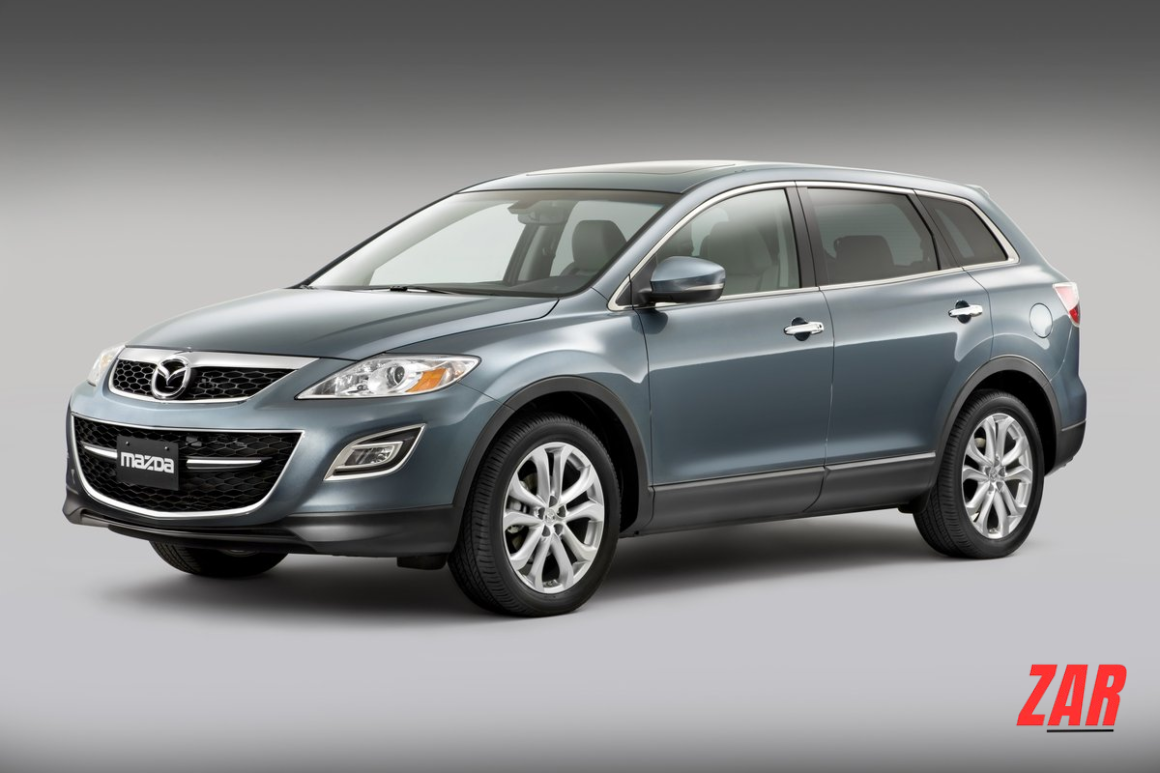
Key Strengths: It offers a beautifully designed interior, sporty dynamics, and ample space for a large family. It also boasts massive cargo space when the third row is folded flat.
Watch-Outs & WheelZAR Pro-Tip: The CX-9 was built during Mazda’s partnership with Ford. Therefore, it shares the exact same 3.5L/3.7L V6 engine architecture as the Ford Edge. This means it carries the exact same internal water-pump vulnerability. Maintenance must be proactive, not reactive. Do not ignore a low coolant warning or rising temperature gauge, even for a second.
9. Mercedes-Benz ML 350 (2007–2009)
The Prestige Option
- Estimated Price: ₦8,000,000 – ₦10,000,000
- Engine Focus: 3.5L V6
- Real-World Fuel Economy: High consumer
For buyers who absolutely must have the prestige of a European badge, early examples of the W164 ML 350 can be squeezed into a ₦10 million budget. It is the ultimate flex for the Nigerian business person on a budget.
The Driving Experience: Nothing rides quite like a German SUV. The high-speed stability is incredible, the cabin is a vault of silence, and the build quality feels like it was carved from a single block of granite.
Key Strengths: It delivers undeniable status, heavy-duty safety features, and a premium MB-Tex or real leather interior that ages incredibly well if kept out of the direct sun.
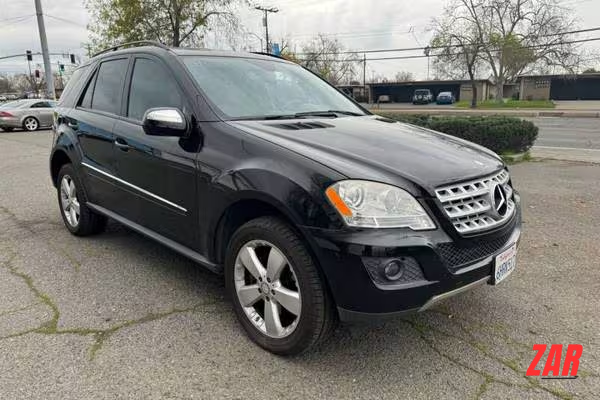
Watch-Outs & WheelZAR Pro-Tip: This is the highest-risk vehicle on the list. The golden rule is: If you cannot afford a new Mercedes, you cannot afford to fix a broken used one. Potential issues include expensive balance shaft failures on early 3.5L engines, air suspension collapses (look for units converted to standard coil springs), and water damage to the Rear SAM (Signal Acquisition Module) if the trunk seals leak during a Lagos rainstorm. Buy this only if you have a trusted, specialist German mechanic and a healthy reserve budget for maintenance.
10. The Capable Alternatives
GMC Terrain (2010–12) | Nissan Pathfinder (2009–12) | Kia Sorento (2011–16)
- Estimated Price: ₦6,000,000 – ₦10,000,000
If you are browsing live Nigerian SUV listings and struggling to find the top picks, these three offer distinct, practical advantages:
- Nissan Pathfinder: Unlike the car-based crossovers above, this era of the Pathfinder is a traditional Body-on-Frame SUV (built like a pickup truck). It has genuine off-road capability, a heavy-duty 4×4 system, and can take a serious beating on village roads. However, fuel economy is poor.
- GMC Terrain: Offers unique, boxy, aggressive American styling and surprisingly good fuel economy if you find the 4-cylinder version. However, finding American-specific body parts can be difficult if you have a fender bender outside major cities.
- Kia Sorento: Similar to the Santa Fe, local-used examples of the Sorento provide much newer model years and highly modern tech features for the budget.
WheelZAR’s Non-Negotiable Inspection Checklist
Buying a 10-to-15-year-old SUV in Nigeria requires extreme vigilance. A ₦10 million mistake is a heavy burden to bear. Do not transfer funds until you have completed these steps:
- Beware the Floods: Lagos flash floods claim hundreds of vehicles annually, and many salvaged US cars are imported cheaply. Check under the carpets for dampness, pull the seatbelts all the way out to inspect for water lines, and look for rust on the exposed metal under the dashboard.
- Bring an Independent Mechanic: Never rely on the seller’s mechanic. Pay a trusted professional ₦10k-₦20k to perform a full mechanical inspection and plug in an OBD2 scanner to check for hidden or recently cleared engine/transmission codes.
- Test the AC Under Load: A weak AC is a dealbreaker. Let the car idle with the AC on maximum for 15 minutes; if it starts blowing warm, you could be looking at a ₦200k+ compressor replacement.
- Check the Catalytic Converter: Look under the car. Car thieves frequently cut out catalytic converters from imported cars before they reach the lot. A missing “cat” causes a Check Engine Light and increases fuel consumption.
- Verify Documentation: For Tokunbo vehicles, verified Customs duty papers are mandatory. Avoid “paperless” deals at all costs—Customs will seize the vehicle on the highway.
- Budget for the Aftermath: Never spend your entire ₦10M on the purchase price. Reserve at least ₦300,000 to ₦500,000 for vehicle registration, comprehensive insurance, and a vital immediate service (engine oil, filters, proper transmission fluid, and brake pads).
The SUV market under ₦10 million is highly competitive, but by prioritizing reliability, fuel efficiency, and strict mechanical inspections, you can secure a fantastic vehicle that will serve you and your family for years to come.
Are you currently hunting for an SUV in Nigeria? Which of these models is at the top of your list? Let us know in the comments below!