Mercedes-Benz is reshaping its electric vehicle strategy by integrating fully electric models into its established vehicle ranges rather than relying exclusively on its standalone EQ lineup.
The strategic shift aims to simplify vehicle naming, strengthen brand identity and give customers more flexibility when choosing between electric and conventional powertrains.
The move reflects changing consumer preferences and increasing competition within the global luxury electric vehicle market.
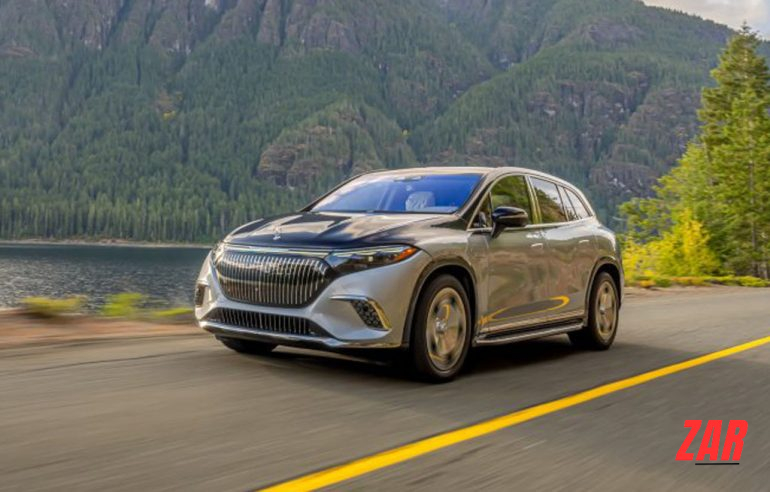
Mercedes-Benz EV Strategy Focuses on Established Models
According to a Yonhap News Agency report published on November 25, 2026, Mercedes-Benz has begun customer deliveries of its new electric GLB in South Korea, following the introduction of the electric CLA and GLC in October.
Instead of creating entirely separate model identities, Mercedes-Benz is increasingly offering electric versions of familiar vehicles.
This approach could make the transition to electric mobility easier for existing customers who prefer traditional Mercedes-Benz designs.
New Mercedes-Benz Electric Car Lineup
The latest electric models feature updated vehicle platforms, improved energy efficiency and advanced digital technology.
| Model | Driving range* |
|---|---|
| CLA 200 Electric | 342 km |
| CLA 250+ Electric | 474 km |
| GLC Electric | Up to 448 km |
| GLB Electric | Up to 435 km |
Driving ranges are based on South Korean certification standards.
The new vehicles also feature 800-volt electrical systems, fast-charging capabilities and the company’s MB.OS operating system. The Korea Times+1
Why Mercedes-Benz Is Changing Its EV Strategy
Mercedes-Benz faces increasing competition from BMW, Tesla and Chinese electric vehicle manufacturers such as BYD.
The company’s 2026 sustainability strategy update outlines a medium-term target of approximately 40% of sales coming from battery-electric and plug-in hybrid vehicles.
However, the strategy does not mean the immediate discontinuation of every EQ model. Mercedes-Benz has also confirmed updated EQS variants for the 2027 model year in its official US product lineup announcement.
What This Means for Nigerian Car Buyers
The expansion of Mercedes-Benz’s electric vehicle portfolio could eventually provide Nigerian luxury car buyers with more alternatives to conventional petrol-powered models.
However, charging infrastructure, battery maintenance and affordability remain significant challenges for the adoption of electric vehicles in Nigeria.
Competition from manufacturers offering BYD cars in Nigeria could also influence the future positioning of European luxury electric vehicles.
Mercedes-Benz has not yet confirmed Nigerian launch dates or local pricing for these new electric models.
The company’s strategic shift demonstrates that electric vehicles are increasingly becoming part of mainstream automotive portfolios rather than a separate product category.