


The launch of the locally assembled Fiat Grande Panda marks a significant milestone for Algeria’s automotive industry, strengthening domestic manufacturing and creating new opportunities for Africa’s automotive supply chain.
Stellantis has officially launched the Fiat Grande Panda in Algeria, introducing a locally assembled passenger car with a starting price of DZD 2,949,000.
Announced by Fiat El Djazair on November 23, 2026, the launch represents an important development in Algeria’s efforts to expand domestic vehicle production and reduce its dependence on imported finished cars.
The vehicle is assembled at the Tafraoui manufacturing plant near Oran, becoming Algeria’s first passenger car produced through the Completely Knocked Down (CKD) manufacturing system, according to the official Stellantis announcement.
Beyond introducing a new family car, the development highlights the growing importance of Africa as a destination for international automotive manufacturing investment.
Fiat Grande Panda Launch Marks Manufacturing Milestone for Algeria
Unlike conventional assembly operations involving partially assembled vehicles, the CKD production system allows manufacturers to undertake more complex industrial processes within the domestic market.
Vehicle components arrive separately before being assembled at the production facility.
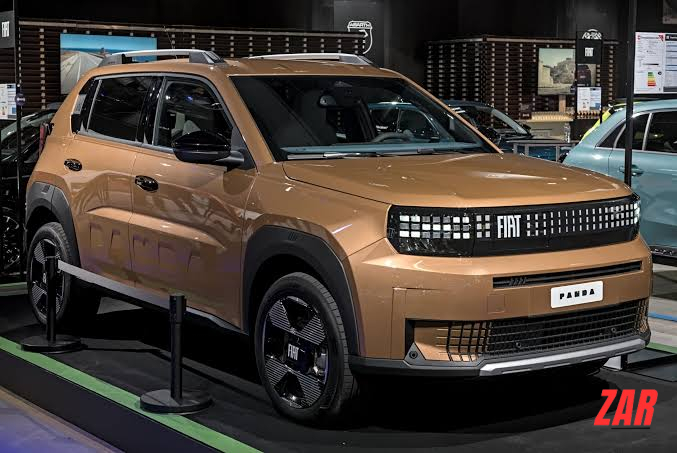
For Algeria, this approach provides opportunities to develop industrial expertise, increase domestic component sourcing and strengthen relationships between international manufacturers and local suppliers.
The Grande Panda currently achieves a local integration rate above 20 per cent.
Increasing that figure over time could allow more Algerian businesses to participate in the automotive supply chain while reducing dependence on imported components.
However, local assembly does not mean that every major vehicle component is manufactured domestically.
The long-term industrial benefits will depend on the development of competitive suppliers, workforce training and consistent manufacturing standards.
Fiat Grande Panda Price and Specifications in Algeria
Fiat has confirmed a starting price of DZD 2,949,000 for the Grande Panda in Algeria, positioning the compact vehicle as an option for families and urban motorists.
The Algerian version features a conventional petrol powertrain rather than the electric and hybrid configurations associated with the model in some international markets.
| Specification | Details |
|---|---|
| Starting price | DZD 2,949,000 |
| Engine | 1.2-litre petrol |
| Power output | 72 hp |
| Transmission | Five-speed manual |
| Seating capacity | Five passengers |
| Length | 3,990 mm |
| Width | 1,760 mm |
| Height | 1,580 mm |
| Available trims | Pop and La Prima |
| Production location | Tafraoui, Algeria |
The compact dimensions make the Grande Panda particularly suitable for urban environments, where ease of parking, manoeuvrability and everyday practicality are important considerations.
Customers can register their interest through the official Fiat Algeria website. Fiat has confirmed that registration is non-binding and that the model qualifies for consumer financing.
Fiat Grande Panda Pop and La Prima Trim Levels
The Grande Panda will be offered in two equipment configurations for Algerian customers.
Fiat Grande Panda Pop
The entry-level Pop version focuses on everyday functionality and includes a digital instrument display and wireless smartphone connectivity.
It is aimed at motorists seeking straightforward transportation without necessarily paying for additional premium equipment.
Fiat Grande Panda La Prima
The La Prima version introduces additional equipment, including 16-inch alloy wheels, roof rails, an upgraded multimedia system, LED headlights, parking assistance and smartphone integration.
The two versions will be offered in Lago Blue and Gelato White.
The separate starting prices for each trim should be checked with Fiat Algeria before making a purchasing decision.
Stellantis Expands Automotive Manufacturing Operations in Algeria
The Grande Panda launch forms part of a broader industrial expansion by Stellantis in North Africa.
In April 2026, Stellantis announced plans to expand its Tafraoui manufacturing facility, targeting annual production of 135,000 vehicles by 2028.
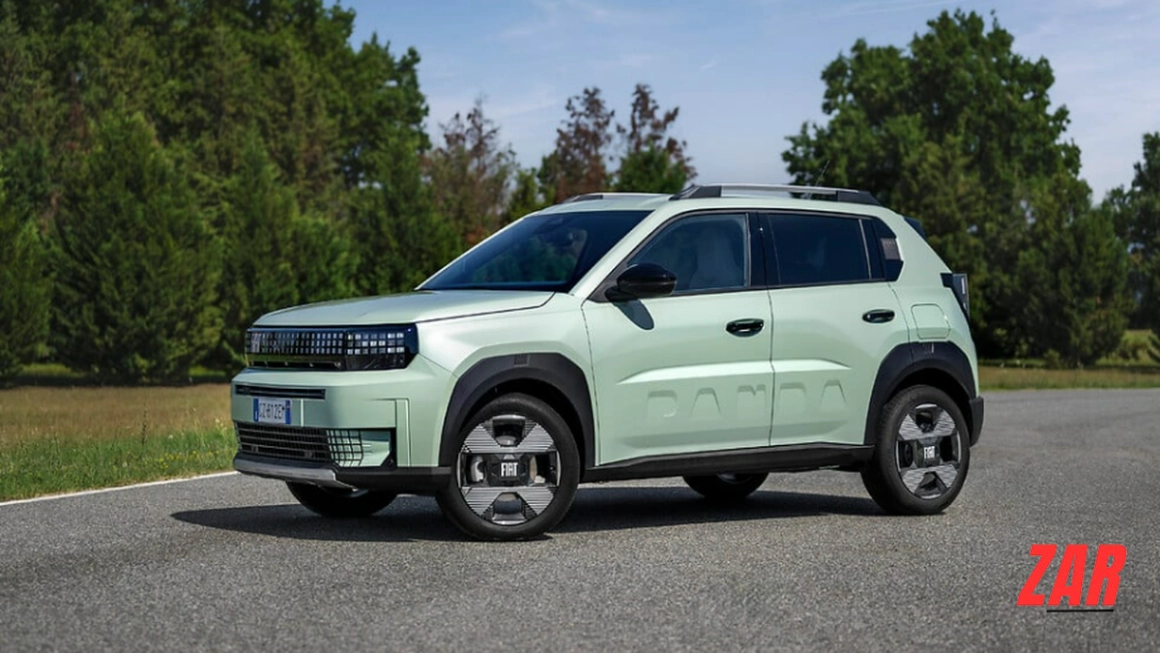
According to the company’s factory expansion announcement, production increased from 17,000 vehicles in 2024 to 53,000 in 2025.
The manufacturer is targeting 90,000 vehicles in 2026 as it continues expanding its industrial operations.
The expansion is expected to generate more than 1,000 additional direct and indirect employment opportunities.
These investments could strengthen the country’s manufacturing capabilities while creating commercial opportunities for businesses involved in automotive components, logistics, engineering and industrial services.
Nevertheless, the projected production volumes and employment figures remain targets rather than completed achievements.
What the Fiat Grande Panda Launch Means for Africa’s Automotive Industry
The development comes as several African countries are pursuing international partnerships to establish stronger domestic automotive industries.
In East Africa, Uganda recently opened a $30 million truck assembly plant with an annual capacity of 4,000 vehicles.
Meanwhile, Nigeria is pursuing similar industrial development through Yutong’s planned CNG bus assembly operations in Ibadan.
Although these projects serve different vehicle segments, they highlight a shared opportunity to increase the economic value generated by automotive activities within Africa.
For African economies, the potential benefits extend beyond vehicle assembly.
A competitive automotive manufacturing sector could support businesses producing vehicle interiors, electrical components, tyres and other industrial materials.
It could also create additional demand for technical education, engineering services and automotive maintenance.
However, building sustainable manufacturing industries requires more than attracting international carmakers. Reliable infrastructure, access to financing, competitive local suppliers and consistent government policies remain essential.
Could Nigeria Learn From Algeria’s Automotive Manufacturing Strategy?
Algeria’s approach offers important considerations for Nigeria as it seeks to strengthen its own automotive industry.
Domestic manufacturers such as Nord Automobiles are already participating in Nigeria’s vehicle assembly market.
The challenge is developing an environment in which local production can compete with imported vehicles while meeting consumers’ expectations for reliability, affordability and after-sales support.
Increasing local component sourcing could help manufacturers create more domestic economic value.
However, affordable vehicle financing and sufficient consumer demand will also be necessary to support sustainable production volumes.
The Fiat Grande Panda has not been confirmed for a Nigerian launch, and its Algerian starting price should not be interpreted as an indication of its potential retail price in Nigeria.
WheelZAR’s Verdict
The launch of the locally assembled Fiat Grande Panda represents more than the introduction of another compact passenger car.
It demonstrates how international automotive partnerships can support industrial development, technical expertise and domestic supplier participation in Africa.
For Algeria, the next major test will be increasing local content and achieving its ambitious production targets.
For Nigeria and other African countries, the development offers a useful example of how vehicle manufacturing partnerships could contribute to broader economic and industrial growth.
Whether these investments ultimately deliver more affordable vehicles and sustainable employment will depend on their long-term implementation.
WheelZAR will continue reporting on automotive manufacturing, new vehicle launches and industrial investments shaping Africa’s mobility future.

