

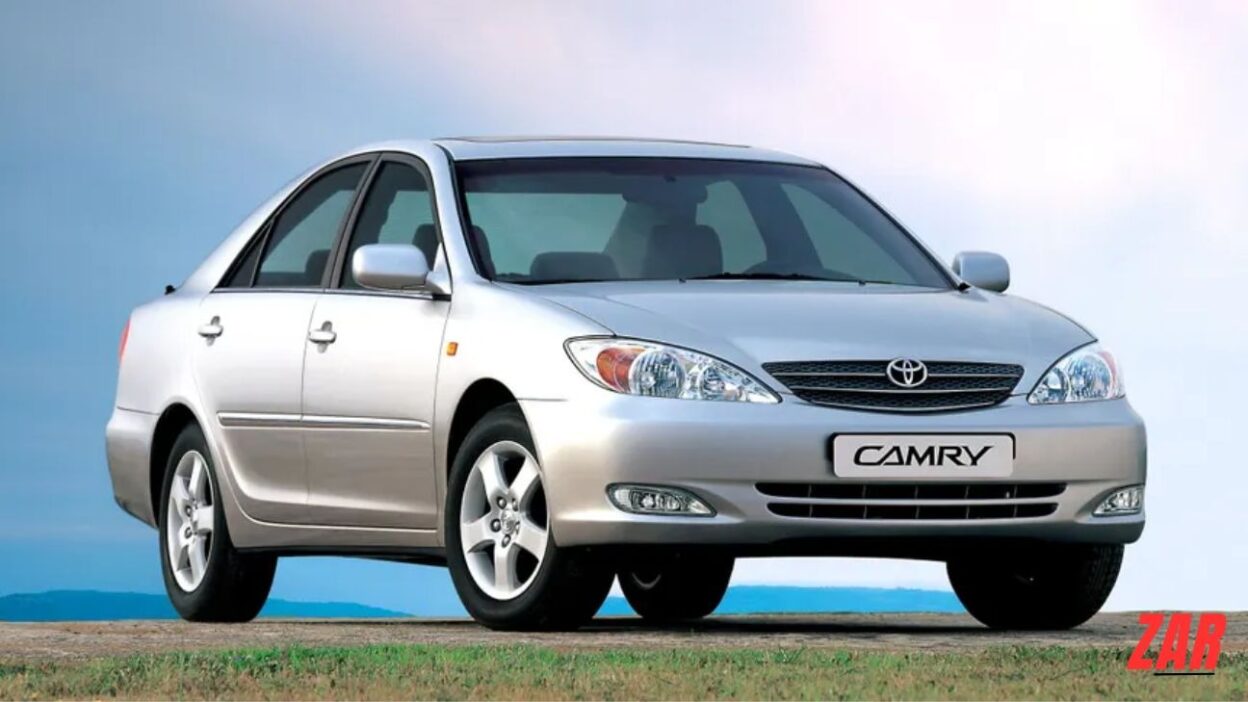
The Toyota Camry, famously known across West Africa as the “Big Daddy,” remains a cornerstone of the Nigerian automotive landscape nearly two decades after its production ceased. Emerging from the success of the previous “Pencil” Camry, the Big Daddy redefined the mid size sedan segment by offering a significantly larger footprint and a level of comfort that bridged the gap between economy and luxury. Its relevance in Nigeria is tied to its reputation for mechanical immortality; it is the preferred choice for middle class professionals, entrepreneurs, and the elite ride hailing industry. Its success is not just a result of its engineering but its perfect alignment with the Nigerian ethos of “value for money” and long term durability.
While many newer models have flooded the market, the Big Daddy maintains a balanced mix of practicality and prestige. This review covers the vehicle’s enduring appeal, from its bulky, authoritative exterior design to the spacious cabin that remains a gold standard for comfort. We will delve into its performance metrics, current market pricing in 2026, and how it navigates the unique challenges of the Nigerian environment. Whether you are looking for a reliable “Tokunbo” (foreign used) daily driver or a budget friendly Nigerian used option, this analysis provides the essential data needed to make an informed decision.
Toyota Camry “Big Daddy” (2002–2006)
The Toyota Camry Big Daddy commands a distinct road presence characterized by its “bulky” and wide set design language. Unlike the slim profile of its predecessor, this model features sweeping, teardrop shaped headlights and a prominent front grille that gives it an authoritative stance. Its body lines are smooth and aerodynamic, contributing to a timeless aesthetic that still looks respectable in modern Nigerian traffic. Available in a variety of classic colors, most notably Desert Sand Mica, Titanium Metallic, and Super White, the Big Daddy’s exterior is built for longevity.
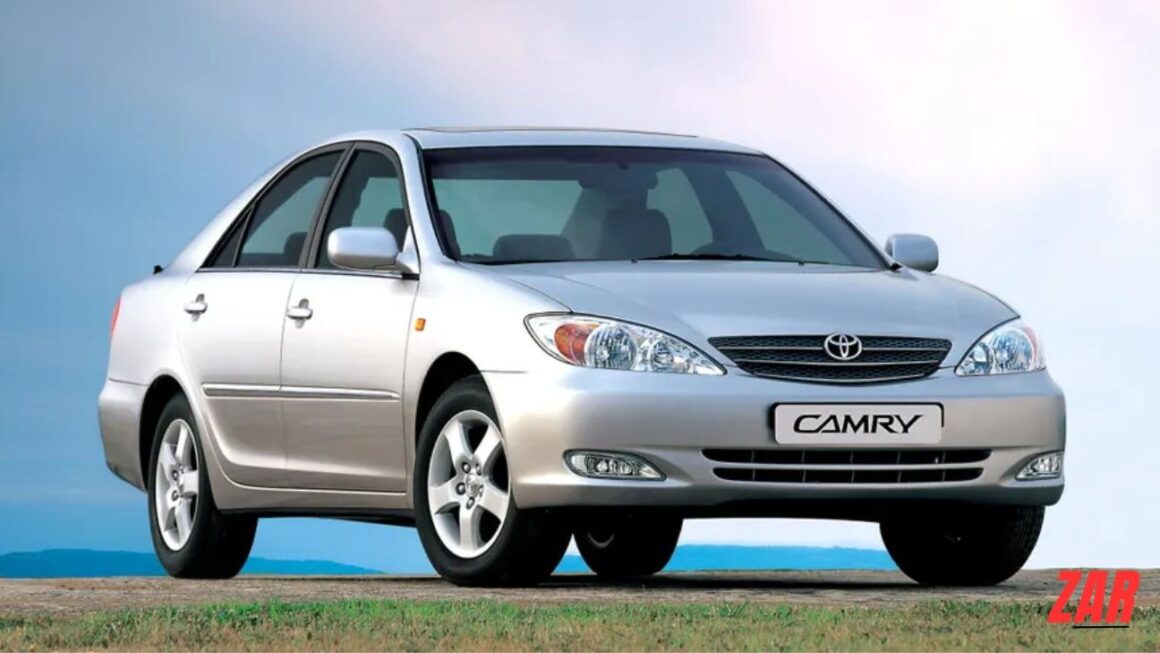
The high ground clearance of this model, especially in the LE and XLE trims, makes it instantly recognizable and highly functional for the varied terrains of Lagos and Abuja. This elevation is a critical design feature for Nigerian drivers who frequently navigate uneven road surfaces and drainage challenges. Furthermore, the car’s signature large rear lights and sturdy bumpers provide a sense of safety and robustness that Nigerian buyers find deeply appealing. It is this combination of aesthetic maturity and practical height that has ensured its continued presence on the road.
Interior Experience, Performance & Price
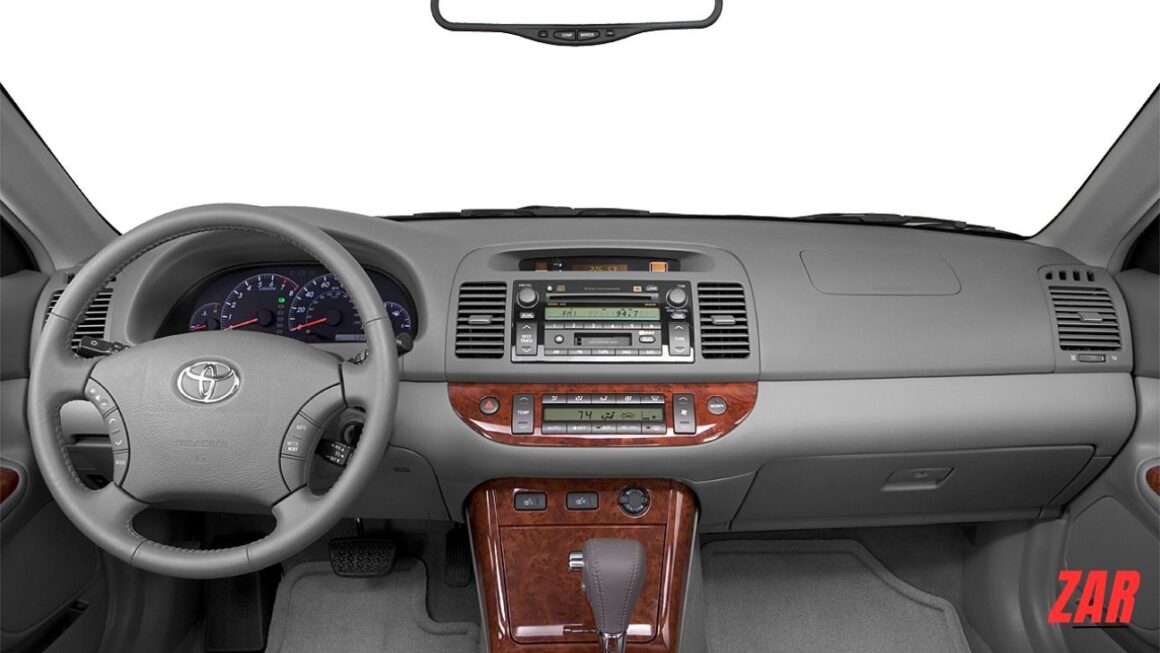
Step inside the Big Daddy, and you are greeted by a cabin designed with ergonomics and long distance comfort in mind. The interior features high quality soft touch plastics, optional wood grain accents in the XLE trim, and plush velour or leather seating. With a seating capacity for five adults, it offers class leading legroom that rivals some modern SUVs. The layout is intuitive, featuring a straightforward center console with easy to reach climate controls and an infotainment slot that is easily upgradable to modern Android head units. Connectivity in the stock version includes basic CD/FM/AM functionality, but the sheer volume of the cabin and the efficiency of the “ice cold” air conditioning system make it a sanctuary during the sweltering heat of a Lagos traffic jam.
Under the hood, the Big Daddy offers two primary engine configurations. The legendary 2.4L 4 cylinder engine produces approximately 157 horsepower and 162 lb ft of torque, mated to a smooth 4 speed or 5 speed automatic transmission. For those seeking more power, the 3.0L V6 engine delivers roughly 210 horsepower, providing a more spirited acceleration and highway cruising capability. In terms of pricing, as of 2026, a Foreign Used (Tokunbo) Big Daddy sells for between ₦6,500,000 and ₦8,500,000, while a clean Nigerian used version ranges from ₦3,500,000 to ₦5,500,000. These prices reflect the car’s high demand and its status as a reliable asset that resists rapid depreciation.
How It Fits Into the Nigerian Driving Terrain
The Toyota Camry Big Daddy is uniquely suited for the Nigerian environment due to its terrain adaptability and mechanical simplicity. In a country where road quality can range from smooth highways to unpaved rural paths, the Big Daddy’s suspension system is remarkably resilient. It handles potholes and uneven surfaces with a softness that prevents cabin rattling, a common issue in more rigid European rivals. Furthermore, its engine is designed to be tolerant of varying fuel qualities, a critical factor in regions where fuel purity can be inconsistent. Its cooling system is over engineered, ensuring the engine remains at optimal temperatures even when idling for hours in extreme tropical heat and heavy urban congestion.
Beyond its physical performance, owning a Big Daddy in Nigeria carries a significant practical advantage: maintenance accessibility. Spare parts, both new and used (half cuts), are ubiquitous in major hubs like Ladipo, Apo, and Berger. This availability drives down the cost of ownership, as virtually any qualified mechanic in the country is intimately familiar with the car’s architecture. From a social perspective, the Big Daddy is viewed as a symbol of “the sensible Nigerian”, someone who values reliability and avoids the “headaches” associated with more temperamental luxury brands. It is a car that commands respect for its utility and the wisdom of its owner’s choice, making it a staple in both residential driveways and corporate car parks.
Competitive Comparison
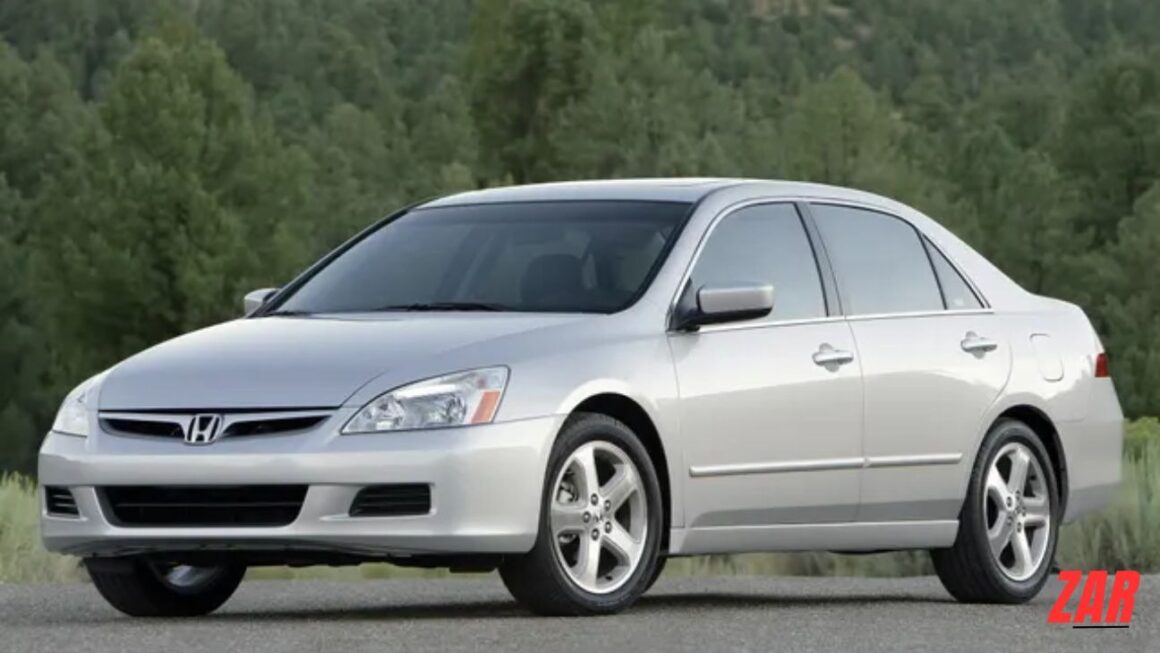
When compared to its direct rivals like the Honda Accord “End of Discussion” (2003–2007) and the Nissan Altima of the same era, the Big Daddy stands out primarily for its durability. While the Honda Accord offers a more sporty driving experience and arguably a more stylish interior, it often suffers from “ball joint” issues and transmission sensitivities that can be problematic on rougher Nigerian roads. In terms of pricing, the Big Daddy usually commands a premium over its competitors because of its higher resale value and the perceived “bulletproof” nature of its engine. Buyers are often willing to pay more for a Camry because they know the long term maintenance will likely be cheaper and less frequent than its rivals.
In terms of long term ownership, the Big Daddy remains the undisputed champion of fuel efficiency and reliability in its class. The 2.4L variant offers superior fuel economy compared to the V6 counterparts of the Nissan Maxima or the Mazda 6. Its parts are not only more available but also significantly cheaper due to the high volume of imports. While the Honda Accord might offer better handling, the Camry’s softer ride and easier to diagnose electrical systems make it a more financially sound investment for the average Nigerian driver. The resale value of a Big Daddy remains exceptionally high, often selling for nearly 70% of its purchase price even after several years of local use.
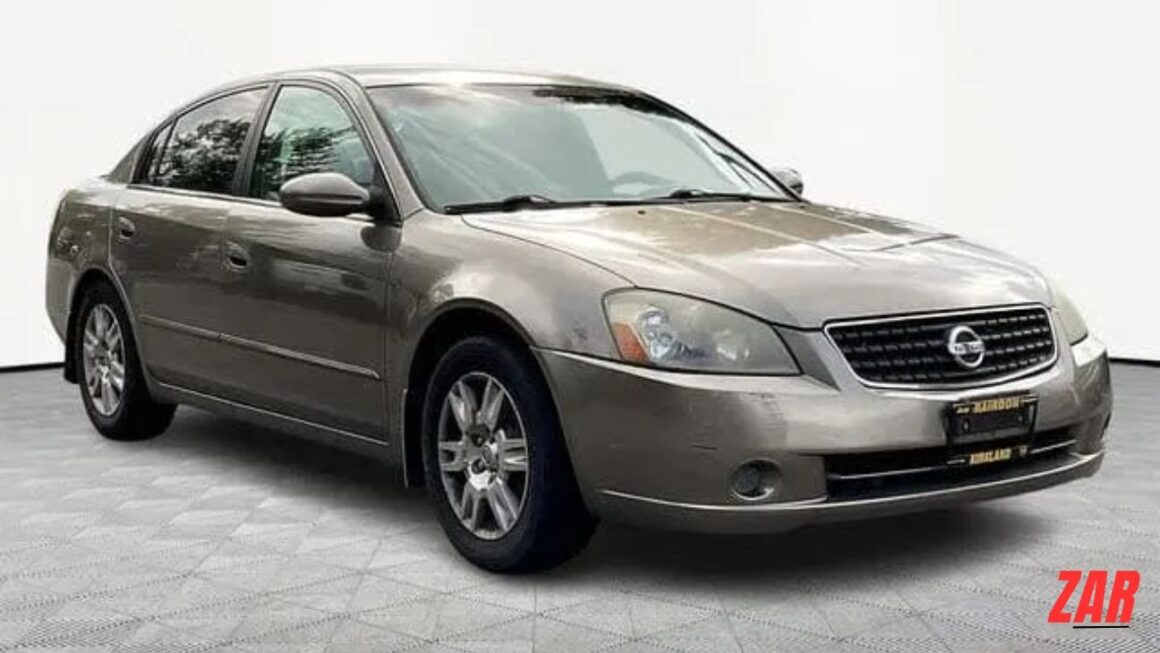
2006 Nissan Altima. Image Source – Autolist
Conclusion
The Toyota Camry “Big Daddy,” spanning the LE, SE, and XLE trims, represents a masterclass in automotive practicality. It does not aim to be a supercar or a luxury limousine; instead, it excels as a dependable, stress-free companion. Key strengths include its spacious interior, highly effective air conditioning suited for the African climate, and a proven engine known for durability.
More than just a car, the Camry Big Daddy has become a cultural benchmark in Nigeria, reflecting values of stability, family comfort, and long-term financial wisdom.


