

If you are searching for the Toyota Camry 2013 price in Nigeria, you are probably looking for a comfortable used car that can handle Nigerian roads without turning every trip to the mechanic into a family meeting. The 2013 Camry remains popular because it combines a spacious cabin, comfortable ride, strong engine options and widely available spare parts. Based on the September 2026 market figures used for this guide, a Nigerian-used 2013 Toyota Camry typically sells for around ₦7 million to ₦11 million, while Foreign Used or Tokunbo examples can cost approximately ₦10 million to ₦15.5 million.
The actual amount you pay will depend on mileage, condition, trim, engine, accident history, documentation and maintenance history. A clean, low-mileage Tokunbo or higher-trim example can reach ₦14 million to ₦16 million.
Toyota Camry 2013 Price in Nigeria
The Toyota Camry 2013 price in Nigeria varies considerably because there is no single fixed price for every example. Two 2013 Camrys can look almost identical in pictures but have completely different mechanical conditions.
For Nigerian-used models, the current market range supplied for this guide is ₦7 million to ₦11 million, with typical asking prices around ₦8.5 million to ₦10 million. These cars have already spent time on Nigerian roads, so their condition matters more than the badge or model year alone.

Foreign Used or Tokunbo 2013 Camrys are generally listed between ₦10 million and ₦15.5 million, with typical asking prices around ₦12 million to ₦14 million. Very clean, low-mileage examples and higher trims can reach approximately ₦14 million to ₦16 million.
The supplied market figures put the typical average range around ₦9.8 million to ₦12.5 million. However, treat these figures as market guidance rather than a guaranteed national price because individual dealers and private sellers can price the same vehicle differently.
Lagos and Abuja listings can also be more expensive, particularly for clean Tokunbo cars. Mileage, service history, accident history, interior condition, tyres, suspension, air conditioning and documentation can all affect the final price.
2013 Toyota Camry Specifications
The 2013 Camry belongs to the seventh-generation Camry introduced for the 2012 model year. Toyota offered the petrol version with a 2.5-litre four-cylinder engine and a 3.5-litre V6, while a hybrid version was also available in some markets.
According to Toyota’s official 2013 Camry specifications, the 2.5-litre four-cylinder produces 178 horsepower, while the 3.5-litre V6 produces 268 horsepower. The petrol versions use a six-speed automatic transmission.
For most Nigerian buyers, the 2.5-litre four-cylinder is the version you will encounter most often. It provides enough power for everyday driving while generally using less fuel than the V6.
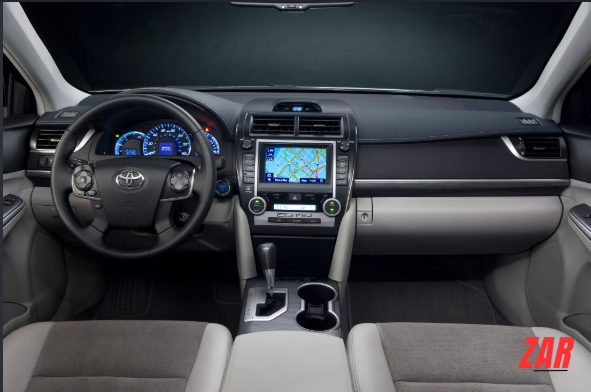
The 2013 Camry is a five-seat midsize sedan with front-wheel drive. Its large cabin makes it suitable for families, business use and long-distance travel. The boot also provides useful luggage space, which becomes important when the car is being used for inter-state trips.
Toyota offered different trims, including L, LE, SE and XLE in the US market. The four-cylinder was available on the L and LE, while the SE and XLE could be equipped with either the four-cylinder or V6. Toyota also introduced interior and technology improvements for the 2013 model year, including a standard Display Audio screen on the Camry L.
2013 Toyota Camry Fuel Economy in Nigeria
Fuel consumption is one of the first things Nigerian buyers should consider before buying a Camry. The 2.5-litre engine is more economical than the V6, but your actual fuel consumption will depend on traffic, driving habits, air-conditioning use, road conditions and the mechanical condition of the car.
For typical Nigerian driving conditions, a well-maintained 2.5-litre Camry can reasonably deliver around 8–10.5 km/L in city driving, approximately 12–14.5 km/L on the highway, and around 10–12.5 km/L combined.
The 3.5-litre V6 generally consumes more fuel. Real-world Nigerian figures can be around 6–8 km/L in city driving, 10–12 km/L on the highway, and approximately 8–10 km/L combined.
Toyota’s original US EPA figures were different because they were measured under controlled testing conditions. Toyota rated the 2.5-litre version at 25 mpg city and 35 mpg highway, while the V6 was rated at 21 mpg city and 31 mpg highway.
This is why you should not assume that an advertised EPA figure will be identical to what you see when driving around Lagos, Abuja, Ibadan or Port Harcourt traffic.
2013 Toyota Camry Review: Is It Good for Nigeria?
The 2013 Camry offers the kind of driving experience many Nigerian buyers expect from a midsize sedan. The cabin is spacious, the ride is comfortable and the car feels more substantial than smaller models such as the Corolla.
The 2.5-litre engine produces 178 horsepower, which is enough for normal city driving and highway trips. If you frequently travel long distances between cities, the Camry’s comfortable cabin and stable highway behaviour can make those journeys less tiring.
Toyota also made several interior improvements for the 2013 model year. The company added Display Audio to the base Camry L, while the gasoline range continued with L, LE, XLE and SE grades. The SE and XLE were available with the more powerful V6.
However, the biggest thing to remember is that you are buying a 2013 vehicle in 2026. That means the individual condition of the car can be more important than the model’s original reputation. A neglected Camry with low mileage can still give you headaches, while a properly maintained high-mileage example may perform well.
Safety is another area worth checking. According to the IIHS 2013 Toyota Camry safety rating, the Camry received a Top Safety Pick designation, with Good ratings in several major crashworthiness tests. However, the driver-side small-overlap front test received a Poor rating for 2012–2014 Camrys built before January 2014.
Common Problems With the 2013 Toyota Camry
Like any older used car, the 2013 Camry can develop problems as mileage and age increase. The important thing is not to assume every Camry has the same faults.
Suspension wear is something Nigerian buyers should pay particular attention to. Bad roads, potholes and years of driving can affect bushes, shocks, links and other suspension components. During a test drive, listen for unusual knocking sounds and pay attention to how the vehicle behaves over rough surfaces.
Oil leaks can also appear on higher-mileage examples. Before buying, inspect around the engine for signs of leakage and ask for evidence of previous servicing.
Transmission behaviour is another area worth checking. A properly maintained automatic transmission should shift smoothly. Hesitation, harsh engagement, unusual noises or delayed shifts deserve further inspection before you complete the purchase.
The air-conditioning system should also be tested properly. Do not simply turn the AC on for 30 seconds and declare everything perfect. Let it run and check whether it produces consistently cold air, especially when the vehicle is idling.
Electrical issues can also occur on older or poorly maintained units. Test the lights, windows, dashboard functions, audio system, central locking and other electrical equipment before making an offer.
It is also worth checking the vehicle’s recall history. The NHTSA recalls database allows buyers to search for safety recalls and related vehicle information. A recall record does not automatically mean a car is unsafe, but it can tell you whether particular work needs to be verified.
Nigerian Used vs Tokunbo 2013 Camry
The choice between Nigerian-used and Tokunbo depends largely on the specific car rather than the label alone.
A Nigerian-used Camry may cost less initially, with typical prices around ₦8.5 million to ₦10 million based on the market figures for this guide. However, you need to investigate how the vehicle was used and maintained in Nigeria.
A Tokunbo example may command around ₦12 million to ₦14 million for a typical clean unit, while exceptional examples can cost more. However, being Tokunbo does not automatically mean the vehicle has never been involved in an accident, flood or other damage. The car’s history still needs to be checked.
This is where inspection becomes extremely important. A mechanic should examine the engine, transmission, suspension, underbody, electrical system and cooling system before money changes hands.
What to Check Before Buying a 2013 Camry in Nigeria
Before paying for a 2013 Camry, verify the VIN and compare it with the vehicle’s documentation. Check the ownership documents and customs documentation where applicable.
The Nigeria Customs Service provides official customs and trade information through its website, making it a useful reference when checking import-related documentation. Do not rely solely on a seller’s verbal confirmation that the vehicle has cleared customs.
Next, inspect the car mechanically. Do not rely solely on a dealer’s statement that the vehicle is “foreign used” or “very clean”. Get an independent inspection and, where possible, scan the vehicle electronically for fault codes.
The suspension and underbody deserve particular attention if the vehicle has spent years on Nigerian roads. Check for leaks, damaged components, uneven tyre wear and signs of previous repairs.
The transmission should shift smoothly during both gentle and harder acceleration. Also test reverse gear, air conditioning and other electrical features.
Finally, check the mileage against the overall condition of the vehicle. A very low mileage figure on an older car should not automatically be treated as a bargain. Look at the steering wheel, pedals, driver’s seat, door controls and service records to see whether they tell the same story.
2.5L or 3.5L V6: Which Engine Should You Consider?
The 2.5-litre four-cylinder will appeal to buyers who want a balance between performance and running costs. With 178 horsepower and a six-speed automatic, it has enough power for everyday Nigerian driving without the higher fuel demands associated with the V6.
The 3.5-litre V6 produces 268 horsepower and offers considerably more power when accelerating. It can suit buyers who prioritise performance, but fuel consumption is generally higher.
For someone buying a Camry mainly for commuting, family use and long-distance travel, the 2.5-litre version provides a practical option. The final decision should still be based on the condition, service history and inspection results of the particular vehicle.
2013 Toyota Camry Pros and Cons in Nigeria
The main advantages are its spacious cabin, comfortable ride, strong engine options, availability of spare parts and familiarity among Nigerian mechanics. It is also suitable for both urban driving and longer journeys.
The disadvantages include higher fuel consumption compared with smaller cars, potential suspension wear from Nigerian roads, age-related maintenance and the possibility of buying a poorly maintained example.
The 2013 Camry is now more than a decade old, so buyers should budget for preventive maintenance rather than assuming the purchase price is the only expense.
Final Thoughts on the Toyota Camry 2013 Price in Nigeria
The Toyota Camry 2013 price in Nigeria currently sits around ₦7 million to ₦11 million for Nigerian-used examples and approximately ₦10 million to ₦15.5 million for Foreign Used or Tokunbo models, based on the September 2026 market figures used for this guide.
Typical clean Nigerian-used examples fall around ₦8.5 million to ₦10 million, while many clean Tokunbo units are around ₦12 million to ₦14 million. Low-mileage examples and higher trims can reach ₦14 million to ₦16 million.
If you are shopping for one, do not buy based on price alone. Check the engine, transmission, suspension, AC, electrical systems, mileage, VIN and documentation before making the final payment. A properly inspected 2013 Camry can still provide the comfort and practicality expected from a midsize Toyota, but the condition of the individual car should always determine whether the asking price makes sense.