

Fuel economy has become one of the biggest factors Nigerian drivers consider when buying a car in 2026. With fuel prices, maintenance costs, and daily transportation expenses increasing, choosing a vehicle that consumes less fuel can save hundreds of thousands of naira every year.
For drivers in major cities such as Lagos, Abuja, and Port Harcourt, fuel efficiency is no longer just about saving money. It also affects convenience, vehicle ownership costs, and long-term value. A car that spends less time at fuel stations and delivers more kilometres per litre provides a major advantage for daily commuting.
While newer vehicles continue to introduce improved fuel-saving technologies, many Nigerian buyers still prefer reliable tokunbo (foreign-used) Japanese models because they offer excellent real-world fuel economy, affordable maintenance, and strong resale value.
The best fuel-efficient cars in Nigeria in 2026 are mostly compact sedans and practical SUVs that combine efficient engines with proven reliability. Models such as the Honda Civic, Toyota Corolla, Hyundai Tucson, Toyota Camry, and Honda CR-V remain popular because they perform well under Nigerian driving conditions.
This guide covers the cars with the best fuel economy in Nigeria in 2026, their estimated prices, real-world fuel consumption, advantages, and what buyers should check before purchasing.
Why Fuel Economy Matters More Than Ever in Nigeria
Fuel expenses are one of the biggest running costs for Nigerian car owners. A vehicle that consumes excessive fuel can significantly increase monthly transportation expenses, especially for people who drive daily for work, business, school runs, or long-distance travel.
City driving conditions also affect fuel consumption. Traffic congestion in Lagos, Abuja, and other major cities means vehicles often spend long periods idling or moving slowly. A fuel-efficient engine helps reduce waste during these situations.
However, fuel economy is not only about engine size. Vehicle weight, driving style, maintenance condition, tyre pressure, transmission type, and engine health all influence fuel consumption.
A well-maintained Toyota Corolla, for example, can deliver better fuel economy than a neglected smaller vehicle because the engine, sensors, tyres, and transmission are working properly.
Before buying a fuel-efficient vehicle, buyers should consider the complete ownership cost, including servicing, spare parts, battery replacement, and repairs. Maintaining a vehicle properly is essential for keeping fuel consumption low. Nigerian drivers can also learn more about vehicle maintenance through WheelZAR’s car maintenance resources.
Honda Civic
The Honda Civic remains one of the best cars with fuel economy in Nigeria because of its excellent mileage, reliable engine performance, and enjoyable driving experience.
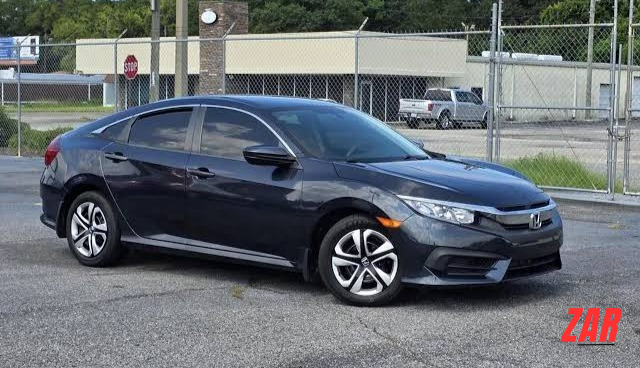
The Civic has built a strong reputation globally for combining efficiency with good handling. Its lightweight design and efficient engines allow it to deliver impressive fuel consumption while still providing enough power for everyday driving.
In Nigerian conditions, a well-maintained Honda Civic can achieve approximately 19–22 km/litre, depending on the model year, engine type, traffic conditions, and driving habits.
A tokunbo Honda Civic usually costs between ₦9 million and ₦16 million in 2026, depending on year, condition, and market demand.
One major advantage of the Civic is that it offers excellent fuel savings without feeling boring to drive. It provides comfortable seating, modern features, and responsive handling.
For drivers who want the best combination of fuel economy and driving enjoyment, the Honda Civic remains one of the strongest options.
Buyers can also check official Honda vehicle specifications and technology information when comparing different Civic models before purchase.
Toyota Corolla
The Toyota Corolla remains one of the most popular vehicles in Nigeria because it offers a combination that few cars can match: excellent fuel economy, affordable maintenance, and strong resale value.
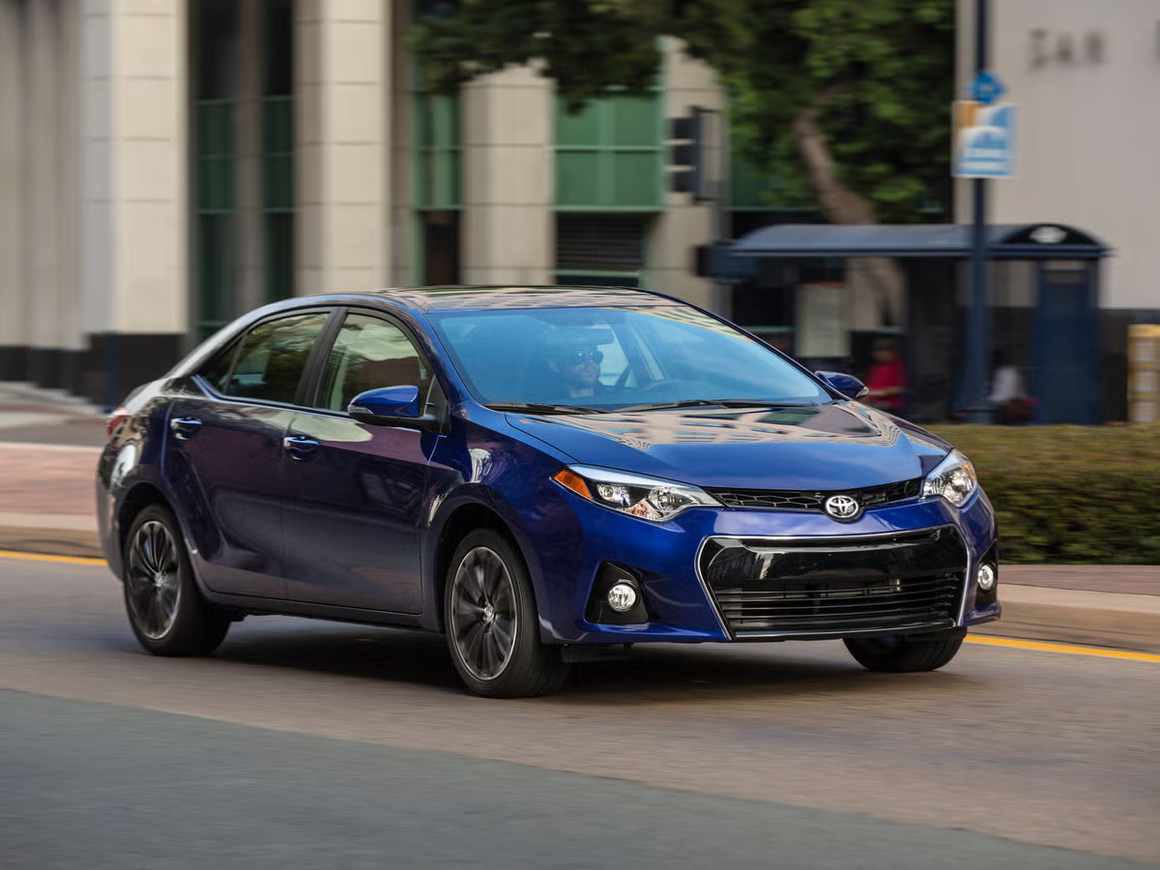
Although the Honda Civic slightly leads in fuel efficiency, the Corolla remains the preferred choice for many Nigerian drivers because of its easier maintenance and widespread availability of parts.
A well-maintained Toyota Corolla can achieve approximately 18–20 km/litre in real-world Nigerian driving conditions.
Tokunbo Toyota Corolla models typically cost between ₦8 million and ₦15 million in 2026, depending on year, mileage, and condition.
The Corolla’s biggest advantage is ownership simplicity. Mechanics across Nigeria understand the vehicle, spare parts are easy to find, and repair costs are generally predictable.
For many Nigerians, saving fuel is important, but avoiding expensive repairs is equally important. This is why the Corolla remains one of the strongest fuel-efficient choices.
Toyota’s reputation for reliability has made the Corolla a global favourite. Buyers can compare official Toyota vehicle specifications when selecting different models.
Hyundai Tucson and Creta: Fuel-Efficient SUVs With Modern Features
Many Nigerian buyers want SUV comfort but do not want the high fuel consumption associated with larger vehicles. Hyundai Tucson and Hyundai Creta provide a practical solution.
These SUVs offer higher driving positions, comfortable interiors, modern safety features, and reasonable fuel economy.
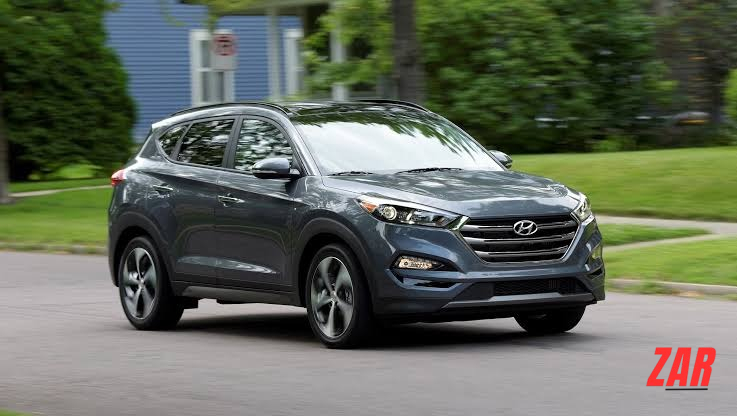
A Hyundai Tucson or Creta can achieve approximately 15–18 km/litre depending on the model, engine condition, and driving environment.
Tokunbo prices usually range between ₦10 million and ₦18 million.
The biggest advantage of these vehicles is value. Buyers get SUV practicality, modern technology, and good fuel economy without paying the much higher prices associated with premium SUVs.
They are suitable for Nigerian drivers who need additional road clearance for rainy seasons but still want to control fuel expenses.
However, buyers should ensure they have access to reliable mechanics and genuine spare parts before purchasing.
Toyota Camry
The Toyota Camry is usually associated with comfort and reliability, but it also provides respectable fuel economy compared with larger vehicles.
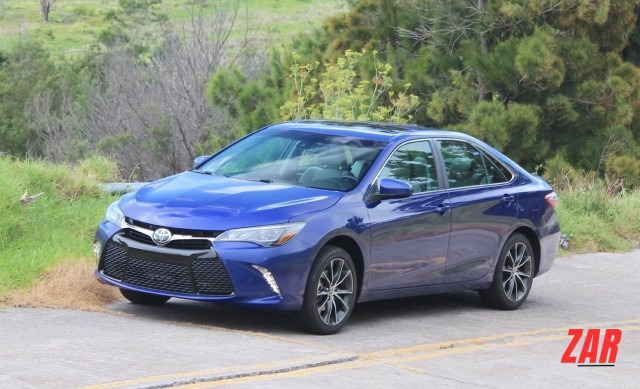
The Camry is popular among Nigerian professionals because it offers a smooth driving experience, spacious interior, and strong performance for both city driving and long-distance travel.
A well-maintained Toyota Camry can achieve around 16–18 km/litre.
Tokunbo Toyota Camry models typically cost between ₦12 million and ₦22 million depending on year and condition.
Although it consumes slightly more fuel than smaller sedans such as the Civic and Corolla, many buyers choose the Camry because of the additional comfort and space.
It is particularly suitable for drivers who frequently travel between cities and want a vehicle that remains comfortable on highways.
Buyers comparing popular Nigerian sedan options can also review this Toyota Camry versus Honda Accord comparison before making a decision.
Honda CR-V
The Honda CR-V is one of the best fuel-efficient SUVs available for Nigerian families.
Many SUVs consume significantly more fuel than sedans, but the CR-V provides a good balance between space, comfort, and efficiency.
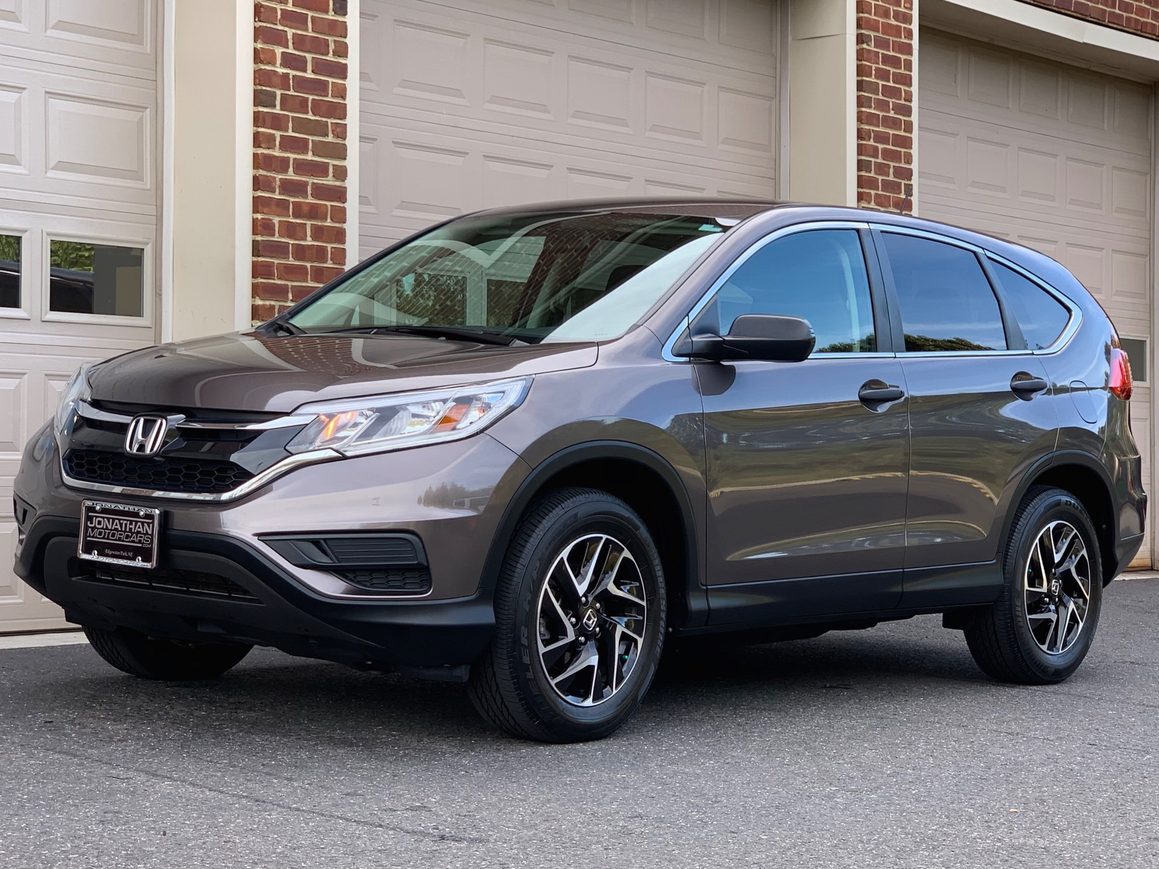
A well-maintained Honda CR-V can achieve approximately 14–17 km/litre in real-world driving.
Tokunbo Honda CR-V models usually cost between ₦18 million and ₦30 million.
The CR-V is especially attractive for families because it offers more space than sedans while maintaining reasonable fuel consumption.
It provides higher ground clearance, making it suitable for Nigerian roads during rainy seasons, while still remaining economical enough for everyday use.
Best Fuel-Efficient Cars Based on Different Needs
For drivers who want the absolute best fuel savings, the Honda Civic remains one of the strongest choices because of its excellent mileage.
For the best overall ownership experience, the Toyota Corolla is difficult to beat because it combines fuel economy with low maintenance costs and strong resale value.
families who need space, the Honda CR-V and Hyundai Tucson provide practical SUV options without excessive fuel consumption.
For drivers who travel long distances, the Toyota Camry offers comfort, stability, and reasonable fuel efficiency.
For buyers with a budget below ₦12 million, options such as the Toyota Corolla, Honda Civic, and some Hyundai models provide excellent value.
Tokunbo vs New Cars: Fuel Economy Comparison in 2026
Many Nigerian buyers assume that newer vehicles automatically provide better fuel economy. While modern vehicles often include improved technology, the difference is not always large enough to justify the much higher purchase price.
Tokunbo Japanese vehicles from 2015–2020 remain popular because they combine proven engine technology with affordable ownership costs.
New vehicles may offer advanced hybrid systems and newer features, but higher purchase prices, expensive parts, and depreciation can reduce their overall value.
For many Nigerian buyers, a properly inspected foreign-used Honda or Toyota remains a smarter financial decision.
What to Check Before Buying a Fuel-Efficient Car
Buying a fuel-efficient vehicle requires more than choosing a model known for good mileage. The condition of the specific vehicle matters greatly.
Before purchasing, buyers should inspect the engine condition, transmission performance, service history, mileage accuracy, and electrical systems.
A damaged oxygen sensor, poor fuel injectors, worn tyres, or neglected maintenance can significantly reduce fuel economy.
Tyre condition is especially important because underinflated or damaged tyres increase fuel consumption.
The vehicle’s air conditioning system should also be checked because many Nigerian drivers rely heavily on AC due to the climate.
Buyers should also verify vehicle history and avoid cars with flood damage or serious accident repairs.
Using a professional inspection service and checking safety information through sources such as vehicle safety ratings and crash test information can help buyers make better decisions.
How to Maximise Fuel Economy in Nigeria
Even the most fuel-efficient car can consume more fuel if it is poorly maintained.
Regular oil changes, proper tyre inflation, clean air filters, and timely servicing all help maintain good mileage.
Drivers should also avoid aggressive acceleration, unnecessary idling, and carrying excessive weight in the vehicle.
Traffic planning can also improve fuel savings. Avoiding peak congestion where possible reduces fuel wasted during long periods of slow movement.
Maintaining a healthy battery and charging system is also important because electrical problems can affect vehicle performance. Understanding the best car battery options in Nigeria can help prevent starting and electrical issues that affect vehicle reliability.
Final Recommendation
The best fuel-efficient cars in Nigeria in 2026 are vehicles that combine excellent mileage with reliability and affordable maintenance.
The Honda Civic remains one of the strongest choices for maximum fuel savings, while the Toyota Corolla provides the best overall balance between fuel economy, reliability, and resale value.
For buyers who need SUV practicality, the Hyundai Tucson, Hyundai Creta, and Honda CR-V provide efficient alternatives.
The Toyota Camry remains ideal for drivers who want comfort and long-distance capability without excessive fuel consumption.
Ultimately, the best fuel-efficient car is not only the one with the highest kilometres per litre. It is the vehicle that delivers consistent performance, affordable maintenance, and long-term ownership value in Nigerian conditions.