


Ride-hailing has become one of the most popular ways Nigerians earn income with their vehicles. In cities like Lagos, Abuja, Port Harcourt, and Ibadan, thousands of drivers use platforms such as Bolt and inDrive to generate daily income.
For drivers, choosing the right car is not just about buying a vehicle that looks good. The car must be affordable to maintain, fuel-efficient, reliable in traffic, comfortable for passengers, and capable of handling long hours on Nigerian roads.
Unlike personal-use vehicles, ride-hailing cars experience much higher mileage. A Bolt or inDrive driver may spend several hours daily driving through heavy traffic, carrying different passengers, and covering hundreds of kilometres every week. Because of this, fuel economy, spare parts availability, durability, and resale value become extremely important.
In 2026, sedans continue to dominate the Nigerian ride-hailing market because they offer the best balance between operating costs and passenger comfort. Models such as the Toyota Corolla, Honda Civic, Toyota Camry, Toyota Avensis, Nissan Sentra, Kia Rio, and Hyundai Elantra remain popular choices among drivers.
This guide covers the best cars for Bolt and inDrive drivers in Nigeria in 2026, their estimated prices, fuel economy, and why they are preferred by professional drivers.
What Makes a Good Bolt or inDrive Car in Nigeria?
A ride-hailing vehicle has different requirements compared with a normal personal car. A driver’s income depends heavily on keeping operating costs low while maximising daily trips.
Fuel consumption is one of the biggest factors. Since drivers spend most of the day on the road, a vehicle that consumes too much fuel can reduce daily profits significantly. Cars with fuel economy between 17 km/l and 22 km/l are highly attractive because they help drivers keep more of their earnings.
Maintenance cost is another important consideration. Ride-hailing vehicles experience more wear and tear because of constant driving. A car with expensive parts or limited mechanic availability can quickly become a financial burden.
Reliability is equally important. A vehicle that frequently breaks down means lost working days and lost income. This is why Toyota and Honda models remain dominant among Nigerian ride-hailing drivers.
Passenger comfort also matters. Drivers need vehicles with enough rear-seat space, a comfortable suspension system, and a clean interior because passenger ratings can affect performance on ride-hailing platforms.
For drivers who want to reduce unexpected repair expenses, regular maintenance is essential. Understanding common repairs, servicing schedules, and replacement costs through WheelZAR’s car maintenance resources can help drivers keep their vehicles profitable.
Toyota Corolla
The Toyota Corolla remains the most common car used for Bolt and inDrive operations in Nigeria.
Across Lagos, Abuja, and Port Harcourt, the Corolla has become almost synonymous with ride-hailing because it offers everything drivers need: reliability, fuel efficiency, affordable repairs, and strong resale value.
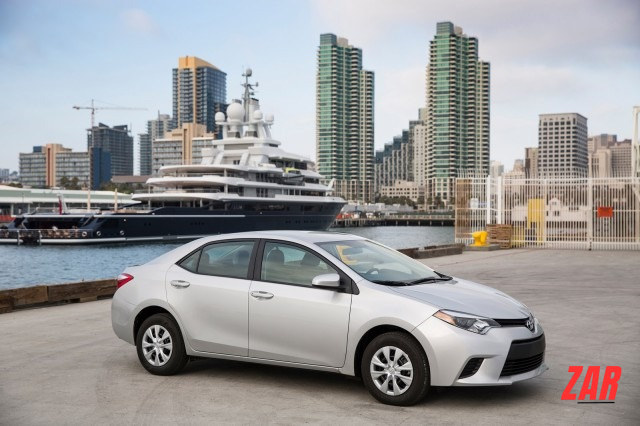
Older Corolla models, especially those from around 2008 to 2015, are extremely popular because they are affordable to buy and maintain. They can handle Nigerian roads, tolerate long working hours, and have spare parts available almost everywhere.
A tokunbo Toyota Corolla usually costs around ₦8 million to ₦15 million depending on the model year, condition, and mileage.
Fuel economy is one of its biggest advantages. A properly maintained Corolla can deliver around 18–20 km/litre, making it suitable for drivers who spend many hours daily on the road.
The Corolla also provides enough passenger space and boot capacity for airport trips, business passengers, and everyday rides.
For most new Bolt or inDrive drivers in Nigeria, the Toyota Corolla remains the safest investment.
Honda Civic
The Honda Civic is another popular choice among ride-hailing drivers, especially those who prioritise fuel economy.
The Civic is known for efficient engines, good handling, and reliable performance. Many younger drivers prefer it because it offers excellent mileage while still providing a comfortable driving experience.
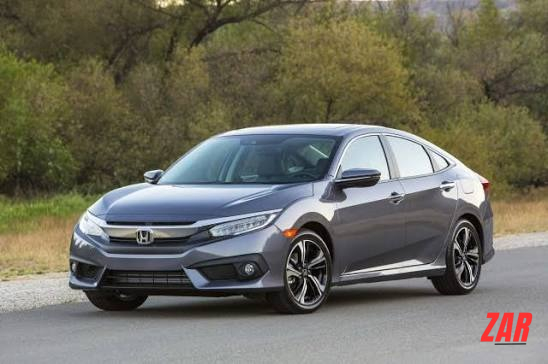
A tokunbo Honda Civic usually costs between ₦9 million and ₦16 million in Nigeria.
Real-world fuel economy is approximately 19–22 km/litre, making it one of the most fuel-efficient cars commonly used for Bolt and inDrive.
The Civic’s lower fuel consumption can make a significant difference for drivers covering long distances every week. Over several months, the fuel savings can become substantial.
However, drivers should ensure they have access to reliable Honda mechanics because some parts may cost slightly more than equivalent Toyota components.
Honda’s official vehicle information can help buyers compare different Civic generations and specifications before purchasing through.
Toyota Camry
The Toyota Camry is a popular choice among drivers who want more passenger comfort and a smoother driving experience.
Compared with smaller sedans, the Camry offers more interior space, a larger boot, and a more comfortable ride. This makes it suitable for airport trips, longer journeys, and passengers who prefer additional comfort.
A tokunbo Toyota Camry usually costs between ₦12 million and ₦22 million depending on the year and condition.
Fuel economy is around 16–18 km/litre, which is slightly lower than Corolla and Civic models, but many drivers accept this because of the extra comfort.
The Camry is especially popular among drivers who target higher-value passengers and longer-distance trips.
Toyota’s official vehicle information can also help buyers understand different models and specifications before choosing a vehicle.
Toyota Avensis
The Toyota Avensis remains a practical option for drivers looking for a reliable but affordable ride-hailing vehicle.
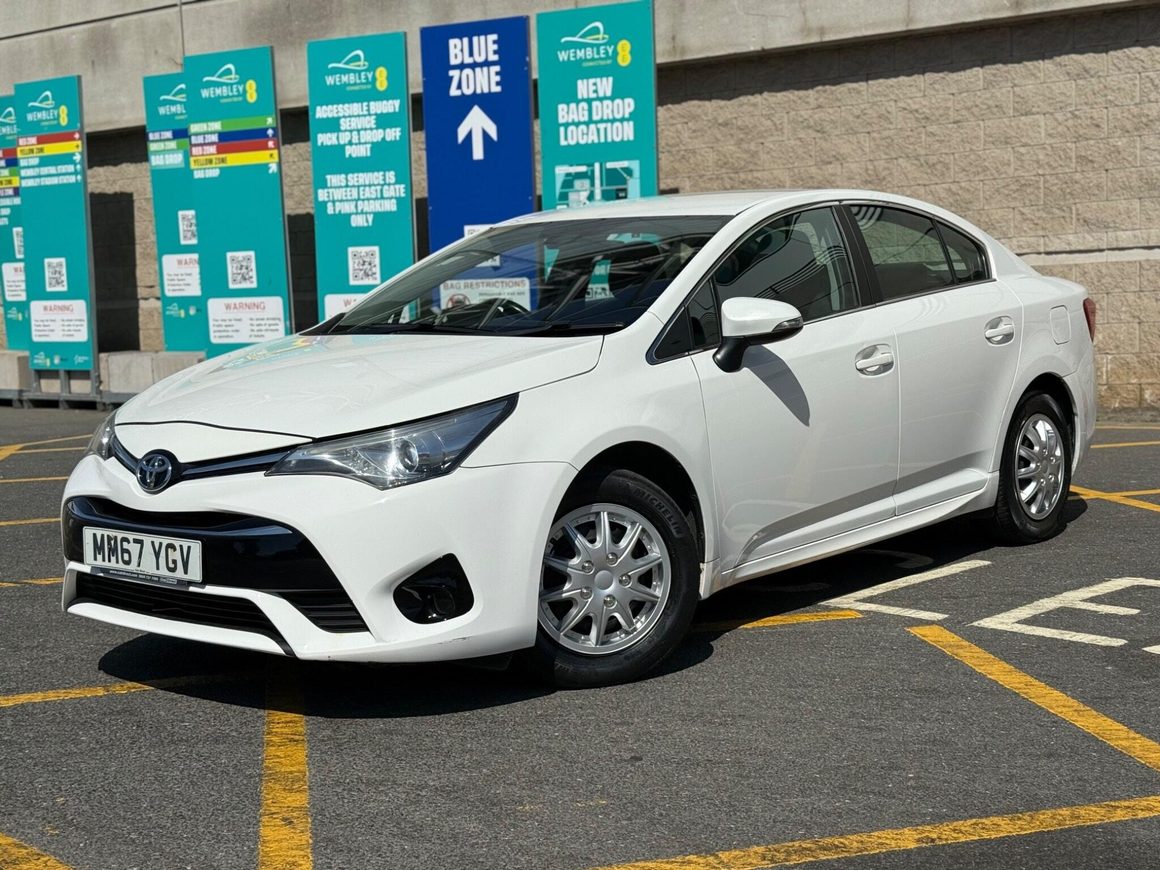
Although it is older and less common than the Corolla, many Nigerian drivers still use the Avensis because it provides comfort, durability, and reasonable running costs.
A tokunbo Toyota Avensis typically costs between ₦10 million and ₦18 million.
Fuel economy usually falls around 17–19 km/litre.
The Avensis is particularly attractive for drivers who want a Toyota vehicle but cannot afford newer Corolla models.
Its spacious interior also makes it comfortable for passengers.
Nissan Sentra
The Nissan Sentra is another affordable sedan choice for Bolt and inDrive drivers.
It provides reasonable fuel economy, comfortable seating, and lower purchase costs compared with some Toyota and Honda alternatives.
A tokunbo Nissan Sentra usually costs around ₦8 million to ₦14 million.
Fuel economy is approximately 18–20 km/litre.
The Sentra is suitable for drivers who want a reliable sedan without spending too much upfront.
However, buyers should inspect carefully before purchasing because maintenance quality depends heavily on the specific vehicle condition.
Mazda 3
The Mazda 3 offers a combination of efficiency, handling, and modern styling.
While not as common as Toyota models in Nigeria, it remains attractive to drivers who want something different.
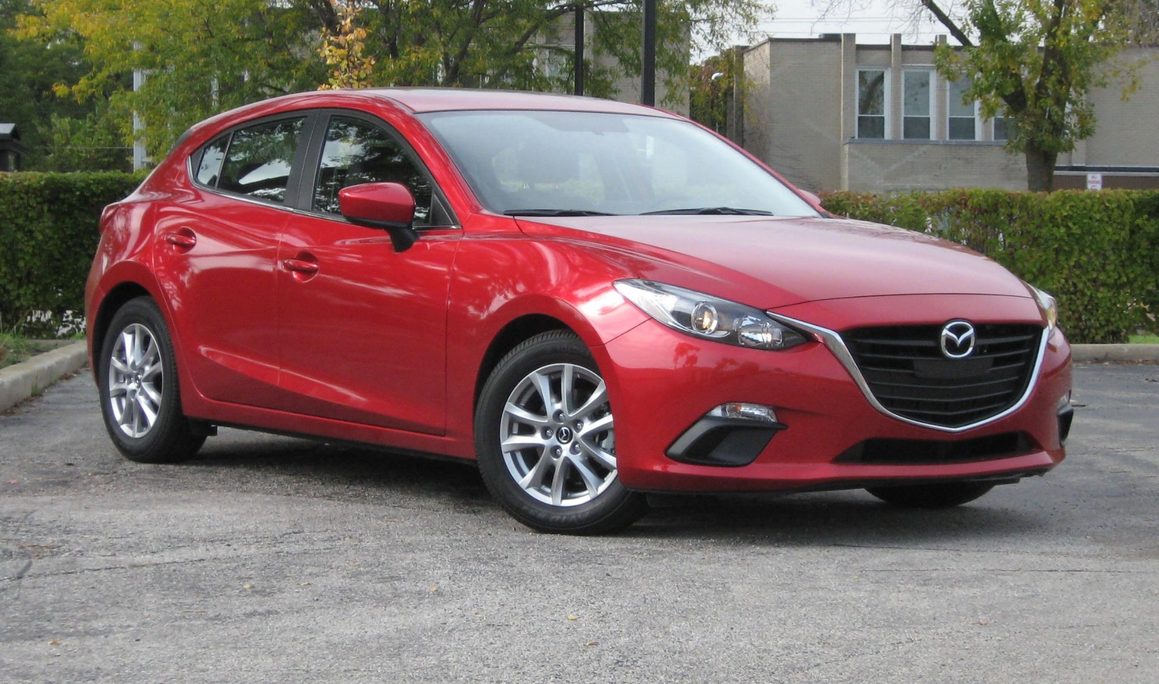
A tokunboMazda 3 usually costs between ₦9 million and ₦16 million.
Fuel economy averages around 18–20 km/litre.
The Mazda 3 provides a more enjoyable driving experience while still keeping fuel costs reasonable.
Kia Rio
For drivers with a smaller starting budget, the Kia Rio is one of the most affordable options.
The Rio offers good fuel economy, simple maintenance, and a comfortable interior.
A tokunbo Kia Rio usually costs between ₦7 million and ₦13 million.
Fuel economy is around 18–20 km/litre.
It is suitable for drivers who want to enter ride-hailing without spending heavily on vehicle purchase.
Hyundai Elantra
The Hyundai Elantra is another popular sedan option because it offers modern features and comfortable driving.
It provides more interior space than some compact sedans while maintaining reasonable fuel consumption.
A tokunbo Hyundai Elantra usually costs between ₦10 million and ₦17 million.
Fuel economy averages around 17–19 km/litre.
The Elantra is a good choice for drivers who want a newer-looking vehicle with modern features.
Honda Accord
The Honda Accord provides a balance between comfort, performance, and reasonable fuel economy.
It is larger than the Civic and offers more passenger space, making it attractive for drivers who want additional comfort.
A tokunbo Honda Accord usually costs between ₦12 million and ₦20 million.
Fuel economy is approximately 17–19 km/litre.
Although fuel consumption is slightly higher than smaller sedans, the Accord remains popular because of its comfort and durability.
Best Cars for Different Types of Ride-Hailing Drivers
For drivers focused on maximum profit and minimum running costs, the Toyota Corolla remains the best overall option.
For drivers who want the lowest fuel consumption, the Honda Civic is one of the strongest choices.
For drivers who carry many passengers or frequently take airport and long-distance trips, the Toyota Camry provides better comfort.
For drivers with a smaller budget, the Kia Rio and Nissan Sentra provide affordable entry points.
Important Things to Check Before Buying a Bolt or inDrive Car
Buying a ride-hailing vehicle requires careful inspection because the car will experience heavy use.
The engine condition should be checked carefully because replacing major components can destroy profitability.
Transmission performance is also important. A vehicle with gearbox problems can become extremely expensive to repair.
The air conditioning system should work properly because Nigerian passengers expect comfortable rides, especially in hot weather.
Tyres, suspension components, and brakes should also be inspected because ride-hailing vehicles cover many kilometres.
Battery condition is another important factor because frequent starting and long operating hours put additional stress on the electrical system. Drivers can learn more about choosing reliable replacements through the best car batteries in Nigeria guide.
How to Maximise Profit as a Bolt or inDrive Driver
A fuel-efficient vehicle alone does not guarantee profitability. Drivers must also manage maintenance, driving habits, and operating costs.
Regular servicing helps prevent expensive breakdowns. Changing oil on time, maintaining correct tyre pressure, and fixing small problems early can extend vehicle life.
Driving smoothly also improves fuel economy. Aggressive acceleration, unnecessary idling, and poor route planning increase fuel expenses.
Keeping the vehicle clean and comfortable improves passenger experience and can lead to better ratings.
Final Recommendation
The best cars for Bolt and inDrive drivers in Nigeria in 2026 are vehicles that combine fuel efficiency, reliability, affordability, and passenger comfort.
The Toyota Corolla remains the number one choice because it offers the best balance of fuel economy, maintenance cost, and resale value.
The Honda Civic is ideal for drivers who want maximum fuel savings, while the Toyota Camry is better for comfort-focused drivers.
Other strong options include the Toyota Avensis, Nissan Sentra, Mazda 3, Kia Rio, Hyundai Elantra, and Honda Accord.
For anyone entering ride-hailing in Nigeria, choosing a reliable and economical vehicle is one of the most important business decisions. The right car can reduce expenses, increase daily profits, and provide years of dependable service.