Nigeria’s automotive industry could be approaching an important turning point as Chinese bus manufacturer Yutong moves to supply 300 compressed natural gas-powered buses and establish local assembly operations in Ibadan, potentially creating new opportunities for manufacturing, employment and more affordable public transportation.
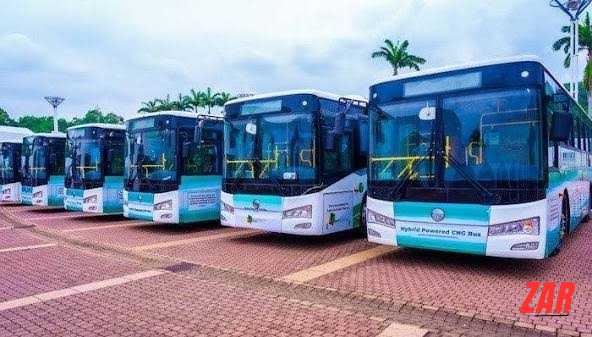
Nigeria’s automotive and transportation sectors are preparing for a significant development following the Federal Government’s announcement of an agreement involving Chinese bus manufacturer Yutong, which plans to establish a compressed natural gas (CNG) bus assembly operation in the country.
The initiative involves the initial supply of 300 CNG-powered buses under the National Affordable CNG Transit Programme (NACTP), a government-backed initiative designed to expand affordable mass transportation while encouraging the adoption of alternative vehicle fuels.
According to an announcement published by the Nigerian Presidency on November 19, 2026, the first 100 buses are expected to arrive in Lagos by the end of December 2026. The remaining buses are planned for local assembly through YP Automobiles Bus Assembly at the former Leyland Automotive plant in Ibadan, Oyo State.
The development represents more than an additional supply of public transportation vehicles. It introduces the possibility of strengthening Nigeria’s commercial vehicle assembly capacity, creating technical employment opportunities and attracting further investment into the country’s automotive manufacturing sector.
For Nigeria, where millions of people depend on commercial transportation every day, the programme also carries an important economic objective: reducing the cost of travelling while improving the availability of public transport.
However, the project’s long-term significance will depend on how effectively the proposed assembly operation develops, whether supporting CNG infrastructure can meet demand and whether the expected operational savings translate into lower fares for passengers.
Yutong’s 300-Bus Plan Brings New Attention to Nigeria
The proposed arrangement involves Yutong, a major Chinese manufacturer with an established international presence in commercial bus production.
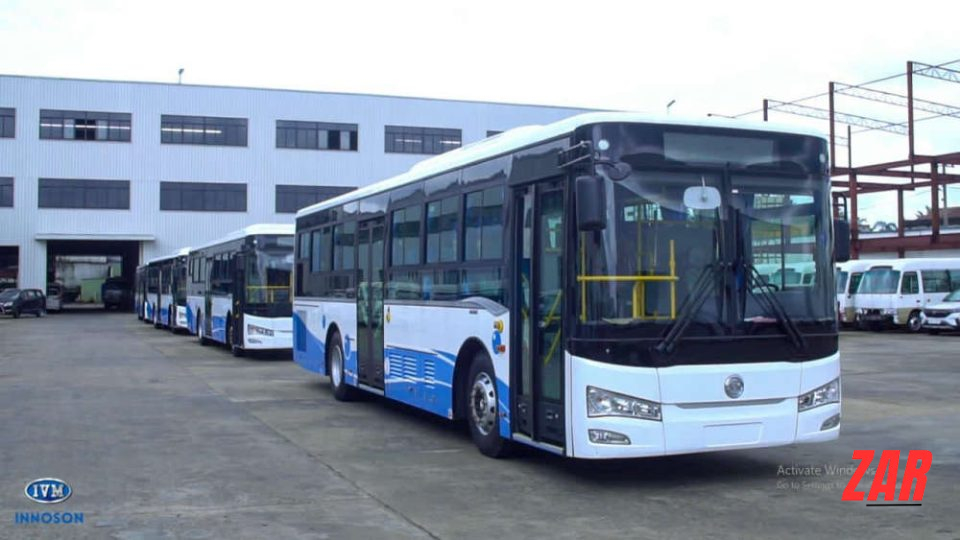
Under the agreement involving the Presidential Initiative on Compressed Natural Gas and Electric Vehicles (Pi-CNG & EV), the company will initially supply 300 CNG-powered buses to support the government’s transportation programme.
The first 100 vehicles are scheduled to arrive in Lagos before the end of December 2026. Subsequent buses are expected to be assembled locally through YP Automobiles Bus Assembly.
The Presidency reported that Yutong sold 49,518 buses globally in 2025, demonstrating the company’s manufacturing scale and international market presence.
Its involvement could provide Nigeria with access to established commercial vehicle manufacturing expertise, particularly as the country attempts to expand its use of alternative-fuel buses.
The arrangement also introduces an important distinction between importing finished vehicles and developing domestic assembly operations.
While imported buses can increase transportation capacity relatively quickly, local assembly could create additional industrial benefits by supporting technical training, maintenance services, component supply and employment.
Nevertheless, the announcement does not yet provide a detailed breakdown of local component sourcing, production capacity or the percentage of each vehicle that will eventually be manufactured in Nigeria.
These details will be important in determining how much long-term value the project creates for the domestic automotive industry.
Ibadan Could Become an Important Centre for Bus Assembly
One of the most significant aspects of the development is the planned use of the former Leyland Automotive plant in Ibadan.
The facility has historical importance within Nigeria’s automotive manufacturing industry. Its proposed involvement in the Yutong arrangement creates an opportunity to restore industrial activity at a location associated with commercial vehicle production.
The planned assembly operation will be undertaken through YP Automobiles Bus Assembly.
If implemented successfully, the project could help establish a stronger foundation for commercial vehicle assembly in Nigeria, particularly in the bus segment.
Local assembly facilities can support several activities beyond the final installation of vehicle components. These include vehicle inspection, mechanical engineering, electrical systems integration, quality control, technical training and after-sales maintenance.
Such activities could generate employment for Nigerian engineers, technicians and other skilled workers.
There may also be opportunities for smaller domestic businesses involved in automotive components, vehicle servicing, logistics and industrial supplies.
However, the distinction between vehicle assembly and full vehicle manufacturing is important.
Assembly operations do not automatically mean that engines, transmissions, electronic systems and other major components will be produced locally.
For Nigeria to achieve deeper industrial development, the project would eventually need to encourage local supplier participation, workforce development and increased domestic value addition.
The scale of those activities will help determine whether the proposed plant becomes a meaningful contributor to Nigeria’s automotive manufacturing ecosystem.
Government Targets a 40 Per Cent Reduction in Transport Fares
The industrial investment is closely connected to the Federal Government’s efforts to reduce transportation costs.
Under the National Affordable CNG Transit Programme, the administration is targeting approximately 40 per cent reductions in fares on participating routes.
President Bola Tinubu has emphasised that the savings associated with operating CNG-powered buses should benefit passengers through more affordable transportation.
This objective is particularly relevant in Nigeria, where commercial transportation remains essential for workers, traders, students and families.
For many households, daily commuting expenses represent a significant portion of regular spending. Rising transport costs can also increase the operating expenses of small businesses that depend on moving people and goods.
The government’s approach is based partly on the potential operating-cost advantages of CNG compared with conventional petrol and diesel vehicles.
If transport operators can reduce their fuel expenses, they may have greater room to offer lower fares while maintaining commercially sustainable operations.
However, lower fuel costs alone cannot guarantee cheaper journeys.
Vehicle financing, maintenance, driver wages, insurance, spare parts, refuelling infrastructure and other operating expenses will also influence the final cost of transportation.
Furthermore, the government’s 40 per cent reduction is a target for participating routes, not a confirmed nationwide fare reduction.
Its achievement will depend on implementation agreements between government authorities, state administrations and transport operators.
Why CNG Buses Matter for Nigeria’s Transportation Future
Compressed natural gas has become an important part of Nigeria’s strategy to diversify vehicle fuels.
The country’s existing dependence on petrol and diesel exposes transportation operators and commuters to changes in fuel prices and supply conditions.
Introducing alternative-fuel vehicles could provide another option for commercial transport businesses, particularly operators managing large fleets.
CNG buses are designed to use compressed natural gas rather than conventional liquid petroleum fuels.
For operators with access to reliable refuelling facilities, this can offer potential savings in fuel expenditure.
The technology also provides an opportunity to diversify the country’s energy consumption while making greater use of its domestic natural gas resources.
However, CNG is not the same as a zero-emission vehicle.
Although it can produce lower tailpipe carbon dioxide emissions than comparable diesel vehicles under certain operating conditions, natural gas remains a fossil fuel. Methane leakage during production, transportation and refuelling can also affect its overall climate impact.
Consequently, Nigeria’s CNG strategy should be viewed as one part of a broader transition towards more efficient and sustainable transportation rather than a complete replacement for electric mobility.
For public transportation operators, the immediate consideration will be whether CNG vehicles offer dependable performance, manageable maintenance costs and reliable access to fuel.
Refuelling Infrastructure Will Determine the Programme’s Success
One of the most important challenges facing the planned expansion is the availability of CNG infrastructure.
Introducing hundreds of additional buses will increase demand for refuelling services, particularly in cities and on major transportation corridors.
Unlike conventional petrol and diesel vehicles, CNG-powered buses require compatible refuelling facilities.
If these facilities are insufficient or poorly distributed, operators could experience longer refuelling times, operational interruptions and reduced fleet availability.
The Federal Government has acknowledged the importance of infrastructure development through its broader CNG programme.
The Presidency has identified investments involving the Presidential Initiative on CNG and Electric Vehicles, the Midstream and Downstream Gas Infrastructure Fund and private-sector participants.
Planned interventions include mobile refuelling units and additional CNG infrastructure across the country.
These investments will be essential to supporting the wider adoption of gas-powered commercial vehicles.
For the Yutong programme, the availability of refuelling facilities in Lagos, Ibadan and other participating locations could influence how quickly the buses enter regular service.
Transport operators will also require trained maintenance personnel, access to replacement components and appropriate technical support.
Without these supporting services, even a substantial initial vehicle supply may struggle to deliver its full operational potential.
What the Yutong Investment Could Mean for Nigerian Businesses
The proposed assembly operation could create opportunities throughout Nigeria’s automotive supply chain.
Vehicle assembly facilities depend on several supporting industries, including engineering services, industrial equipment suppliers, electrical components, logistics providers and vehicle maintenance businesses.
As local operations expand, some of these activities could generate additional demand for Nigerian companies.
For example, domestic suppliers may find opportunities in vehicle interior components, seating, wiring, tyres, batteries, workshop equipment and maintenance materials, depending on the plant’s procurement requirements.
The project could also encourage investment in technical training.
Commercial vehicle assembly requires workers who understand mechanical systems, electrical installations, quality assurance and modern vehicle maintenance procedures.
Developing these skills could benefit the wider automotive industry, not just the Yutong operation.
There may also be opportunities for transport operators to modernise their fleets and improve passenger services through more efficient commercial vehicles.
Nevertheless, these benefits remain potential outcomes rather than confirmed employment or supplier contracts.
The extent of local participation will depend on the final structure of the assembly operation and the procurement policies adopted by the companies involved.
For readers interested in the wider developments shaping Nigeria’s automotive market, WheelZAR’s latest automotive and mobility news provides additional coverage of the industry’s changing landscape.
How the Development Fits Into Africa’s Automotive Market
Nigeria is not the only African country seeking to attract international automotive manufacturers.
Across the continent, governments and private investors are exploring vehicle assembly, component production and alternative-fuel transportation as opportunities for industrial development.
The growing involvement of Chinese automotive manufacturers is particularly significant.
Chinese companies have expanded their international presence through competitive vehicle pricing, large-scale manufacturing and investment in electric and alternative-fuel technologies.
For African markets, these partnerships can provide access to commercial vehicles and manufacturing expertise.
However, attracting an international manufacturer is only the beginning.
Countries hoping to develop sustainable automotive industries must also create favourable investment conditions, improve infrastructure, develop skilled workers and encourage domestic suppliers.
Nigeria’s large population and extensive transportation requirements provide a substantial potential market for commercial buses.
If the proposed Yutong arrangement develops into a sustainable assembly operation, it could strengthen Nigeria’s position in the regional commercial vehicle industry.
The project could also encourage other international manufacturers to consider similar partnerships.
For additional developments across the sector, readers can explore WheelZAR’s Auto News section.
What Happens Next?
The immediate priority is the arrival of the first 100 buses in Lagos, which the government expects by the end of December 2026.
Subsequent developments will include progress towards assembling the remaining vehicles locally through YP Automobiles Bus Assembly at the former Leyland Automotive plant.
Several important questions will determine the project’s overall impact.
First, the industry will need clearer information about the assembly facility’s production capacity and operational timetable.
Second, the level of local component sourcing and technical workforce participation will help establish how much value remains within Nigeria.
Third, the availability of CNG refuelling infrastructure will influence the reliability and operating costs of the new bus fleet.
Finally, transport operators and government authorities will need to demonstrate that the programme can deliver measurable savings to commuters.
These factors will be more important than the initial number of vehicles announced.
The Bigger Picture: An Opportunity Nigeria Must Deliver
Yutong’s planned supply of 300 CNG-powered buses and the proposed local assembly operation in Ibadan represent an important development for Nigeria’s automotive and transportation industries.
The arrangement combines two objectives that are increasingly important to the country’s economic future: improving public transportation affordability and strengthening domestic industrial capacity.
For commuters, the most immediate benefit could be access to additional buses and potentially lower fares on participating routes.
For the automotive industry, the greater opportunity lies in developing local technical expertise, supporting domestic suppliers and creating a stronger foundation for commercial vehicle assembly.
However, the success of the initiative will depend on implementation rather than announcements.
Reliable refuelling infrastructure, effective maintenance arrangements, transparent operational targets and meaningful local participation will all be essential.
If these elements come together, the project could become an important example of how international automotive partnerships can contribute to Nigeria’s industrial development.
For now, the arrival of the first 100 buses and the progress of the Ibadan assembly operation will be the key milestones to watch.
WheelZAR’s Verdict: The Yutong development is potentially more significant than a conventional bus procurement deal. It offers Nigeria an opportunity to connect affordable public transportation with local automotive industrial development. Whether that opportunity becomes a lasting success will depend on how much of the promised manufacturing activity, employment and passenger savings actually materialises.
WheelZAR will continue monitoring developments in Nigeria’s automotive industry, commercial vehicle manufacturing and the transition towards alternative-fuel transportation.
Sources and Further Reading
- The State House, Abuja: President Tinubu Moves to Cut Transport Fares as Yutong Sets Up Assembly Plant in Nigeria
- Punch Newspapers: FG, Chinese Firm Sign Deal for CNG Bus Plant in Ibadan
- Nairametrics: Tinubu Targets Lower Transport Costs as Yutong Plans CNG Bus Plant in Nigeria
- Radio Nigeria: FG, China Sign Deal to Assemble CNG Buses in Nigeria
- Galaxy TV: Yutong Plans Bus Assembly Plant in Ibadan
Publication: WheelZAR
Category: Automotive Industry / Auto News / Nigeria
Primary keyword: Yutong CNG buses Nigeria
Secondary keywords: CNG bus assembly plant Nigeria, Yutong Nigeria, Nigerian automotive industry, Ibadan vehicle assembly plant, affordable public transportation Nigeria.