

If you are searching for the Lexus ES 350 price in Nigeria, expect to spend roughly ₦6 million to over ₦120 million, depending on the model year, condition, mileage, trim and whether the car is Nigerian-used, Tokunbo or brand new. Older models remain relatively accessible, while newer ES 350 models can command premium prices.
The Lexus ES 350 is a luxury midsize sedan built around comfort, refinement and smooth performance. It has also developed a strong reputation among Nigerian buyers because it offers Lexus luxury without the maintenance complexity associated with some European alternatives.
Lexus ES 350 Price in Nigeria
The Lexus ES 350 price in Nigeria depends heavily on the year and condition of the vehicle. A Nigerian-used 2007–2010 ES 350 generally costs around ₦6 million to ₦11 million, with clean examples commonly around ₦7.5 million to ₦9.5 million.
Tokunbo 2007–2010 models generally cost approximately ₦9 million to ₦14 million, while 2011–2014 Nigerian-used examples can range from ₦11 million to ₦17 million. Tokunbo versions from 2011–2014 generally fall between ₦14 million and ₦22 million.
For newer models, Tokunbo 2015–2017 examples can cost around ₦20 million to ₦30 million, while 2018–2020 models can reach ₦28 million to ₦40 million. The 2021–2023 models can cost approximately ₦40 million to ₦60 million or more, depending on specification.
Very recent or brand-new ES models can go beyond ₦70 million and reach ₦120 million or more.
Lexus ES 350 2007 to 2010
The 2007–2010 Lexus ES 350 belongs to the fifth-generation ES and remains one of the cheaper ways to enter Lexus ownership.
It uses a 3.5-litre V6 petrol engine paired with a six-speed automatic transmission and front-wheel drive. Nigerian-used examples generally sell for ₦6 million to ₦11 million, while Tokunbo versions can cost approximately ₦9 million to ₦14 million.
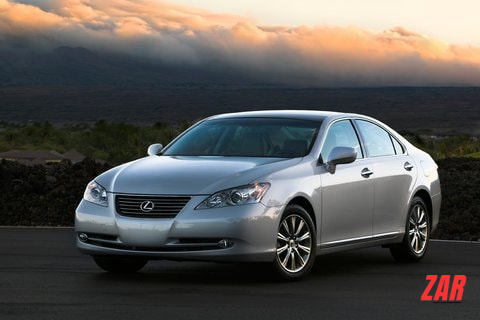
Despite its age, the car still provides a quiet cabin, leather seating, automatic climate control and a smooth driving experience. However, buyers should remember that these vehicles are now more than 15 years old, making maintenance history extremely important.
Before buying one, inspect the suspension, engine, transmission, air-conditioning system and electrical equipment rather than focusing only on the asking price.
Lexus ES 350 2011 to 2014
The 2011–2014 Lexus ES 350 gives buyers a more modern interior and improved equipment while remaining cheaper than newer generations.
Nigerian-used examples generally cost ₦11 million to ₦17 million, while Tokunbo models usually fall between ₦14 million and ₦22 million.
The 3.5-litre V6 produces around 268 horsepower in this generation, giving the ES enough power for highway driving and overtaking. The six-speed automatic transmission is tuned more for smoothness than aggressive acceleration.
The 2013 model year introduced a major redesign with Lexus’ spindle grille and a sharper exterior. If you want an older ES that still has a relatively modern appearance, this generation is worth examining.
Lexus ES 350 2015 to 2017
The 2015–2017 Lexus ES 350 continues with the 3.5-litre V6 but brings styling, technology and interior improvements.
Tokunbo examples generally cost around ₦20 million to ₦30 million, with many clean vehicles falling between ₦23 million and ₦27 million.
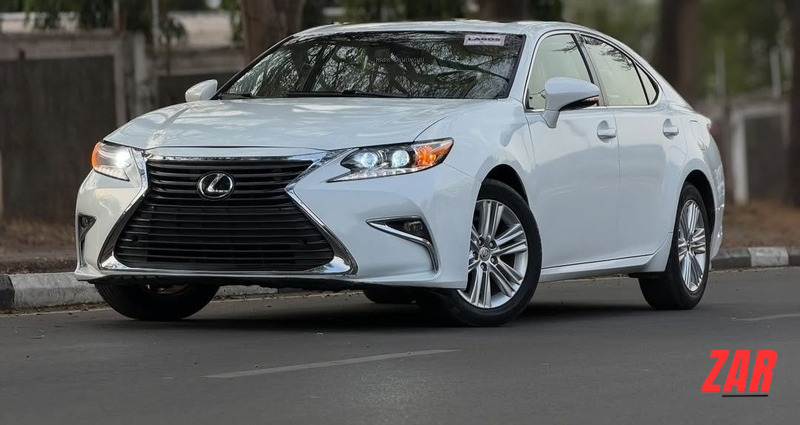
The 2015 ES received updated upholstery and a standard touchscreen interface, while higher specifications could include premium audio, navigation and additional comfort equipment. Lexus’ official 2015 ES 350 specifications provide useful details about the model’s factory equipment.
For Nigerian buyers, this generation can offer a useful balance between an older ES and the significantly more expensive seventh-generation models.
Lexus ES 350 2018 to 2020
The 2018–2020 Lexus ES 350 includes one of the most important changes in the model’s history. The seventh-generation ES arrived for the 2019 model year with a new platform, redesigned body and updated technology.
The 2019 ES 350 uses a 3.5-litre V6 producing 302 horsepower, paired with an eight-speed automatic transmission. Lexus’ official 2019 ES 350 specifications confirm the major powertrain details.
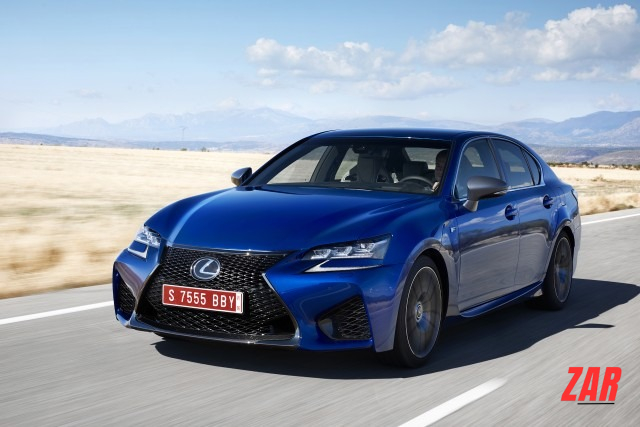
Tokunbo examples generally cost around ₦28 million to ₦40 million, with clean units commonly advertised around ₦32 million to ₦37 million.
The newer platform gives the ES more responsive handling without abandoning its traditional comfort-focused character. Edmunds also notes the 2019 model’s redesigned platform, stronger V6 and upgraded technology. Edmunds’ 2019 ES 350 review provides additional specifications and ownership information.
Lexus ES 350 2021 to 2023
The 2021–2023 Lexus ES 350 sits considerably higher in Nigeria’s used-car market. Tokunbo and near-new examples generally cost ₦40 million to ₦60 million or more.
These models continue with the seventh-generation platform and 3.5-litre V6, while later model years receive updated technology and safety equipment.
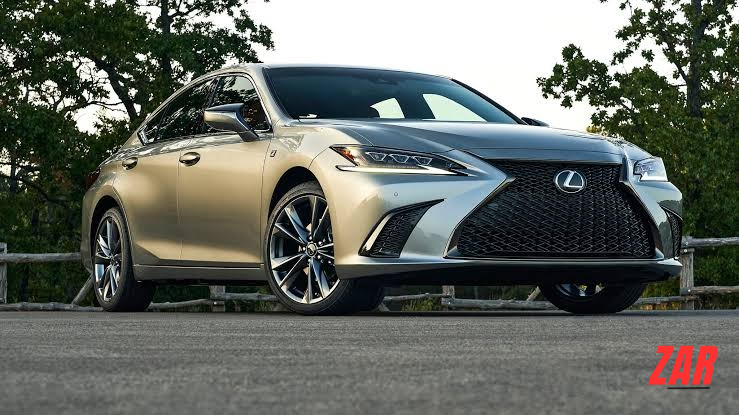
Depending on the trim, buyers can find features such as premium leather, advanced driver-assistance technology, upgraded infotainment, parking sensors, cameras and premium audio.
The exact specification matters considerably, so check the vehicle’s VIN and factory equipment instead of assuming every ES 350 has the same features.
Brand-New and Recent Lexus ES 350
Very recent Lexus ES models occupy the higher end of the Nigerian market. Brand-new or nearly new examples can cost approximately ₦70 million to ₦120 million or more.
Recent ES models can be equipped with larger infotainment screens, advanced driver-assistance systems, premium interior materials and additional technology. Lexus’ newer ES specifications show how the model has continued to receive technology and safety upgrades over time.
Higher trims and F SPORT versions can also command additional money because of their styling and equipment.
Lexus ES 350 Engine and Performance
The ES 350 has traditionally used a naturally aspirated 3.5-litre V6 petrol engine. Older versions produce around 268 horsepower, while the seventh-generation ES 350 produces about 302 horsepower.
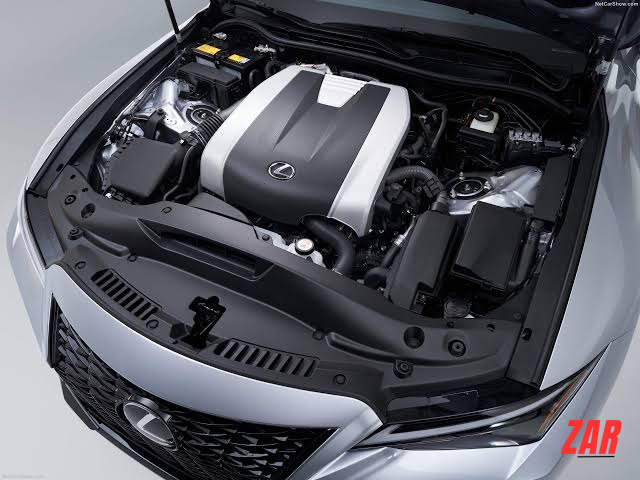
The engine is known for smooth power delivery rather than dramatic acceleration. That makes the ES 350 suitable for commuting, executive use and long-distance driving.
The front-wheel-drive layout also means the ES behaves differently from rear-wheel-drive sports sedans. It is primarily designed around comfort and predictable road manners.
Lexus ES 350 Fuel Economy in Nigeria
Fuel consumption is an important consideration because the ES 350 uses a relatively large petrol engine.
Older models can realistically return around 7–9 km/L in city driving, 10–12 km/L on the highway and approximately 8–10.5 km/L combined.
Newer models can achieve around 8–10 km/L in city driving, 11–13 km/L on the highway and approximately 9–11.5 km/L combined, although actual consumption depends heavily on traffic and driving style.
Lagos traffic, frequent air-conditioning use, tyre pressure and vehicle condition can all affect fuel consumption.
Interior Comfort and Features
Comfort is one of the strongest characteristics of the Lexus ES 350.
The cabin is designed to reduce road noise while the suspension absorbs many imperfections. This becomes particularly useful during long journeys between Nigerian cities.
Depending on the year and trim, equipment can include leather or leather-like upholstery, power seats, automatic climate control, sunroof, premium audio, navigation, heated and ventilated seats and modern infotainment.
The newer seventh-generation models take things further with larger displays and more sophisticated driver-assistance technology.
Is the Lexus ES 350 Good for Nigerian Roads?
The ES 350 can handle Nigerian roads well when driven carefully, particularly on paved roads and highways. Its suspension is tuned for comfort rather than aggressive cornering.
The main limitation is its sedan body. It has less ground clearance than an RX 350 or Highlander, so large potholes, broken roads and badly designed speed bumps can cause problems.
When inspecting a used ES 350, pay particular attention to the suspension, lower control arms, bushes, steering components, wheel bearings and tyres. Knocking sounds or uneven tyre wear deserve investigation.
Common Lexus ES 350 Problems
Most problems with older ES 350s are related to age, mileage and maintenance rather than the basic design of the car.
Check older engines for oil leaks, cooling-system problems and evidence of neglected servicing. The automatic transmission should shift smoothly without slipping, harsh engagement or unusual noises.
The air-conditioning system is particularly important in Nigeria. Allow it to run while the vehicle is stationary and confirm that it remains properly cold.
Suspension components can wear over time, while electrical equipment such as power seats, windows, cameras, sensors, infotainment and sunroofs should all be tested before purchase.
Nigerian Used vs Tokunbo Lexus ES 350
Tokunbo does not automatically mean perfect. An imported vehicle can still have accident, flood or auction history, so buyers should investigate the car properly.
A Nigerian-used ES 350 with documented servicing can sometimes be preferable to a Tokunbo vehicle with an unknown history. Condition, maintenance and documentation should therefore be considered together.
The Vehicle Identification Number (VIN) is particularly useful when researching a used car. NHTSA explains that a VIN is a unique 17-character identifier and provides a VIN decoding tool for checking information reported by manufacturers.
For imported vehicles in Nigeria, the Nigeria Customs Service also provides the Customs Verification Management System, which can be used to verify vehicle clearance information using the VIN or chassis number. Nigeria Customs’ official vehicle verification information is worth checking before completing a purchase.
Maintenance and Spare Parts in Nigeria
The ES 350 generally costs more to maintain than a Toyota Camry, but it benefits from Toyota’s wider engineering and parts ecosystem.
Many Nigerian workshops are familiar with Lexus vehicles, and replacement parts are available through Lexus specialists and Toyota-related suppliers. Genuine parts can cost more than aftermarket alternatives, so buyers should consider quality as well as price.
The vehicle should receive regular oil changes, transmission servicing where required, brake inspection, cooling-system checks and suspension maintenance.
What to Check Before Buying
Start with the VIN and documents. Confirm that the VIN on the vehicle matches the available paperwork and investigate the vehicle’s history.
Mileage should also be treated carefully. NHTSA’s guidance on checking used-car mileage and detecting odometer fraud recommends comparing the displayed mileage with maintenance records, inspection documents and the vehicle’s overall wear.
Next, inspect the engine for leaks and unusual noises. Test the transmission, air conditioner, suspension, brakes and steering.
Check the underbody for accident repairs, corrosion or damage. Also test the infotainment system, power windows, seats, lights, cameras, sensors and sunroof where fitted.
Finally, get an independent mechanic to inspect the vehicle before making payment.
Should You Buy a Lexus ES 350 in Nigeria in 2026?
The Lexus ES 350 remains attractive to Nigerian buyers because it combines a comfortable luxury interior with smooth V6 performance and relatively straightforward maintenance.
The 2007–2010 models provide the lowest entry price but require careful inspection because of their age. The 2011–2014 models offer a newer design and useful combination of comfort and price.
The 2015–2017 models bring additional equipment, while the 2018–2020 models introduce the major seventh-generation redesign. The 2021–2023 models offer newer technology but require a much larger budget.
Recent models are aimed at buyers who want the latest Lexus design and equipment and are comfortable paying a premium.
Final Thoughts
The Lexus ES 350 price in Nigeria currently starts at around ₦6 million for older Nigerian-used models and can exceed ₦120 million for very recent or brand-new examples.
Tokunbo 2007–2010 models generally fall around ₦9 million to ₦14 million, while 2011–2014 examples can cost approximately ₦14 million to ₦22 million. The 2015–2017 models generally range from ₦20 million to ₦30 million, while 2018–2020 examples can reach ₦28 million to ₦40 million.
The ES 350 remains a comfortable luxury sedan with smooth performance and strong appeal in the Nigerian market. However, condition and maintenance history matter enormously, especially with older examples.
Before buying, verify the vehicle’s documentation, investigate the VIN, inspect the mechanical condition and have an independent mechanic examine the car. A clean, properly maintained ES 350 can be considerably more sensible than buying a newer vehicle with an unknown history.