

Knowing how to check a VIN number in Nigeria is essential when buying a foreign-used (Tokunbo) or locally used vehicle. A Vehicle Identification Number (VIN) can help you investigate a car’s accident history, manufacturing details, previous ownership, recorded mileage and potential flood damage.
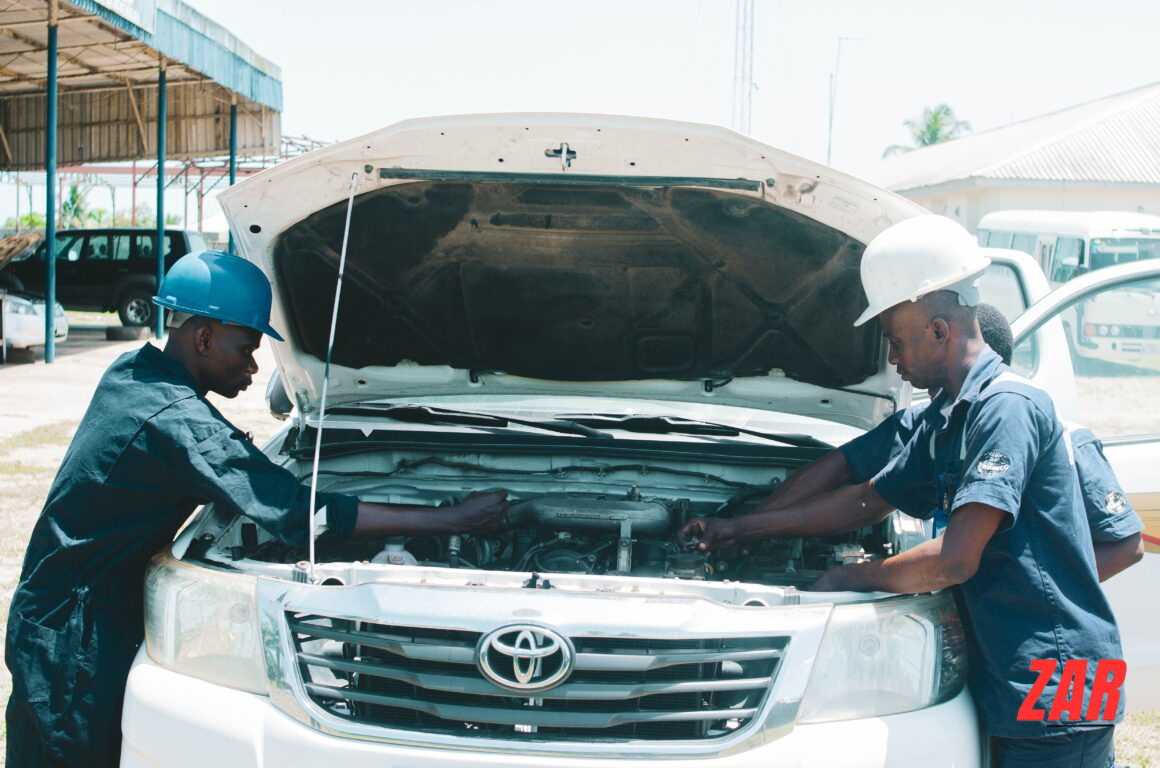
You can check a VIN number in Nigeria by locating the vehicle’s unique identification number and entering it into a reputable vehicle history platform such as CARFAX, AutoCheck or NICB VINCheck. You can also use the VIN when requesting customs clearance verification from the Nigeria Customs Service.
While many vehicles appear to be in excellent condition after repairs, their history may reveal serious problems that are not immediately visible. Checking the VIN before making payment can help you avoid unexpected repair expenses and fraudulent transactions.
What Is a VIN Number?
A Vehicle Identification Number is a unique code assigned to a vehicle by its manufacturer. Most vehicles manufactured from 1981 onwards follow a standard 17-character VIN format containing letters and numbers.
The VIN serves as a vehicle’s permanent identification number, distinguishing it from other vehicles of the same make, model and production year.
A standard VIN consists of three main sections:
| VIN section | Position | Information provided |
|---|---|---|
| World Manufacturer Identifier (WMI) | 1–3 | Manufacturer and geographical origin |
| Vehicle Descriptor Section (VDS) | 4–9 | Vehicle characteristics and identification details |
| Vehicle Identifier Section (VIS) | 10–17 | Vehicle-specific identification and production information |
The exact interpretation of individual characters can vary depending on the manufacturer and market.
The National Highway Traffic Safety Administration’s VIN decoder provides free access to available manufacturer-reported vehicle specifications.
Unlike a registration number, which may change during ownership transfers, a VIN generally remains associated with the vehicle throughout its lifetime.
Where to Find the VIN on a Car
Before checking a vehicle’s history, obtain its VIN directly from the car rather than relying exclusively on documents provided by the seller.
The most common VIN locations include:
- The driver’s side dashboard, visible through the windscreen.
- The driver’s door frame or door pillar.
- The engine compartment or chassis.
- Vehicle registration and customs clearance documents.
- The manufacturer’s identification plate.
Compare the numbers across all available locations. Inconsistent identification numbers, damaged VIN plates or suspicious alterations should be investigated before purchasing the vehicle.
How to Check VIN Number in Nigeria Online
Nigerian car buyers can use government verification platforms and international vehicle history services. Each serves a different purpose, and combining them provides a more comprehensive understanding of the vehicle’s history.
1. Check the VIN Through Nigeria’s National Vehicle Registry
The National Vehicle Registry (VREG) is a government platform established under the Federal Ministry of Finance to centralise vehicle information in Nigeria.
Its services include vehicle identification, ownership information, customs duty validation and available vehicle history records.
To check a vehicle:
- Visit the official VREG website.
- Register or log in where required.
- Select the relevant vehicle verification service.
- Enter the vehicle’s VIN.
- Review the available information and follow any applicable payment instructions.
The information available depends on existing records and the services selected. vreg.gov.ng+1
2. Use NICB VINCheck for Free
The National Insurance Crime Bureau VINCheck service is particularly useful when investigating Tokunbo cars imported from the United States.
The free service checks available records from participating US insurance companies for reported theft, salvage and flood damage.
Enter the VIN, accept the terms of use and submit your search.
However, a clean result does not guarantee that the vehicle has never experienced significant damage. NICB does not provide comprehensive accident histories or cover every insurance company. National Insurance Crime Bureau
3. Obtain a CARFAX or AutoCheck Vehicle History Report
For a more detailed investigation, consider purchasing a report from CARFAX or AutoCheck.
Depending on the available records, these services can provide information about previous accidents, recorded mileage, ownership changes, salvage titles, maintenance and insurance-related damage.
For example, a Toyota Camry advertised in Lagos with 80,000 miles may have historical records showing 150,000 miles before export. Such a discrepancy could indicate mileage manipulation and should be investigated further.
Always consider the vehicle’s country of origin because database coverage varies by market.
Best Websites to Check VIN Numbers in Nigeria
The following platforms serve different verification purposes.
| VIN verification platform | Primary purpose | Cost |
|---|---|---|
| VREG | Nigerian vehicle records | Service-dependent |
| NICB VINCheck | US theft and salvage records | Free |
| NHTSA VIN Decoder | Manufacturer specifications | Free |
| CARFAX | Detailed vehicle history | Paid |
| AutoCheck | Title and vehicle history | Paid |
| Nigeria Customs Service | Customs clearance verification | Service-dependent |
No single platform provides every detail about a vehicle. Using multiple relevant sources reduces the likelihood of overlooking important information.
How to Check Customs Duty Using a VIN in Nigeria
A foreign vehicle history report does not establish whether a car was legally cleared through Nigerian customs.
The Nigeria Customs Service introduced its Customs Verification Management System (CVMS) to allow buyers and vehicle owners to investigate clearance records using a VIN or chassis number.
According to the official NCS publication explaining customs verification, the platform supports duty payment verification and the generation of electronic verification receipts.
Buyers should access the service through official customs channels, enter the VIN and follow the applicable verification instructions.
Compare the resulting information with the seller’s customs documents. If discrepancies appear, contact the Nigeria Customs Service before completing the purchase.
How to Identify a Fake or Altered VIN
Vehicle identity fraud can occur when identification numbers from legitimate vehicles are used to conceal the identity of stolen or improperly documented cars.
Common warning signs include scratched VIN plates, unusual welding around chassis identification points, inconsistent characters and vehicle specifications that do not match the decoded information.
For instance, if a VIN decoder identifies a vehicle as a 2015 Honda Accord but the seller advertises it as a 2018 model, the discrepancy requires investigation.
Follow WheelZAR’s guide to inspecting a used car before buying in Nigeria to understand the additional physical and documentation checks necessary before purchasing.
What Information Can a VIN Check Reveal?
Depending on the database and available historical records, a VIN check can reveal:
- Previous accidents and structural damage.
- Reported flood damage and salvage status.
- Recorded mileage discrepancies.
- Manufacturer specifications and model year.
- Reported theft and previous ownership information.
- Customs clearance status through Nigerian government services.
Nevertheless, a VIN report cannot reliably identify every mechanical fault or unreported accident.
Combining history verification with WheelZAR’s used car inspection checklist and an independent mechanical assessment provides stronger protection.
Frequently Asked Questions
Can I check a VIN number for free in Nigeria?
Yes. NICB VINCheck and the NHTSA VIN decoder offer free services. Comprehensive vehicle history reports and certain Nigerian verification services may require payment.
Can I check if a car is stolen using its VIN?
NICB can identify certain theft records reported by participating US insurers. For suspected theft within Nigeria, contact the Nigeria Police Force for appropriate verification.
Can a VIN check reveal flood damage?
Yes, provided the damage was recorded in the database being searched. Unreported flood damage may not appear in vehicle history reports.
Can I check a VIN before buying a Tokunbo car?
Yes. You should independently verify the VIN, vehicle history and customs documentation before making full payment.
Conclusion
Understanding how to check a VIN number in Nigeria helps car buyers identify hidden vehicle damage, investigate questionable documentation and make better purchasing decisions.
The most effective approach combines international vehicle history reports, Nigerian government verification services and an independent mechanical inspection.
Always confirm that the VIN matches the physical vehicle and its documentation. If the seller refuses independent verification or cannot explain significant discrepancies, postpone the purchase until the issues are resolved.
A thorough VIN check is a relatively small investment compared with the potential financial consequences of purchasing a stolen, flood-damaged or improperly cleared vehicle.
Editorial verification note: Both internal WheelZAR links have been verified against existing published pages. Official VREG, NICB and customs documentation were reviewed. The article is approximately 1,000–1,100 words. Current verification fees and live government portal transactions have not been independently tested.


