Driving safely in Nigeria requires more than just skill; it demands a thorough understanding of traffic rules and regulations. These laws are designed to reduce accidents, protect lives, and ensure smooth traffic flow on Nigerian roads. Traffic violations are a major cause of road accidents, which continue to be a pressing concern nationwide. Whether you are a new driver preparing for your license or an experienced motorist, following traffic rules helps you navigate roads safely and avoid penalties. Traffic authorities like the Federal Road Safety Corps (FRSC) enforce these regulations to maintain order, ensure compliance, and promote road safety. Adhering to these rules also demonstrates responsible driving behavior, which is crucial for fostering a culture of safety and awareness on Nigerian roads.
The FRSC is the primary agency responsible for traffic law enforcement in Nigeria, overseeing driver licensing, vehicle registration, and accident prevention. State traffic authorities assist with local enforcement, monitoring traffic congestion, and educating drivers on safe road practices. Understanding traffic rules benefits not only drivers but also passengers, pedestrians, and other road users. Complying with these regulations ensures personal safety and helps reduce the number of road accidents, injuries, and fatalities. By learning and following traffic laws, Nigerians can enjoy safer commutes, avoid costly fines, and contribute to a more organized traffic environment. Knowledge of these rules is essential for responsible driving in urban and rural areas alike.
1. Speed Limits and Traffic Signs
Speed limits in Nigeria are clearly defined to ensure road safety and vary depending on the type of road and area. Within built-up urban areas, the maximum speed limit is typically 50 kilometers per hour, while on highways and expressways, vehicles are permitted to travel up to 100 kilometers per hour. For specific vehicle categories such as commercial buses, tankers, and articulated vehicles, lower speed limits apply due to their size and potential safety risks.
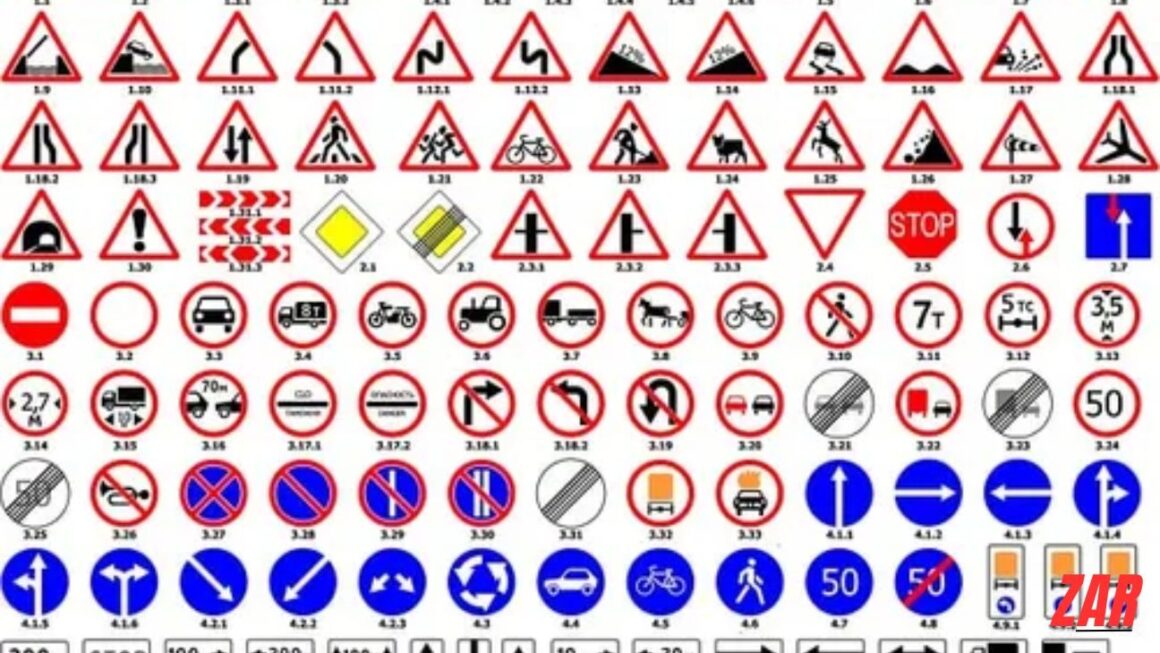
Traffic signs and road markings play a crucial role in regulating vehicle movement and ensuring orderly traffic flow across Nigerian roads. These signs include regulatory signs (such as stop signs and speed limit indicators), warning signs (alerting drivers to hazards ahead), and informational signs (providing directions and guidance). Drivers are legally required to obey all traffic signs and signals, and failure to comply can result in penalties ranging from monetary fines to license suspension, particularly for violations that endanger other road users.
2. Driver’s License Requirements
In Nigeria, possessing a valid driver’s license is mandatory for operating any motor vehicle on public roads. The Federal Road Safety Corps (FRSC) is the authorized body responsible for issuing driver’s licenses after applicants have successfully completed both theoretical and practical driving tests. The license categories range from Class A for motorcycles to Class E for heavy-duty vehicles and articulated trucks, with Class C being the most common for private car owners.
To obtain a driver’s license in Nigeria, applicants must be at least 18 years old and undergo proper training at a recognized driving school. The licensing process involves attending the FRSC driving school, passing a computer-based test on highway code, completing an eye test, and demonstrating practical driving competence. License renewal is required every three to five years depending on the license type, and driving without a valid license attracts penalties including fines and possible vehicle impoundment.
3. Right of Way and Lane Discipline
Nigerian traffic regulations stipulate that vehicles must drive on the right-hand side of the road, with overtaking permitted only on the left side when it is safe to do so. At intersections and roundabouts, vehicles already on the main road or within the roundabout have the right of way, and approaching vehicles must yield accordingly. Pedestrians also have right of way at designated crossing points, and drivers must slow down or stop to allow them to cross safely.
Lane discipline is essential for maintaining smooth traffic flow and preventing accidents on Nigerian roads. Drivers are expected to maintain their lanes and avoid unnecessary lane changes or weaving through traffic, which is a common cause of accidents on busy highways. The use of indicators when changing lanes or turning is mandatory, and vehicles should only use the overtaking lane for its intended purpose before returning to the regular lane. Violation of lane discipline rules, especially on expressways, often results in traffic congestion and increases accident risks.
4. Use of Seatbelts and Child Restraints
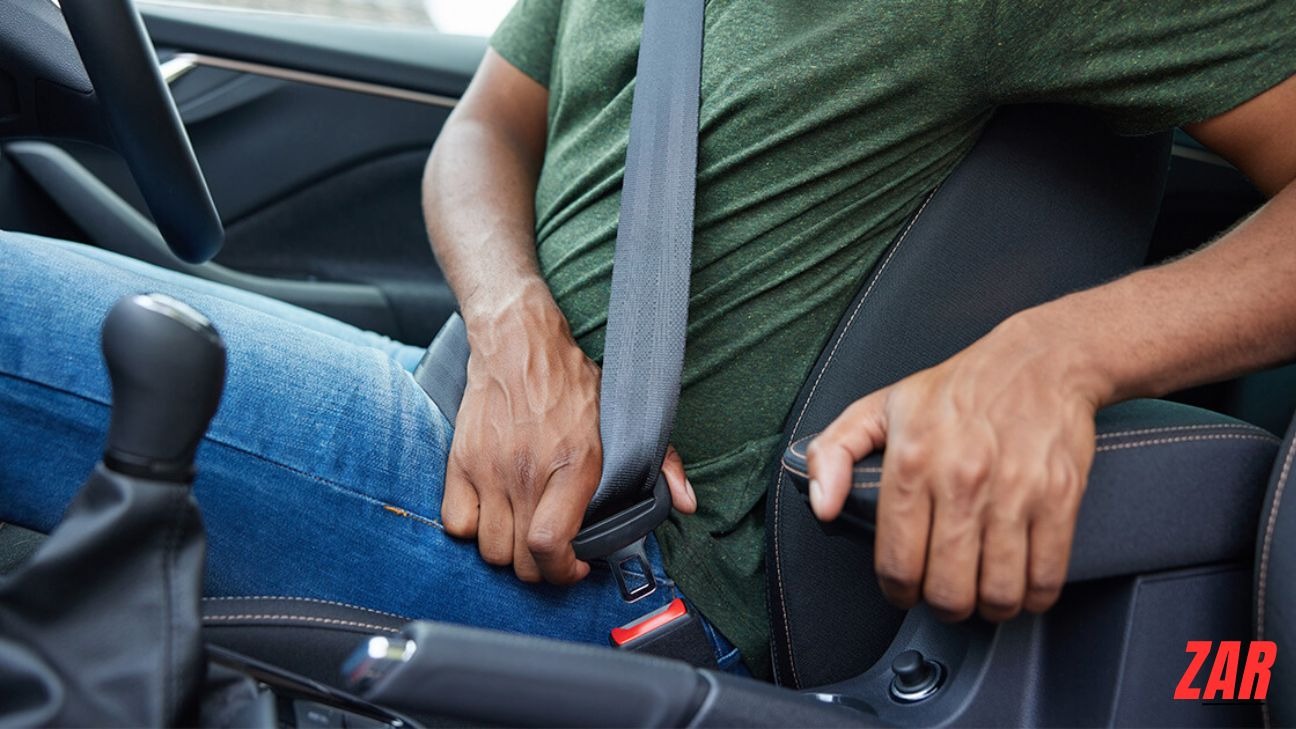
The use of seatbelts is compulsory for all vehicle occupants in Nigeria, including both drivers and passengers in the front and rear seats. This regulation was strengthened to reduce fatalities and serious injuries in the event of road accidents, as seatbelts have been proven to significantly improve survival rates during collisions. The FRSC actively enforces this rule through routine checks and roadside inspections, and violations attract instant fines.
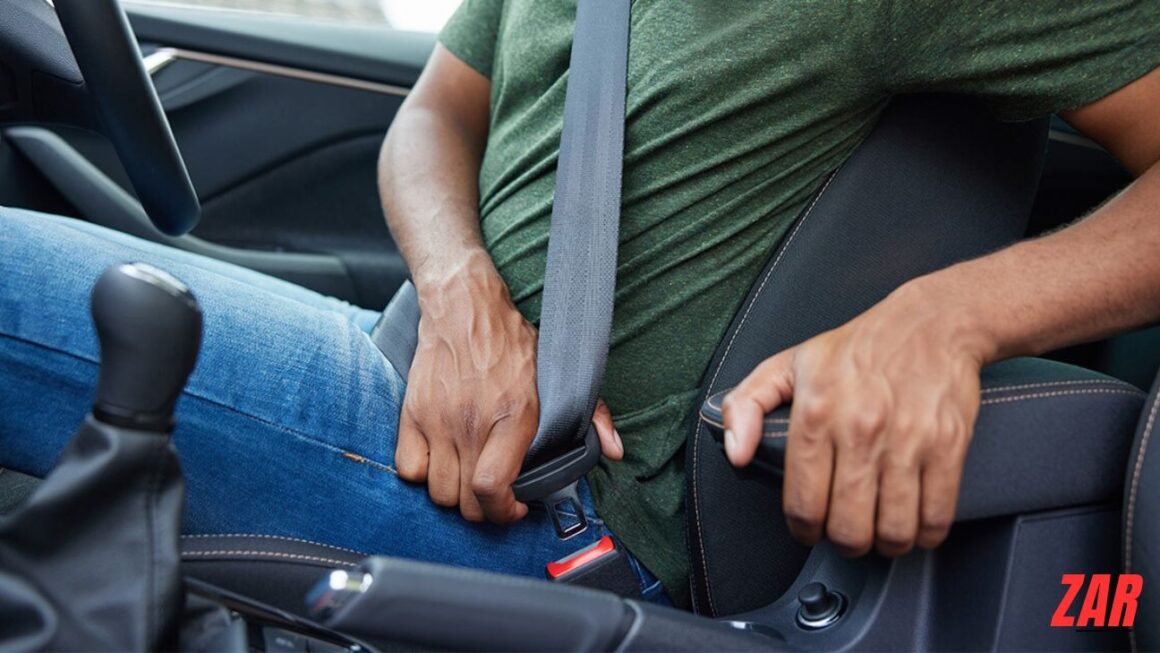
Special provisions exist for the transportation of children in vehicles to ensure their safety. Children under a certain age or size should be secured in appropriate child car seats or restraints suitable for their age and weight. Parents and guardians are responsible for ensuring that children are properly restrained before the vehicle begins moving. Unfortunately, enforcement of child restraint regulations remains challenging in Nigeria, but awareness campaigns continue to educate the public on the importance of protecting young passengers during travel.
5. Mobile Phone Use While Driving
Using mobile phones while driving is strictly prohibited under Nigerian traffic laws due to the significant distraction it poses to drivers. This ban covers making or receiving calls, texting, browsing the internet, or engaging with social media while the vehicle is in motion. Drivers who need to use their phones must pull over to a safe location and park before doing so, or alternatively use hands-free devices, although even hands-free use is discouraged as it can still divert attention from the road.
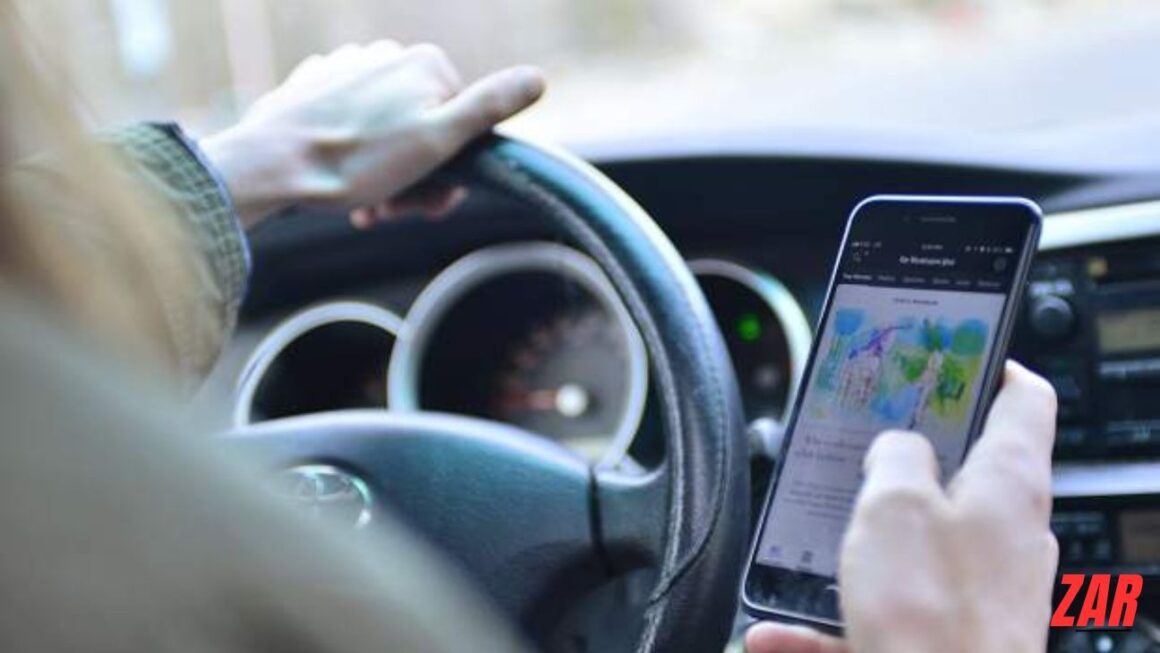
The enforcement of mobile phone restrictions has intensified in recent years as authorities recognize the growing threat of distracted driving to road safety. FRSC officials and other traffic management agencies conduct regular patrols and have the authority to stop and penalize drivers observed using phones while driving. Penalties for this offense include substantial fines and, in cases of repeated violations, potential license suspension. Public awareness campaigns have also emphasized the dangers of phone use while driving, highlighting its role in numerous preventable accidents.
6. Driving Under the Influence
Operating a vehicle while under the influence of alcohol or drugs is a serious offense in Nigerian traffic law and carries severe penalties. The legal blood alcohol concentration limit for drivers is very low, and law enforcement agencies use breathalyzer tests to detect violations. Drunk driving significantly impairs judgment, reaction time, and coordination, making it one of the leading causes of fatal road accidents in the country.
Penalties for driving under the influence include heavy fines, license suspension or revocation, and in cases where impaired driving results in accidents causing injury or death, criminal prosecution that may lead to imprisonment. The FRSC and police conduct random checks especially during festive periods and late-night hours when such violations are more common. Beyond legal consequences, driving while intoxicated poses extreme dangers to the driver, passengers, and other road users, which is why strict enforcement and public sensitization remain priorities for traffic authorities.
7. Vehicle Documentation and Insurance
All vehicles operating on Nigerian roads must possess valid documentation including a vehicle license, proof of ownership, roadworthiness certificate, and third-party motor insurance at minimum. The roadworthiness certificate is issued after vehicles pass periodic inspection tests confirming they meet safety standards, including proper functioning of brakes, lights, steering, and other critical components. These documents must be carried in the vehicle at all times and presented to law enforcement officials upon request during routine checks.
Third-party motor insurance is mandatory and protects against liability for damage or injury caused to other people or their property in the event of an accident. While comprehensive insurance coverage is optional, the minimum legal requirement ensures that accident victims have some recourse for compensation. Driving without valid insurance is a punishable offense that can result in fines, vehicle impoundment, and legal liability for all damages in case of accidents. Vehicle owners are responsible for ensuring all documentation remains current and renewing them before expiration dates.
8. Overloading and Vehicle Capacity
Vehicle overloading is a significant safety concern in Nigeria and is strictly regulated by traffic authorities. Commercial vehicles, trucks, and even private cars have specified load and passenger capacities that must not be exceeded, as overloading affects vehicle stability, braking efficiency, and tire performance. For passenger vehicles, the number of occupants must not exceed the manufacturer’s specification, and for goods vehicles, weight limits are enforced through weighbridges on major highways.

Consequences of overloading include fines, vehicle impoundment, and orders to offload excess cargo or passengers before proceeding. Overloaded vehicles are more prone to accidents including rollovers and brake failures, particularly on hilly terrain or during emergency maneuvers. The FRSC and state traffic agencies maintain checkpoints specifically to curb this dangerous practice, especially targeting commercial transport operators who sometimes prioritize profit over safety. Public education on the dangers of overloading continues as part of broader road safety initiatives.
9. Traffic Light Compliance and Intersection Rules
Obeying traffic lights is fundamental to organized traffic flow and accident prevention at intersections in Nigerian cities. Red means stop, amber signals caution and preparation to stop, and green indicates proceed with care. Running red lights is a serious offense that often results in collisions with cross traffic and is punishable by fines and potential license penalties. Drivers approaching intersections must slow down and be prepared to stop when lights change.
At intersections without traffic lights, clear rules govern priority and movement. Vehicles turning right generally have priority over those turning left, and drivers must yield to traffic on the main road when emerging from side streets. At roundabouts, vehicles already circulating have the right of way over those entering. Many Nigerian cities have traffic wardens stationed at busy intersections during peak hours to manually direct traffic flow, and drivers must obey their signals just as they would traffic lights. Confusion at intersections often causes congestion, making strict adherence to these rules essential for efficiency and safety.
10. Emergency Vehicle Priority
Emergency vehicles including ambulances, fire trucks, and police vehicles responding to emergencies have absolute priority on Nigerian roads. When drivers hear sirens or see flashing lights from emergency vehicles, they are legally required to safely pull over to the side of the road and allow these vehicles to pass without obstruction. This rule exists to ensure that emergency services can reach their destinations quickly, potentially saving lives and property.

Failure to yield to emergency vehicles is not only illegal but also socially irresponsible, as delays can have life-or-death consequences for accident victims, fire incidents, or security situations. Nigerian traffic regulations impose penalties on drivers who block or fail to give way to emergency vehicles. In congested traffic situations, drivers should make every reasonable effort to create a clear path by moving to the roadside or utilizing available space. Public awareness of this rule remains important, as cooperation from all road users is essential for effective emergency response.
Road Safety Culture in Nigeria
Creating a strong road safety culture is essential for reducing accidents and promoting responsible driving across Nigeria. Road safety is not only about obeying laws but also about cultivating awareness, patience, and respect for other road users. Drivers who consistently follow traffic rules, such as wearing seat belts, observing speed limits, and yielding the right of way, contribute to a safer environment for themselves, passengers, and pedestrians. Communities and schools also play a vital role by educating young drivers and pedestrians about proper road behavior, reinforcing the importance of discipline from an early age.
A positive road safety culture extends beyond individual behavior; it involves collective responsibility. Commercial drivers, motorcycle operators, and public transport providers must also adhere to regulations to protect lives on congested roads. Public awareness campaigns, driver education programs, and strict enforcement of traffic laws all support this goal. When every road user takes responsibility, accidents decrease, emergency response becomes more manageable, and overall traffic efficiency improves. Promoting a culture of safety ensures that Nigeria’s roads become more predictable, orderly, and secure for everyone.
Conclusion
Traffic rules and regulations in Nigeria are essential for protecting lives, maintaining order, and ensuring smooth road use. By following laws such as wearing seat belts, obeying traffic signals, respecting speed limits, and avoiding distractions, drivers prevent accidents and legal complications.
Understanding and following traffic laws also improves overall driving experience, reduces congestion, and enhances public confidence in road safety. Knowledge of rules combined with safe driving habits protects lives, prevents costly damages, and supports the government’s efforts to reduce road accidents.