

The global automotive industry is entering a new phase where electric powertrains merge with rugged off-road engineering, creating a category of electric SUVs built to deliver zero-emission driving without sacrificing performance on rough terrain. Traditionally, off-roaders relied on powerful petrol and diesel engines to conquer mud, rocks, and uneven trails. However, electric motors have proven exceptionally capable in off-road environments due to their instant torque, precise throttle control, silent operation, and low center of gravity from floor-mounted battery packs. For adventure drivers, these characteristics translate to improved traction, smoother low-speed crawling, and reduced mechanical complexity. As environmental awareness grows globally, electric SUVs now appeal to both tech-forward explorers and traditional overlanding enthusiasts seeking capability with lower emissions.
Choosing the best off-road electric SUV for Nigeria requires more than comparing horsepower or battery size. It demands evaluating real-world practicality under Nigerian conditions. Off-road driving in Nigeria varies from the rocky highlands of Jos to muddy rural roads in the South-South, sandy routes in Northern Nigeria, and seasonal flooding in coastal regions. These conditions place heavy demands on ground clearance, water-fording depth, suspension articulation, and underbody protection. More importantly, Nigeria’s charging infrastructure remains limited to urban centers like Lagos, Abuja, and Port Harcourt, making remote off-road charging nearly impossible. High heat also affects battery performance, while long distances between cities increase range anxiety. This guide analyzes the leading electric off-road SUVs through a Nigerian lens, examining design, interior quality, performance, trail capability, and pricing while realistically assessing their suitability for Nigeria’s climate, roads, and infrastructure challenges.
Rivian R1S
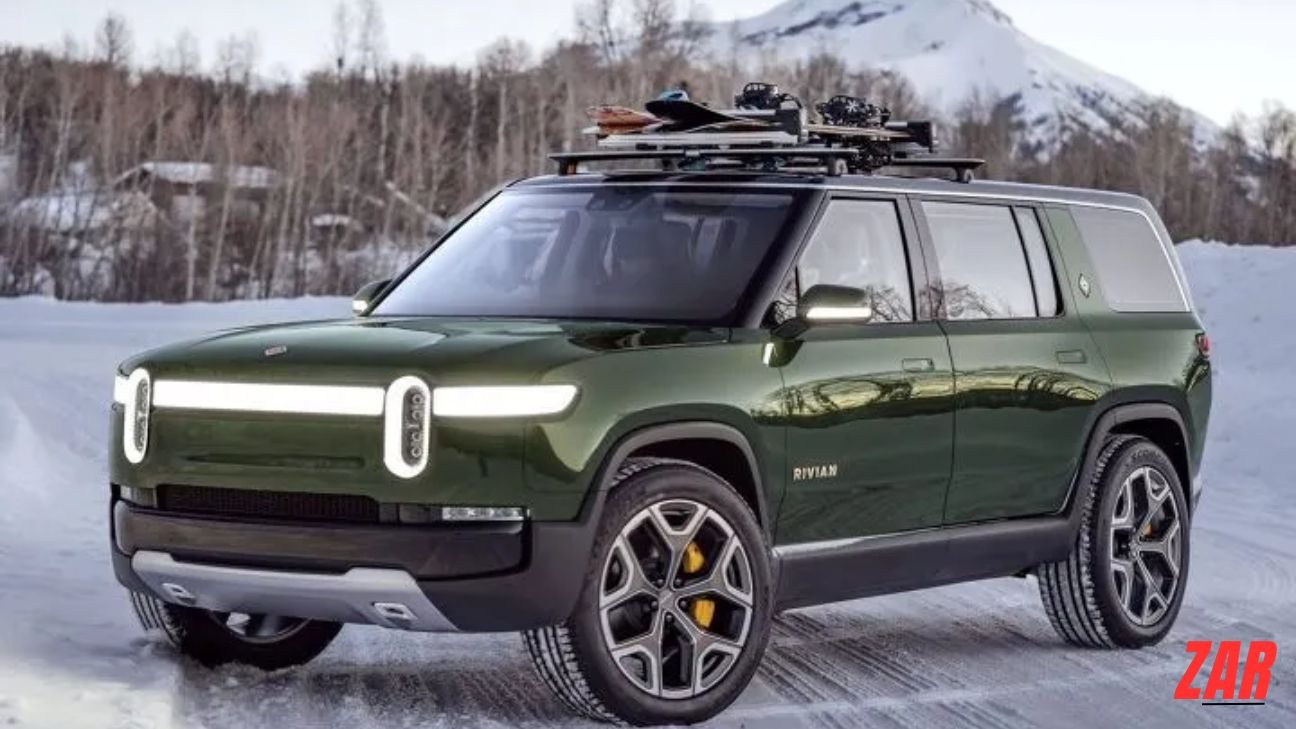
The Rivian R1S represents a purpose-built electric SUV designed for serious off-road adventures. Its exterior features Rivian’s signature horizontal LED light bar connecting oval headlights, creating a distinctive yet approachable look. The muscular body includes short overhangs, pronounced wheel arches that accommodate up to 21-inch wheels, and generous ground clearance signaling off-road readiness. Functional elements such as integrated roof rails, flush door handles, and underbody protection enhance utility. Available colors include Launch Green, Glacier White, Limestone, and Forest Green. The squared-off rear with full-width light bar and swing-gate tailgate provides practical cargo access while maintaining the vehicle’s unique design language.
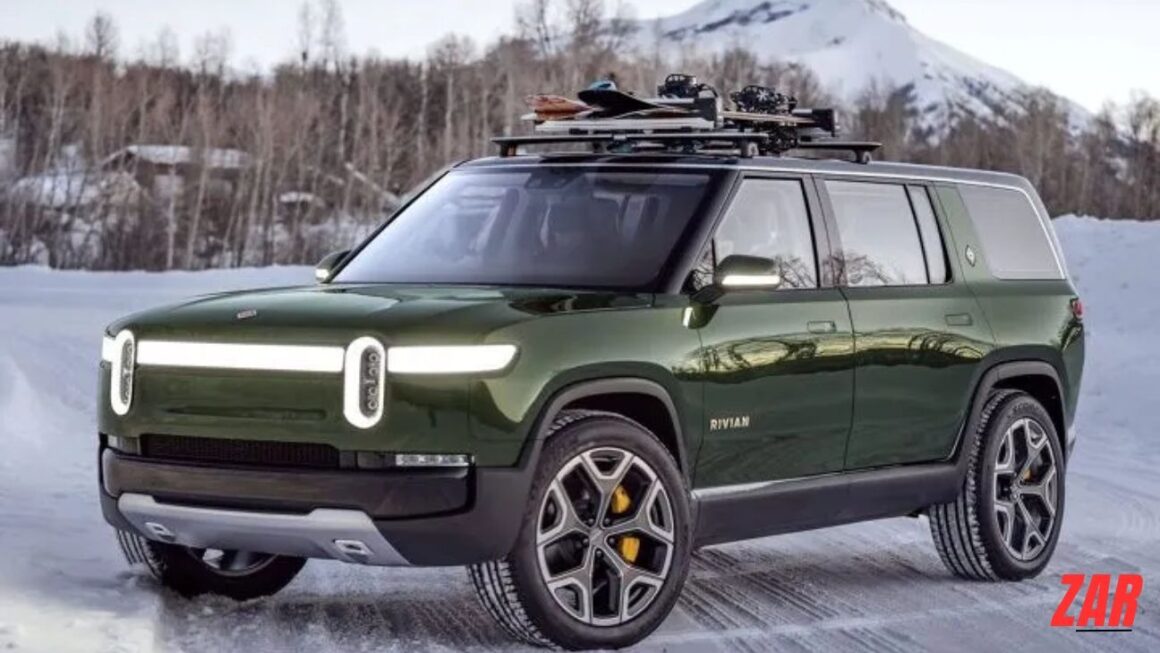
Inside, the R1S blends rugged durability with premium comfort. The cabin features sustainable wood trim, vegan leather options, and easy-to-clean surfaces. The three-row configuration accommodates up to seven passengers, with optional captain’s chairs or bench seating in the second row. A panoramic glass roof adds a spacious feel and excellent visibility during off-road excursions. The 15.6-inch center touchscreen controls most vehicle functions while the digital instrument cluster offers customizable displays. A gear tunnel between the wheels provides secure storage for recovery equipment, camping gear, or a slide-out camp kitchen.
Performance-wise, the quad-motor R1S produces up to 835 horsepower and 1,198 Nm of torque, accelerating from 0-100 km/h in about 3.0 seconds despite a weight over 3,200 kg. The standard dual-motor variant delivers 533 horsepower with 0-100 km/h in 4.5 seconds. Battery options include Standard (106 kWh, 418 km range), Large (135 kWh, 515 km range), and Max (180 kWh, 643 km range). In Nigeria, pricing is estimated between ₦180,000,000 and ₦250,000,000 depending on configuration. Energy consumption averages 30-35 kWh per 100 km in standard driving conditions, though off-road use can increase consumption.
Mercedes–Benz EQG ( Electric G-Wagon)
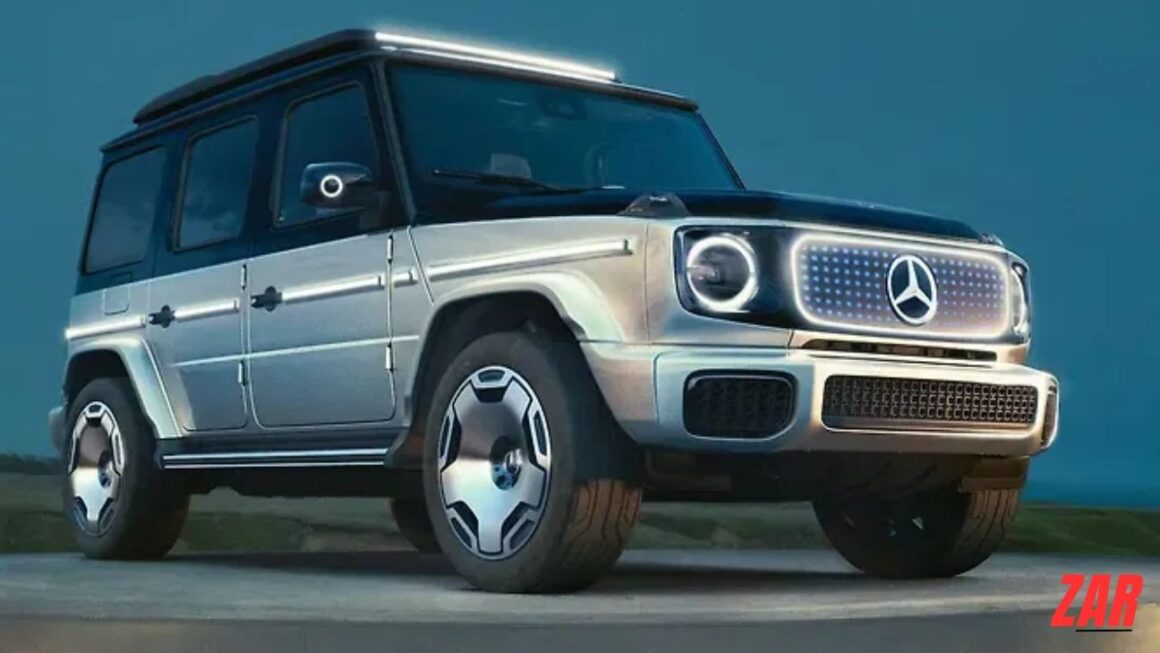
The Mercedes Benz EQG maintains the iconic G-Wagon’s boxy silhouette while incorporating modern electric powertrain technology. The exterior preserves signature design elements including round LED headlights, exposed door hinges, side-mounted spare tire, and upright proportions that have defined the G-Class for decades. The illuminated grille and LED lighting signatures distinguish it from combustion G-Wagons while maintaining brand identity. The body features robust construction with a ladder frame chassis adapted for battery integration, substantial ground clearance, and protective underbody elements. Available in multiple colors with special AMG and design options, the EQG projects the same commanding presence as its gasoline-powered sibling. The 18-inch wheels on most variants prioritize off-road capability over style, though larger options are available for those preferring more aggressive aesthetics.
Inside, the EQG delivers classic G-Wagon luxury with premium Nappa leather, high-quality trim materials, and meticulous build quality. The cabin accommodates five passengers with generous space throughout. The dashboard features Mercedes’ latest MBUX infotainment system with large touchscreen displays, digital instruments, and comprehensive connectivity. Unique to the EQG, traditional differential lock switches are retained but now control electronic systems rather than mechanical differentials. Seats offer heating, ventilation, and massage functions while maintaining supportive bolstering.
Four electric motors, one per wheel, deliver combined output exceeding 579 horsepower with individual wheel control providing precise off-road capability through torque vectoring. The battery pack, estimated around 100 kWh, provides approximately 400 to 450 km of range in normal driving conditions. The EQG features Mercedes’ G Turn function allowing tank-like rotation on its axis, plus adjustable suspension with multiple height settings. In Nigeria, pricing is estimated between ₦200,000,000 and ₦280,000,000 depending on specification. Energy consumption averages 30 to 35 kWh per 100 km on road.
Tesla Cybertruck
The Tesla Cybertruck represents a radical departure from conventional automotive design with an angular, origami-like stainless steel exoskeleton. The exterior features ultra-hard 30X cold-rolled stainless steel panels forming flat surfaces at dramatic angles, creating a polarizing aesthetic. The front features a full-width LED light bar with no traditional grille, while the body eliminates curves in favor of straight edges. Massive 35-inch all-terrain tires on 20-inch wheels provide serious off-road capability. The 6.5-foot composite bed includes integrated storage, power outlets, and an optional tonneau cover. Ground clearance reaches 431 mm with adjustable air suspension, while approach and departure angles of 35 and 28 degrees respectively enable serious trail performance.
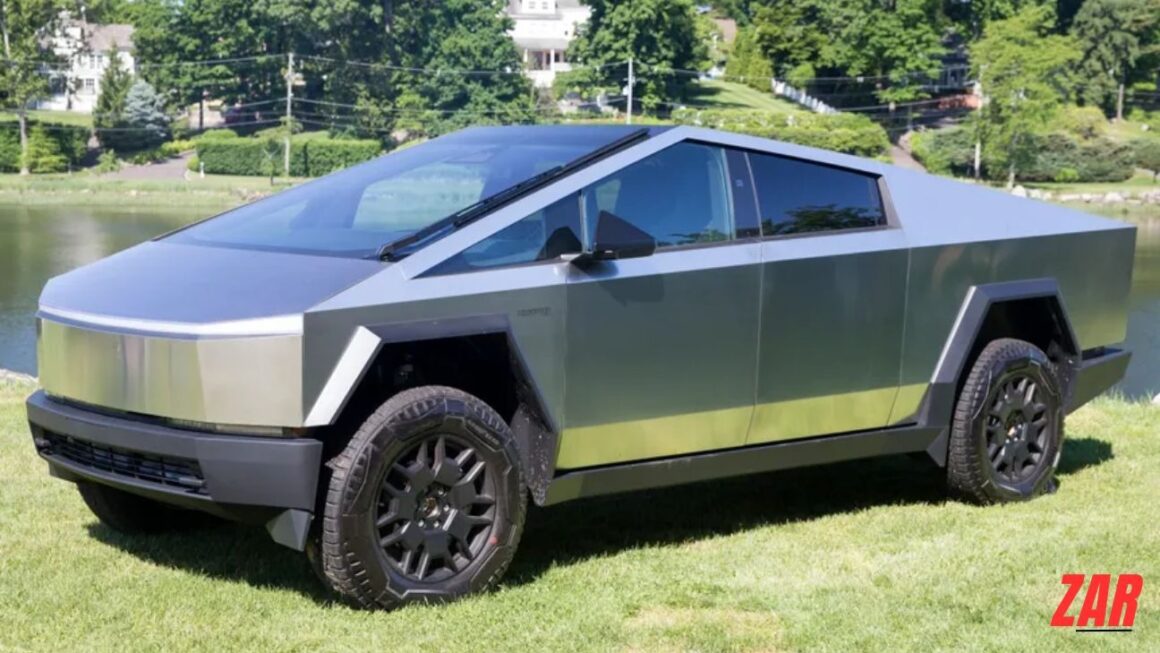
Inside, the Cybertruck follows Tesla’s minimalist philosophy with an 18.5-inch horizontal touchscreen controlling virtually all functions. Seats accommodate six passengers with front bench or individual seating configurations. Materials emphasize durability with synthetic surfaces, though premium options are available. Storage in the bed and trunk provides secure capacity. Three variants offer different capabilities: Rear-Wheel Drive produces approximately 300 horsepower with over 400 km range, Dual Motor AWD produces 600 horsepower with 480 km range, and Tri-Motor AWD produces 845 horsepower with 515 km range. The Tri-Motor achieves 0-100 km/h in 2.6 seconds. Towing capacity reaches 6,350 kg on Tri-Motor variants. In Nigeria, pricing is estimated between ₦120,000,000 and ₦180,000,000 depending on variant. Energy consumption varies between 35 and 45 kWh per 100 km depending on driving conditions.
Hummer EV SUV
The GMC Hummer EV SUV resurrects the Hummer nameplate as an all-electric super truck emphasizing extreme capability and bold styling. The exterior features aggressive proportions with a massive grille area housing illuminated Hummer branding, vertical LED headlights, and pronounced fender flares. Wheel arches accommodate up to 35-inch tires on 18-inch wheels, and ground clearance reaches 395 mm in Extract Mode. Removable roof panels called Infinity Roof provide open-air driving experiences. Available colors include Lunar Shadow, Stellar Black, and Lunar Horizon. Functional elements include recovery points, underbody armor, and rock sliders.
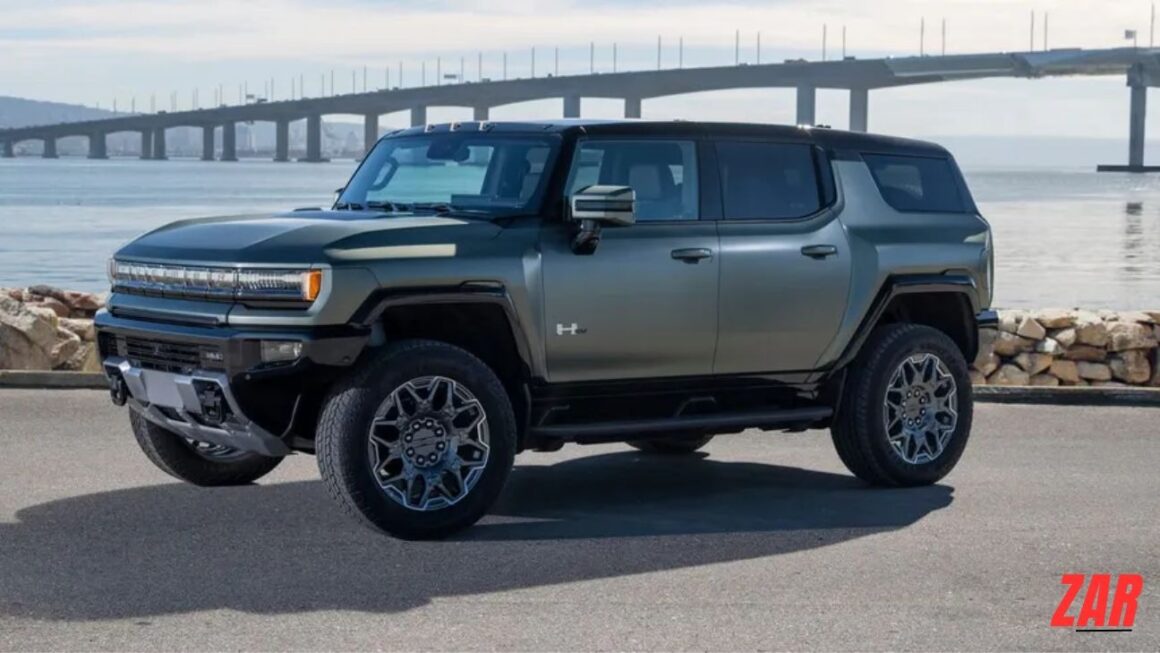
Inside, the Hummer EV provides a refined cabin with premium materials including leather and microsuede, large touchscreen displays, and comprehensive technology integration. The 13.4-inch diagonal touchscreen controls infotainment while a 12.3-inch digital instrument cluster provides driving information. Seating accommodates five passengers. Unique features include the UltraVision camera system with 18 views and CrabWalk mode for diagonal movement. Three electric motors produce 830 horsepower and 1,593 Nm of torque in top specification, delivering 0-100 km/h in 3.5 seconds. The battery pack is approximately 200 kWh providing up to 500 km of range. Extract Mode raises suspension for maximum ground clearance while adaptive air suspension offers multiple height settings. In Nigeria, pricing is estimated between ₦250,000,000 and ₦350,000,000. Energy consumption averages 40 to 50 kWh per 100 km.
Land Rover Range Rover Electric
The upcoming Land Rover Range Rover Electric maintains the brand’s luxury SUV heritage while incorporating zero-emission powertrain technology. The exterior preserves Range Rover’s signature design elements including the floating roofline, clamshell hood, and elegant proportions that define the brand. The front fascia features a closed grille with illuminated Range Rover badge, sleek LED headlights, and refined surfacing. The body showcases clean lines, flush door handles, and subtle aerodynamic optimization while maintaining the commanding presence Range Rover is known for. Available in sophisticated colors with various wheel options from 22 to 23 inches, the electric Range Rover projects understated luxury and capability. Ground clearance and off-road hardware maintain Land Rover’s legendary Terrain Response system adapted for electric powertrains.
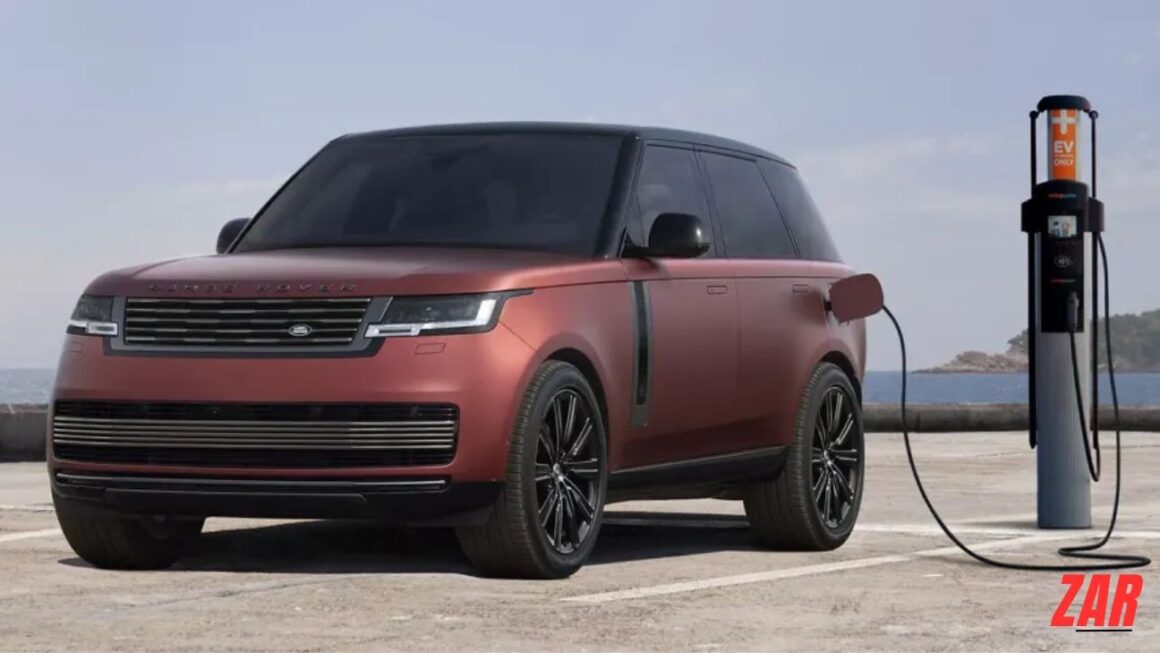
Inside, the Range Rover Electric delivers the brand’s renowned luxury with premium Windsor leather, real wood veneers, and meticulous craftsmanship throughout. The cabin accommodates five passengers with exceptional space, particularly in the rear where executive seating provides first-class comfort. The dashboard features dual high-resolution touchscreens for upper infotainment and lower climate control, digital instruments, and comprehensive connectivity. Seats offer extensive adjustment, massage, heating, ventilation, and in rear positions, reclining capabilities with extending leg rests. The panoramic sunroof, ambient lighting with multiple color options, and premium Meridian audio system create a serene, luxurious environment.
While specific powertrain details remain limited ahead of official launch, Land Rover confirms dual-motor all-wheel drive producing approximately 550+ horsepower with 0-100 km/h in under 5.0 seconds. Battery capacity estimated around 100-110 kWh should provide approximately 500+ km of range. The electric Range Rover retains advanced off-road systems including adaptive air suspension with multiple height settings, Terrain Response modes, and wade sensing for water crossings. In Nigeria, estimated pricing would be approximately ₦220,000,000 to ₦300,000,000 depending on specification. Energy consumption is expected around 30-35 kWh per 100 km in normal driving.
Ford F-150 Lightning
The Ford F-150 Lightning translates America’s best-selling vehicle into electric form while maintaining truck capability and versatility. The exterior closely resembles gasoline F-150 models with familiar proportions, though the front features a closed grille with full-width LED light bar distinguishing it as electric. The body maintains F-150’s functional design with various cab configurations, bed lengths, and wheel options from 18 to 22 inches. Available colors include Antimatter Blue, Lariat Orange, and Iconic Silver among others. Ground clearance is modest at 216 mm for a traditional pickup, though sufficient for light off-road use and work site access. The aluminum body construction keeps weight manageable despite the battery pack.
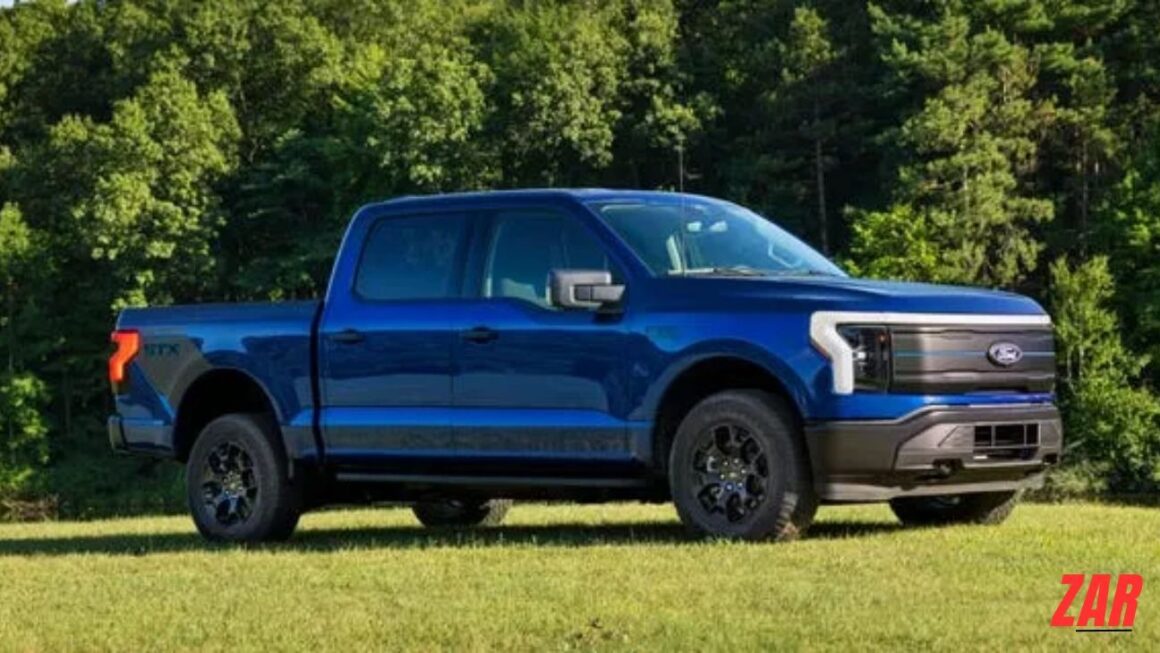
Inside, the Lightning provides modern truck luxury with available leather seating, premium materials, and comprehensive technology. The cabin accommodates five or six passengers depending on front seating configuration. The 15.5-inch portrait-oriented touchscreen running Ford’s SYNC 4A system controls infotainment, navigation, and vehicle settings. Digital instruments provide customizable displays while physical controls remain for key functions. The Lightning includes unique features like the Mega Power Frunk, a massive front trunk offering 400 liters of lockable, weatherproof storage plus multiple power outlets. The bed includes integrated scales, multiple power outlets, and Ford’s available Pro Trailer Backup Assist. Standard Range battery (approximately 98 kWh) provides 370+ km range while Extended Range battery (approximately 131 kWh) provides 480+ km range. Dual motors produce 452 horsepower on Standard Range or 580 horsepower on Extended Range, achieving 0-100 km/h in approximately 4.0 seconds. Towing capacity reaches 4,500 kg on Extended Range models. In Nigeria, estimated pricing would be approximately ₦100,000,000 to ₦140,000,000 depending on configuration. Energy consumption averages 35-40 kWh per 100 km unloaded.
Bollinger B1 & B2
The Bollinger B1 (SUV) and B2 (pickup) represent minimalist, purpose-built electric off-road vehicles emphasizing utility over luxury. The exterior features a brutally simple boxy design with flat body panels, exposed fasteners, and utilitarian aesthetic reminiscent of military vehicles. The front showcases a simple grille-less face with rectangular LED headlights, while the body eliminates unnecessary styling flourishes in favor of functional elements. Both vehicles feature removable roof panels, fold-down windshields, and doors that can be removed entirely. The aluminum body construction prioritizes durability and repairability. Available primarily in single color options with various wheel choices, Bollinger vehicles make no concessions to conventional aesthetics. Ground clearance reaches 254 mm with massive tire clearance allowing for significant upgrades.
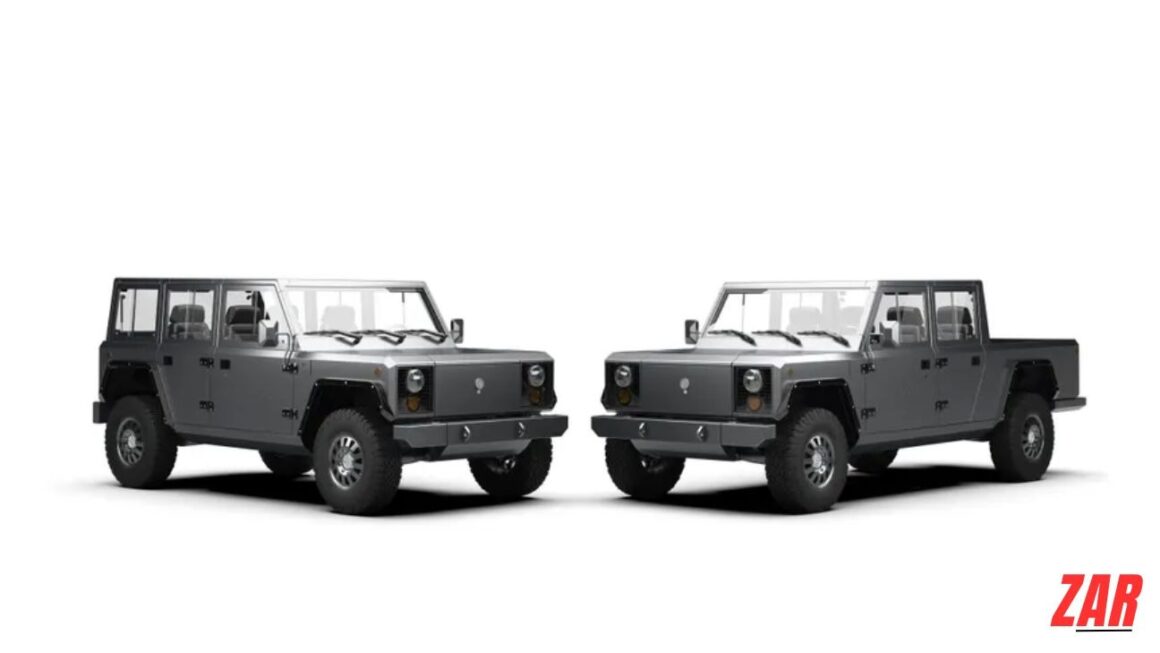
Inside, Bollinger provides spartan accommodations with four seats featuring durable cloth or vinyl upholstery, exposed metal surfaces, and minimal technology. The dashboard includes basic digital displays for essential information while physical switches control most functions. The focus is absolute utility with storage solutions, tie-down points, and pass-through tunnels allowing lumber or kayaks to be carried inside the vehicle. The cabin can be completely hosed out for cleaning after muddy adventures. Dual motors, one per axle, produce combined 614 horsepower and 906 Nm of torque. The battery pack, approximately 120 kWh, provides around 320 km of range. Hydropneumatic suspension provides adjustable ride height with extreme articulation for rock crawling. Both front and rear lockers, aggressive approach/departure angles, and 762 mm water fording capability provide serious trail credentials. Payload capacity reaches 2,268 kg while towing capacity reaches 3,402 kg. In Nigeria, estimated pricing would be approximately ₦150,000,000 to ₦190,000,000. Energy consumption averages 38-45 kWh per 100 km.
Lotus Eletre
The Lotus Eletre represents British sports car maker Lotus’s first SUV, emphasizing on-road performance while maintaining surprising off-road capability. The exterior features aerodynamic sculpting with active elements including grille shutters and deployable rear spoiler optimizing efficiency and stability. The front showcases slim LED headlights, dramatic air intakes, and Lotus’s distinctive design language. The body features flowing surfaces, carbon fiber elements, and lightweight construction philosophy applied to SUV format. Available in sophisticated colors with large wheel options from 20 to 23 inches, the Eletre projects performance luxury. Ground clearance is modest but adequate, while the air suspension provides multiple height settings including off-road mode raising the vehicle for obstacle clearance.
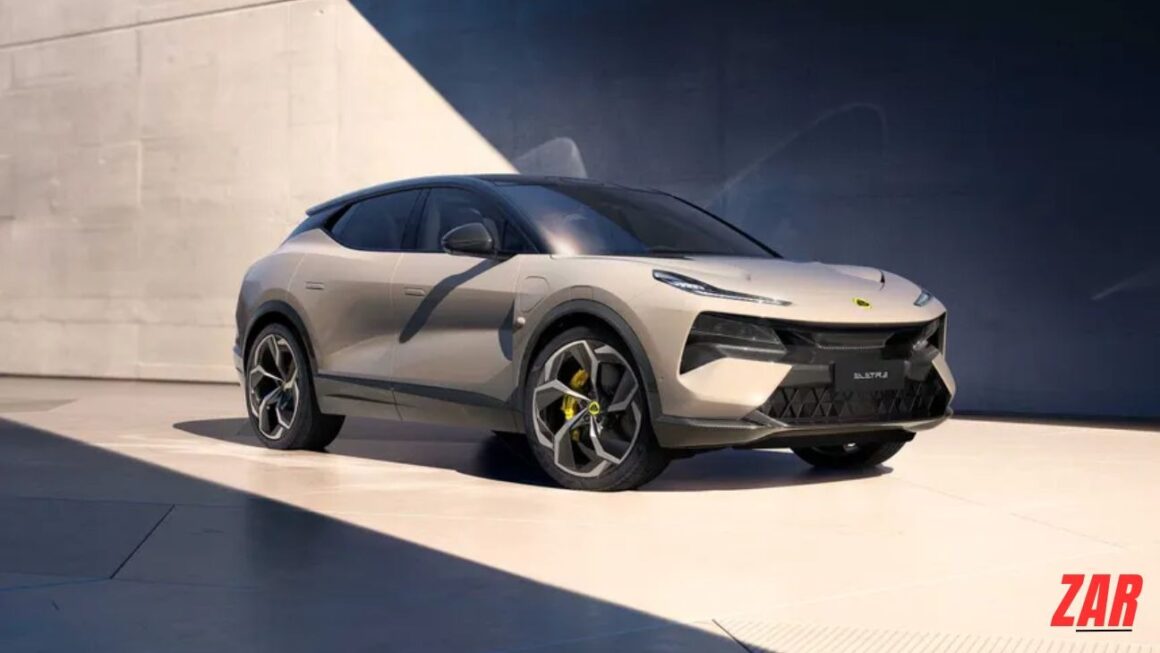
Inside, the Eletre delivers modern luxury with premium materials including sustainable fabrics, leather alternatives, and carbon fiber accents. The minimalist dashboard features a 15.1-inch OLED touchscreen, digital instruments, and driver-focused ergonomics. Seating accommodates five passengers with supportive sport seats offering extensive adjustment. The panoramic glass roof, premium KEF audio system, and ambient lighting create an upscale environment. While primarily a performance SUV, the Eletre includes all-wheel drive and sufficient capability for light trails and adverse weather conditions. Dual motors produce up to 905 horsepower in Eletre R specification, achieving 0-100 km/h in 2.95 seconds, making it one of the quickest SUVs available. Standard Eletre produces 603 horsepower with 0-100 km/h in 4.5 seconds. The battery pack, approximately 112 kWh, provides up to 600 km of range in standard driving. In Nigeria, estimated pricing would be approximately ₦180,000,000 to ₦250,000,000 depending on variant. Energy consumption averages 25-30 kWh per 100 km for the standard model.
Conclusion
Off-road electric SUVs demonstrate impressive capability with instant torque and precise control enhancing trail performance, but Nigeria’s infrastructure reality fundamentally limits their practicality. Charging stations exist only in major cities while adventure destinations remain hours from electrical outlets, making range anxiety a constant concern.
For Nigerian off-road enthusiasts, the question isn’t whether electric SUVs can handle trails technically, they clearly can. It’s whether you’re willing to accept infrastructure limitations that combustion vehicles don’t face. If your adventures stay near Lagos or Abuja with charging access, electric SUVs deliver impressive performance and environmental benefits.


