


Jetour, established in 2018 as a subsidiary of China’s Chery Automobile Holdings, has rapidly positioned itself as a competitive force in Nigeria’s SUV market. The brand specializes in producing sport utility vehicles that emphasize spacious interiors, modern technology, and value-driven pricing. Backed by Chery’s decades of automotive experience, Jetour targets buyers seeking alternatives to established Japanese and Korean brands without sacrificing features or build quality.
[wheelzar_review]
By 2025, Jetour Nigeria offers a diverse lineup spanning compact crossovers to rugged off-road SUVs. The collection includes the X70, X70 Plus, X90 Plus, Dashing, and the recently launched T2 Traveller. Prices range from approximately ₦45 million to ₦105 million depending on model and variant. This guide examines each vehicle’s design, interior quality, performance specifications, pricing, and suitability for Nigerian driving conditions.
Jetour X70
The X70 presents a traditional SUV silhouette measuring 4,720mm in length, 1,900mm in width, and 1,695mm in height. The exterior features a prominent chrome-detailed grille flanked by LED headlights, integrated roof rails, and 18-inch alloy wheels. Body lines remain balanced and conservative, appealing to family-oriented buyers who prioritize function over aggressive styling. The design incorporates front and rear parking sensors, LED daytime running lights, and a rear spoiler that adds subtle sportiness to the otherwise practical profile.
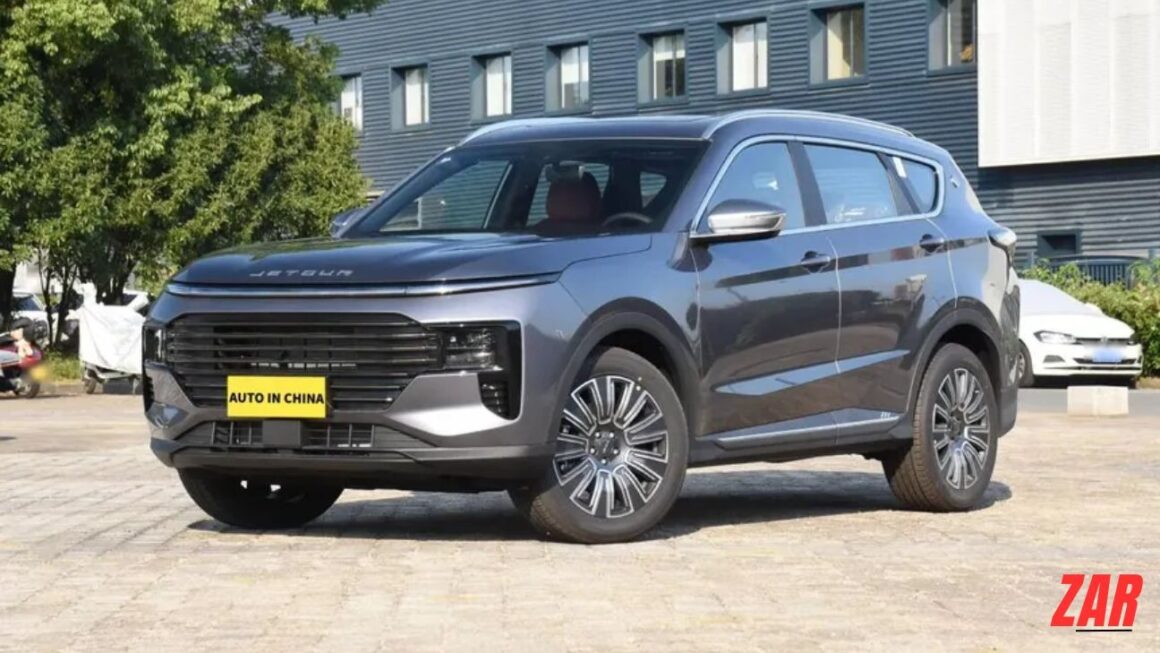
The X70 utilizes a 1.5-liter turbocharged four-cylinder petrol engine producing 156 horsepower (116 kW) and 230 Nm of torque. Power routes through a 6-speed dual-clutch transmission to the front wheels. The 55-liter fuel tank supports city and highway driving with reasonable fuel consumption for its size. Acceleration proves adequate for daily commuting and highway merging, though the X70 prioritizes efficiency and comfort over outright performance. Top speed reaches approximately 180 km/h. Pricing for the Jetour X70 in Nigeria starts around ₦45-50 million. These figures represent brand new units with full import duties paid, though prices vary by dealer, optional equipment packages, and market conditions.
Jetour X70 Plus
The X70 Plus elevates the base X70’s design with more pronounced styling elements. At 4,724mm long, 1,900mm wide, and 1,720mm tall, it maintains similar dimensions while incorporating chrome accents along the side profile, a more aggressive front fascia with larger air intakes, and distinctive 19-inch multi-spoke alloy wheels. The front grille features a hexagonal pattern with chrome surround, while LED headlights and taillights provide modern illumination.
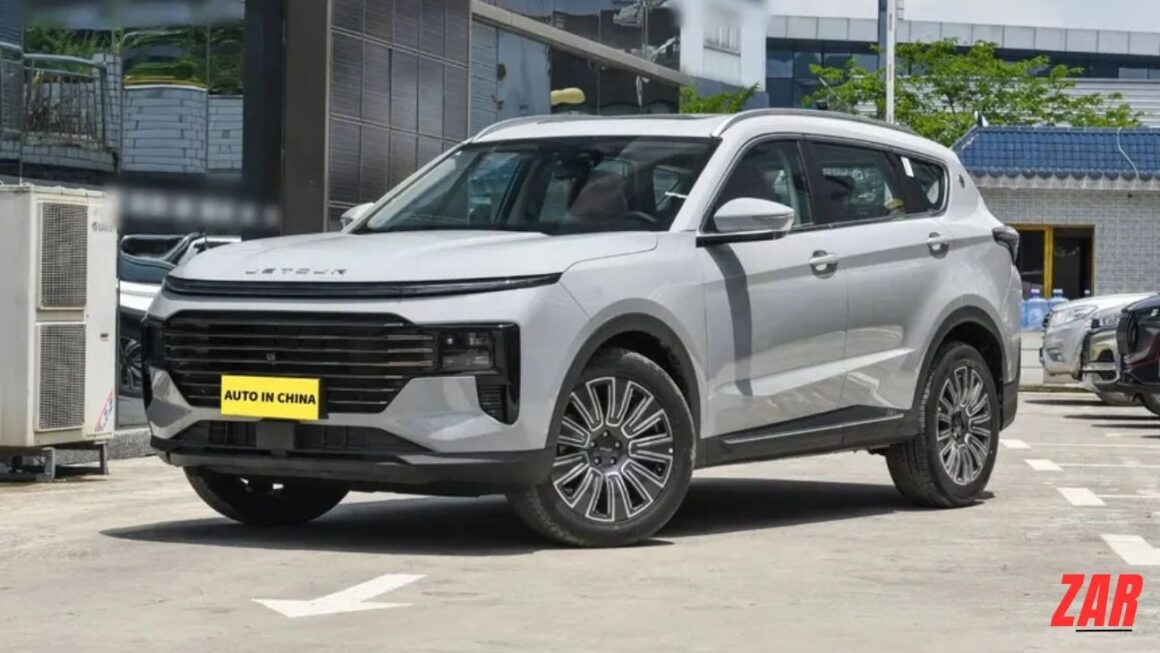
Two engine options power the X70 Plus globally, though Nigerian market availability centers on the 1.5-liter turbocharged unit delivering 156 hp and 230 Nm, paired with a 6-speed dual-clutch transmission. The more powerful 1.6-liter turbocharged engine produces 197 hp (145 kW) and 290 Nm, mated to a 7-speed DCT. The larger engine provides stronger acceleration and highway performance with a 180 km/h top speed. The 57-liter fuel tank supports extended driving range. The Jetour X70 Plus is priced between ₦50-88 million in Nigeria depending on engine choice and trim level. Higher-spec variants with the 1.6-liter engine command premium pricing but offer enhanced performance and features.
Jetour X90 Plus
The X90 Plus represents Jetour’s flagship SUV with commanding dimensions: 4,858mm length, 1,925mm width, and 1,780mm height. The exterior showcases a bold hexagonal chrome-plated grille, tri-LED headlight assemblies with integrated daytime running lights, and muscular wheel arches housing 20-inch alloy wheels. The elevated stance with 210mm ground clearance emphasizes capability and presence on Nigerian roads.
Inside, the X90 Plus delivers premium finishes rarely seen at this price point. Seven-seater configuration with genuine leather upholstery in black or reddish-brown color schemes creates an upscale environment. The dashboard features dual 12.3-inch HD displays—one serving as a digital instrument cluster, the other as a central infotainment touchscreen with seamless control integration.
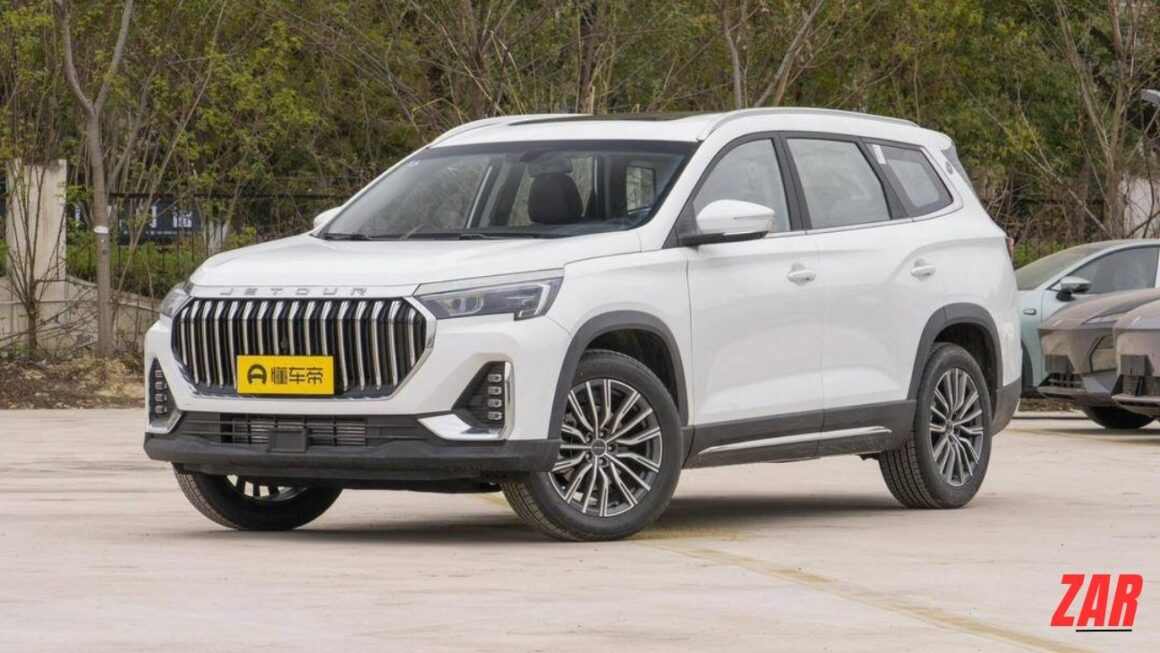
The X90 Plus employs a 1.6-liter turbocharged four-cylinder engine delivering 197 hp (145 kW) and 290 Nm of torque through a 7-speed dual-clutch transmission to front wheels. Some specifications mention a 2.0-liter engine producing 197 hp and 390 Nm in certain markets. The larger 65-liter fuel tank enables long-distance travel with reasonable fuel economy. Performance is adequate for its size, with a top speed of 185-200 km/h depending on specification. Nigerian pricing for the Jetour X90 Plus ranges from ₦50-105 million based on variant and dealer. The wide price range reflects different configurations, with fully loaded models approaching the upper end.
Jetour Dashing
The Dashing’s five-passenger cabin emphasizes technology and modern design. A massive 15.6-inch central touchscreen dominates the dashboard, running on a third-generation Snapdragon processor and supporting Apple CarPlay and Android Auto. An 8-inch LCD instrument cluster provides driver information, while a head-up display projects speed and navigation data onto the windshield.
The Dashing offers two petrol engine options. The base 1.5-liter turbocharged four-cylinder produces 156 hp (115 kW) and 230 Nm with a 6-speed dual-clutch transmission. The upgraded 1.6-liter turbo generates 197 hp (145 kW) and 290 Nm, also paired with a 7-speed DCT. Both front-wheel drive configurations deliver respectable performance with top speeds reaching 180-190 km/h. The 57-liter fuel tank provides adequate range for city and highway use. A plug-in hybrid (PHEV) variant exists in some markets, combining a 1.5-liter engine with dual electric motors for 326 hp combined output, though Nigerian availability remains limited to petrol versions.
Jetour Dashing prices in Nigeria range from ₦54-66 million for standard models. The stylish design and technology features appeal to younger buyers seeking contemporary crossover alternatives.
Jetour T2 Traveller
The T2 Traveller represents Jetour’s entry into the rugged off-road SUV segment with bold, boxy styling reminiscent of classic adventure vehicles. Measuring 4,785mm long, 2,006mm wide, and 1,880mm tall with a 2,800mm wheelbase, it offers substantial size and presence. The design features a prominent vertical-slat grille, squared-off body panels, wide wheel arches accommodating larger tires, and protective cladding along lower body sections.
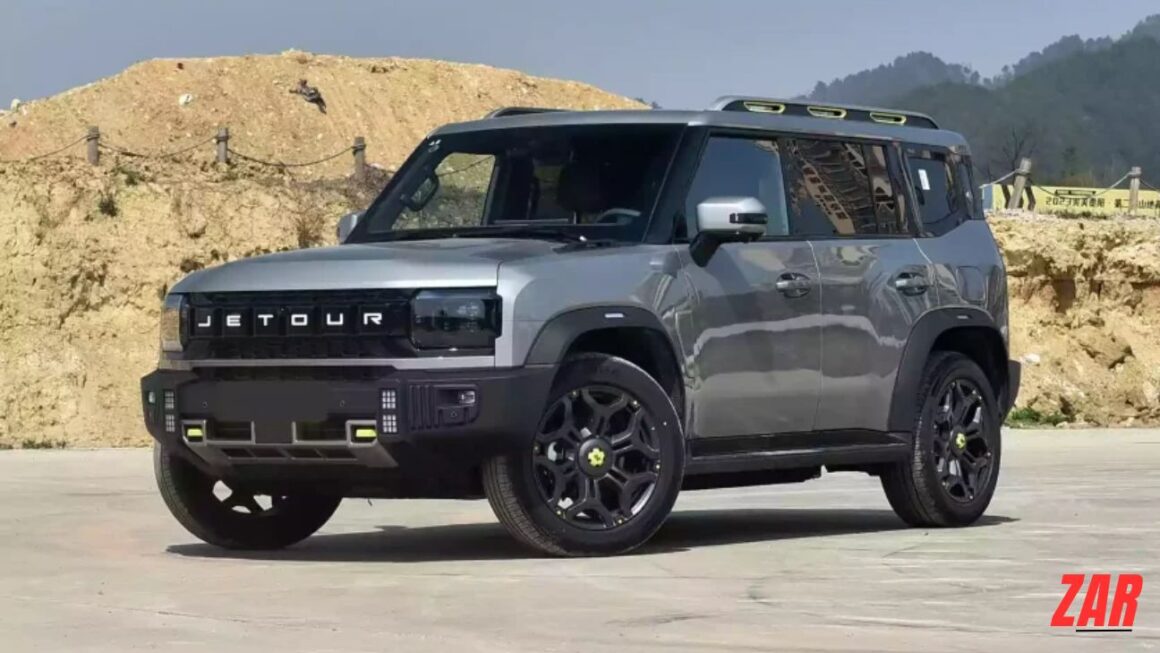
Nigerian market T2 models feature a 2.0-liter turbocharged four-cylinder petrol engine producing 187 kW (254 hp) and 390 Nm of torque—the most powerful in Jetour’s lineup. A 7-speed dual-clutch transmission sends power through an intelligent XWD four-wheel-drive system incorporating a BorgWarner torque manager and electronic limited-slip differential. The system allows switching between driving modes for different terrain conditions including sand, mud, snow, and rock.
A plug-in hybrid variant has been introduced with a 1.5-liter turbocharged engine paired with dual electric motors for combined output of 280 kW (375 hp) and 610 Nm torque. The PHEV features a 26.7 kWh lithium iron phosphate battery providing approximately 100km pure electric range, with fast charging, slow charging, and regenerative braking capabilities.
Nigerian pricing for the Jetour T2 Traveller petrol model ranges from ₦55-95 million depending on trim level and dealer. The PHEV variant commands higher pricing due to its advanced hybrid system, falling in the ₦85-105 million range where available.
Why Jetour Cars Works for Nigeria
Jetour’s SUV lineup addresses Nigeria’s challenging road infrastructure effectively. The high ground clearance across all models (160-220mm) handles potholes, speed bumps, and uneven surfaces common in both urban and rural areas. The T2 Traveller’s robust construction and 4WD system proves particularly valuable for areas with poor road maintenance or seasonal flooding. Lagos and Abuja’s congested traffic benefits from the X70 and Dashing’s compact dimensions and fuel-efficient engines, while the X90 Plus serves families requiring three-row seating for school runs and intercity travel.
Nigeria’s tropical climate with high temperatures and humidity finds Jetour’s climate control systems, cabin filtration, and heat-resistant materials well-suited to local conditions. Fuel availability for petrol engines presents no concerns, though the emerging PHEV models align with Nigeria’s growing green energy initiatives. The vehicles’ MacPherson strut front and multi-link rear suspension systems absorb rough road impacts while maintaining ride comfort.
Considering a Purchase?
Jetour Nigeria maintains dealerships in Lagos, Abuja, Port Harcourt, and Benin, providing sales and service access for major population centers. The brand offers competitive warranty coverage including five-year/150,000km vehicle warranties and ten-year/1,000,000km engine warranties on some models—significantly longer than many competitors. Service intervals follow standard schedules, with maintenance costs remaining competitive due to parts commonality with Chery vehicles.
Parts availability represents a developing concern as the brand establishes its Nigerian presence. Major components and common service items are stored adequately at dealerships, though specialized parts may require ordering from China with associated delays. Security considerations favor Jetour’s lower profile compared to premium brands like Toyota and Land Rover that attract theft attention. Insurance costs remain moderate, though comprehensive coverage becomes essential given parts replacement challenges. Fuel costs vary with engine size, with the 1.5-liter units offering best economy and the 2.0T commanding premium fuel. Resale values are still established as the brand builds market recognition.
How Jetour Stacks Up Against the Competition
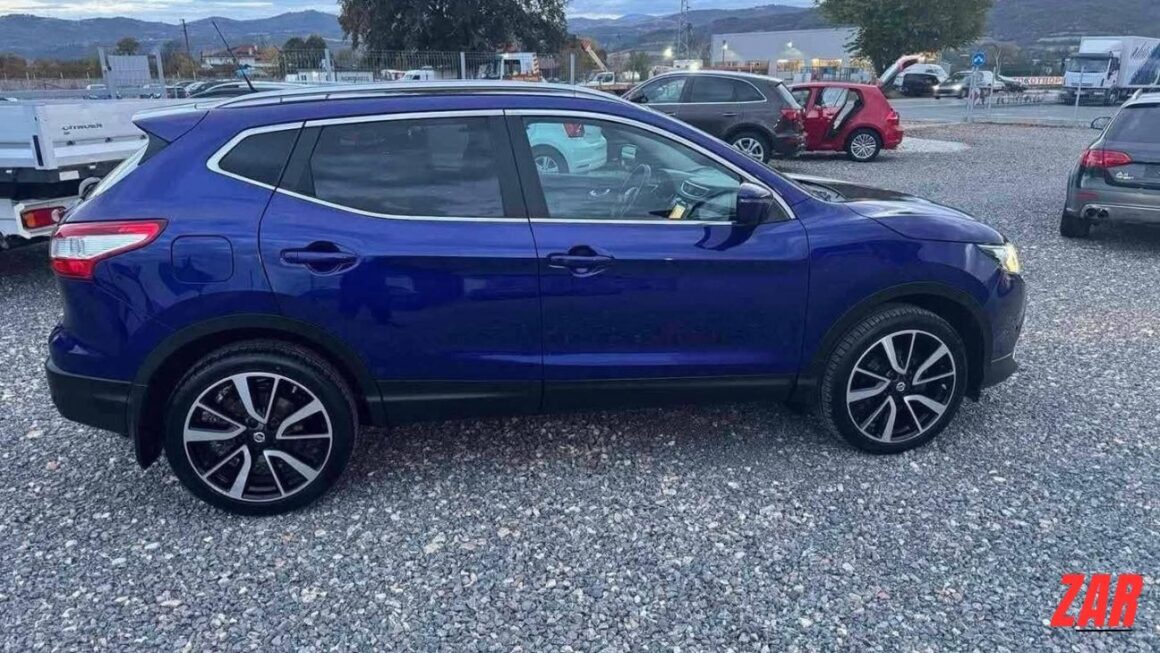
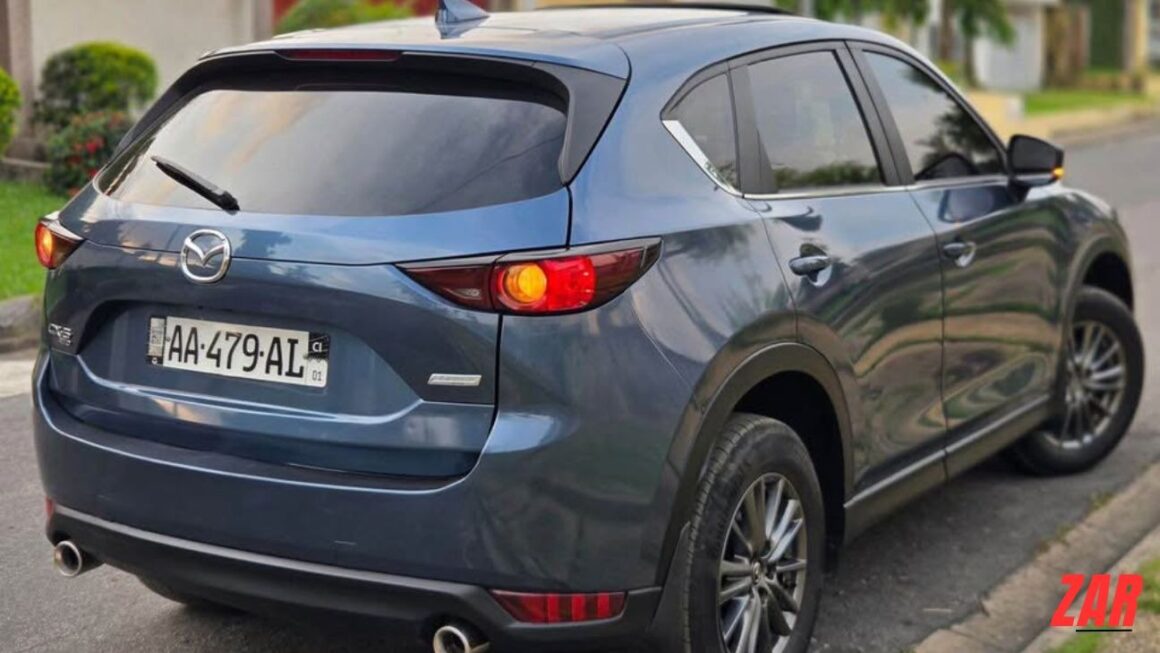
Jetour’s pricing strategy directly challenges established competitors. The X70 at ₦45-50 million undercuts the Honda CR-V (₦55-70 million) and Hyundai Tucson (₦50-65 million) while offering comparable features. The X90 Plus competes with the Hyundai Santa Fe (₦60-85 million) and Kia Sorento (₦58-80 million), matching their three-row practicality at competitive or lower pricing. The Dashing targets younger buyers considering the Mazda CX-5 (₦45-60 million) and Nissan Qashqai (₦40-55 million) with superior technology specifications.
Feature-for-feature, Jetour vehicles often include equipment that competitors reserve for higher trims—panoramic sunroofs, dual screens, 360-degree cameras, and advanced driver assistance systems. This value proposition makes Jetour compelling for budget-conscious buyers unwilling to compromise on amenities. However, brand prestige remains Jetour’s challenge against Toyota, Honda, and Hyundai’s established reputations. The T2 Traveller enters the growing adventure SUV segment, competing with the Toyota Fortuner (₦70-95 million) and Ford Everest (₦65-90 million) with comparable capability at competitive pricing.
Conclusion
Jetour’s Nigerian portfolio demonstrates the brand’s commitment to delivering feature-rich SUVs at accessible price points. From the practical X70 family hauler through the sophisticated X90 Plus flagship to the adventure-ready T2 Traveller, each model addresses specific buyer needs with competitive specifications and generous equipment levels.
The extended warranty coverage, modern technology integration, and growing dealership network indicate Jetour’s serious investment in the Nigerian market. Challenges remain regarding parts availability, resale values, and brand perception compared to Japanese and Korean stalwarts.


