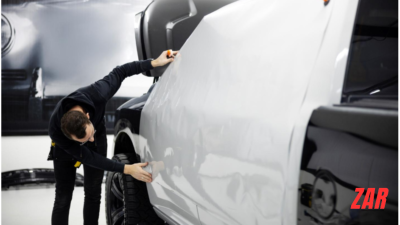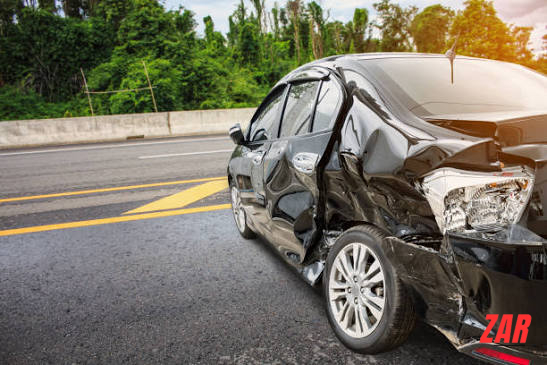
Buying a used car in Nigeria requires careful inspection because many vehicles on the market have hidden histories that are not immediately obvious. One of the biggest risks buyers face is purchasing an accident-damaged vehicle that has been repaired and presented as a clean Nigerian-used or Tokunbo car.
Accident vehicles are often repaired professionally enough to look attractive from the outside. Fresh paint, polished bodywork and a clean interior can make a damaged vehicle appear almost new. However, poor repairs can create serious problems that affect safety, driving stability, tyre wear, suspension performance and long-term reliability.

A vehicle that has suffered major collision damage may develop problems such as steering misalignment, uneven tyre wear, vibration, suspension issues, electrical faults and reduced crash protection. In severe cases, structural repairs may affect how the vehicle performs during another accident.
This is why accident inspection should be one of the most important steps before buying any used vehicle in Nigeria. A proper inspection combines visual checks, driving tests, vehicle history verification and an independent mechanical assessment.
For imported vehicles, checking the vehicle identification number (VIN) history is especially important. Services such as CARFAX Vehicle History Reports and AutoCheck Vehicle History Reports can sometimes reveal previous accident records, salvage history or insurance claims from the vehicle’s country of origin.
Why Accident History Matters When Buying a Used Car
Not every accident-repaired vehicle is automatically a bad purchase. Some vehicles are repaired correctly using original parts and professional repair methods. The problem is that buyers often cannot easily determine whether repairs were performed properly.
Poor accident repairs can affect the vehicle in several ways. A damaged chassis or frame that was incorrectly repaired may cause alignment problems, unstable handling and uneven tyre wear. Incorrectly installed airbags or safety components may also fail when they are needed most.
Many vehicles imported into Nigeria come from auction markets abroad, where some cars are sold after being declared salvage because of accident damage. After repairs, some of these vehicles enter the used-car market without buyers knowing their complete history.
This makes inspection extremely important. A vehicle should not be judged only by appearance, price or the seller’s explanation.
Check Panel Gaps and Body Alignment
One of the easiest ways to identify possible accident repairs is by examining the alignment of the vehicle’s body panels.
Walk around the entire car slowly and inspect the spaces between the bonnet, doors, fenders, headlights, boot and rear panels. On a properly assembled vehicle, these gaps should appear even and consistent from one side to the other.

Uneven panel gaps can indicate that a section of the vehicle was repaired after a collision. For example, if the bonnet sits higher on one side, one door has a wider gap than the opposite side, or a fender does not align properly with the headlight, the vehicle may have experienced previous body damage.
Open and close every door, the bonnet and the boot. They should operate smoothly without requiring excessive force.
Pay attention to:
- Doors that need to be lifted before closing
- Panels that do not sit flush
- Gaps that change between the top and bottom of a door
- Rattling sounds after closing
- Uneven alignment between headlights and body panels
These signs do not always prove accident damage, but they are strong reasons to investigate further.
Inspect the Paintwork Carefully
Paint inspection is one of the most useful methods for detecting repaired accident areas.
Always inspect the vehicle in natural daylight. Indoor lighting can hide colour differences and make poor repairs appear better than they really are.
Look at each panel from different angles and compare the paint finish across the vehicle.
Common accident repair signs include:
- Different shades of paint between panels
- Fresh paint on only certain sections of the vehicle
- Paint overspray on rubber seals or plastic trims
- Paint around window edges
- Rough or uneven paint texture
- Visible transition lines between old and new paint
Factory paint usually has a consistent finish because it is applied under controlled conditions. Repaired panels may have a slightly different texture or shine.
Run your hand gently across the body panels. Repaired areas may feel different because of sanding marks, filler underneath the paint or uneven preparation.
It is important to understand that repainting alone does not always mean accident damage. Cars can be repainted because of scratches, fading or cosmetic repairs. However, repainting combined with uneven panel gaps or structural signs should raise concern.
Use the Magnet Test to Detect Body Filler
A simple magnet test can help identify areas where heavy body filler has been used.
Body filler, sometimes called putty or bondo, is commonly applied during repairs to smooth dents before repainting. Small amounts may be normal during minor repairs, but excessive filler can hide major collision damage.
To perform the test:
- Use a small magnet.
- Wrap it with a soft cloth to prevent scratching the paint.
- Place it against different metal panels.
- Compare the strength of attraction in different areas.
On normal metal panels, the magnet should stick firmly.
If the magnet sticks weakly or does not stick at all, thick filler may be present underneath.
Check areas such as:
- Front fenders
- Doors
- Rear quarter panels
- Bonnet
- Boot lid
A large area where the magnet does not attach properly can indicate significant body repair.
Inspect Under the Bonnet and Inside the Boot
Some of the strongest accident indicators are hidden in areas that are not immediately visible.
Open the bonnet and carefully inspect the engine bay.
Look for:
- Fresh paint in unusual locations
- Different paint colours inside the engine compartment
- Welding marks
- Uneven metal seams
- Bent support sections
- Missing factory markings
A serious front-end collision can damage structural areas around the engine compartment. Even after repairs, evidence may remain.
The boot area should also be inspected, especially underneath the carpet and around the spare tyre compartment.
Check for:
- Fresh welding
- Uneven metal surfaces
- Different paint textures
- Excess sealant
- Repaired sections
Rear-end collisions can damage areas that are expensive and difficult to repair properly.
Check the Undercarriage and Frame
The vehicle frame is one of the most important areas to inspect because structural damage can affect safety.
A damaged frame may cause the vehicle to behave differently on the road even if the exterior looks perfect.
Ask a mechanic to inspect underneath the vehicle for:
- Welding marks
- Bent chassis sections
- Fresh undercoating hiding repairs
- Uneven frame rails
- Unusual rust patterns
Some sellers apply underbody coating to make repairs harder to detect.
Frame damage is among the most serious types of accident damage. If there are signs that the main structure of the vehicle has been repaired, many buyers should consider walking away.
Test Drive for Accident-Related Problems
A proper test drive can reveal problems that are difficult to notice while the vehicle is parked.
Drive the vehicle on both smooth and uneven roads if possible.
Pay attention to steering behaviour.
A properly repaired vehicle should travel straight without constant correction.
Warning signs include:
- Vehicle pulling to one side
- Steering wheel sitting off-centre
- Excessive steering play
- Difficulty maintaining a straight line
These issues may indicate alignment problems or possible structural damage.
Listen carefully when driving over bumps.
Unusual sounds such as knocking, clunking or creaking may indicate suspension problems caused by accident damage or poor repairs.
Also pay attention to vibration, especially at higher speeds.
Vibration can indicate problems with wheels, suspension components, alignment or previous structural repairs.
Inspect Tyre Wear Patterns
Tyres can reveal hidden alignment problems.
After an accident, suspension mounting points or steering components may not be perfectly restored.
Look for:
- Uneven wear on one side of tyres
- Different wear patterns between left and right tyres
- Excessive inner or outer edge wear
Uneven tyre wear does not always mean accident damage, but it is a reason to inspect the suspension and alignment carefully.
Check Airbags and Safety Systems
A major accident often affects the vehicle’s safety systems.
The airbag warning light should appear briefly when the ignition is turned on and disappear after the engine starts.
A warning light that remains active may indicate:
- Airbag faults
- Previous deployment
- Sensor problems
- Incorrect repairs
Some poorly repaired vehicles have airbags removed, replaced incorrectly or electronically disabled to hide problems.
An independent diagnostic scan can help identify airbag system issues.
Look for Interior Replacement Signs
Interior parts can also reveal accident history.
Be suspicious when certain interior components appear much newer than the rest of the vehicle.
Possible warning signs include:
- New dashboard sections
- New steering wheel in an old interior
- Seats that do not match the vehicle age
- Different coloured interior panels
These changes may indicate previous repairs after a serious accident.
They may also indicate other issues, so they should be considered alongside other inspection findings.
Verify Accident History Through VIN Reports
For Tokunbo vehicles, a VIN history check is one of the best ways to investigate accident history.
A vehicle history report may reveal:
- Previous collisions
- Salvage status
- Insurance claims
- Theft records
- Flood history
Some vehicles that were considered total losses in their original country are repaired and later exported.
A VIN check does not replace a physical inspection, but it provides valuable background information before purchase.
Get an Independent Mechanic Inspection
Even experienced buyers can miss hidden accident damage.
Before paying for a used vehicle, hire an independent mechanic who is not connected to the seller.
A qualified mechanic can inspect:
- Frame condition
- Suspension alignment
- Welding repairs
- Diagnostic fault codes
- Airbag systems
- Electrical components
- Hidden body damage
The inspection fee is usually small compared with the potential cost of buying a badly repaired accident vehicle.
Accident Red Flags That Should Make You Walk Away
Certain signs should immediately increase caution.
These include:
Uneven panel gaps
Usually indicates poor panel replacement or repair.
Mismatched paint colours
May indicate repaired accident areas.
Weak magnet attraction on panels
May indicate heavy body filler hiding damage.
Welding marks in structural areas
May indicate serious collision repair.
Vehicle pulling to one side
May indicate alignment or frame problems.
Airbag warning light staying on
May indicate previous collision damage.
When several of these signs appear together, the safest decision is usually to walk away.
Final Verdict
Identifying an accident car before purchase requires patience and careful inspection.
The most important checks include examining panel alignment, inspecting paint quality, testing for body filler, checking hidden structural areas, reviewing VIN history, test-driving the vehicle and getting an independent mechanic inspection.
A vehicle that looks clean and polished may still have serious hidden problems.
The smartest used-car buyers in Nigeria are not those who simply find the cheapest vehicle. They are those who verify the vehicle’s history, inspect carefully and understand what they are buying.
A properly repaired minor accident vehicle may still be acceptable, but cars with structural damage, poor welding repairs or hidden safety issues should generally be avoided.
In Nigeria’s 2026 used-car market, careful inspection can save buyers millions of naira and prevent years of unexpected repairs.