

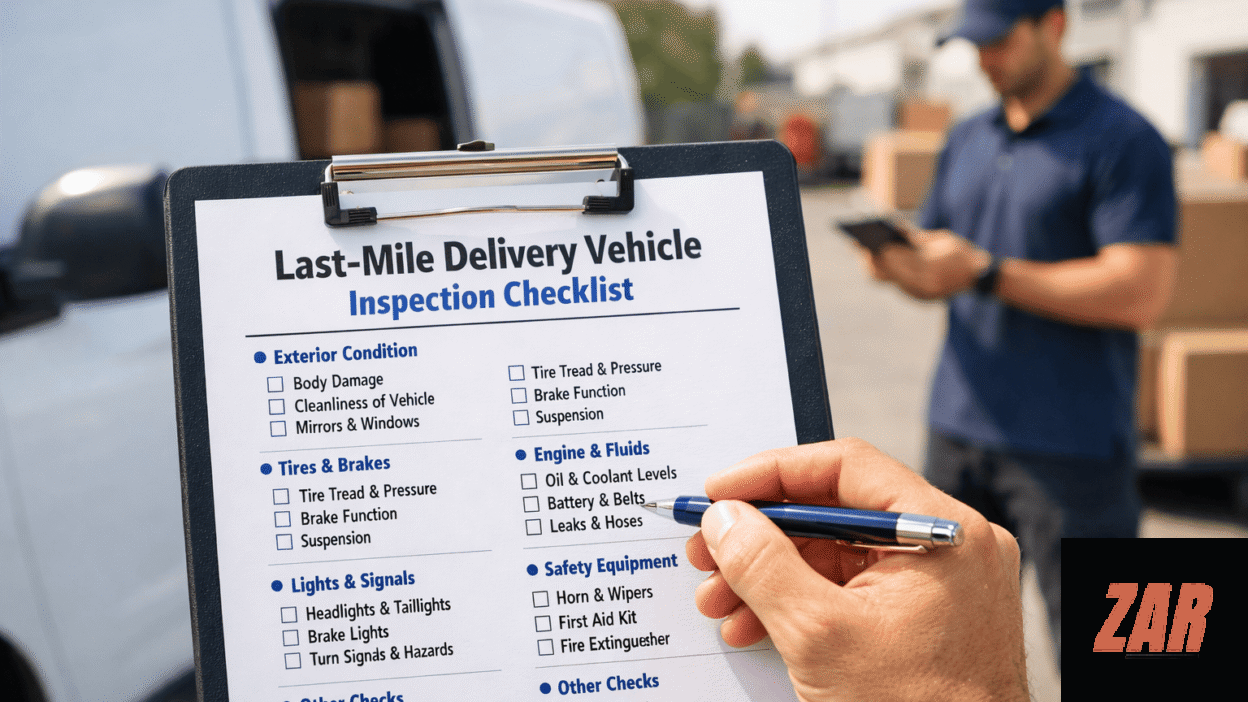
Buying a used or Tokunbo car in Nigeria requires careful inspection. A vehicle may look attractive on the outside but still have hidden problems such as accident repairs, flood damage, fake documentation, mechanical faults or expensive electrical issues.
This practical checklist helps buyers inspect important areas before making payment. It can be saved on a phone or printed and used during vehicle inspection.
1. Documents Inspection (Check First Before Anything Else)
Never start negotiating seriously or making payment before confirming that the vehicle documents are genuine.
A mechanically perfect vehicle with questionable documentation can become a major financial and legal problem.
Document Checklist
☐ Proof of Ownership or Vehicle Registration available
☐ Seller’s name matches ownership documents or proper transfer documents are available
☐ Customs duty papers available for Tokunbo vehicles
☐ Customs clearance status verified through official channels where applicable
☐ VIN or chassis number matches the vehicle and all documents
☐ Valid insurance documents available
☐ Valid roadworthiness certificate available
☐ Seller provides valid identification
☐ Vehicle history checked for accident, flood, salvage or theft records
The Vehicle Identification Number (VIN) is one of the most important checks.
The VIN should match across the dashboard area, door frame, engine bay or chassis location depending on the vehicle model.
Any mismatch between the vehicle and documents should be treated as a serious warning sign.
For imported vehicles, checking the history of the VIN can reveal previous accidents, salvage records, flood damage or other important information.
2. Exterior Inspection
The exterior inspection should be done during daylight and preferably when the vehicle is clean.
Poor lighting can hide paint differences, body repairs and accident damage.
Exterior Checklist
☐ Body panel gaps are even around bonnet, doors, boot and fenders
☐ No obvious mismatched paint colours between panels
☐ No paint overspray on rubber seals, edges or plastic areas
☐ Magnet sticks properly to metal panels
☐ No excessive use of body filler or putty
☐ No major dents or poor accident repairs
☐ No rust around wheel arches, door bottoms or underbody
☐ Headlights and rear lights are in good condition
☐ Mirrors are complete and functional
☐ Windscreen has no serious cracks or chips
☐ Tyres have even wear
☐ Tyres are not excessively old
Uneven panel gaps can indicate previous accident repairs.
Different paint shades or rough paint texture may show that certain panels have been repainted.
A magnet test can help identify areas where body filler may have been used after damage repairs.
Tyres should also be inspected carefully. Uneven tyre wear can indicate alignment problems, suspension issues or previous accident damage.
Check the tyre sidewall date code. Very old tyres may require replacement even if they still have visible tread.
3. Interior Inspection (Flood Damage Focus)
Flood damage is one of the biggest concerns when buying used cars in Nigeria, especially imported vehicles.
Water damage can create electrical problems that appear months after purchase.
Interior Checklist
☐ No musty or damp smell inside the cabin
☐ No excessive air freshener smell hiding another odour
☐ Carpets and floor mats are completely dry
☐ Areas underneath carpets have no water stains or mud
☐ Boot area and spare tyre compartment are clean and dry
☐ Seat rails and bolts show no rust or corrosion
☐ Seatbelts have no stains or mud marks
☐ All power windows work correctly
☐ Central locking works properly
☐ Mirrors operate correctly
☐ Interior lights work
☐ Radio and infotainment system function properly
☐ Air conditioning produces cold air
☐ Dashboard warning lights appear during ignition and disappear after starting
☐ Interior wear matches the claimed mileage
A strong musty smell, rusty seat rails or damp carpets should be treated seriously.
Flood-damaged vehicles may appear fine initially but develop expensive electrical faults later.
The condition of the steering wheel, pedals and seats should also match the claimed mileage. Excessive wear on a supposedly low-mileage vehicle may indicate odometer adjustment.
4. Engine Bay Inspection
The engine is one of the most important areas to inspect before buying.
A vehicle that looks clean externally can still have serious mechanical problems.
Engine Checklist
☐ Engine starts easily, preferably from cold
☐ Engine idles smoothly
☐ No knocking sounds
☐ No unusual rattling noises
☐ No excessive vibration
☐ No oil leaks
☐ No coolant leaks
☐ Engine oil condition checked on dipstick
☐ Oil is not thick, extremely dirty or milky
☐ No strong burnt smell
☐ No signs of recent engine washing to hide leaks
☐ Exhaust smoke appears normal
Exhaust smoke can reveal important engine problems.
Blue smoke may indicate that the engine is burning oil.
Persistent white smoke can suggest coolant entering the combustion system, possibly due to head gasket problems.
Black smoke may indicate fuel mixture issues.
A proper mechanical inspection should also include engine diagnostics where possible.
5. Undercarriage and Suspension Inspection
Many expensive problems are hidden underneath the vehicle.
The underbody should be inspected carefully, especially because Nigerian roads can put significant stress on suspension components.
Undercarriage Checklist
☐ No major oil or fluid leaks underneath
☐ No excessive rust
☐ No suspicious welding marks
☐ No bent frame sections
☐ Exhaust system is intact
☐ CV boots are not torn
☐ Suspension components appear healthy
☐ Shock absorbers work properly
☐ No unusual suspension noises
Push down on each corner of the vehicle.
A healthy suspension should settle quickly after movement.
If the vehicle continues bouncing excessively, the shock absorbers may be worn.
During the test drive, listen for knocking sounds when passing bumps.
6. Test Drive Inspection
Never buy a used car without driving it.
A proper test drive should include smooth roads and rough sections if possible.
Test Drive Checklist
☐ Automatic transmission changes smoothly
☐ No jerking during gear changes
☐ No slipping transmission
☐ No delayed engagement when selecting Drive or Reverse
☐ Manual clutch operates properly
☐ Brake pedal feels firm
☐ Vehicle stops straight without pulling
☐ No grinding or vibration during braking
☐ Steering tracks straight
☐ No excessive steering play
☐ No unusual noises during acceleration
☐ No suspension noises over bumps
☐ Air conditioning remains cold while driving
☐ Vehicle feels stable at speed
Transmission problems are among the most expensive repairs on used vehicles, so buyers should pay close attention to shifting behaviour.
7. Independent Mechanical Inspection
A professional inspection is one of the smartest investments before buying a used car.
The mechanic should not be chosen by the seller.
An independent mechanic protects the buyer by providing an unbiased assessment.
Final Inspection Checklist
☐ Independent mechanic inspection completed
☐ Diagnostic scan performed where possible
☐ Engine condition verified
☐ Transmission condition verified
☐ Suspension inspected
☐ Electrical systems checked
☐ Findings documented
☐ Repair costs estimated
☐ Final price negotiated based on inspection results
A proper inspection may cost approximately ₦10,000–₦50,000 depending on the vehicle and location.
This small expense can prevent millions of naira in unexpected repairs.
Major Red Flags – Walk Away From the Deal
Some warning signs are serious enough that buyers should reconsider the purchase.
Avoid the vehicle if you notice:
☐ Fake or incomplete documents
☐ VIN mismatch
☐ Clear flood damage signs
☐ Strong musty smell inside the vehicle
☐ Damp carpets or rusty seat rails
☐ Uneven panel gaps with fresh paint repairs
☐ Warning lights that remain active
☐ Knocking engine
☐ Heavy exhaust smoke
☐ Seller refuses independent inspection
☐ Seller pressures you to pay immediately
A good seller should allow proper inspection because they understand that serious buyers need confidence before payment.
Final Tips Before Buying a Used Car in Nigeria
Always inspect vehicles during daylight.
Never rely only on photographs or the seller’s description.
Do not allow excitement about a particular model to replace proper inspection.
Even popular vehicles such as Toyota Corolla, Toyota Camry, Honda Accord and Toyota RAV4 should be carefully checked before purchase.
A clean vehicle with proper maintenance history is usually a better investment than a newer vehicle with hidden problems.
The smartest used-car buyers are those who verify documents, inspect carefully, involve an independent mechanic and negotiate based on facts.
In Nigeria’s 2026 used-car market, a thorough inspection remains the best protection against buying a vehicle that becomes a financial burden.