If your vehicle has been slow to start or you have had to jump-start it more than once in recent weeks, a failing battery is likely the culprit. The question most Nigerian car owners face at that point is straightforward but important. How much does it cost to replace a car battery in Nigeria, and what battery is actually worth buying?
Car battery prices in the country today generally range from around ₦45,000 to well over ₦150,000, depending on the brand, capacity, and type of battery you need. Labor costs for installation are relatively modest, with most mechanics charging between ₦2,000 and ₦5,000. This means the battery itself accounts for the bulk of your total replacement cost. Understanding what drives that price, which brands dominate the local market, and what to watch for when buying will help you make a confident and cost-effective decision.
Signs Your Car Battery Needs to Be Replaced
Knowing when to replace your battery is just as important as knowing what to replace it with. Most batteries have a service life of three to five years, but Nigeria’s heat, stop-and-go traffic, and intermittent deep discharge cycles from frequent short trips and heavy electrical loads can accelerate wear significantly.
- Slow Cranking or Hesitation on Startup
This is the most common and recognizable sign. When you turn the key and the engine groans or hesitates before catching, the battery is struggling to deliver the burst of current needed to start the engine. This usually worsens over days or weeks before the battery completely fails.
- Frequent Need for Jump Starting
A frequent need for jump-starting is a clear signal that the battery can no longer hold sufficient charge. If getting a jump start has become a weekly or daily routine, the battery has deteriorated well beyond recovery.
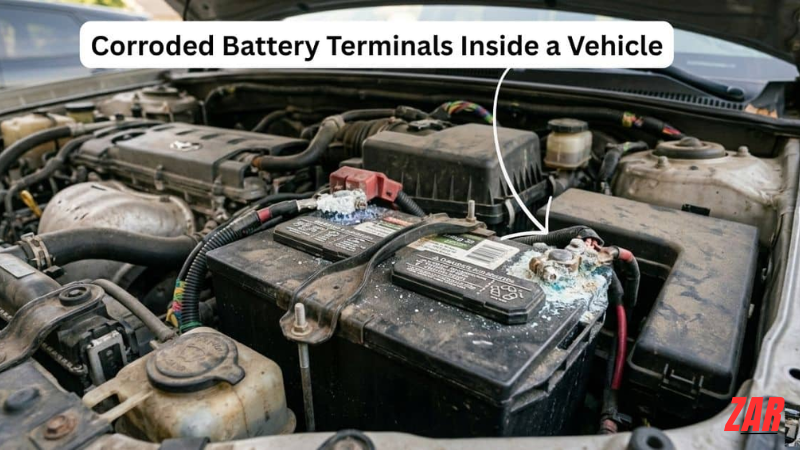
- Visible Swelling or Terminal Corrosion
Visible swelling or corrosion around the battery terminals or casing points directly to internal damage. Heat causes batteries to swell, and once a battery is physically deformed, it should be replaced promptly, regardless of how it tests electrically.
- Erratic Electrical Issues Inside the Vehicle
Electrical issues inside the vehicle can also trace back to a weakening battery that can no longer maintain consistent voltage under load. Flickering interior lights a sluggish infotainment system or accessories that behave erratically are all common symptoms of this significant voltage drop.
- Dashboard Warning Lights
The check engine or battery warning light appearing on your dashboard is another indicator worth taking seriously. While it does not always mean the battery itself is the problem, as it could point to the alternator or another component in the charging system it certainly warrants proper diagnostic testing.
What Determines Car Battery Price
- Battery capacity and ampere-hour rating
- Brand reputation and country of origin
- Battery type and chemical composition
- Foreign exchange rates and import duties
- Point of purchase and vendor reliability
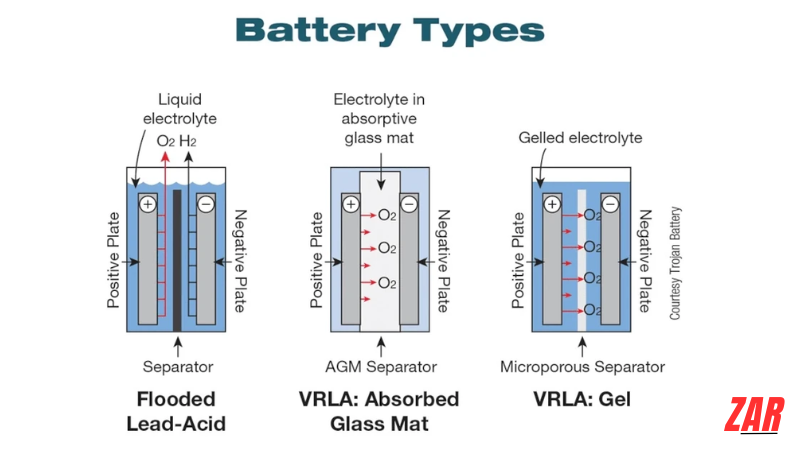
The cost of a replacement car battery is primarily driven by its ampere-hour rating, brand, and underlying technology. A basic 45Ah unit for a compact sedan will naturally cost significantly less than a heavy-duty 100Ah battery required for a large SUV with high electrical demands. Furthermore, standard flooded lead acid batteries are the most affordable, while maintenance-free calcium options and advanced AGM (Absorbent Glass Mat) batteries command higher prices due to their superior convenience and ability to handle modern electrical loads. These technical specifications are further influenced by brand reputation, with premium European names like Bosch and highly reliable Korean manufacturers like Solite pricing their products significantly higher than entry-level generic alternatives.
Beyond the physical product itself, external economic factors and your specific location play a massive role in the final retail pricing. Because the vast majority of quality car batteries in Nigeria are imported, the severe depreciation of the naira, combined with escalating customs duties and logistics costs, has sharply driven up prices across the board. Finally, where you choose to buy your battery ultimately affects the final price tag, as purchasing from authorized distributors in major cities like Lagos or Abuja might carry a slight premium compared to smaller markets or unvetted online sellers, but it provides crucial protection against counterfeit products and ensures warranty validity.
Popular Car Battery Brands in Nigeria and Their Price Ranges
Solite
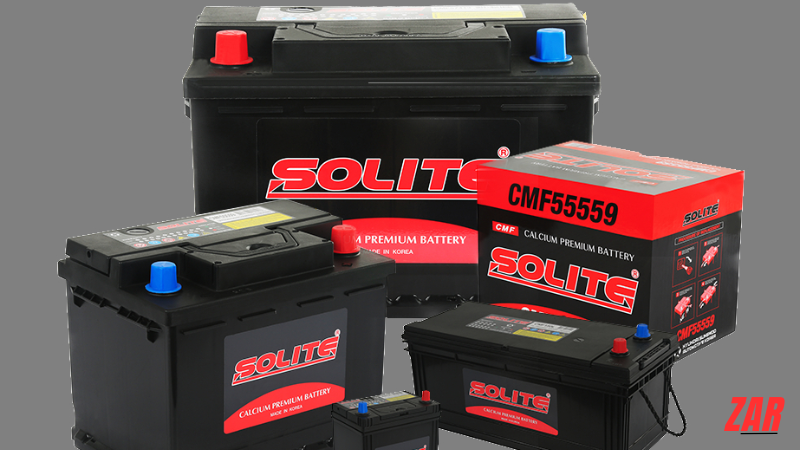
Manufactured by Hyundai Sungwoo Automotive Co., Ltd. in South Korea, Solite is among the most trusted battery brands in the Nigerian market. It offers a range of capacities from 45Ah to 150Ah, and its calcium-premium technology is well-suited to Nigeria’s hot operating conditions. Solite batteries in Nigeria are generally priced between ₦60,000 and ₦110,000 depending on the model and capacity.
Rocket Battery
Another South Korean brand produced by Global & Yuasa Battery Co., Ltd., Rocket has a strong track record in Nigeria for dependable cranking performance and durability. Prices typically range from ₦60,000 to ₦95,000, positioning it competitively alongside Solite.
Atlas BX
Atlas BX is a premium Korean battery brand known for its advanced internal construction and high cold cranking amps (CCA). In Nigeria, Atlas BX batteries are priced roughly between ₦65,000 and ₦100,000, making them a preferred choice for SUV owners and drivers of premium vehicles.
Bosch
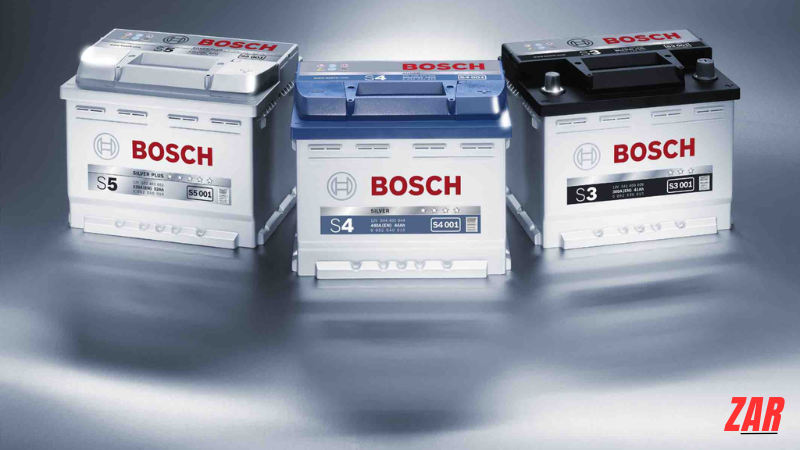
Bosch batteries carry significant brand equity among Nigerian car owners, particularly those driving European vehicles. They are built for reliability in demanding conditions and tend to have longer lifespans. Expect to pay ₦70,000 to ₦120,000 or more for a Bosch unit, depending on capacity.
Exide
Exide is a globally established battery brand with good availability in Nigeria. It is often chosen for its balance of price and performance, with options available across both the mid-range and premium segments. Exide batteries are known for high cranking power and broad compatibility.
ACDelco
ACDelco, backed by General Motors, is a solid choice for drivers of GM vehicles, Chevrolets and Opels in particular, but also works well as a general-purpose replacement in other cars. ACDelco batteries compete in the mid-to-premium segment.
Hardex and Local Brands
Hardex and similar locally available brands are popular in budget-conscious segments of the market. They offer basic functionality at accessible prices and are widely available across Nigerian cities, though their long-term reliability tends to be lower than the Korean and European alternatives.
How to Choose the Right Battery for Your Car in Nigeria
- Check vehicle specifications, including group size, voltage, and Ah capacity
- Evaluate your daily driving patterns and average trip durations
- Consider local climate conditions and extreme heat exposure
- Prioritize strong warranties and reputable authorized sellers
Selecting the right car battery means matching it perfectly to your specific vehicle and driving habits. Always check your owner’s manual or existing battery label for the correct group size, voltage, and Ah capacity because buying an oversized unit offers no benefits and might not fit your tray. For frequent short urban trips, where the alternator has less time to recharge, maintenance-free calcium batteries are a much smarter choice than older flooded lead acid designs. Additionally, drivers in hotter Nigerian regions should specifically seek batteries with heat-tolerant calcium plates to combat rapid heat degradation. Finally, always prioritize a solid warranty from a reputable auto parts dealer to protect yourself against the counterfeit products currently flooding the local market.
Where to Buy Car Batteries in Nigeria
Car batteries are available through several channels in Nigeria, each with trade-offs in terms of price, authenticity assurance, and convenience.
- Authorized Distributors and Brand Specific Shops
Authorized distributors and brand specific shops offer the strongest guarantee of product authenticity. Stores affiliated with brands like Solite Bosch or ACDelco in Lagos Abuja Port Harcourt and other major cities are the safest buying environments though prices may be at or near full retail.
- Online Marketplaces
Online marketplaces such as Marketplace Naija, Jumia and Konga list car batteries from multiple sellers with varying price points. Buying online can be convenient and sometimes cheaper but verifying seller credibility is important. Look for sellers with high ratings and a track record of fulfilled orders and confirm that returns are possible in case the unit is faulty.
- Spare Parts Markets
Spare parts markets such as Ladipo in Lagos, Wuse in Abuja and equivalent markets in other cities offer a broad selection and room for price negotiation. Both new and tokunbo batteries are widely available here. Experienced buyers can find good value but first time buyers should bring along someone knowledgeable who can assess battery condition and verify specifications.
- Full Service Auto Workshops and Car Care Centers
Full-service auto workshops and car care centers increasingly stock and sell batteries as part of their replacement service. Paying a slight premium here often comes with the benefit of proper installation, terminal inspection, and in some cases a short-term labor warranty.
Essential Tips to Extend Your Car Battery Life
- Avoid prolonged parking without starting the vehicle
- Reduce heavy electrical loads when the engine is off
- Keep battery terminals clean to prevent corrosion
- Test your battery annually after the second year
- Verify that your alternator is functioning correctly
Replacing a battery is eventually unavoidable, but adopting good habits can considerably stretch the interval between replacements, especially given the harsh operating conditions common in Nigeria. You should avoid leaving your car parked for long periods without starting it because deep discharges fully drain the unit and shorten its overall lifespan more rapidly than any other single factor. If your vehicle must sit idle for over a week, using a trickle charger is highly recommended to maintain the state of charge. Furthermore, it is crucial to reduce electrical loads when the engine is off. Running the air conditioning sound system or interior lights for extended periods without the engine running heavily drains the power and forces the alternator to work much harder during the next start cycle.
Routine physical maintenance and system checks are equally important for protecting your financial investment. You must keep the battery terminals clean to ensure a strong electrical connection because corrosion increases resistance and can eventually prevent the car from starting entirely. A periodic wipe with a dry cloth or a light application of petroleum jelly easily prevents this damaging buildup. Additionally, you should have your battery load tested annually, especially if it is more than two years old, to catch a weakening unit before it leaves you stranded. Finally, always ensure your alternator is functioning correctly because a healthy battery connected to a faulty charging system will drain and fail prematurely so always investigate the alternator if you find yourself replacing batteries too frequently.
Summary
When budgeting for a replacement lead-acid or maintenance-free battery, expect to spend between ₦65,000 and ₦115,000 for a mid-range 55Ah to 75Ah unit suited for a compact car, while larger SUV batteries requiring 80Ah to 100Ah will typically cost between ₦100,000 and ₦150,000. Although new budget options under ₦40,000 exist, their limited warranties make a thoroughly tested tokunbo battery from a trusted dealer a much safer alternative if funds are extremely tight. Ultimately, investing in a quality battery from a reputable brand like Solite or Exide ensures reliable performance for three to five years, making the slightly higher upfront cost entirely worthwhile under normal Nigerian driving conditions.