The Toyota Matrix, officially marketed as the Toyota Corolla Matrix, was produced from 2003 to 2014 across two distinct generations and developed as a joint venture between Toyota and General Motors. While it shared its platform with the Pontiac Vibe, what truly mattered to buyers was the Toyota nameplate and what it represented: a taller, more versatile version of the Corolla featuring a hatchback-style load area and available All Wheel Drive. Designed for those who wanted cargo flexibility without stepping up to the size and running costs of an SUV, the Matrix has carved out a reputation in Nigeria that few cars in its class can match. Long after its discontinuation, it remains a dominant presence in Nigeria’s used car market because it consistently delivers Corolla-grade reliability in a practical, wagon-style body.
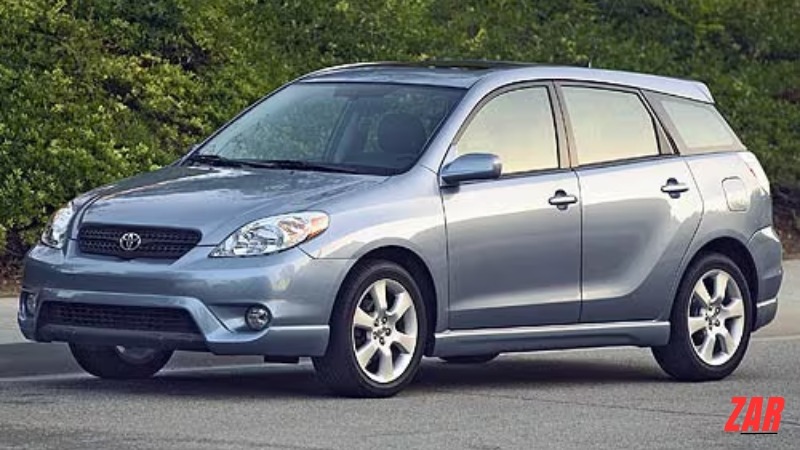
Its engineering integrity and parts commonality with the Corolla have made it one of the most sensible purchases for buyers looking at options in the ₦3 million to ₦10 million range. This balance of interior space, reliability, and affordability translates perfectly to local driving conditions, which is why this review comprehensively covers the vehicle’s engine performance, fuel economy, practicality, and pricing from the specific perspective of a Nigerian buyer.
Toyota Matrix Generations: First vs. Second
Understanding the two generations helps significantly when buying, as they differ in engine options, interior design, dimensions, and reliability profile.
First Generation (2003–2008)
The first generation Matrix successfully introduced the sport wagon concept to a wide audience. It sat securely on the ninth generation Corolla platform and was available in Standard XR and XRS trim levels. The base and XR trims used a 1.8 litre 1ZZ FE four cylinder engine producing between 123 and 130 horsepower depending on the model year. The top spec XRS used the high revving 2ZZ GE engine borrowed from the Toyota Celica GTS pushing output to 180 horsepower which was an unusual specification for a compact wagon and gave the XRS a genuinely sporting character. The 1ZZ FE engine is well understood by Nigerian mechanics and has proven itself to be extremely robust when properly maintained utilizing a maintenance free timing chain rather than a belt to remove an expensive service milestone. Front Wheel Drive was standard with All Wheel Drive available on select trims.
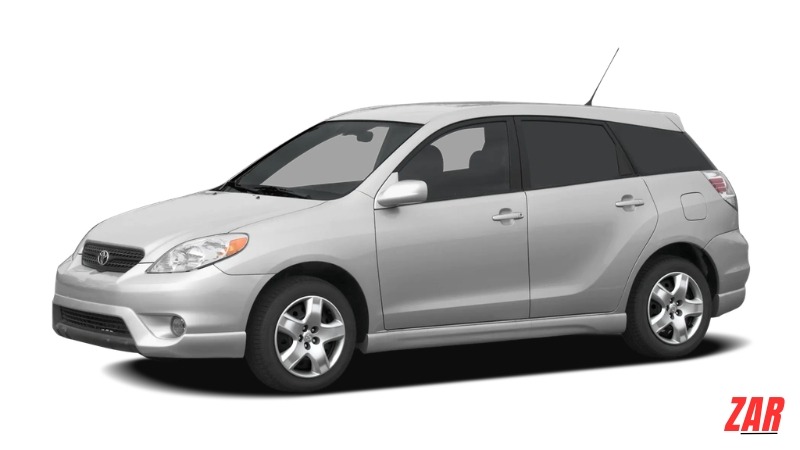
The interior is where this first generation Matrix genuinely differentiates itself from a standard sedan. The tall roofline creates generous headroom and a high seating position that gives a commanding view of traffic while ensuring easy entry and exit for daily city driving. The instrument cluster features four separate functional gauges set deeply into the dashboard and the air conditioning system has earned a legendary reputation among Nigerian owners for maintaining cabin comfort during the peak of the dry season heat. Crucially the rear seats fold flat with a simple lever action creating a load floor flat enough to load bicycles or furniture and expanding total cargo capacity to approximately 53 cubic feet. For small business owners or market traders this flexibility is genuinely useful. Rear passenger space is sufficient for two adults though the floor mounted center tunnel reduces foot space for a middle passenger making it ideal for urban trips but requiring thoughtful packing for long distance travel. Prices for clean well maintained examples in this bracket now range from around ₦3,000,000 to ₦6,000,000 depending on trim level condition and whether the vehicle is Nigerian used or foreign used.
Second Generation (2009–2014)
The second generation brought a more refined exterior updated interior and brand new engine options. The base engine moved to a 1.8 litre 2ZR FE producing 132 horsepower which is the exact same unit used in the highly reliable tenth generation Corolla. Meanwhile higher S XRS and XR Canadian market trims offered an optional 2.4 litre 2AZ FE four cylinder producing 158 horsepower to provide noticeably stronger mid range pull for buyers who frequently carry heavy loads. One major caution worth noting is that the 2009 model year had documented issues with oil consumption and stripped threads in the cylinder block on the 2.4 litre engine making the 1.8 litre 2ZR FE the much more dependable engine choice for the Nigerian market.
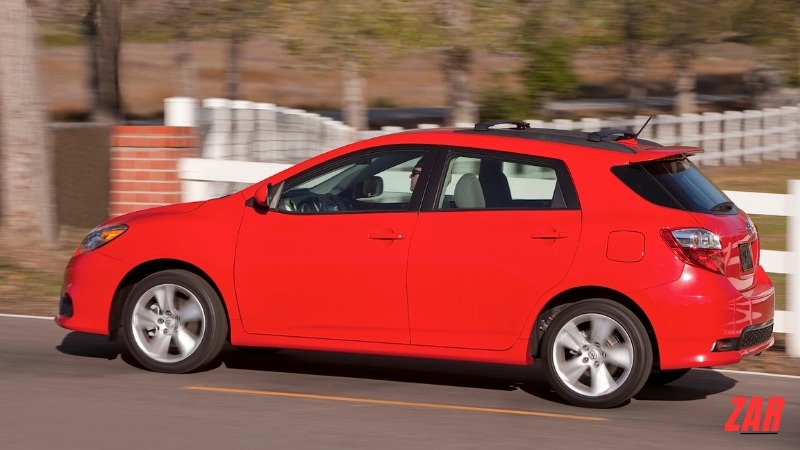
Inside the cabin the second generation was heavily revised to feel far more contemporary with much improved materials and better overall ergonomics. It beautifully retained the tall roofline high seating position and the highly practical fold flat rear seat configuration that made the first generation so popular. Legroom remains acceptable rather than generous by massive SUV standards making it work perfectly for a family of four or five on regional trips. The climate controls remain incredibly straightforward to operate and the incredibly spacious cargo capacity continues to easily rival dedicated cargo vehicles far larger than the Matrix itself. The second generation is the more sought after option in the current market with pricing for clean examples ranging from around ₦5,000,000 to ₦11,000,000 or more depending on year trim and overall condition.
Engine Performance and Driving Experience
The Toyota Matrix is not a performance car, and it was never marketed as one. What it offers is performance that suits everyday driving in Nigerian conditions, such as stop-and-go city traffic, long interstate journeys, and the variable road surfaces found across the country. The 1.8 litre engines in both generations pull smoothly from low revs and respond progressively to throttle input. Power delivery is not dramatic, but it is consistent and linear, which suits a wide range of drivers. Highway overtaking requires some planning, particularly with a full load, but the engine never feels overwhelmed under normal use. The four-speed automatic transmission found in most Nigerian market Matrix units is far more common than the manual gearbox and shifts smoothly while holding up well over time. Nigerian drivers who have owned the Matrix for multiple years consistently report that the transmission requires minimal intervention, provided routine fluid changes are observed.
Handling is competent rather than exciting. The steering is accurate enough for confident urban manoeuvring, and the suspension is calibrated toward comfort over sportiness, which is exactly the right balance for Nigerian road conditions. Ground clearance ranges from approximately 165 to 175 millimetres, depending on the variant. While this is not in SUV territory, it is highly adequate for the majority of paved and semi-paved roads in Lagos, Abuja, Port Harcourt, and comparable urban environments. Speed bumps and moderate potholes are handled without drama, making the Matrix an incredibly practical and stress-free choice for daily commuting.
How the Matrix Performs in Nigerian Conditions
Fuel efficiency is one of the Matrix’s most important selling points in Nigeria, where fuel costs represent a significant recurring expense and where stop-and-go traffic is a daily reality in most cities. The 1.8 litre engine in the first generation is rated by the EPA at around 25 mpg in city driving and 31 mpg on the highway, which is approximately 9.4 litres per 100km in the city and 7.6 litres on the highway. Real-world figures in Nigerian conditions, where air conditioning is running constantly and traffic density is high tend to be somewhat lower. Most Nigerian Matrix owners report figures in the range of 10 to 12 litres per 100km in heavy urban traffic, though this improves meaningfully on open roads.
The second generation 1.8 litre 2ZR FE is marginally more efficient than its predecessor while the 2.4 litre option returns lower fuel economy as expected from a larger displacement engine. For buyers primarily driving in Lagos or Abuja, the 1.8 litre variants represent the better running cost proposition over time. It is worth noting that the Matrix performs best on quality petrol. The engine management system is sensitive to fuel quality, and extended use of substandard fuel can lead to knock, deposit buildup, and reduced performance over time. This is a common maintenance consideration for owners of fuel-sensitive Japanese imports in Nigeria.
Reliability and Maintenance in Nigeria
Reliability is perhaps the single most important consideration in the Nigerian used car market, and the Toyota Matrix benefits enormously from its Corolla DNA. The engines, transmissions, and electrical systems in the Matrix are closely related or identical to those in the Corolla, which is the most widely sold and serviced vehicle in Nigeria. This means that spare parts are accessible in virtually every automotive market across the country, from Ladipo in Lagos to Wuse Market in Abuja. Mechanics who work on Corollas are fully equipped to work on the Matrix. This parts and labour ecosystem is one of the practical advantages of the Matrix that competitors from less popular brands simply cannot match. A specialist part for a less common vehicle can take days or weeks to source, but a Matrix engine component is typically available within hours at reasonable prices.
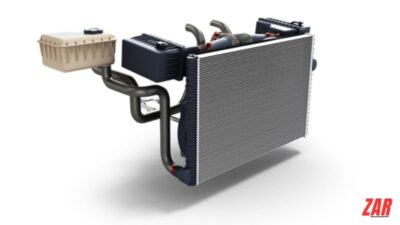
The 1ZZ FE and 2ZR FE engines are well documented for their longevity. Examples with over 250,000 miles on the original engine are not uncommon in international markets, and Nigerian owners who maintain their vehicles to a reasonable standard routinely report trouble free ownership over five or more years. The timing chain design eliminates the risk of catastrophic timing belt failure, which remains a common source of engine damage in other vehicles. Common issues to be aware of include minor oil consumption in higher mileage first generation 1ZZ FE engines. This is an acknowledged characteristic of this engine that is manageable with regular oil level checks rather than a sign of imminent failure. AC condenser leaks and thermostat replacements are the most frequently reported maintenance items among long-term Nigerian owners, both of which are inexpensive repairs given the availability of parts.
Final Verdict
The Toyota Matrix is an excellent choice for urban commuters, small families, and commercial operators who need a reliable and fuel efficient daily driver with significantly more cargo space than a standard sedan. Its massive popularity in Nigeria is earned entirely on merit, driven by incredibly low maintenance costs and a readily accessible Corolla compatible parts ecosystem that keeps it on the road economically for years. While buyers regularly navigating deeply pitted roads or seeking a premium interior would be better served by a dedicated SUV like the RAV4, the Matrix remains one of the most practical and financially defensible vehicles on the Nigerian market today. Despite its utilitarian cabin and noticeable highway road noise, it is the perfect option for anyone prioritizing durability, economy, and everyday space over sheer luxury.