

Mini bikes have become increasingly popular for recreational riding, neighborhood cruising, camping trips, and even light commuting. Their compact design, low cost, and simple mechanics make them attractive to beginners and experienced riders alike.
But one question consistently comes up before buying or riding one:
Are mini bikes street legal?
The short answer is: sometimes — but most mini bikes are not street legal straight from the factory.
Whether a mini bike can legally be ridden on public roads depends on several factors, including:
- Local traffic laws
- Vehicle registration requirements
- Safety equipment
- Engine size
- Speed capability
- Insurance and licensing rules
In many regions, mini bikes are designed primarily for off-road use, which means they often lack the components legally required for street operation.
This guide explains when mini bikes are street legal, what modifications may be required, how laws differ by state or country, and what riders should know before taking a mini bike onto public roads.
What Is a Mini Bike?
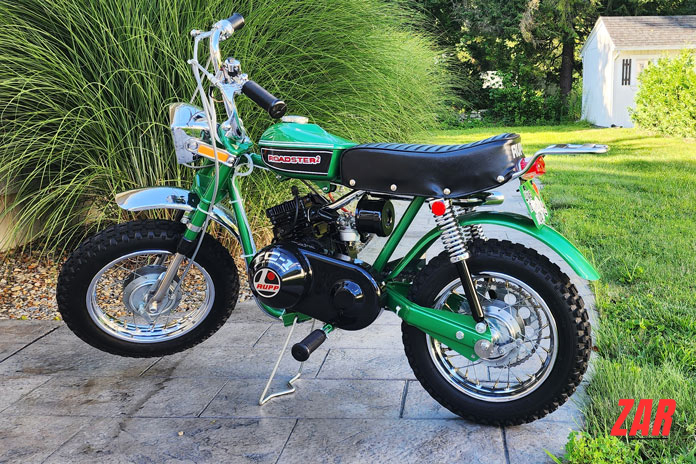
A mini bike is a small, lightweight motorcycle with a compact frame and low seat height. Mini bikes are typically powered by small gasoline engines ranging from 50cc to 212cc, although electric models are becoming more common.
Unlike full-size motorcycles, mini bikes are designed for simplicity and ease of use. Many models are marketed for recreational riding on private property, trails, campsites, or off-road terrain.
Popular mini bike categories include:
- Gas-powered mini bikes
- Coleman mini bikes
- Trail mini bikes
- Pocket bikes
- Baja mini bikes
- Electric mini bikes
Mini bikes differ from dirt bikes and mopeds because they are usually smaller, lower to the ground, and often lack factory-installed road equipment.
Are Mini Bikes Street Legal by Default?
In most places, mini bikes are not street legal by default.
Manufacturers often label mini bikes as “off-road use only” because they do not meet the legal standards required for public road operation.
Most stock mini bikes are missing important street-legal components such as:
- Headlights
- Brake lights
- Turn signals
- Mirrors
- Horns
- DOT-approved tires
- License plate mounts
- Speedometers
Without these features, riding a mini bike on public roads may violate traffic regulations.
Even if a mini bike can physically operate on a road, legality depends on whether it complies with local vehicle laws.
What Makes a Mini Bike Street Legal?
To become street legal, a mini bike usually needs to meet the same basic safety and registration standards applied to motorcycles or mopeds.
Requirements vary by location, but common street-legal requirements include the following.
Required Equipment for Street-Legal Mini Bikes
Headlights and Taillights
Most jurisdictions require:
- A functioning headlight
- Brake lights
- Rear taillights visible at night
These improve visibility and rider safety.
Turn Signals
Many states and countries require operational turn indicators for road use.
Some smaller motorcycles may qualify for hand-signal exceptions, but this varies widely.
Mirrors
Street-legal motorcycles usually require at least one rearview mirror, although some regions require two.
Horn
An audible horn is commonly required for public-road operation.
DOT-Approved Tires
Off-road tires may not qualify for highway use.
Street-legal mini bikes generally need Department of Transportation (DOT)-approved tires or local equivalent safety-certified tires.
License Plate Bracket
Most jurisdictions require a visible rear-mounted license plate holder with illumination for nighttime visibility.
Muffler or Exhaust Compliance
Some mini bikes have extremely loud aftermarket exhaust systems that violate local noise regulations.
Street-legal conversions often require compliant mufflers.
Registration and Licensing Requirements
Even if a mini bike has all the required equipment, riders may still need:
- Vehicle registration
- Title documentation
- Insurance coverage
- Motorcycle endorsement or license
- Inspection certification
In many places, mini bikes cannot be registered if they were originally manufactured exclusively for off-road use.
This is one of the biggest obstacles for riders attempting to make mini bikes street legal.
Are Mini Bikes Street Legal in the United States?
Mini bike laws vary significantly across U.S. states.
Some states allow modified mini bikes on public roads if they meet motorcycle requirements, while others prohibit them entirely.
States With More Flexible Rules
Some states may allow mini bikes to become street legal if riders:
- Install required equipment
- Register the vehicle
- Obtain insurance
- Pass inspections
In these states, mini bikes may be classified similarly to mopeds or small motorcycles.
States With Strict Restrictions
Other states prohibit mini bikes from public-road use regardless of modifications because the vehicles lack federal certification for highway use.
In these areas, mini bikes may only be legal on:
- Private property
- Designated trails
- Off-road parks
- Campgrounds
Because regulations change frequently, riders should always check their local Department of Motor Vehicles (DMV) or transportation authority before riding on public roads.
Are Coleman Mini Bikes Street Legal?
Coleman mini bikes are among the most searched mini bike models online.
Most Coleman mini bikes are not street legal from the factory because they are marketed as off-road recreational vehicles.
Popular models such as:
- Coleman CT100U
- Coleman BT200X
- Coleman CT200U
typically lack:
- Turn signals
- Mirrors
- Brake lights
- Registration paperwork for highway use
Some owners attempt to convert Coleman mini bikes into street-legal vehicles through aftermarket kits and modifications, but legality still depends entirely on local laws.
Can You Make a Mini Bike Street Legal?
In some areas, yes.
Mini bike owners sometimes install street-legal conversion kits that include:
- LED headlights
- Brake lights
- Turn signals
- Wiring harnesses
- Mirrors
- Horns
- License plate brackets
However, adding equipment alone does not automatically make a mini bike legal.
Authorities may still require:
- VIN verification
- Inspection approval
- Insurance documentation
- Title issuance
- Registration classification
Some mini bikes lack proper Vehicle Identification Numbers (VINs), making registration difficult or impossible in certain regions.
Are Pocket Bikes Street Legal?
Pocket bikes are usually even more restricted than standard mini bikes.
Because of their extremely small size, low visibility, and limited speed capability, pocket bikes are rarely approved for street use.
Most jurisdictions classify pocket bikes as recreational vehicles only.
Riding them on public roads can lead to:
- Traffic citations
- Vehicle impoundment
- Fines
- Insurance issues
Pocket bikes are generally safest and most legal on private tracks or controlled environments.
Mini Bike vs Moped: What Is the Difference?
Many riders confuse mini bikes with mopeds, but they are legally and mechanically different.
Mini Bikes
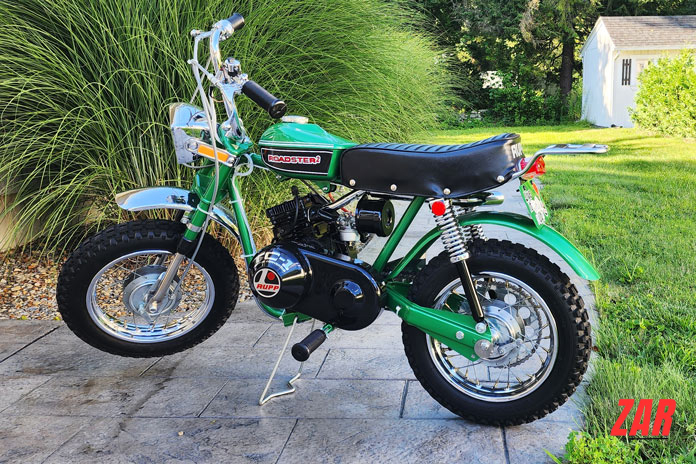
Mini bikes are usually:
- Designed for off-road use
- Smaller and simpler
- Lacking road equipment
- Not factory-certified for public roads
Mopeds

Mopeds are generally:
- Manufactured for street use
- Equipped with road-legal lighting and mirrors
- Registered through transportation authorities
- Subject to licensing laws
Because mopeds are specifically built for public roads, they often have a much easier legal pathway than mini bikes.
Are Electric Mini Bikes Street Legal?
Electric mini bikes follow similar legal principles.
Even though electric models produce less noise and emissions, they still must comply with local road regulations.
Requirements may include:
- Maximum speed limits
- Motor wattage restrictions
- Registration
- Lighting systems
- Helmet laws
Some electric mini bikes may qualify under e-bike classifications if they meet certain power and speed thresholds, but many do not.
Helmet Laws for Mini Bikes
Even if mini bikes are legal in your area, helmet laws often still apply.
Many jurisdictions require:
- DOT-approved helmets
- Eye protection
- Protective riding gear
Helmet requirements are especially strict for minors.
Riding without proper protection can increase injury risk significantly, especially since mini bikes have small tires and limited suspension systems.
Why Many Riders Use Mini Bikes Off-Road
Because of legal limitations, many mini bike owners primarily use them for:
- Trail riding
- Camping trips
- Farm property
- Recreational land
- Off-road parks
- Neighborhood riding on private property
Mini bikes perform best in controlled recreational settings rather than busy public streets.
Their small wheel size and compact frame can make high-speed road riding unstable and less safe compared to full-size motorcycles.
Common Mistakes Riders Make With Mini Bike Laws
Many riders unintentionally violate traffic laws because they assume mini bikes are treated like bicycles.
Common mistakes include:
Riding Without Registration
In areas requiring registration, unregistered mini bikes may be impounded.
Ignoring Noise Laws
Aftermarket exhaust systems may violate local sound ordinances.
Riding on Sidewalks
Mini bikes are motorized vehicles and are usually prohibited from sidewalks.
Assuming Rural Roads Are Automatically Legal
Even quiet neighborhood roads may still count as public roadways under traffic law.
Letting Children Ride on Public Roads
Many jurisdictions prohibit minors from operating motorized mini bikes on public streets.
How to Check if Your Mini Bike Is Street Legal
Before riding on public roads, check the following:
- Does your mini bike have a VIN?
- Is it registered?
- Does it have insurance?
- Are headlights and brake lights installed?
- Are the tires road-approved?
- Do you have the proper license?
- Does local law permit mini bikes on public roads?
The safest approach is to contact your local DMV or transportation agency directly.
You can also review motorcycle and moped regulations on official government transportation websites.
Should You Ride a Mini Bike on Public Roads?
Even if street legal, mini bikes may not always be ideal for road riding.
Mini bikes are:
- Lower to the ground
- Less visible to drivers
- Less stable at high speeds
- Built for shorter distances
For occasional neighborhood use, some riders may find them practical.
For commuting or regular road travel, full-size motorcycles, scooters, or legal mopeds are often safer and more practical options.
Final Thoughts on Whether Mini Bikes Are Street Legal
Mini bikes are not automatically street legal in most regions. While some can be modified and registered for public-road use, legality depends heavily on local transportation laws and safety requirements.
In many cases, mini bikes need additional equipment such as headlights, mirrors, turn signals, DOT-approved tires, and registration documentation before they can legally operate on public streets.
Even with modifications, some jurisdictions still prohibit mini bikes because they were originally manufactured for off-road use only.
Before riding a mini bike on public roads, always verify local laws, registration requirements, insurance obligations, and safety standards. Doing so can help you avoid fines, improve safety, and ensure your bike is legally compliant.
For many riders, mini bikes remain best suited for recreational off-road environments where their lightweight design and simplicity can be fully enjoyed safely and legally.