

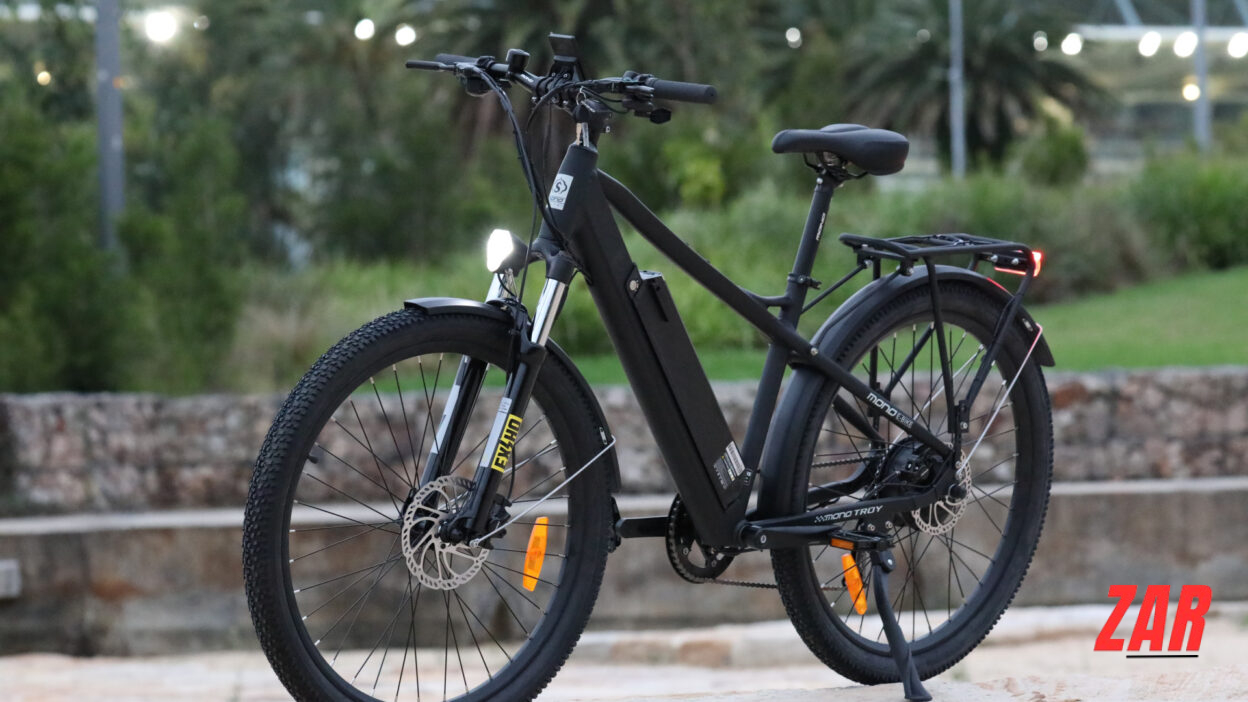
Choosing the right bike size is one of the most important parts of buying or upgrading a bicycle. Whether you are shopping for a road bike, mountain bike, hybrid bike, or commuter bicycle, understanding how to measure bike frame size helps you ride more comfortably, improve efficiency, and avoid long-term discomfort.
A bike that is too small can feel cramped and unstable, while a bike that is too large may cause poor control, lower power transfer, and unnecessary strain on your back, shoulders, and knees.
The good news is that measuring a bike frame is relatively straightforward once you understand the basic reference points and sizing systems manufacturers use.
In this guide, you will learn:
- How bike frame size is measured
- The tools you need to measure a bicycle frame
- Differences between road bike and mountain bike sizing
- How wheel size differs from frame size
- How to choose the correct frame size for your height
- Common mistakes people make when measuring bikes
- Why geometry matters beyond the frame number
By the end, you will know exactly how to measure bike frame size correctly and how to interpret sizing charts when buying a bicycle.
What Is Bike Frame Size?
Bike frame size refers to the dimensions of the bicycle’s main frame, particularly the seat tube length. The frame size determines how the bike fits your body and how comfortable and efficient it feels while riding.
Manufacturers typically measure frame size from the center of the bottom bracket to the top of the seat tube. However, some brands use slightly different methods, which is why bike sizing can sometimes feel inconsistent across models.
Frame size is usually expressed in:
- Centimeters (commonly used for road bikes)
- Inches (commonly used for mountain bikes)
- Letter sizing such as Small, Medium, Large, or XL
Although these labels provide a general guide, actual fit depends on several additional measurements and geometry factors.
Why Correct Bike Frame Size Matters
Riding the correct bike size affects more than comfort alone.
A properly fitted bicycle improves:
- Riding efficiency
- Pedaling power
- Handling and control
- Long-distance comfort
- Injury prevention
- Rider confidence
Poor sizing can contribute to:
- Knee pain
- Lower back strain
- Neck discomfort
- Numb hands or wrists
- Reduced pedaling efficiency
- Poor posture during rides
According to professional bike fitting specialists and cycling industry recommendations, proper fit is one of the biggest factors influencing rider comfort and performance.
The Main Parts Used to Measure Bike Frame Size
Before measuring a bicycle frame, it helps to understand the main components involved.
Seat Tube
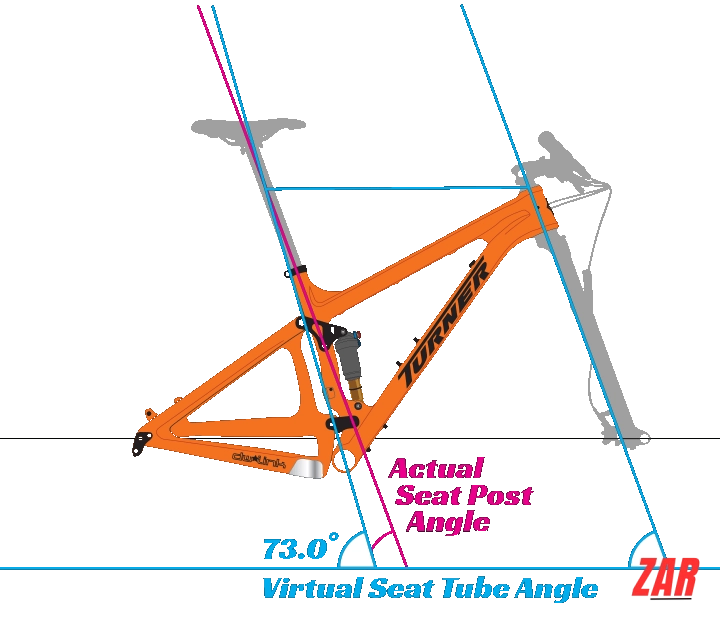
The seat tube is the vertical tube that extends from the bottom bracket upward toward the saddle.
Most bike frame measurements are based primarily on the seat tube length.
Bottom Bracket
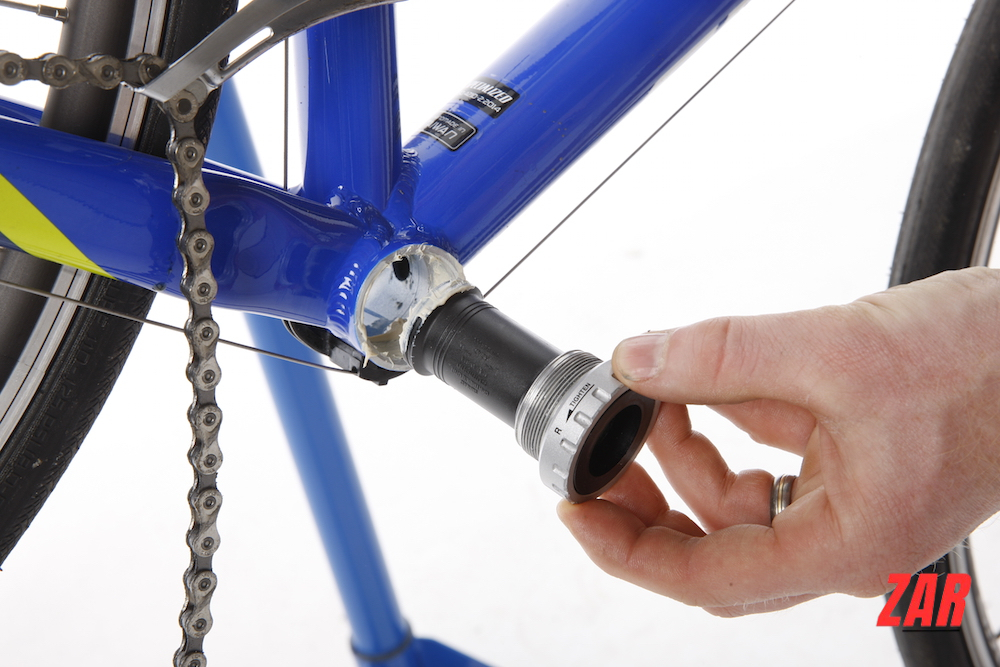
The bottom bracket is the circular component where the crank arms rotate.
Frame measurements usually begin from the center of the bottom bracket.
Top Tube
The top tube runs horizontally or slightly angled between the seat tube and the head tube.
Modern bike fitting often considers effective top tube length because it affects rider reach and posture.
Head Tube
The head tube holds the front fork and handlebars.
Its height influences riding position and comfort.
Tools You Need to Measure a Bike Frame
You do not need specialized equipment to measure most bicycles accurately.
The following tools are usually enough:
- Tape measure
- Level surface
- Notebook or phone for recording measurements
- Spirit level (optional)
- Calculator (optional for conversions)
For precise fitting, professional bike fitters may use advanced fitting systems, but basic frame measurements can easily be done at home.
How Do You Measure the Frame Size on a Bike?
The most common way to measure a bike frame is by measuring the seat tube.
Here is the standard process.
Step 1: Place the Bike on a Level Surface
Position the bicycle upright against a wall or use a bike stand.
Ensure the bike is stable and relatively level before measuring.
Step 2: Locate the Bottom Bracket
Find the center of the bottom bracket.
This is the axle point where the crank arms attach.
Most frame measurements begin here.
Step 3: Measure the Seat Tube Length
Use a tape measure to measure from the center of the bottom bracket vertically to the top of the seat tube.
This measurement represents the bike frame size.
For example:
- 54 cm road bike
- 17-inch mountain bike
- Medium hybrid bike
Some manufacturers measure to the center of the top tube instead of the very top of the seat tube, which can slightly change the listed size.
How Road Bike Frame Sizes Are Measured
Road bike sizing usually uses centimeters.
Traditional road bike measurements are based on seat tube length, but modern compact frame geometry often relies more heavily on effective top tube measurements.
Typical road bike frame sizes include:
| Rider Height | Road Bike Size |
|---|---|
| 5’0″–5’3″ | 48–50 cm |
| 5’3″–5’6″ | 50–52 cm |
| 5’6″–5’9″ | 54–56 cm |
| 5’9″–6’0″ | 56–58 cm |
| 6’0″–6’3″ | 58–60 cm |
| 6’3″ and above | 60 cm+ |
These measurements vary slightly by manufacturer.
Brands like Trek and Specialized provide detailed geometry charts for each model.
How Mountain Bike Frame Sizes Are Measured
Mountain bikes traditionally use inches for frame sizing, although many modern brands now use Small, Medium, and Large sizing systems.
Mountain bike geometry differs significantly from road bikes because riders need more clearance, maneuverability, and suspension compatibility.
Typical mountain bike sizing:
| Rider Height | Mountain Bike Size |
| 5’0″–5’4″ | 13–15 inches |
| 5’4″–5’8″ | 15–17 inches |
| 5’8″–6’0″ | 17–19 inches |
| 6’0″–6’3″ | 19–21 inches |
| 6’3″ and above | 21 inches+ |
Modern mountain bikes often prioritize reach and stack measurements rather than seat tube length alone.
Hybrid and Commuter Bike Sizing
Hybrid bikes blend road and mountain bike characteristics.
Sizing systems vary widely between brands.
Some manufacturers use:
- Inches
- Centimeters
- S, M, L labels
Because hybrid bikes emphasize comfort, standover clearance and handlebar reach are especially important.
If you are buying a commuter or fitness bike, reviewing the manufacturer’s geometry chart is usually more accurate than relying solely on generic sizing tables.
Understanding Effective Top Tube Length
Many modern bicycles use sloping top tubes, especially mountain bikes and endurance road bikes.
Because of this, seat tube length alone does not fully describe bike fit.
Effective top tube length measures the horizontal distance between:
- The center of the head tube
- The center of the seat tube
This measurement affects:
- Rider reach
- Upper body posture
- Weight distribution
- Handling feel
Two bikes with identical frame sizes may feel completely different because of top tube geometry.
What Is Standover Height?
Standover height refers to the distance between the ground and the top tube.
When standing over the bike with both feet flat on the ground, riders should have clearance between their body and the top tube.
General recommendations:
- Road bikes: 1–2 inches clearance
- Mountain bikes: 2–4 inches clearance
This extra space improves safety and maneuverability.
Frame Size vs Wheel Size
One of the most common mistakes beginners make is confusing wheel size with frame size.
These are completely different measurements.
For example:
- A 29-inch mountain bike refers to wheel diameter
- A 17-inch bike refers to frame size
Wheel size affects:
- Rolling speed
- Traction
- Stability
- Obstacle clearance
Frame size affects:
- Rider fit
- Comfort
- Reach
- Pedaling efficiency
Both measurements matter, but they serve different purposes.
How to Measure Your Inseam for Better Bike Sizing
Your inseam measurement is one of the best indicators of ideal bike frame size.
How to Measure Inseam
- Stand against a wall barefoot.
- Place a book firmly between your legs.
- Measure from the floor to the top of the book.
- Record the measurement in centimeters.
This number can help estimate ideal frame size.
Road Bike Formula
A common road bike sizing formula is:
Road Bike Frame Size (cm) = Inseam (cm) × 0.67
Mountain Bike Formula
Mountain Bike Frame Size (in) = Inseam (cm) × 0.226
These formulas provide estimates rather than exact fits.
Why Bike Geometry Matters More Than Ever
Modern bicycles have evolved significantly over the past decade.
Many manufacturers now focus on overall geometry instead of traditional seat tube sizing.
Important geometry measurements include:
Reach
Reach measures the horizontal distance from the bottom bracket to the top center of the head tube.
Longer reach creates a more aggressive riding position.
Stack
Stack measures vertical height from the bottom bracket to the head tube.
Higher stack positions riders more upright and comfortably.
Wheelbase
Wheelbase affects stability and handling characteristics.
Longer wheelbases often feel more stable at speed.
Head Tube Angle
This angle influences steering responsiveness.
Steeper angles feel quicker, while slacker angles provide more stability.
Understanding geometry helps explain why two bikes with similar frame sizes may ride very differently.
Common Bike Sizing Mistakes
Many riders accidentally choose the wrong bike size because they rely only on height charts.
Here are some common mistakes to avoid.
Choosing Based Only on Height
Two people with the same height may have completely different leg and torso proportions.
Inseam and reach measurements matter significantly.
Ignoring Manufacturer Geometry Charts
Bike sizing varies between brands.
A Medium frame from one company may fit differently from another.
Always review official geometry charts.
Buying a Bike That Is Too Large
Many riders mistakenly think larger bikes are faster or more comfortable.
Oversized frames often reduce control and increase discomfort.
Confusing Wheel Size With Fit
Wheel diameter does not determine whether a bike fits properly.
Frame geometry matters much more.
Should You Size Up or Size Down?
If you fall between two frame sizes, the right choice depends on riding style and personal preference.
Generally:
- Smaller frames feel more agile and easier to maneuver
- Larger frames provide more stability and stretched positioning
Road cyclists sometimes prefer slightly smaller frames for responsiveness.
Endurance riders may prefer larger frames for comfort.
Mountain bikers often choose smaller frames for better technical handling.
Professional bike fitting can help resolve sizing uncertainty.
How Professional Bike Fitting Works
Professional bike fitting goes beyond basic frame measurements.
Fit specialists analyze:
- Flexibility
- Riding goals
- Pedaling mechanics
- Joint angles
- Saddle position
- Handlebar reach
- Cleat alignment
Cycling performance centers and experienced fit specialists provide advanced fitting services for recreational and competitive riders.
For serious cyclists or riders with recurring pain, professional fitting is often worthwhile.
Measuring Kids’ Bike Sizes
Children’s bikes are usually sized by wheel diameter rather than frame measurements.
Typical kids’ bike sizes include:
| Child Age | Wheel Size |
| 2–4 years | 12 inches |
| 4–6 years | 16 inches |
| 5–8 years | 20 inches |
| 8–11 years | 24 inches |
| 11+ years | 26 inches |
However, height and inseam remain more accurate than age alone.
Children should comfortably reach the ground and handlebars while maintaining safe control.
How Bike Type Affects Sizing
Different bicycle categories use different fit philosophies.
Road Bikes
Road bikes prioritize aerodynamic positioning and efficient power transfer.
Gravel Bikes
Gravel bikes typically use relaxed geometry for stability and long-distance comfort.
Mountain Bikes
Mountain bikes emphasize maneuverability, suspension clearance, and technical handling.
Touring Bikes
Touring bikes often feature endurance-oriented geometry for extended riding comfort.
BMX Bikes
BMX sizing relies heavily on top tube length rather than traditional frame sizing.
Because of these differences, the same rider may use different frame sizes across bike categories.
How to Check If a Bike Fits Properly
After measuring frame size, you should still verify real-world fit.
A properly fitted bike generally allows:
- Slight bend in the knee at the bottom pedal stroke
- Comfortable reach to handlebars
- Neutral spine posture
- Relaxed shoulders
- Stable handling without overstretching
If you feel cramped or excessively stretched, adjustments may be necessary.
Minor fit corrections can often be made using:
- Saddle height changes
- Stem length adjustments
- Handlebar positioning
- Seat setback modifications
However, these adjustments cannot fully compensate for an incorrect frame size.
Online Bike Size Calculators vs Professional Fit
Many websites offer bike size calculators.
These tools can provide useful starting estimates based on:
- Height
- Inseam
- Riding style
- Bike category
However, calculators cannot fully account for:
- Flexibility
- Riding goals
- Body proportions
- Personal comfort preferences
They work best as preliminary guidance rather than definitive sizing solutions.
Final Thoughts on Measuring Bike Frame Size
Understanding how to measure the frame size on a bike helps you make smarter purchasing decisions and enjoy a more comfortable riding experience.
At its core, bike frame sizing involves measuring the seat tube from the bottom bracket to the top of the seat tube. However, modern bike fit also depends heavily on geometry, reach, stack, riding style, and personal comfort preferences.
A properly sized bicycle improves efficiency, confidence, and long-term comfort, while the wrong size can negatively affect performance and lead to discomfort or injury.
When possible, combine frame measurements with inseam calculations, manufacturer geometry charts, and real-world test rides. For riders planning long-distance cycling or performance-focused riding, professional bike fitting can provide even greater accuracy.
Choosing the right bike size is not just about numbers. It is about finding a bicycle that feels stable, natural, and comfortable every time you ride.