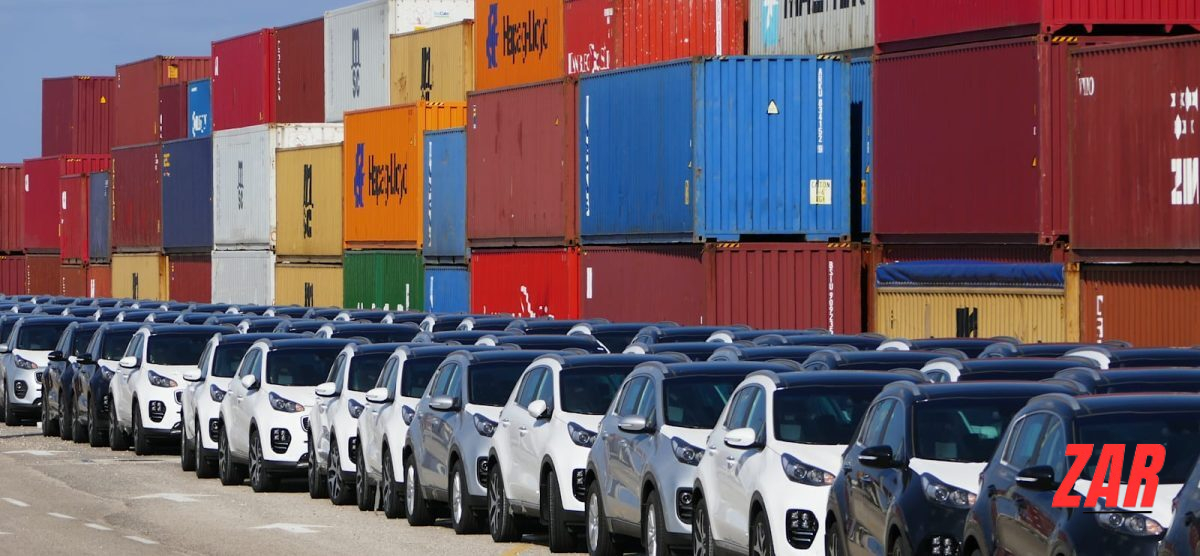
Importing a car into Nigeria can be a smart way to get quality vehicles at competitive prices, but the process doesn’t end at the port. Knowing how to register an imported car in Nigeria is just as important as the importation itself, and skipping or mishandling any step can lead to fines, seizures, or legal complications down the road.

Whether you’re a first-time importer or a seasoned car dealer, understanding the full registration process gives you peace of mind and ensures your vehicle is road-legal. This guide walks you through every requirement, document, and agency involved so you can complete how to register an imported car in Nigeria without unnecessary stress or delays.
Step 1: Clear Your Vehicle at the Port
Before registration can begin, your imported car must be properly cleared through Nigerian Customs at the port of entry typically the Apapa Port in Lagos or Tin Can Island Port.
To clear your vehicle, you will need:
- Bill of Lading – the shipping document from the freight company
- Form M – a pre-importation document obtained from your bank
- Combined Certificate of Value and Origin (CCVO)
- Single Goods Declaration (SGD) – filed through the Nigeria Customs Service (NCS) e-portal
- Insurance Certificate for the vehicle
- Packing List and Commercial Invoice
You’ll pay import duties calculated based on the vehicle’s CIF (Cost, Insurance, and Freight) value. Duty rates for passenger vehicles typically range from 5% to 35% depending on engine capacity. Ensure you obtain the Duty Payment Receipt and the Customs Release Order both are critical for the next steps.
Step 2: Obtain a Vehicle Identification Number (VIN) Inspection
After clearing customs, take your vehicle to a Vehicle Inspection Office (VIO) or an accredited inspection centre for a VIN verification and roadworthiness inspection. The VIO will:
- Verify the chassis number and engine number against your shipping documents
- Confirm the car has not been tampered with or re-VINed
- Issue a Vehicle Inspection Certificate if the car passes
This step is mandatory. Without a valid inspection certificate, the Vehicle Licensing Authority (VLA) will not process your registration application.
Step 3: Obtain a Tax Clearance Certificate
The Federal Inland Revenue Service (FIRS) or your State Internal Revenue Service may require proof of tax compliance, especially for high-value imported vehicles. Obtain a Tax Clearance Certificate (TCC) covering the last three years of tax returns. This is particularly relevant for corporate importers and car dealerships.
Step 4: Visit the Vehicle Licensing Authority (VLA)
The Vehicle Licensing Authority (VLA), operating under each state’s Motor Vehicle Administration Agency (MVAA), is where the official registration takes place. In Lagos, this is handled by the Lagos State Motor Vehicle Administration Agency (MVAA). Other states have their own equivalents.
Bring the following documents to the VLA:
- Customs Duty Payment Receipt
- Customs Release Order
- Vehicle Inspection Certificate from VIO
- Original Bill of Lading
- Commercial Invoice
- Tax Clearance Certificate (where applicable)
- Valid means of identification (National ID, International Passport, or Driver’s Licence)
- Proof of address (utility bill or tenancy agreement)
- Passport photograph of the owner
Step 5: Complete the Registration Forms and Pay Fees
At the VLA, you will fill out the Vehicle Registration Form and submit all supporting documents. The agency will verify your paperwork before proceeding.
Registration fees vary by state and vehicle category but generally include:
- Registration fee (varies by vehicle type and engine capacity)
- Plate number fee
- Change of ownership fee (if applicable)
- Road worthiness fee
Always pay through official government channels bank drafts, POS, or designated government payment portals. Avoid cash payments to touts or middlemen, as this often leads to fake documents.
Step 6: Receive Your Plate Number and Certificate of Registration
Once payment is confirmed and all documents are verified, the VLA will issue:
- A unique plate number (standardized per state)
- A Certificate of Registration (COR) the official document proving the vehicle is legally registered in your name
- A Vehicle Licence (also called road licence) which must be renewed annually
Your car is now officially road-legal in Nigeria. Keep your Certificate of Registration and vehicle licence in the car at all times, as they are required during police checks and roadworthiness inspections.
Step 7: Get Third-Party Insurance
Nigerian law mandates a minimum of third-party motor insurance for all vehicles on public roads, under the Insurance Act and the Motor Vehicles (Third Party Insurance) Act. After registration, purchase at least a third-party insurance policy from a licensed insurer and display the certificate on your windscreen.

Comprehensive insurance is strongly advised for imported vehicles, especially high-value ones, to protect against theft, accidents, and damage.
Common Mistakes to Avoid
- Using forged customs documents this is a criminal offence and can lead to vehicle seizure and prosecution.
- Skipping VIO inspection unverified vehicles cannot be legally registered.
- Paying touts always deals directly with government agencies.
- Delaying registration driving an unregistered imported vehicle exposes you to fines and impoundment.
Final Thoughts
The process of registering an imported car in Nigeria involves multiple agencies and several layers of documentation, but it is entirely manageable when approached systematically. From clearing customs to receiving your plate number, each step builds on the last so start early, gather your documents carefully, and always use official channels.
Once your car is registered, you can drive with confidence knowing your vehicle is fully compliant with Nigerian law.