To protect colored paint protection film (PPF) from stains, dirt, and environmental damage, wash the vehicle bi-weekly using a pH-neutral automotive shampoo with the two-bucket contact method, apply a dedicated ceramic coating or PPF-safe sealant to boost hydrophobicity, remove organic contaminants like bird droppings within 24 hours, and keep water pressure under 2,000 PSI at least 14 inches away from wrapped edges. Avoid abrasive polishes, petroleum-based solvents, and automated brush washes to preserve the film’s self-healing topcoat.
Quick Answer: Essential Care Rules for Colored PPF
- Wash Frequency: Every 1–2 weeks using pH-neutral foam and clean microfiber mitts.
- Chemical Safety: Never use aggressive petroleum distillates, solvent-based tar removers, or acidic wheel cleaners near film seams.
- Decontamination: Neutralize bird droppings, bug splatter, and tree sap immediately using warm water or dedicated PPF quick detailers.
- Surface Coating: Apply a specialized flexible ceramic coating for PPF to prevent hard mineral deposits and airborne fallout from bonding to the urethane pore structure.
- Pressure Safety: Keep pressure washer nozzles at a 45-degree angle, at least 14–18 inches away from all panel edges and seams.
Required Tools and Materials
| Tool / Product | Recommended Specification | Purpose |
|---|---|---|
| Car Wash Shampoo | pH-neutral (pH 6.5–7.5), wax-free, gloss-enhancer free | Safe lubrication without leaving dulling residues |
| Wash Mitts | Plush microfiber or synthetic lamb’s wool (min. 500 GSM) | Traps grit away from the film’s topcoat |
| Buckets & Grit Guards | Two 5-gallon buckets with bottom grit separator inserts | Isolates abrasive dirt particles during contact washing |
| Drying Towel / Blower | Twist-loop microfiber drying towel or filtered warm air blower | Touchless or scratch-free drying to eliminate water spots |
| Detailing Spray | PPF-specific quick detailer or waterless wash | Rapid spot-cleaning of bird lime and tree sap |
| Protective Topcoat | Flexible quartz/ceramic coating engineered for TPU film | Shields polyurethane pores from chemical etching and UV rays |
Preparation: Pre-Wash Inspection & Curing Protocols
1. Observe the Post-Installation Cure Window
If your colored PPF was recently applied, do not wash, detail, or apply high-pressure water for at least 7 to 14 days. The moisture underneath the film needs time to fully evaporate through the semi-permeable urethane layer to achieve a complete adhesive bond.
2. Panel and Temperature Check
- Never wash colored PPF in direct sunlight or while body panels are hot to the touch. Heat opens the microscopic structure of the polyurethane topcoat, increasing the risk of chemical stains and immediate water spotting.
- Inspect wrapped edges around wheel arches, door handles, and badge cutouts for accumulated road grit before applying pressurized water.
Step-by-Step Guide: How to Maintain and Protect Colored PPF
Step 1: Pre-Rinse and Touchless Foam Bath
Rinse the vehicle thoroughly using a pressure washer dialed below 2,000 PSI, maintaining a distance of 14 to 18 inches. Spray a rich layer of pH-neutral snow foam across all panels and allow it to dwell for 3 to 5 minutes. This loosens coarse grit and environmental fallout before a wash mitt touches the surface, preventing deep scratches. Rinse thoroughly from top to bottom.
Step 2: The Two-Bucket Contact Wash
Fill Bucket A with water and pH-neutral car shampoo; fill Bucket B with pure water for rinsing.
- Dip your microfiber wash mitt into the soapy solution and clean one panel at a time using straight, overlapping lines. Never scrub in circles.
- Submerge the mitt in the rinse bucket against the grit guard to dislodge trapped soil before reloading with clean soap solution.
- Clean lower rocker panels, bumpers, and rear diffusers last, as they harbor the coarsest road debris.
Step 3: Spot Treat Biological and Chemical Contaminants
Bird droppings, bee pollen, insect acids, and road tar can stain or etch colored PPF topcoats if baked in by solar heat:
- Saturate the area with a PPF-safe quick detailer or drape a microfiber towel soaked in warm distilled water over the spot for 2 minutes to soften the residue.
- Gently wipe the contaminant away without applying heavy downward friction.
- If faint discoloration lingers, expose the vehicle to direct warm sunlight or pour hot (not boiling) water (around 120°F–140°F / 50°C–60°C) over the area to trigger the film’s self-healing thermal reaction.
Step 4: Dry Safely to Prevent Hard Water Mineral Etching
Polyurethane films are sensitive to minerals found in tap and well water:
- Use a filtered automotive leaf blower or warm air dryer to blow standing water out of badges, panel gaps, and door handles.
- Pat remaining water droplets using a high-density, twist-loop microfiber towel lubricated with a light mist of quick detailer. Never drag a dry towel across dry film.
Step 5: Seal the Surface with a PPF-Compatible Ceramic Coating
Standard automotive waxes contain naphtha, kerosene, and harsh bonding solvents that cause edge discoloration or cloudiness on polyurethane. Instead, apply a dedicated ceramic coating formulated specifically for flexible films. This creates a semi-permanent, hydrophobic quartz barrier that fills micro-pores, preventing brake dust, industrial fallout, and road oils from staining the colored pigment underneath.
Pro Tips for Maximum Film Longevity
- Park Indoors or Under Shade: Constant UV radiation and airborne industrial pollution accelerate degradation. If garage parking is unavailable, utilize a breathable vehicle cover.
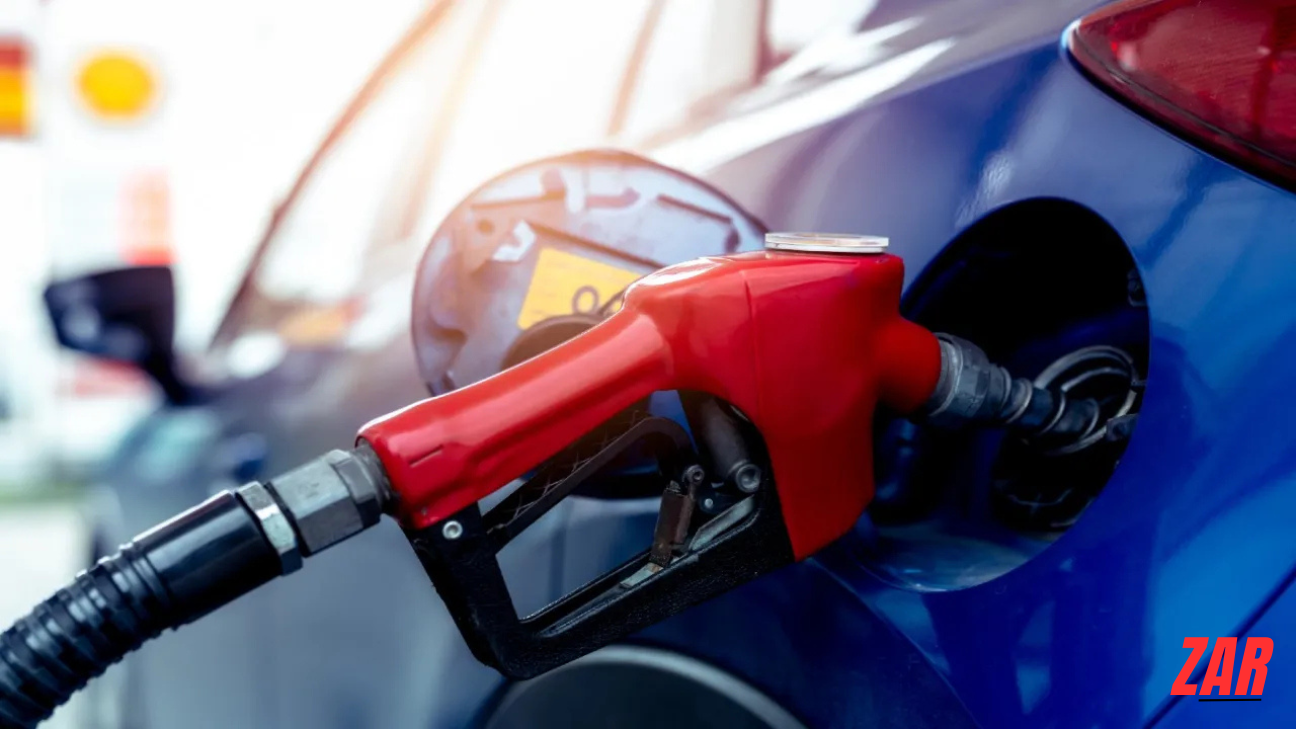
- Mind Fueling Stations: Diesel and gasoline will stain and dissolve clear coats and colored PPF if spilled. Keep a microfiber cloth in the trunk to wipe accidental pump drips near the fuel door instantly.
- Inspect Edges Regularly: If an edge lifts, never pull it. Visit your installer immediately to have it trimmed or retacked before high-speed wind drives dirt under the panel.
Common Mistakes to Avoid
- Using Rotary Polishers and Abrasive Compounds: Cutting compounds and aggressive wool pads generate friction that melts or scorches polyurethane, destroying the self-healing topcoat permanently.
- Running Through Automatic Brush Washes: Abrasive nylon bristles whip grit across panels at high speeds, leaving deep gouges that exceed the film’s self-healing capacity and catching exposed edges.
- Using Colored Carnauba Waxes: Traditional paste waxes dry to a white or chalky residue that cakes along film seams and panel gaps, making seams visible and degrading adhesive borders.
Frequently Asked Questions
Can you polish or buff colored paint protection film?
You cannot treat colored PPF like traditional clear coat. Do not use abrasive cutting compounds, as they strip the micro-thin self-healing layer. You may only use non-abrasive, chemical-based finishing cleansers explicitly certified as safe for PPF to remove stubborn surface haze.
How do I remove hard water spots from colored PPF?
Treat light mineral deposits using a 50/50 mixture of distilled water and white vinegar, or a dedicated, acid-free water spot remover safe for wraps. Wipe gently and rinse thoroughly. For set-in spots, gentle heat from a heat gun or hot water wash helps the elastomeric polymers self-level.
Does colored PPF require a ceramic coating?
While modern colored PPF features an integrated hydrophobic clear coat, applying a dedicated PPF ceramic coating provides an extra sacrificial layer. It dramatically increases slickness, prevents water-spot etching, and prevents road tar and road salt from adhering to the film.
What should I do if gasoline spills on my colored PPF?
Rinse the area immediately with clean water and wash with car shampoo to break down petroleum solvents. Do not let fuel sit or evaporate naturally on the surface, as prolonged exposure can soften the urethane and leave persistent yellowed stains.
Can I use rubbing alcohol to clean stubborn dirt on colored PPF?
You may use a heavily diluted isopropyl alcohol solution (no more than 10–15% IPA mixed with distilled water) for quick spot decontamination. Pure or highly concentrated isopropyl alcohol dries out the elastomeric topcoat, making the material brittle over time.
Final Takeaway
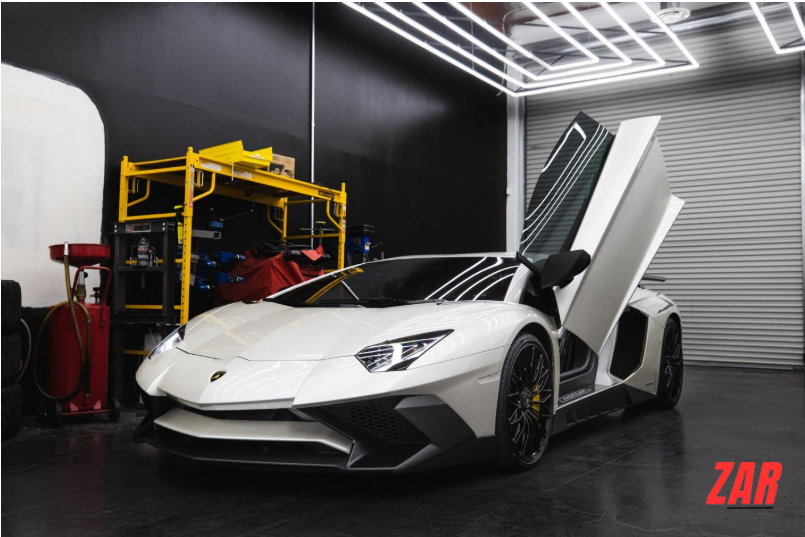
Colored paint protection film delivers both styling customization and physical paint defense, but its porous polyurethane composition demands mindful maintenance. Incorporating these steps into your regular car maintenance checklist—such as adopting a strict two-bucket wash routine, keeping harsh chemicals away from panel seams, and reinforcing the film with a flexible ceramic barrier—will keep your colored PPF stain-free, vibrant, and fully protected against environmental breakdown for years to come.