If you’ve ever tried bringing in a tokunbo vehicle, you already know that Nigeria’s car import landscape is not for the faint hearted. Between strict age limits, high customs duties, endless paperwork, and fluctuating exchange rates, one mistake can turn your dream Camry or Highlander into a financial disaster at the port. But despite the hurdles, importing remains incredibly popular even more so in 2025 as Nigerians hunt for cleaner, better maintained foreign used cars to escape the skyrocketing prices of locally sold vehicles.
This guide breaks down everything you need to know about Nigeria’s car import policy in 2025 the 12 year age rule, customs duties, documentation, step by step import procedures, cost realities, and the newest updates affecting importers this year. If you’re planning to buy from the U.S., Canada, Dubai, or Japan, this is your go-to manual.
Age Limit of Imported Cars: No Room for Old, Smoky Cars
One of the biggest stumbling blocks for first time importers is Nigeria’s strict age limit on used vehicles. Many Nigerians still assume cars older than 15 years are acceptable as long as “the engine is sound” but that hasn’t been true for over a decade.
Nigeria’s official car import regulation clearly states that any used vehicle older than 12 years from its production year is banned from entering the country. The rule applies to virtually all passenger cars, SUVs, and small commercial vehicles categorized under HS Codes 8703.10.0000 to 8703.90.0000. So if you’re reading this in 2025, the oldest model you can legally import is a 2013 vehicle. Try bringing in a 2012, and you’re setting yourself up for seizure, massive fines, or an outright loss at NCS auctions.
This policy has been in place since 2013 and aligns with ECOWAS standards that push for lower emission vehicles and discourage the dumping of unsafe, high polluting cars into African markets. Even hybrids and EVs despite being eco friendly must still respect the 12 year rule and come with proper certification.While rumors spread early in 2025 that the government wanted to cut the age limit to 10 years, the Nigeria Customs Service clarified that the 12 year benchmark remains the law as of November 2025.
For importers, verification is everything. The smartest move is to confirm your vehicle’s age through the VIN using reliable tools like the U.S. NHTSA’s VIN decoder. Many Nigerians have found themselves stranded at the ports because the “2013” the seller claimed ended up being a 2012 build and by then it’s too late.
How Nigeria’s Vehicle Import System Works
Nigeria’s auto import policy is designed to balance several competing interests generating government revenue, protecting consumers, and pushing the growth of local auto assembly. While most Nigerians argue that the policy leans heavily on taxing the masses, the government insists it’s necessary to control quality and stimulate local production.
The system is built around the ECOWAS Common External Tariff (CET), which shapes how duties are assigned. Vehicles arriving through official ports like Apapa and Tin Can face higher import duties, tougher inspections, and closer documentation scrutiny than ever before. Smuggling through land borders, especially around Seme or Cotonou, remains rampant, but enforcement crackdowns in 2025 have made it a high risk gamble far from the “cheap shortcut” many assume it is.
The government is also pushing environmental discipline through SONCAP standards, which ensure cars entering the country meet minimum safety and emission requirements. That’s one reason hybrids and EVs enjoy better treatment today as the National Automotive Council has extended slight duty reductions to promote cleaner mobility. Policy reforms have been slow, but enforcement has never been tighter. With the introduction of digital VIN valuation systems, customs officers now rely less on manual negotiation and more on automated assessment tools. This shift has made under declaration far more difficult, closing loopholes people once exploited to reduce their import costs.
Car Import Customs Duties
The biggest shock for any importer is always the customs bill. Many Nigerians calculate the cost of a car abroad, convert it at the official exchange rate, and assume the landing price won’t be too far off. Then the horror hit: duties alone can exceed 70%–100% of the vehicle’s actual CIF value.
Duties are built around the CIF value Cost + Insurance + Freight. From there, layers of charges begin to stack up: import duty, levy, CISS fee, ECOWAS levy, surcharge, VAT, and even the revived 4% FOB levy that returned in August 2025 after months of suspension.For example, a $10,000 used Toyota Camry with a 2.0L engine attracts a 35% import duty and another 35% levy, before additional micro fees push the total closer to 90% of CIF. Add VAT on top of everything, and a car that costs $10,000 (NGN14,500,000) abroad ends up attracting roughly $9,000 (NGN13,080,00) in duties alone.
What’s worse is that vehicles closer to the 12 year limit often get flagged for “risky age valuation,” meaning customs may push the assessed value up by 20–30%. For commercial vehicles, the burden is lighter, but for passenger cars, the numbers can be overwhelming.Fluctuating exchange rates also make things unpredictable. With the NCS exchange rate hovering around ₦1,600 per dollar toward late 2025 but moving weekly it’s risky to calculate duties without checking the daily rate on the NCS portal.
Car Import Documents You Need
In Nigeria’s import world, documentation is king. A single missing document can cause demurrage fees that climb past ₦50,000 per day, or worse, land you in a customs dispute you didn’t budget for.The foundation begins with Form M, which validates your transaction for forex purposes. Your bank must approve this form before your car even ships. The invoice, bill of lading, certificate of origin, clean title, insurance, and SONCAP certificate must all align perfectly with no conflicting details.The SONCAP certificate is especially important for used vehicles, as it confirms that the car passed pre shipment standards inspection. Many people skip it, expecting to “sort it out at the port,” but customs won’t release a vehicle without it.
Additional paperwork, such as PAAR (Pre-Arrival Assessment Report), VIN Valuation Report, packing list, and FRSC registration documents, complete the chain. Without a certified clearing agent to manage these documents, you’re almost guaranteed delays.EVs and hybrids require extra battery and emissions documentation to avoid SONCAP rejection. As green cars grow more popular in Lagos and Abuja, these extra steps have become more common.
How the Import Process Works
The typical import timeline spans four to eight weeks, depending on where you’re buying from and how smoothly things move at the port. Pre shipment processes like SONCAP can take two to four weeks alone, while Form M approval varies by bank.
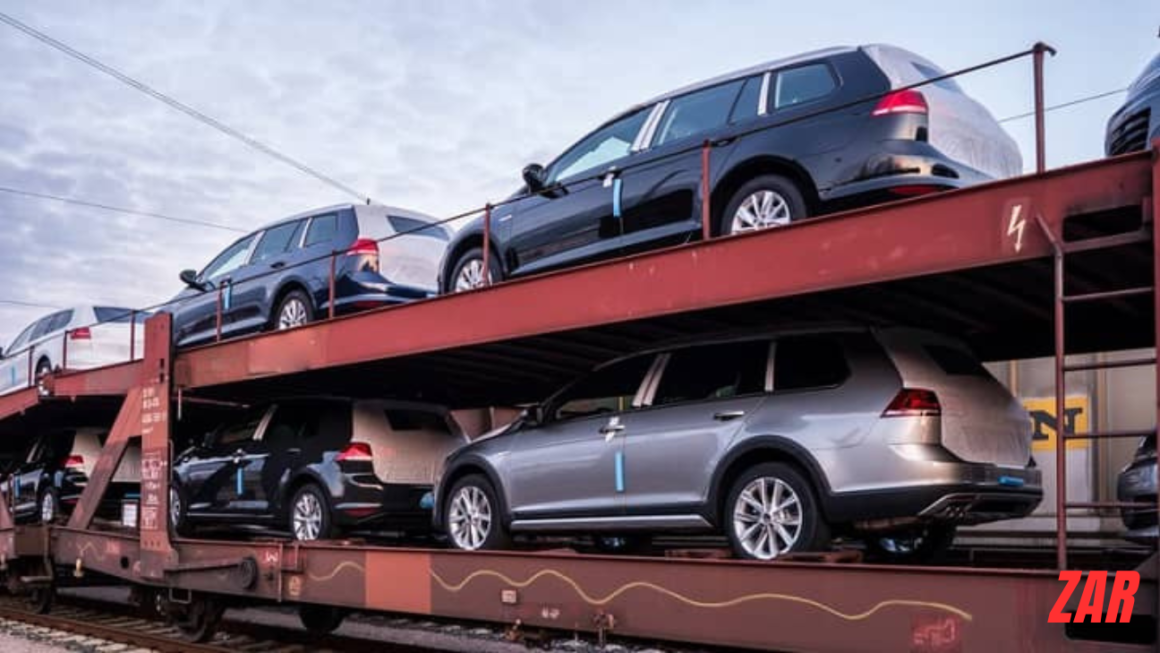
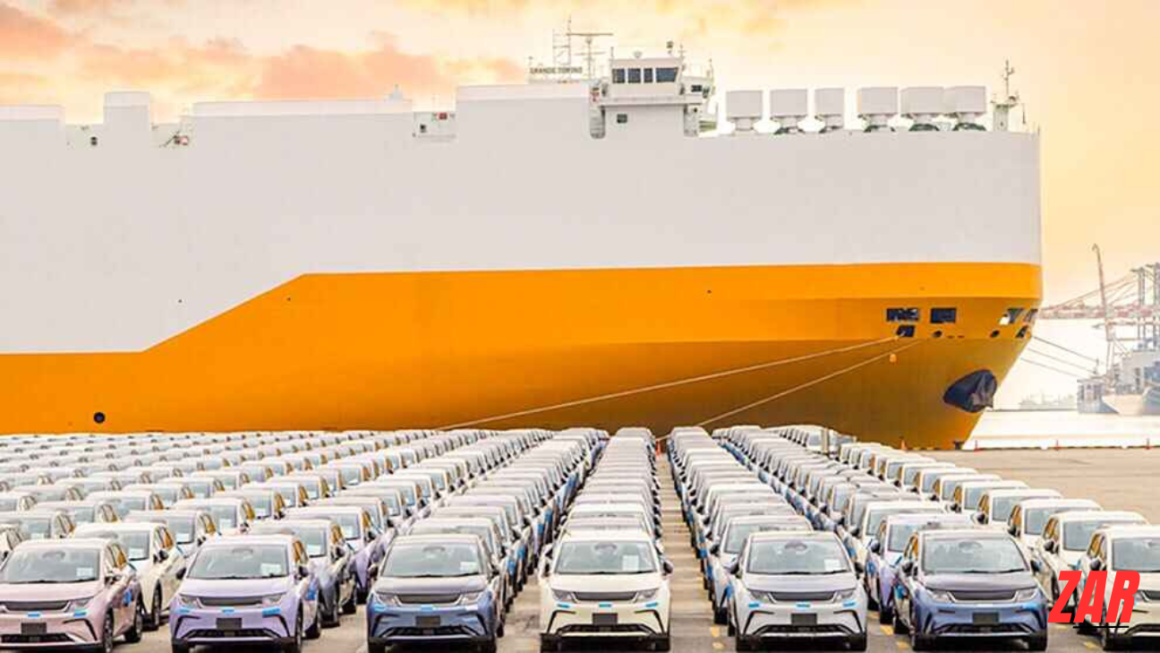
Most Nigerians use RoRo shipping (Roll on/Roll off), which is cheaper than container shipping but exposes vehicles to minor risks. Once the ship lands at Apapa or Tin Can, your clearing agent files the Single Goods Declaration on the NICIS II portal. Customs then processes the PAAR and generates the final valuation.
After duties are paid through REMITA, physical inspection begins. NCS officers check for VIN tampering, chassis irregularities, safety compliance, and consistency between documentation and the vehicle. If all goes well, release happens within one to three days, after which you can move your car inland.
Finally, FRSC registration and plate issuance complete the journey. Depending on state, this ranges from ₦20,000 to ₦50,000.
Extra Costs and Common Pitfalls Importers Face
Even after duties, several hidden charges can catch you off guard. Port handling fees, inspection fees, trucking costs, and clearing agent charges can easily push your expenses into the six figure range. Demurrage is another silent killer delay by even a week and you’re staring at hundreds of thousands in additional bills.
The most common disasters include buying an over age vehicle, attempting to bypass regulations through land borders, undervaluing the car in customs forms, or relying on sellers who falsify VIN data. Forex delays can also ruin everything an expired Form M means starting the process all over.
Despite the risks, importing remains attractive because the average Nigerian still believes foreign used cars offer better reliability and longer lifespan than many local alternatives. For many, paying double the CIF price is still worth it for peace of mind.
What’s New in 2025 and Years To Come?
This year has come with a mix of relief and frustration. The revival of the 4% FOB levy has pushed costs up again, frustrating dealers who saw a brief window of affordability earlier in the year. Meanwhile, the digital VIN valuation system has made customs significantly less negotiable and consequently more expensive for older cars.
There’s also a big push toward EV adoption. Duty reductions for EVs and hybrids have made them more attractive, although their import numbers remain low due to high initial costs and Nigeria’s weak charging infrastructure.
Customs enforcement has also intensified. More seizures have been recorded in 2025 than in the past three years combined, especially for over age vehicles and smuggled cars. Agencies are increasingly using digital tools, making the import pipeline more transparent and more unforgiving.
Is Importing a Car Worth It in 2025?
Importing a vehicle into Nigeria in 2025 is not cheap, not easy, and not something you should jump into blindly but it remains one of the smartest ways to secure a reliable car that will survive Nigerian roads. With duties hovering around 70% or more, your total cost will likely be two to three times the abroad price, but the tradeoff is quality, longevity, and confidence.
If you follow the rules, work with a verified clearing agent, confirm VIN details, double-check documentation, and stay updated with customs policies, the process can be smooth. Whether you’re eyeing a fuel efficient Corolla, a rugged Highlander, a luxury Lexus, or even a hybrid pushing the EV wave, proper planning saves you money and stress.
Thinking of importing soon? Tell me the vehicle you have in mind.