

If you are searching for the Toyota Camry 2018 price in Nigeria, you should expect to spend around ₦17 million to ₦23 million for a Nigerian-used model, while a clean foreign-used (Tokunbo) example can cost roughly ₦22 million to ₦32 million in September 2026. The actual price depends heavily on mileage, condition, trim, engine, accident history, documentation and whether the car is Nigerian-used or Tokunbo.
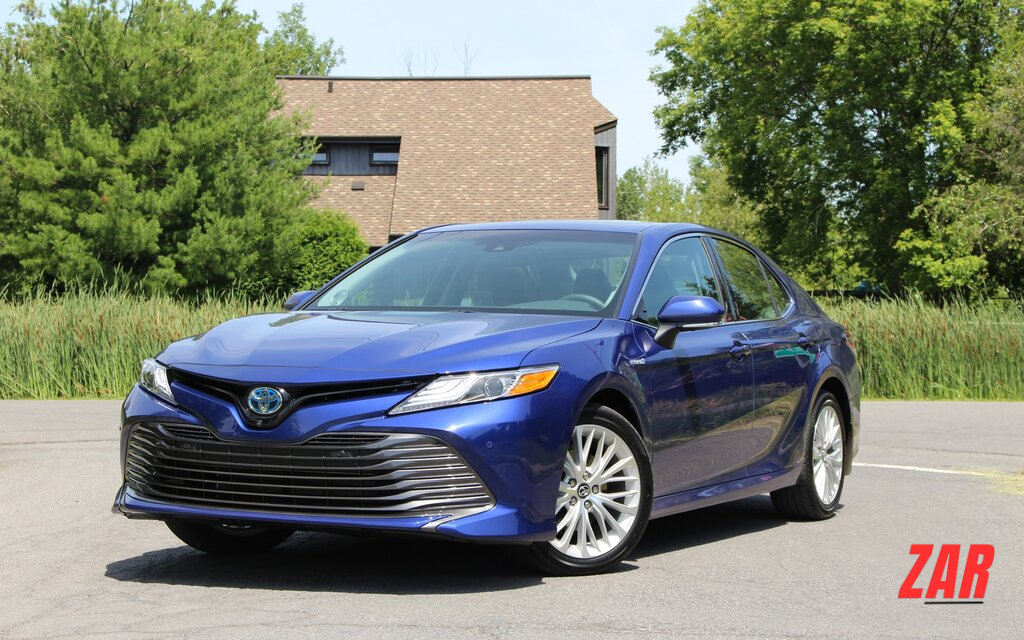
The 2018 Camry is particularly interesting because it introduced the completely redesigned eighth-generation Camry to the market. Toyota gave it a more aggressive exterior, a newer platform, improved handling, a redesigned cabin and more advanced safety technology. Toyota’s official launch information confirms that the 2018 model introduced the TNGA-based platform, new suspension design and updated powertrains. Toyota’s official 2018 Camry overview
Toyota Camry 2018 Price in Nigeria
As of September 2026, a Nigerian-used Toyota Camry 2018 generally sells for about ₦17 million to ₦23 million, with many reasonably clean examples advertised around ₦18.5 million to ₦21 million.
For foreign-used Camry 2018 models, the market is higher. A Tokunbo example can fall between ₦22 million and ₦32 million, while a clean, low-mileage example is commonly around ₦24 million to ₦28 million.
Higher trims such as the XSE and XLE, especially cars with desirable options such as a sunroof, premium interior or low mileage, can reach approximately ₦28 million to ₦35 million.
That means a realistic average market budget for a good 2018 Camry in Nigeria is around ₦23 million to ₦27 million. However, do not assume that a higher asking price automatically means a better car. Two vehicles with the same model year can have very different histories.
Location also matters. Cars advertised in Lagos and Abuja can sometimes carry higher asking prices, while mileage, maintenance history, accident history and complete documentation can make an even bigger difference.
What Makes the 2018 Toyota Camry Different?
The 2018 model was not simply another facelift. It was the beginning of the eighth-generation Camry, built around Toyota’s TNGA platform. Toyota redesigned the chassis, lowered the car’s centre of gravity and introduced a new rear suspension design intended to improve ride and handling. Toyota’s official 2018 Camry technical details
The result is a Camry that feels considerably more modern than the older XV40 and XV50 models commonly seen on Nigerian roads.
The styling is also one of its biggest attractions. The 2018 Camry has a lower roofline, wider stance, sharper front end and a more aggressive profile. Toyota offered different styling themes depending on trim, so an SE or XSE can look noticeably sportier than an LE or XLE.
For buyers who want a Camry that still feels like a traditional comfortable Toyota but looks considerably more modern, the 2018 model sits in an interesting position.
Toyota Camry 2018 Engine and Performance
The standard petrol engine is a 2.5-litre four-cylinder, producing around 203 horsepower, while the available 3.5-litre V6 produces 301 horsepower. Both petrol engines use an eight-speed automatic transmission. Toyota’s official specifications confirm the 301-horsepower output of the V6 and its pairing with the eight-speed automatic transmission. Toyota’s official Camry powertrain specifications
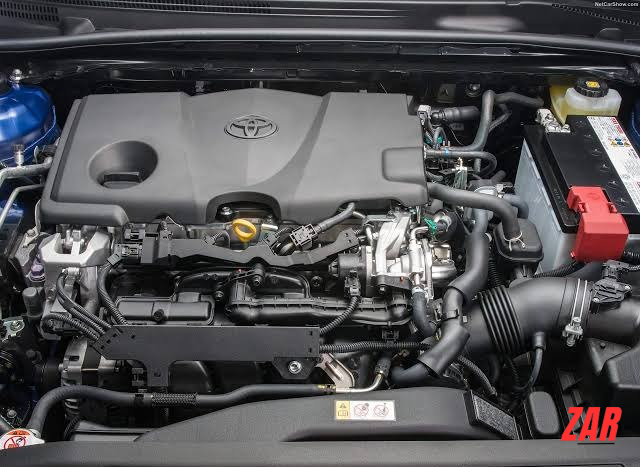
The four-cylinder is the sensible option for most Nigerian buyers. It has enough power for normal city driving, highway trips and family use without the fuel consumption associated with the V6.
The V6 is a different experience. With 301 horsepower and 267 lb-ft of torque, it gives the Camry considerably stronger acceleration.
If you regularly travel long distances or simply enjoy a stronger engine, the V6 is attractive. But if fuel economy and running costs matter more, the 2.5-litre four-cylinder makes more sense.
Fuel Economy of the 2018 Camry in Nigeria
Official fuel-economy figures are measured under controlled testing conditions, so Nigerian traffic, fuel quality, air-conditioning use, tyre pressure, driving style and road conditions can produce different results.
The 2.5-litre Camry can realistically deliver around 10–12 km/L in city driving, approximately 13–15 km/L on the highway, and roughly 11.5–13.5 km/L combined when properly maintained.
The V6 generally consumes more fuel. Nigerian owners can expect approximately 8–10 km/L around town, around 11–13 km/L on longer highway journeys, and roughly 9.5–11.5 km/L combined, depending on driving conditions.
For comparison, Toyota’s published figures put the V6 at 22 mpg city, 33 mpg highway and 26 mpg combined, while the four-cylinder was designed around improved efficiency compared with the outgoing generation. Toyota’s 2018 Camry fuel-economy and powertrain information
In practical Nigerian terms, the four-cylinder is therefore the easier engine to live with if you spend a lot of time in Lagos traffic.
Interior Comfort and Features
Inside, the 2018 Camry is a major improvement over the previous generation. Toyota gave the cabin a more modern dashboard layout, improved seating position and a more driver-focused design.
There is enough room for five adults, and the rear seat is suitable for family use. The boot also remains practical for luggage, making the car useful for airport trips, interstate travel and everyday family duties.
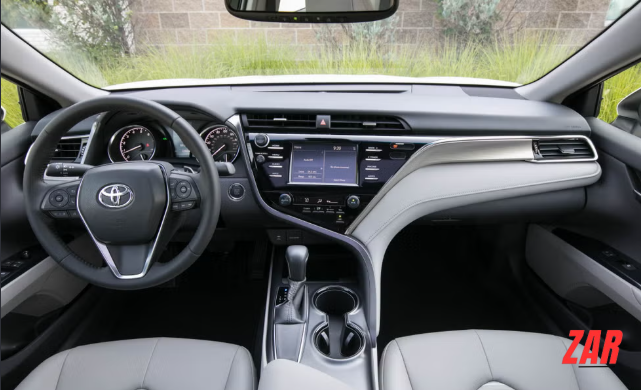
Depending on trim, equipment can include touchscreen infotainment, Bluetooth connectivity, automatic climate control, keyless entry, push-button start, leather upholstery, heated seats, sunroof and other convenience features.
However, remember that not every 2018 Camry has the same equipment. The difference between an L, LE, SE, XSE and XLE can be significant, so inspect the exact vehicle rather than buying based solely on the year.
Safety Features
Safety was another major area of improvement for the eighth-generation Camry. Toyota made its Toyota Safety Sense package standard on the 2018 model, including features such as pre-collision warning, pedestrian detection, dynamic radar cruise control, lane-departure alert and automatic high beams. Toyota’s 2018 Camry safety information
The Insurance Institute for Highway Safety (IIHS) also recorded strong crashworthiness results for the 2018 Camry, including Good ratings in several original crash tests. IIHS lists standard lane-departure warning/prevention and a standard vehicle-to-vehicle front crash-prevention system for the 2018 model. IIHS 2018 Toyota Camry safety ratings
That said, safety equipment varies by trim and optional package, so buyers should confirm the actual equipment fitted to the particular car.
Is the 2018 Toyota Camry Good for Nigerian Roads?
Yes, but the condition of the particular vehicle matters more than the badge.
The Camry has a comfortable suspension and is well suited to highway travel. The redesigned 2018 model also uses a double-wishbone rear suspension, which Toyota introduced as part of the new-generation platform. Toyota’s technical information on the 2018 Camry platform
The problem is that Nigerian roads can be unforgiving. Potholes, rough surfaces and speed bumps can gradually affect suspension components, tyres, steering components and underbody parts.
This is why you should not judge a 2018 Camry simply by looking at the body. A clean-looking car can still have worn shocks, bushes, bent suspension components or previous accident repairs underneath.
Common Problems to Check Before Buying
At this age, some 2018 Camrys will have accumulated considerable mileage. That means maintenance history is more important than the odometer reading alone.
Check the suspension carefully for knocking sounds, uneven tyre wear and excessive bouncing. Inspect underneath the car for accident damage, oil leaks and signs of poor repairs.
The engine should start smoothly when cold, idle properly and accelerate without hesitation. Pay particular attention to unusual oil consumption, smoke or warning lights.
The eight-speed automatic transmission should also shift smoothly. During a test drive, check for delayed engagement, harsh shifts, unusual noises or hesitation.
The air-conditioning system deserves serious attention in Nigeria. Make sure it becomes properly cold and remains effective in traffic rather than testing it for only a few minutes.
Electrical features, cameras, sensors, windows, infotainment, sunroof and dashboard warning lights should also be tested before payment.
Nigerian Used vs Tokunbo 2018 Camry
The choice between Nigerian-used and Tokunbo largely comes down to history and condition.
A Nigerian-used Camry can be cheaper, but some examples may have spent years dealing with Nigerian roads and traffic. That does not automatically make them bad purchases. A properly maintained Nigerian-used vehicle with documented servicing can be preferable to a poorly repaired imported car.
Tokunbo models generally command a premium because buyers often associate them with lower mileage and less exposure to Nigerian roads. However, imported vehicles can also have accident or flood histories, so never assume that “Tokunbo” means perfect.
For either option, obtain the VIN and investigate the vehicle’s history where possible.
For imported vehicles, Nigeria Customs Service information is particularly relevant. The Customs Service provides guidance on vehicle-related import procedures and operates the Customs Verification Management System, which can be used to verify vehicle clearance information using the VIN or chassis number. Nigeria Customs Service official website
Maintenance and Spare Parts in Nigeria
One of the biggest advantages of owning a Camry in Nigeria is the established Toyota ecosystem.
Toyota Nigeria provides genuine parts support and maintains a parts network for Toyota vehicles. Its official parts department states that it supplies genuine Toyota spare parts for vehicle models imported and marketed by Toyota Nigeria. Toyota Nigeria genuine parts department
Toyota Nigeria also provides information about accredited dealers and genuine parts through its official FAQ. Toyota Nigeria official parts FAQ
For a 2018 Camry, using the correct engine oil, transmission fluid, filters and other maintenance parts is important. When ordering parts, provide the vehicle’s VIN where necessary because specifications can differ between variants.
Which 2018 Camry Should You Buy?
For most Nigerian buyers, the 2.5-litre four-cylinder is the easier version to justify. It provides adequate performance while keeping fuel consumption more manageable.
The V6 is aimed at buyers who prioritise acceleration and stronger performance. It is considerably more powerful, but you should budget for higher fuel consumption and potentially higher running costs.
The SE and XSE have a sportier appearance and suspension setup, while the XLE focuses more heavily on comfort and premium features. The exact equipment varies, so compare the actual specification of each car before deciding.
What to Check Before Paying
Before buying a Toyota Camry 2018 in Nigeria, inspect the vehicle with an independent mechanic who can check the engine, transmission, suspension, underbody and electronics.
Check the VIN against the vehicle documents and verify ownership. For a Tokunbo vehicle, pay particular attention to customs documentation and clearance. The Nigeria Customs Service’s vehicle verification system provides a route for checking clearance information before completing a purchase. Nigeria Customs Service vehicle and customs services
Do not skip the test drive. Drive over different surfaces, test the air conditioner in traffic, observe the transmission and listen for suspension noises. A pre-purchase inspection can save you from spending millions of naira repairing someone else’s neglected Camry.
Final Thoughts
The Toyota Camry 2018 price in Nigeria currently sits around ₦17 million to ₦23 million for Nigerian-used examples, while Tokunbo models generally fall around ₦22 million to ₦32 million. Clean, low-mileage XSE and XLE examples can reach approximately ₦28 million to ₦35 million.
The 2018 Camry stands out because it combines the familiar practicality of the Camry with a much newer platform, sharper styling, stronger technology and improved driving dynamics. Toyota’s 2.5-litre four-cylinder is the more economical choice, while the 3.5-litre V6 delivers substantially stronger performance. Official Toyota Camry 2018 specifications
If you are buying one in 2026, condition should be your priority. A well-maintained 2018 Camry with verified documents and a clean mechanical inspection can make far more sense than paying extra for a vehicle simply because it has a higher trim or attractive exterior.