Electric cars are the global buzz, sleek, futuristic, and marketed as “the cleaner choice.” But for Nigerians, the reality is more complicated. While EVs are becoming popular in Europe and Asia, the question remains: are they practical in Nigeria in 2025?
Truth is, Nigeria’s transportation landscape from Lagos to Kano still heavily favors traditional petrol and diesel powered cars. Between unreliable electricity supply, limited charging stations, and expensive import costs, gas cars continue to be the smarter, more reliable choice for most Nigerians. In this post, we’ll break down why gas cars still dominate Nigerian roads in 2025, using real-world examples that reflect both city and rural driving realities.
1. Affordability and Accessibility Still Favour Gas Cars
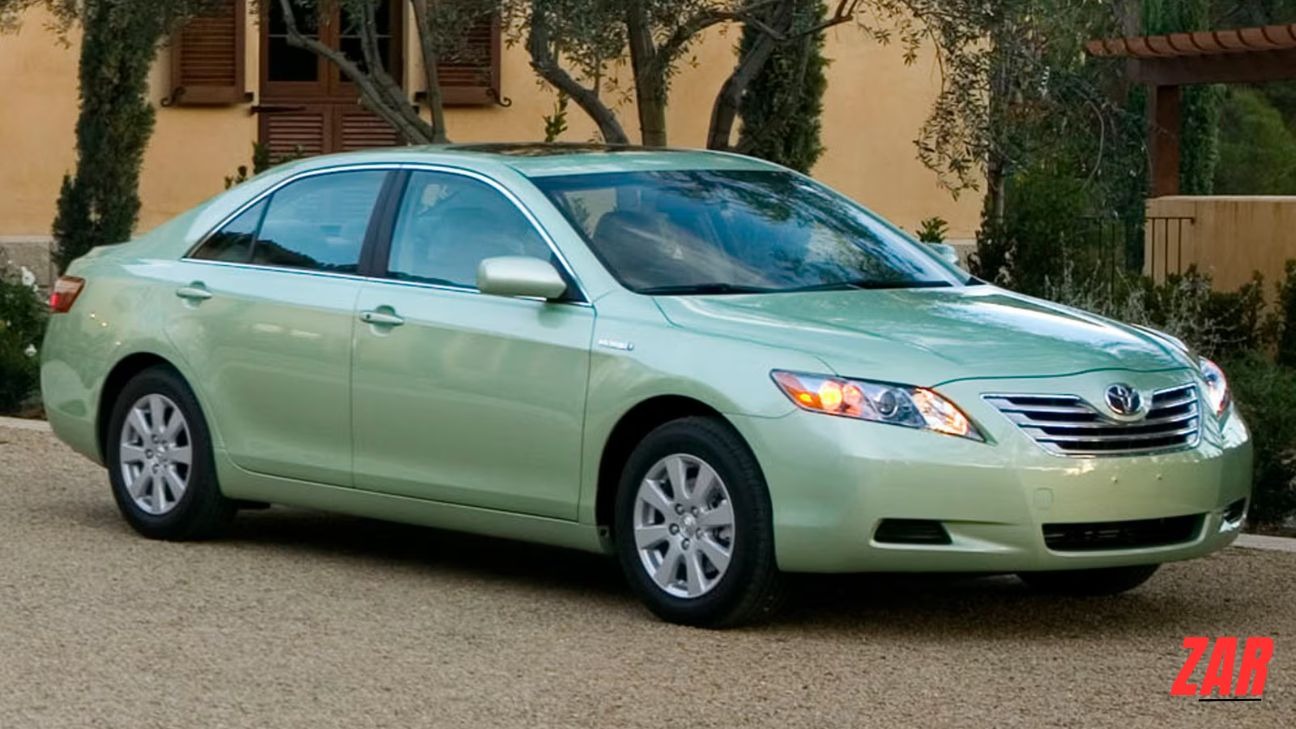
Let’s start with the price. In 2025, a new Toyota Corolla or Camry costs between ₦35 million and ₦50 million in Nigeria, while most electric cars, like the BYD Dolphin or Tesla Model 3, start from around ₦55 million to ₦80 million after shipping, duties, and port charges.
That’s a ₦20 million gap, enough to buy a second-hand SUV or start a small business. Even though EVs save money on charging compared to fuel, their high upfront cost and limited financing options make them out of reach for most Nigerians. The truth is, until battery prices drop and import duties reduce, gas cars remain the better value for money.
2. Refueling Is Fast and Convenient Anywhere in Nigeria
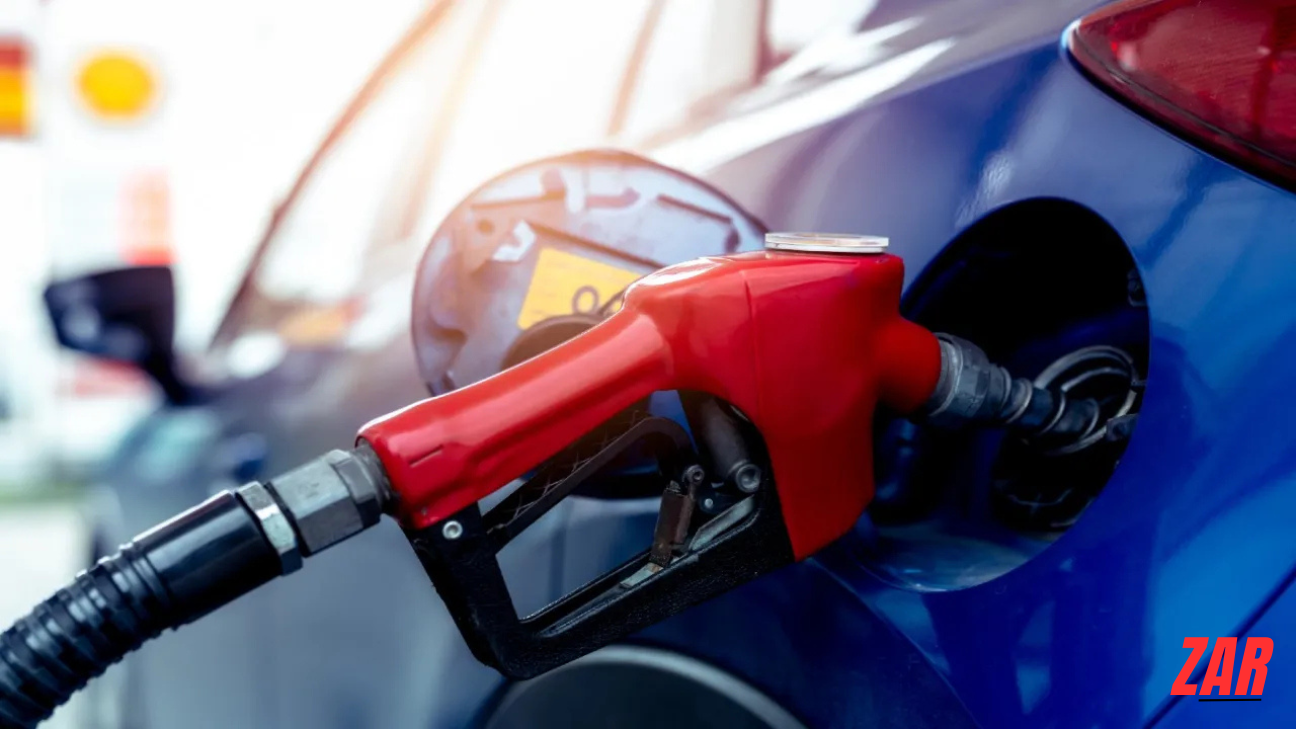
In Lagos, Abuja, or even small towns like Lokoja, you can find a petrol station within minutes. Refueling takes just 5–10 minutes, and you’re back on the road. Now compare that to an electric vehicle the average fast charger (if you find one) takes 30–45 minutes for 80% charge. Home charging can take 6–10 hours, and with Nigeria’s unstable electricity, that’s a huge challenge.
While EV owners in countries with steady power enjoy home charging convenience, in Nigeria, a generator or solar setup is required adding more cost and complexity. For taxi drivers, intercity travelers, or logistics operators, petrol still wins hands-down for speed and convenience.
3. Range and Reliability Still Go to Petrol Engines
Nigeria’s road network stretches long distances, from Lagos to Enugu or Abuja to Maiduguri, often over 700km. Gas cars like the Toyota Camry or Lexus RX can easily cover 500–600km on a full tank, while most EVs only manage 300–400km before needing a recharge.
On rough terrains or during long trips, EVs risk running out of charge with no nearby station. Gas cars simply refuel anywhere. For drivers in remote areas or inter state transport businesses, range confidence matters more than futuristic tech.
4. Fuel Stations Outnumber Charging Points by 1,000 to 1
Nigeria has over 15,000 fuel stations spread across every state, but fewer than 100 public EV charging points, most of them in Lagos or Abuja. Even as companies like CFAO and Oando Clean Energy work to install more chargers, they remain limited. Petrol, on the other hand, is everywhere even in small villages or highways. You don’t need an app, subscription, or perfect weather to refuel.
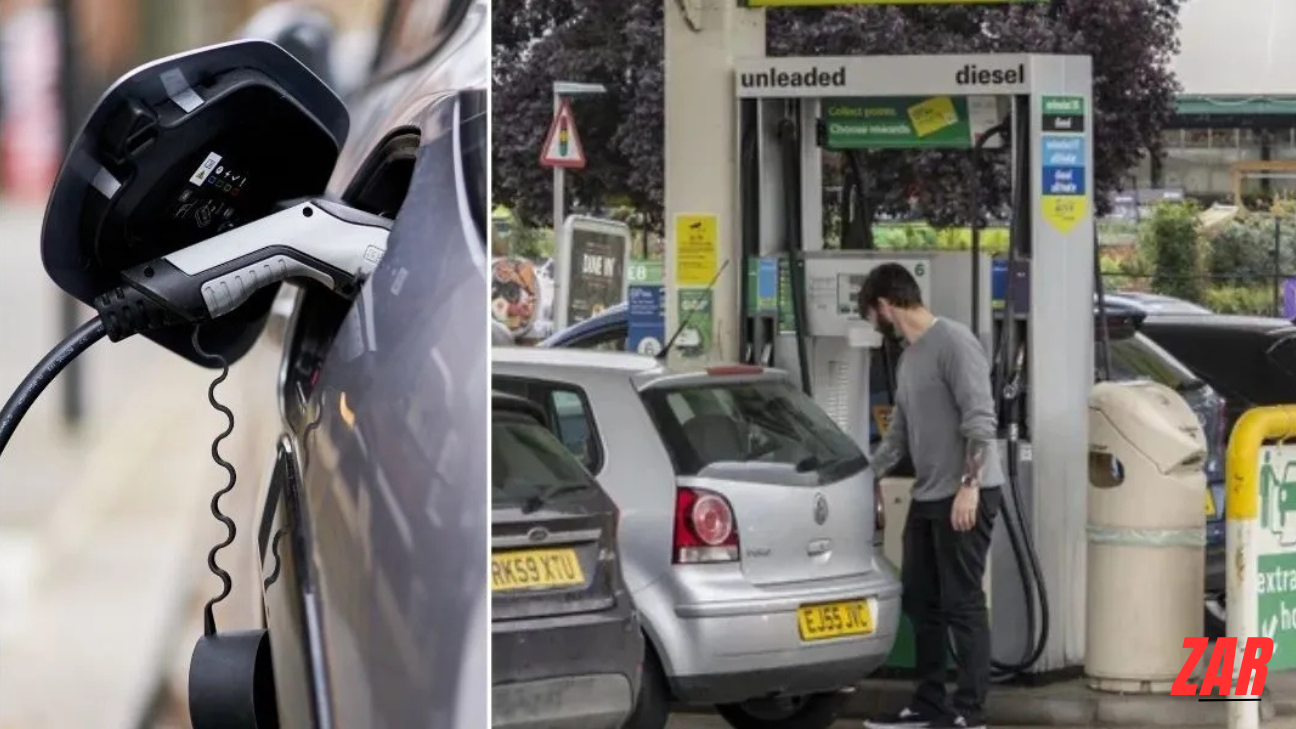
This accessibility gives gas cars a massive advantage in a country where road trips, business deliveries, and intercity travel are everyday life.
5. Gas Cars Handle Nigeria’s Weather and Roads Better
Let’s be honest EVs and bad roads don’t mix well. Many electric cars have low ground clearance and delicate battery packs under the chassis, making them risky on Nigeria’s rough roads or during rainy seasons.

Gas powered SUVs like the Toyota Highlander, Hilux, or Lexus GX460 are built tough for potholes, floods, and uneven terrain. They also perform consistently in hot or humid weather, unlike EVs that can lose battery range in extreme heat or cold. For a country with unpredictable power and road conditions, combustion engines simply offer more durability and peace of mind.
6. Better for Towing, Hauling, and Heavy Use
Whether you run a construction business or drive a farm truck, petrol and diesel engines still do the heavy lifting. Vehicles like the Toyota Hilux or Ford Ranger can tow over 3,000–3,500 kg, while most EV pickups lose up to 50% range when towing due to battery strain.
For Nigeria’s transporters, builders, and rural farmers, that power and quick refueling ability make gas vehicles far more dependable for commercial use.
7. No Expensive Battery Replacement Risks
One of the biggest hidden costs of owning an EV is battery degradation. After 8–10 years, battery capacity drops, and replacements can cost ₦6–15 million, sometimes more than the car’s resale value.
Gas cars, on the other hand, can run for decades with proper maintenance. A Toyota engine can easily last 15–20 years if serviced regularly. Nigerians trust ICE vehicles because they know mechanics and spare parts are everywhere, from major cities to local roadside workshops.
8. Better Handling and Lighter Feel
Electric cars are heavy because of large battery packs often weighing 500–1,000kg more than similar gas cars. This affects acceleration, braking, and suspension wear on bad roads.
Gas powered sedans like the Corolla Sport or Mazda 3 remain agile, easy to drive, and less stressful on tires and shocks, a huge plus for Nigerian drivers dealing with traffic and rough patches daily.
9. Easier and Cheaper to Repair
Walk into any mechanic workshop in Nigeria, and you’ll find experts ready to fix a petrol or diesel car. But EV repairs require specialized technicians, diagnostic software, and parts that are mostly available abroad.
Average maintenance for a gas car costs ₦100,000–₦200,000 per year, while an EV could cost more simply due to scarcity of parts or skilled labor. Until Nigeria develops a stronger EV service ecosystem, gas cars remain the practical and cost-effective option.
10. Less Dependence on Unstable Electricity Supply
This is the biggest deal-breaker for many Nigerians. Electric cars depend entirely on power but with frequent blackouts, grid failure, and high generator costs, charging an EV consistently is tough.
In contrast, petrol cars can run anywhere, anytime even during power cuts or fuel scarcity (thanks to portable storage). For rural dwellers and intercity travelers, that freedom makes all the difference. Unless Nigeria achieves steady power nationwide, EV adoption will remain limited to urban elites or corporate fleets.
EVs Are the Future, But Gas Cars Still Rule the Present
Electric cars are clean, quiet, and innovative but in Nigeria’s 2025 reality, gas cars still make more sense. They’re cheaper to buy, faster to refuel, easier to fix, and more reliable for long trips or rural roads. Until power supply improves and charging stations become common, most Nigerians will stick with petrol engines because they simply work. The future may be electric, but for now, Nigeria still runs on fuel and practicality.
That said, as more EV brands like BYD, Tesla, and Jet Motors enter the Nigerian market, the shift toward electric mobility is only a matter of time. For now, though, gas powered cars remain the heart of Nigerian roads durable, affordable, and built for everyday reality.