


The European Union has announced new hybrid car import restrictions, effective December 1, 2026, introducing temporary quotas that could reshape international automotive trade and influence vehicle distribution across emerging markets.
The European Commission published the measures on November 24, 2026, following an investigation into rising hybrid vehicle imports and their impact on European automotive manufacturers.
According to the official European Commission announcement, the restrictions will remain in place for up to 200 days.
Major automotive exporting countries, including China, Japan, South Korea, Türkiye and Morocco, will face limits on eligible hybrid passenger vehicle shipments.
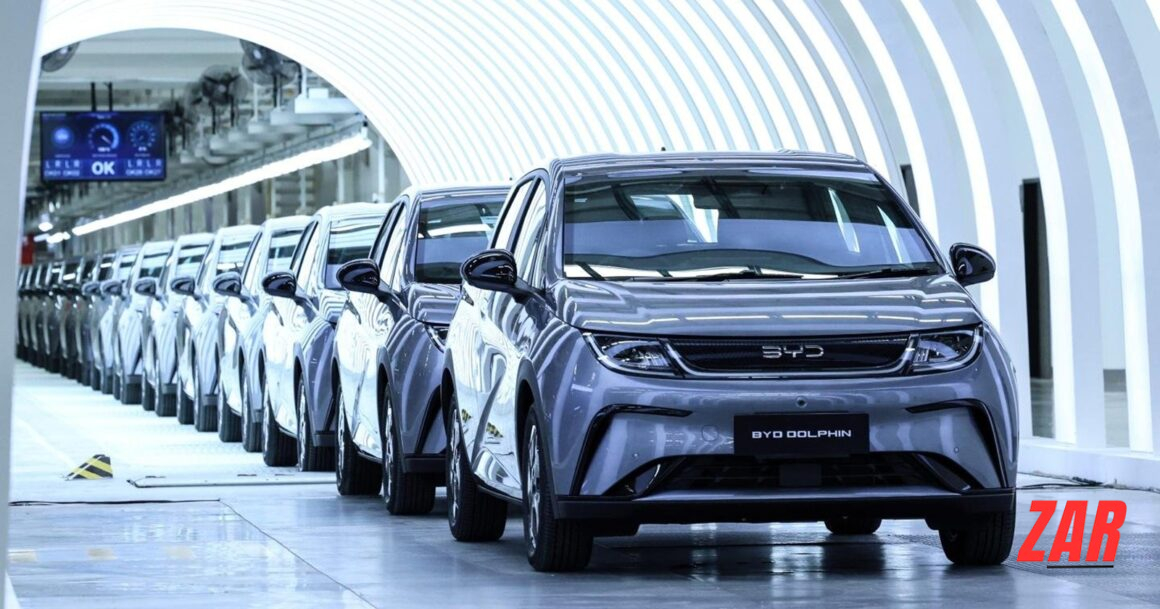
While the measures directly affect European automotive trade, their consequences could extend to African markets, including Nigeria, where interest in fuel-efficient vehicles is growing.
Why the EU Is Introducing Hybrid Car Import Restrictions
The European automotive industry is undergoing a major transformation as manufacturers invest in electrification, battery technology and fuel-efficient mobility solutions.
However, increasing competition from international manufacturers has created challenges for European vehicle producers.
The European Commission began a safeguard investigation on October 30, 2026. Its preliminary findings indicated that domestic manufacturers were losing market share despite increasing demand for hybrid vehicles.
The Commission attributes the growth in imports partly to excess global manufacturing capacity and trade restrictions in other international markets.
Chinese manufacturers have also expanded their international operations significantly, as highlighted in WheelZAR’s coverage of Chinese carmakers strengthening their global position.
The new European measures introduce additional regulatory considerations for manufacturers pursuing international expansion.
EU Hybrid Car Import Quotas by Country
The provisional regulations establish country-specific allocations across three periods, beginning December 1, 2026, and ending June 18, 2027.
The following table shows the combined allocations for the provisional period.
| Country | Hybrid vehicle import quota |
|---|---|
| China | 191,780 |
| Japan | 170,889 |
| Türkiye | 126,320 |
| United Kingdom | 105,402 |
| South Korea | 67,924 |
| Mexico | 34,755 |
| Morocco | 23,954 |
| Serbia | 19,353 |
| United States | 18,482 |
Source: Commission Implementing Regulation (EU) 2026/2614.
These figures represent temporary import allowances rather than permanent annual limits. Imports exceeding the available quotas will not be permitted under the safeguard measures.
Automotive manufacturers and distributors will therefore need to coordinate production schedules, shipping arrangements and customs procedures carefully.
Which Hybrid Vehicles Are Affected?
The EU hybrid car import restrictions apply to qualifying new passenger vehicles featuring both combustion engines and electric propulsion systems.
Hybrid Electric Vehicles (HEVs)
Conventional hybrids combine petrol or diesel engines with electric motors to improve fuel efficiency. Their batteries typically recharge through regenerative braking and energy generated by the combustion engine.
Plug-in Hybrid Electric Vehicles (PHEVs)
Plug-in hybrids feature rechargeable batteries that allow motorists to travel certain distances using electric power before relying on the combustion engine.
Mild Hybrid Electric Vehicles (MHEVs)
Mild hybrids use smaller batteries and electric assistance to improve vehicle efficiency. Qualifying models with electric propulsion assistance fall within the new restrictions.
Fully electric vehicles and used hybrid passenger cars are not subject to these particular quotas, although the regulation introduces monitoring provisions for certain other vehicle categories.
What the New Restrictions Mean for Chinese Automakers
China has become an increasingly influential player in the international automotive industry, particularly in electric and hybrid vehicle production.
The European restrictions could encourage Chinese manufacturers to reconsider their international distribution strategies.
According to CnEVPost’s coverage of the new EU measures, China has called for adherence to the understanding reached during earlier trade discussions with the European Union.
Manufacturers could respond by exploring alternative export destinations, adjusting production volumes or expanding manufacturing operations outside China.
However, establishing new production facilities requires considerable investment, regulatory approval and reliable supplier networks.
The eventual commercial response will depend on individual manufacturers’ international operations and long-term business strategies.
Morocco Faces Hybrid Vehicle Export Restrictions
Morocco is among the African countries affected by the new European import quotas.
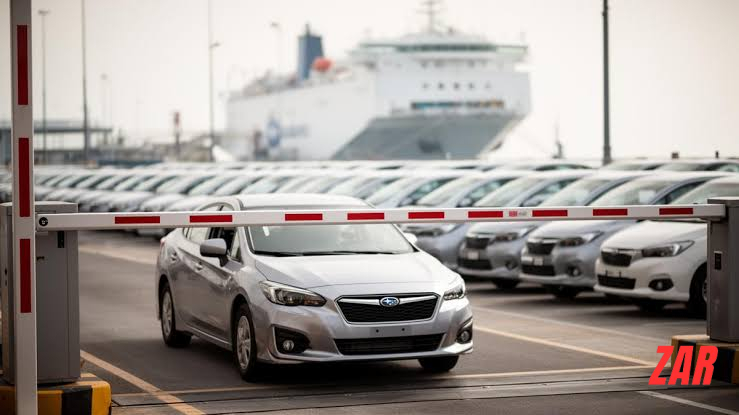
The country has established itself as an important automotive manufacturing destination, benefiting from its proximity to European markets and international industrial partnerships.
The provisional allocation of 23,954 eligible vehicles could influence production and export planning for manufacturers operating within Morocco.
However, the actual consequences will depend on existing export volumes and the types of vehicles produced.
South Africa, meanwhile, is exempt from the provisional quotas, demonstrating how the regulations affect African automotive exporters differently.
How the EU Hybrid Car Import Restrictions Could Affect Africa
African automotive markets could experience indirect consequences if international manufacturers adjust their vehicle distribution networks.
Nigeria, Kenya and South Africa could become alternative destinations for manufacturers seeking additional growth opportunities outside traditional European markets.
Increased competition could potentially provide African motorists with greater vehicle choice and encourage investment in dealership networks.
Hybrid vehicles may also appeal to consumers seeking improved fuel efficiency in countries where public electric vehicle charging infrastructure remains limited.
WheelZAR’s coverage of BYD cars in Nigeria highlights the expanding presence of Chinese electrified vehicles in the Nigerian automotive market.
Nevertheless, manufacturers must address challenges involving vehicle affordability, spare-parts availability, technical expertise and after-sales support.
Could Hybrid Cars Become Cheaper in Nigeria?
Although European import restrictions could encourage manufacturers to explore new markets, Nigerian motorists should not expect immediate reductions in hybrid vehicle prices.
Vehicle affordability remains dependent on exchange rates, international shipping expenses, customs duties and dealership operating costs.
The European measures do not directly alter Nigeria’s car import policies and customs duties.
Greater competition among automotive manufacturers could eventually benefit consumers, but any price reductions would depend on wider economic conditions and individual manufacturers’ commercial decisions.
Access to affordable vehicle financing would also play an important role in increasing hybrid vehicle adoption across Nigeria.
What Happens Next?
The European Commission will continue its safeguard investigation during the provisional period.
Depending on the final findings, authorities could introduce longer-term restrictions or revise the existing import arrangements.
Manufacturers and automotive distributors will closely monitor these developments as they prepare their international sales and production strategies for 2027.
WheelZAR’s Analysis
The EU hybrid car import restrictions mark a significant development in global automotive trade, reflecting increasing competition within the electrified vehicle industry.
For African markets, the measures could create opportunities to attract automotive investment, expand vehicle availability and strengthen international manufacturing partnerships.
However, these potential benefits are not guaranteed. Their realisation will depend on manufacturer investment decisions, domestic economic conditions and supportive automotive policies.
WheelZAR will continue monitoring global automotive developments and their implications for Nigeria and Africa’s evolving mobility industry.


