

Suzuki is a renowned Japanese automobile manufacturer recognized for its affordable, reliable, and fuel-efficient vehicles. Globally, Suzuki has built a reputation for producing cars that balance practicality and performance, which resonates strongly with buyers in Nigeria. Distributed officially by CFAO Mobility, Suzuki models cater to urban commuters, small families, ride-hailing operators, and small business owners seeking dependable vehicles at competitive prices.
In Nigeria, Suzuki’s lineup spans from compact hatchbacks like the Alto and Celerio to SUVs like the Grand Vitara and Jimny. This article provides a detailed review of Suzuki cars, focusing on design, performance, pricing, and suitability for Nigerian roads and conditions. We will also examine how each model competes in the local market, maintenance considerations, and long-term ownership implications.
[wheelzar_review]
Suzuki Alto
The Suzuki Alto is a compact hatchback designed for urban commuting and tight city spaces. It features a small, aerodynamic silhouette, simple grille design, and halogen headlights. Body colors include white, silver, black, and red, with a choice of steel or alloy wheels depending on trim. Its minimalistic lines and compact proportions make it highly recognizable in city traffic, offering practicality over aggressive styling.
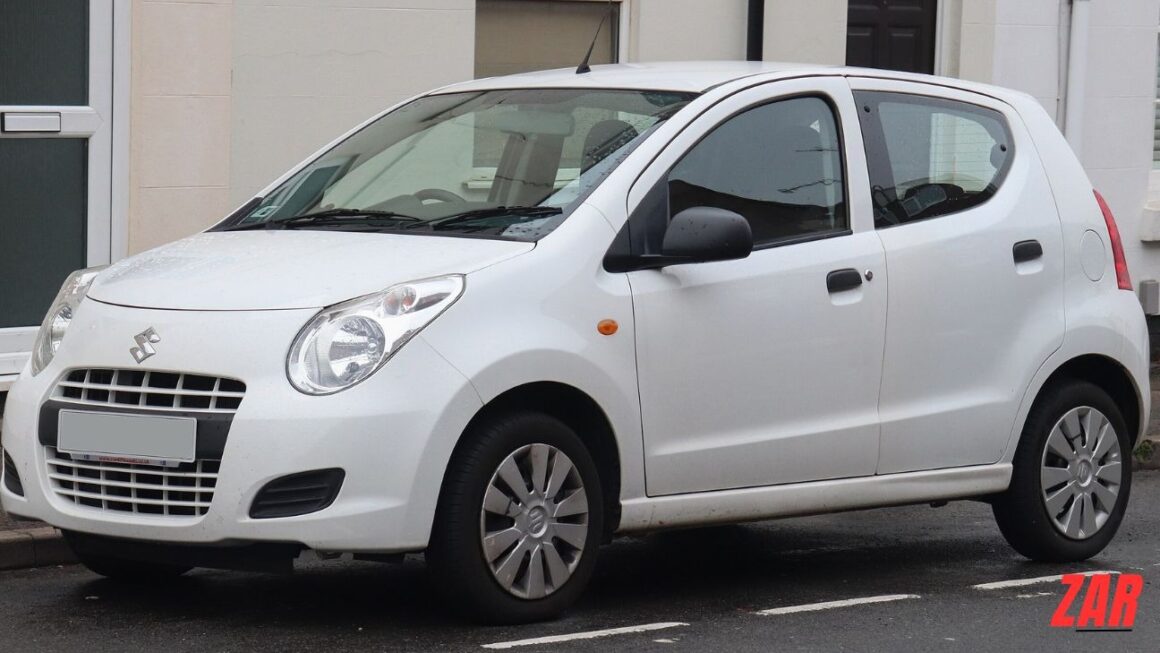
The Alto’s cabin emphasizes functionality and efficiency, seating five passengers in a compact space. Interiors feature durable fabric upholstery, basic infotainment, and manual air conditioning. It is powered by a 1.0-liter three-cylinder petrol engine producing 67 hp and 90 Nm torque, paired with either a 5-speed manual or automated manual gearbox (AGS). Top speed reaches approximately 140 km/h, ideal for city and short highway commutes. Pricing in Nigeria ranges between ₦9 – ₦13 million for new units.
Suzuki S-Presso
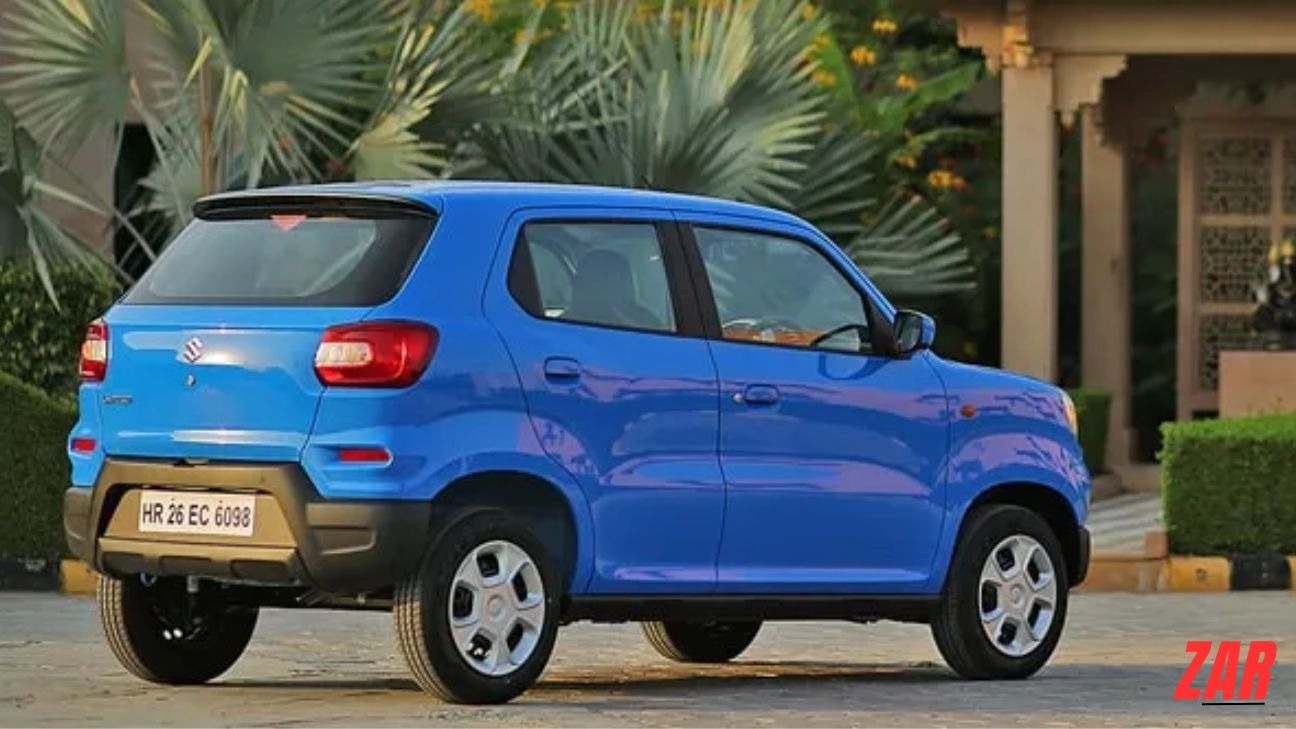
The Suzuki S‑Presso is a compact mini‑SUV with a tall‑boy design that gives it a commanding road presence despite its city‑friendly footprint. Its front fascia features an upright grille with bold horizontal slats, large round‑style headlamps, and black cladding along the wheel arches that enhances its rugged, adventurous look. Available in vibrant colors like pearl white, metallic grey, and fiery red, the S‑Presso looks bigger on the road than its actual size, appealing to young buyers, urban commuters, and first‑time car owners.
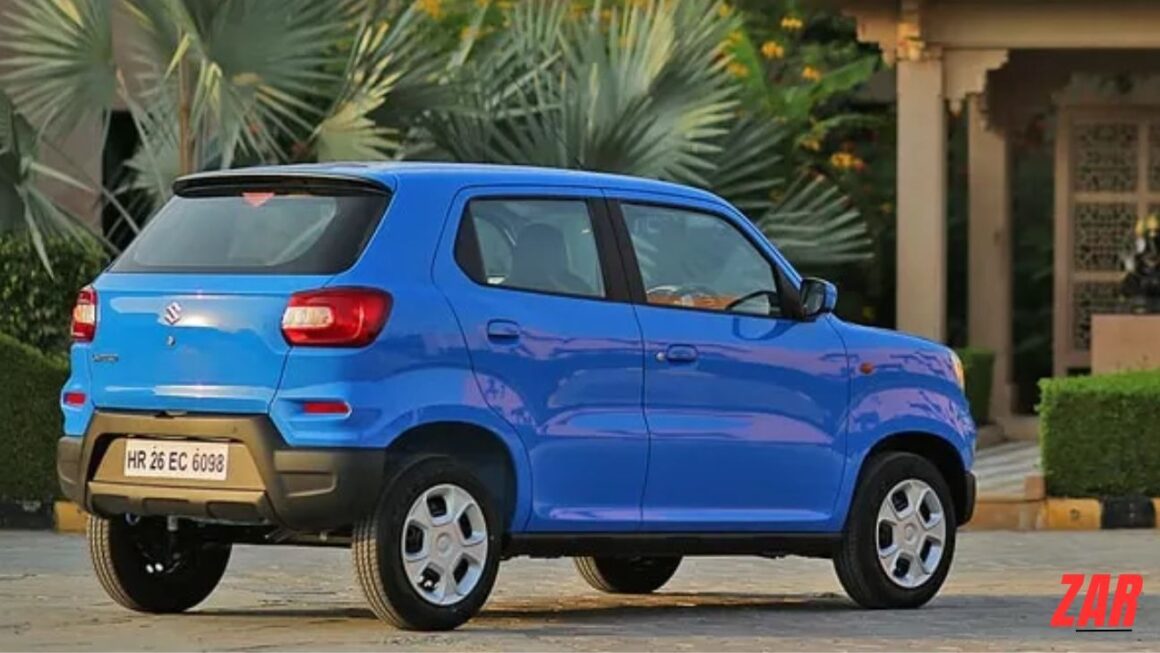
Inside, the S‑Presso combines practicality with intuitive simplicity. The cabin includes comfortable seats with good headroom, a clear instrument cluster, and a simple yet functional dashboard layout. Infotainment is basic in entry trims but often includes Bluetooth connectivity and USB inputs at higher specifications. Under the hood, the S‑Presso is powered by a 1.0‑liter three‑cylinder petrol engine producing around 67 horsepower and paired with either a 5‑speed manual or automated manual gearbox (AGS). The car’s light weight and tall stance deliver agile city performance with fuel economy that’s among the best in its class. In Nigeria, new Suzuki S‑Presso models typically fall in the ₦11 – ₦14 million price range, making it an affordable mini‑SUV choice for budget‑conscious buyers.
Suzuki Celerio
The Celerio offers slightly more refinement than the Alto, with smooth aerodynamic lines and a modern front fascia. Signature design cues include a small, hexagonal grille, rounded headlamps, and compact hatchback proportions. Available in white, silver, grey, and blue, the Celerio stands out for its practicality and ease of parking in congested city streets.
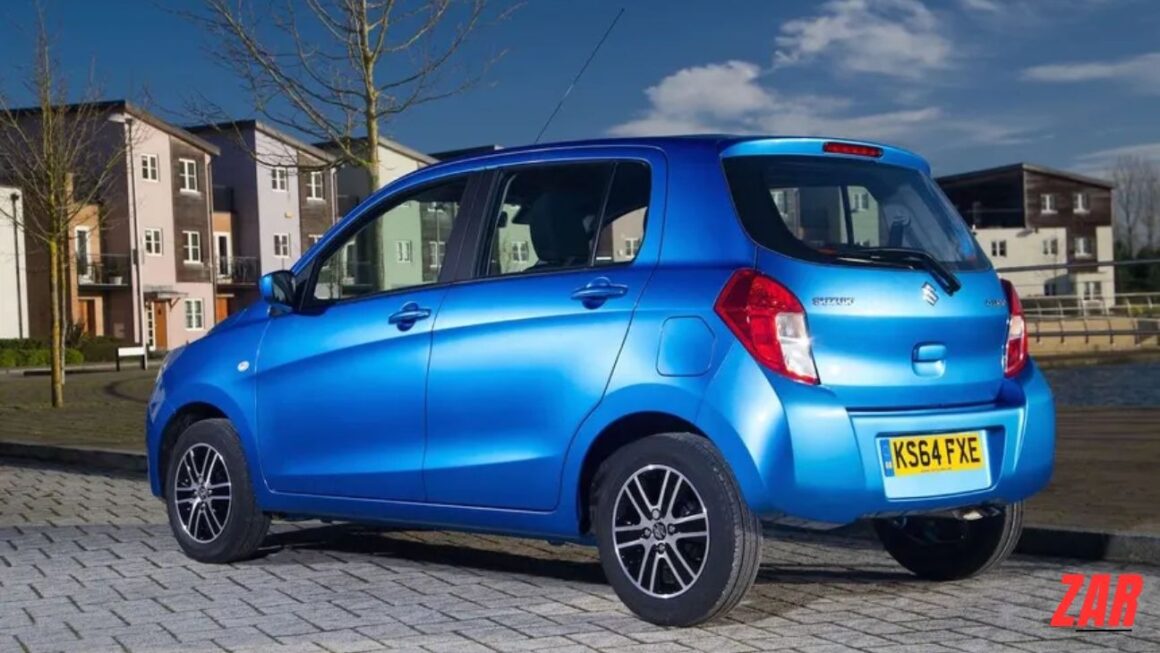
Inside, the Celerio provides improved cabin comfort, slightly larger boot space, and a functional infotainment system. The 1.0-liter petrol engine produces 67 hp and 90 Nm torque, paired with a manual or AGS transmission. Fuel efficiency and city maneuverability make it appealing for daily commuting. Nigerian prices range from ₦10 – ₦14 million, making it a budget-friendly hatchback for professionals and small families.
Suzuki Swift
The Swift combines sporty aesthetics with urban practicality. Its compact dimensions, bold front grille, LED-accented headlights, and sculpted body lines create a sporty road presence. Color options include metallic grey, red, black, and white, making it visually appealing to younger buyers. Alloy wheels enhance its dynamic and energetic stance.
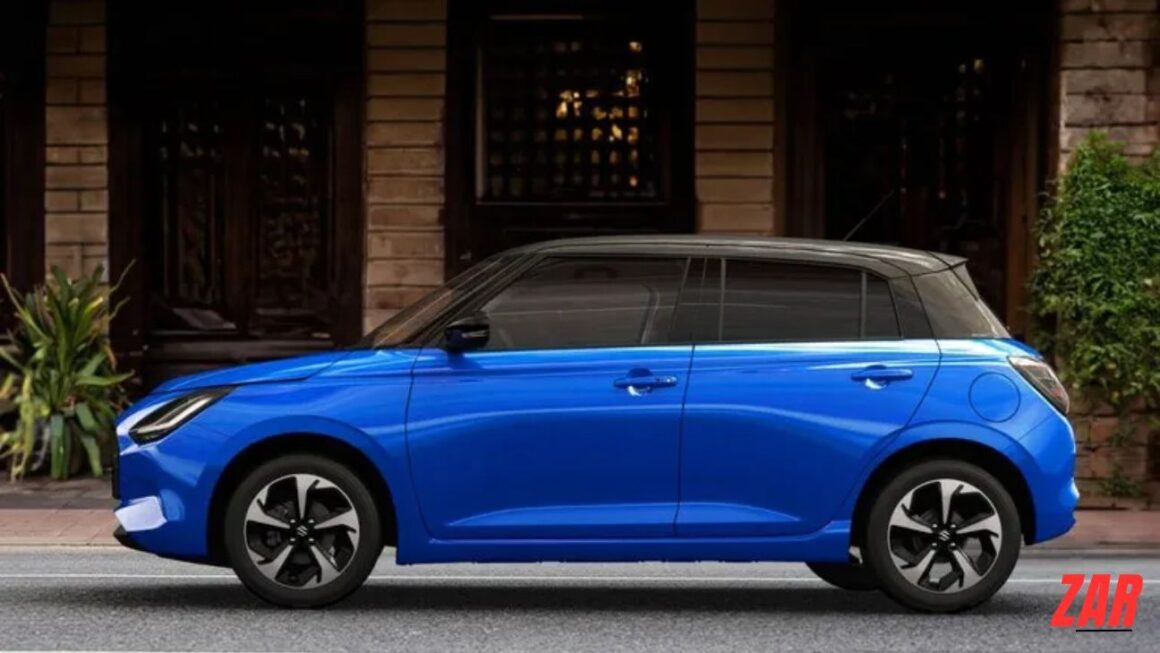
Inside, the Swift offers a modern cabin with fabric or optional leatherette seats, touchscreen infotainment, digital display clusters, and steering-mounted controls. Engine options include a 1.2-liter petrol engine generating 82–90 hp, paired with manual or automatic transmissions. Top speed reaches 160 km/h, making it suitable for both city and highway use. Nigerian pricing is ₦15 – ₦18 million.
Suzuki Dzire
The Dzire sedan extends the Swift platform, adding a dedicated boot and slightly longer wheelbase. Its exterior styling is sleek, with chrome-accented grilles, smooth body lines, and halogen headlamps. Available colors include white, silver, black, and blue. The Dzire offers a professional, understated road presence ideal for executives or ride-hailing operators.
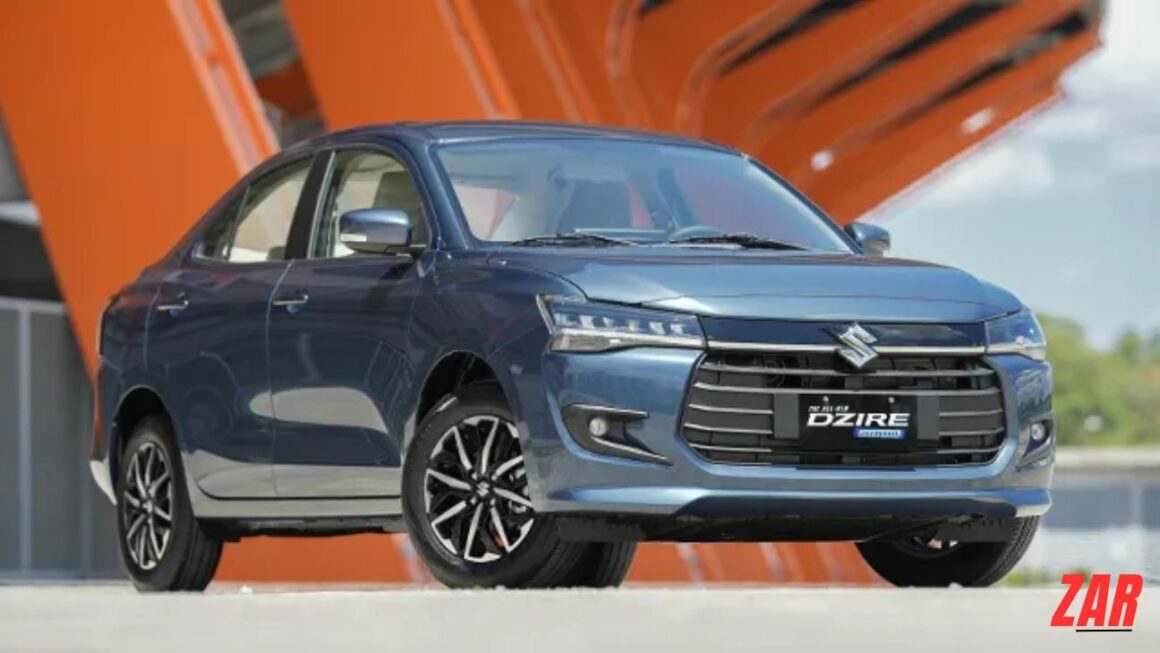
The cabin seats five comfortably, with fabric upholstery, rear AC vents, touchscreen infotainment, and practical storage. Powered by a 1.2-liter petrol engine producing 89 hp, it pairs with manual or automatic transmissions. Performance is sufficient for city commuting and intercity travel. Nigerian prices range from ₦13 – ₦16 million, making it an attractive practical sedan.
Suzuki Fronx
The Fronx is a compact crossover SUV featuring a raised ride height, muscular cladding, and coupe-like styling. Its bold front fascia, hexagonal grille, and compact proportions offer a sporty SUV aesthetic, with colors like white, grey, and metallic red. It delivers a modern, dynamic appearance for urban and suburban roads.
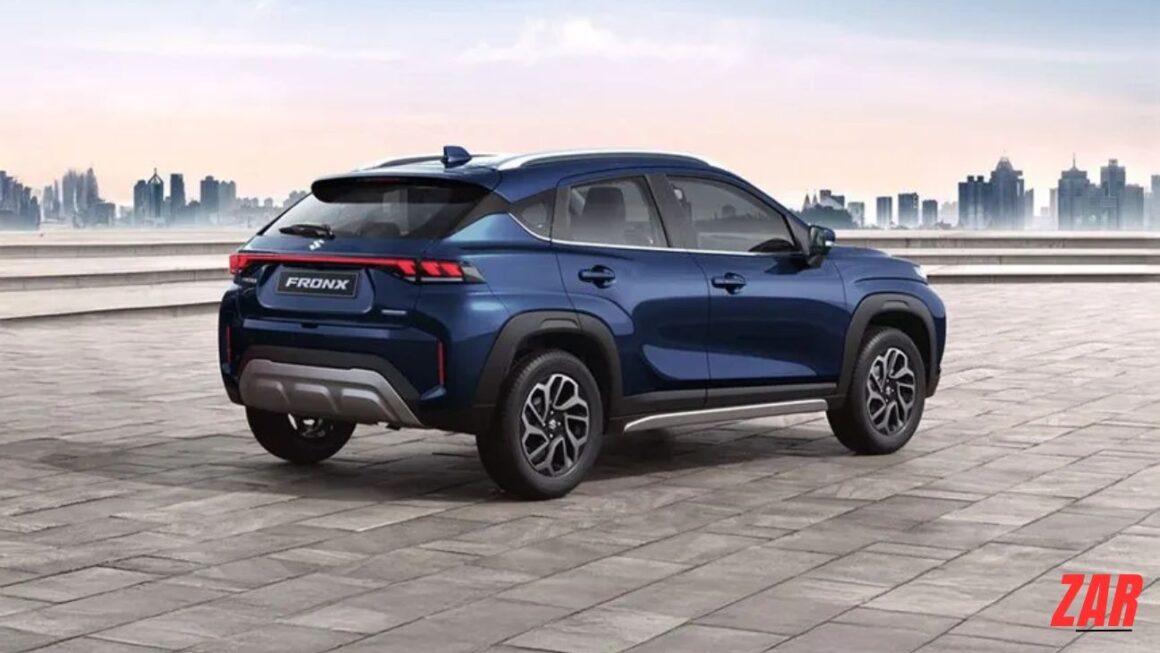
Inside, the Fronx offers touchscreen infotainment, digital instrument cluster, and modern connectivity. Engine options include 1.0-liter turbocharged and 1.2-liter naturally aspirated petrol engines, paired with manual or automatic gearboxes. Nigerian pricing is ₦25 – ₦30 million, suitable for buyers seeking a stylish SUV with city efficiency.
Suzuki Grand Vitara
The Grand Vitara is a mid-sized SUV with a bold exterior, prominent grille, LED headlamps, and high ground clearance. It conveys presence on both urban streets and rugged terrain. Available in white, black, silver, and blue, it balances practicality and sophistication.
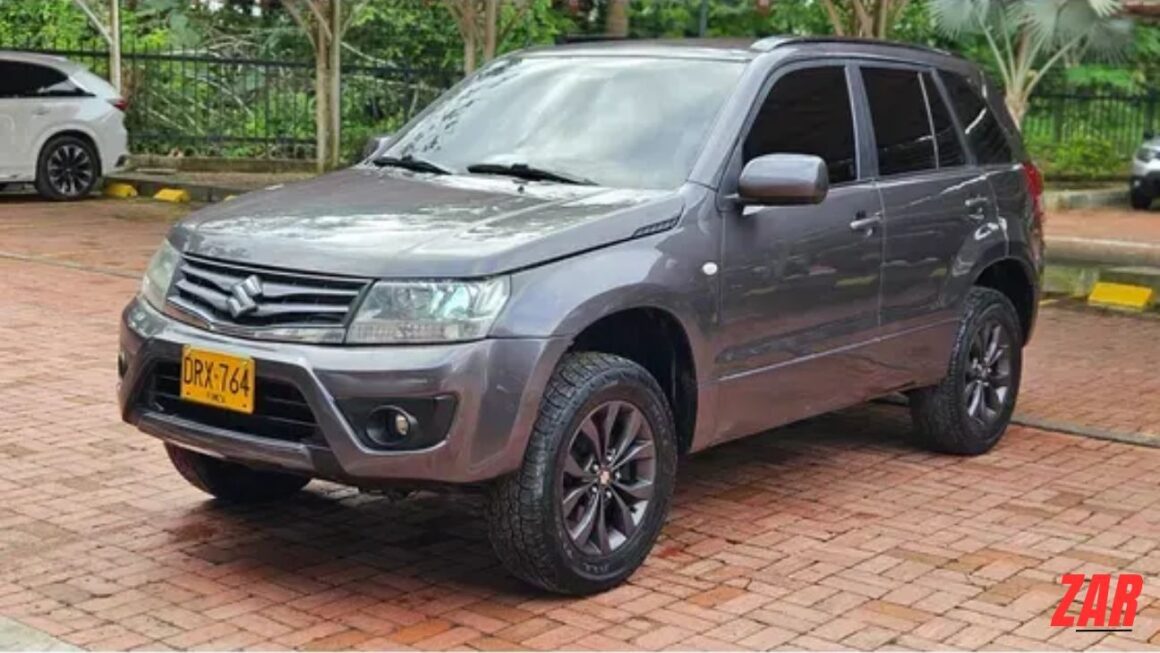
The cabin features modern infotainment, digital displays, panoramic sunroof, and comfortable seating for five. Engine options include 1.5-liter petrol and mild-hybrid variants, producing approximately 103 hp. Nigerian pricing ranges from ₦30 – ₦42 million, offering reliable performance for families and professionals.
Suzuki Jimny
The Jimny’s iconic boxy design and compact proportions make it instantly recognizable. Its high ground clearance, squared-off fenders, and rugged exterior highlight its off-road capabilities, while colors like green, silver, and white reinforce its adventurous character.
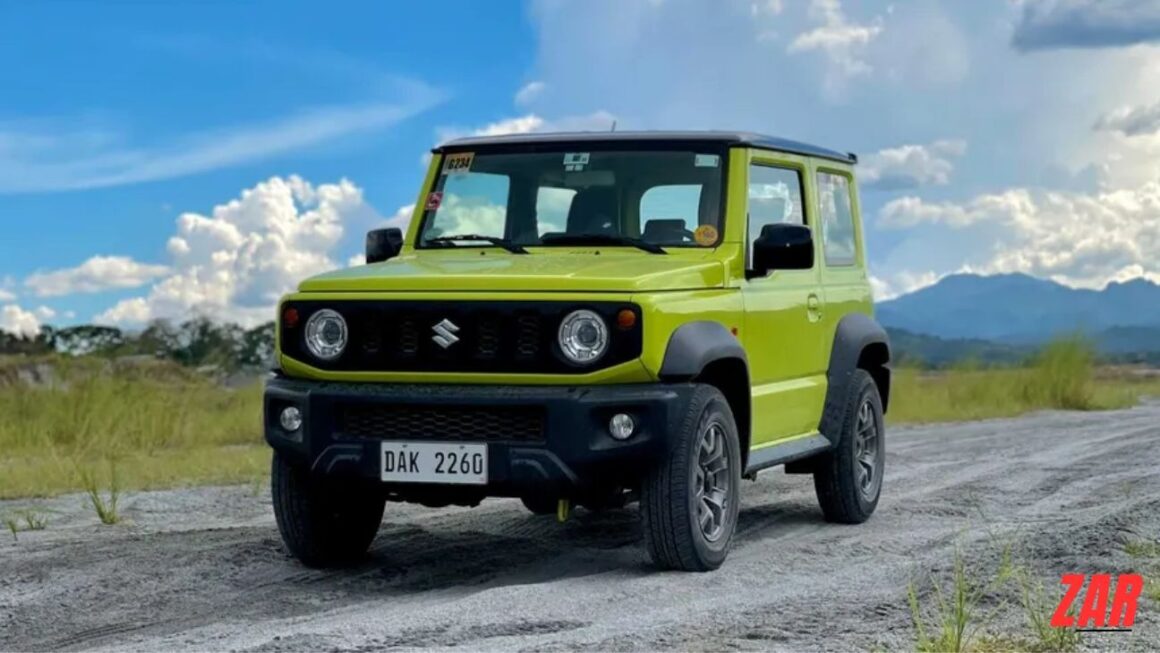
The Jimny focuses on durable and functional interiors, seating four passengers. Its 1.5-liter petrol engine produces 102 hp, paired with a 4WD system and manual or automatic transmissions. Nigerian prices range from ₦25 – ₦48 million, making it suitable for rural roads, adventure seekers, and off-road driving.
How Suzuki Fits Into Nigeria Driving Condition
Suzuki vehicles are well-suited to Nigerian conditions, from congested cities to rural areas. Compact models like the Alto and Celerio excel in urban traffic, offering high fuel efficiency and easy parking. SUVs like the Fronx, Grand Vitara, and Jimny handle potholes, speed bumps, and uneven terrain, providing comfort and safety across diverse roads.
Fuel availability and climate are favorable for Suzuki’s petrol engines. Maintenance costs remain reasonable, with CFAO Mobility providing official service centers and spare parts in Lagos, Abuja, and Port Harcourt. Suzuki’s brand perception emphasizes affordability and reliability rather than prestige, appealing to practical buyers and families.
Competitive Comparison
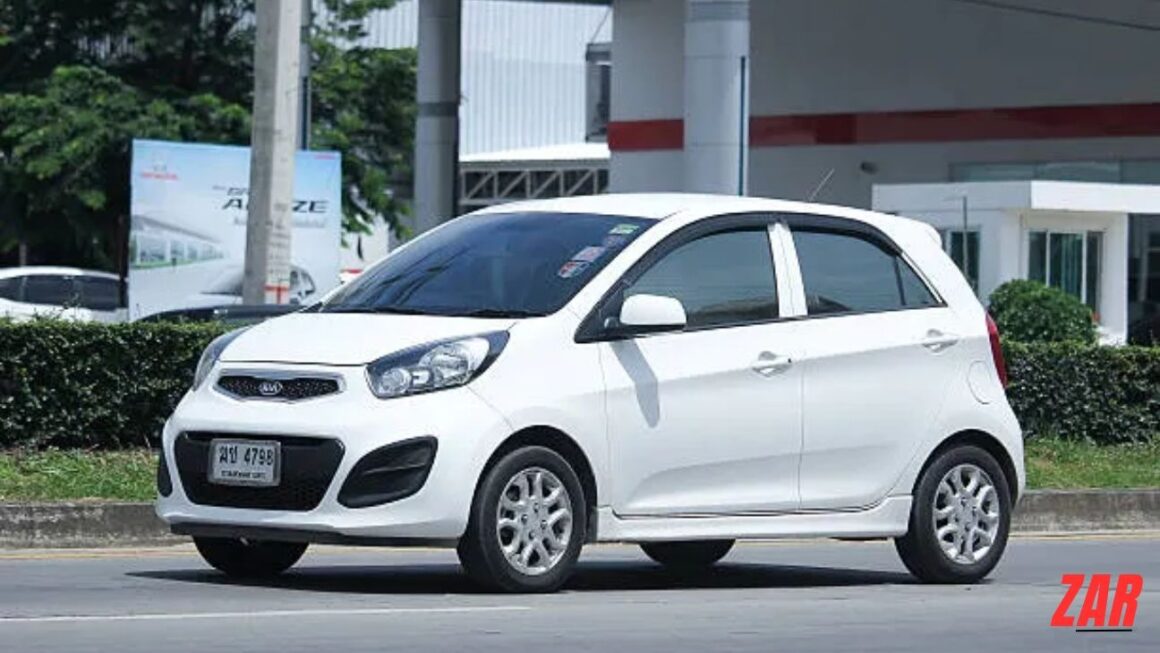
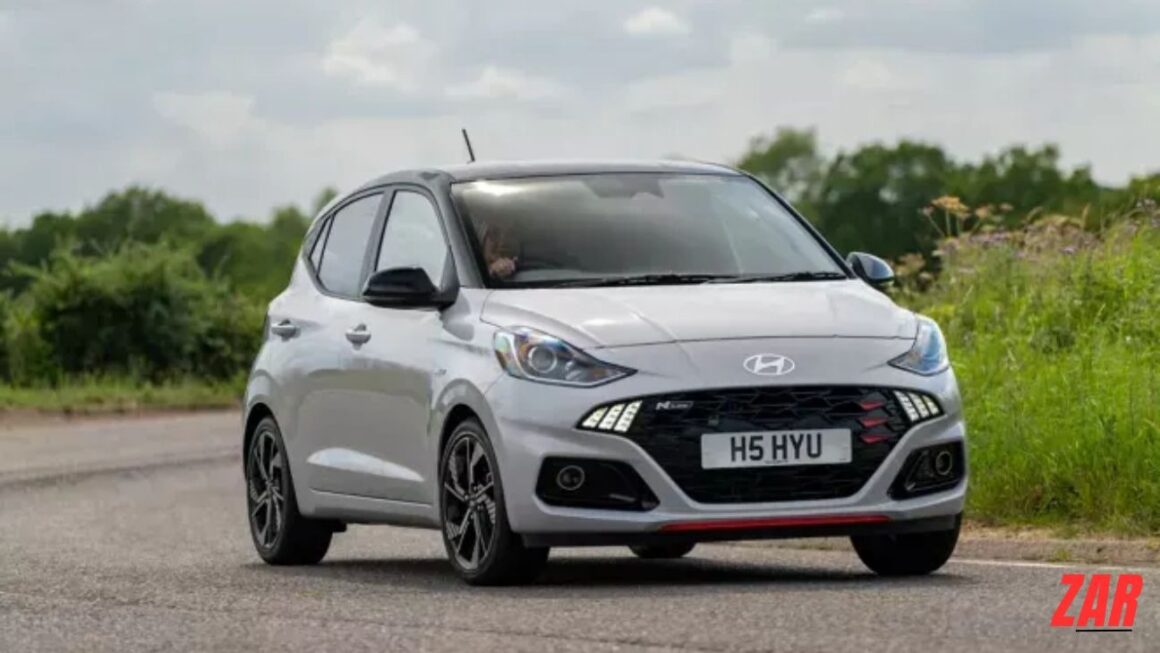
In the Nigerian automotive market, Suzuki competes directly with brands such as Toyota, Hyundai, Kia, Honda, and to some extent Ford, particularly in the compact and entry-level segments. Models like the Suzuki Alto, Celerio, S-Presso, and Swift are positioned as cost-effective alternatives to the Toyota Yaris, Honda Jazz, Kia Picanto, and Hyundai i10. While Toyota and Honda often carry stronger brand perception, Suzuki counters with lower purchase prices, excellent fuel efficiency, and simpler mechanical designs, making them attractive to first-time buyers and urban commuters. In the SUV space, the Grand Vitara competes with the Toyota RAV4, Hyundai Tucson, and Kia Sportage, while the Jimny stands in a unique niche against the Ford EcoSport and compact crossovers, offering genuine off-road capability rather than just urban styling.
From a long-term ownership perspective, Suzuki vehicles are known for durability, low maintenance costs, and strong fuel economy, which aligns well with Nigerian driving conditions and fuel price realities. Spare parts for popular models are generally accessible and affordable, especially in major cities, though not as widespread as Toyota’s ecosystem. Resale value tends to be slightly lower than Toyota and Honda due to brand dominance, but Suzuki owners often recover value through reduced servicing costs and dependable reliability over time. For buyers prioritizing practical ownership, manageable running costs, and everyday usability, Suzuki offers a compelling balance without the premium pricing associated with its rivals.
Conclusion
Suzuki’s Nigerian lineup demonstrates a commitment to practicality, efficiency, and affordability. From compact city hatchbacks like the Alto and Celerio to capable SUVs like the Grand Vitara and Jimny, Suzuki caters to a wide spectrum of buyers.
The collection balances function, reliability, and value, reflecting a brand focused on practical lifestyle choices rather than luxury prestige. For anyone seeking a cost-effective, dependable, and versatile vehicle in Nigeria, Suzuki remains one of the most sensible options in 2025. Which Suzuki model would suit your urban or rural driving needs the best?


.jpg)