


As Nigeria’s automotive landscape undergoes a significant transformation in 2026, the shift towards sustainable mobility has accelerated, driven by fluctuating fuel costs and a growing environmental consciousness. Hybrid vehicles have emerged as the pragmatic bridge between traditional petrol engines and fully electric futures, offering a compelling solution for the country’s unique driving conditions. With the implementation of the 2025 Electric Vehicle Transition Bill and favourable import duties, hybrids are no longer just status symbols for the elite but are becoming increasingly accessible to the upper-middle class and corporate fleets.
The market is currently dominated by Japanese manufacturers, particularly Toyota, revered for their durability and parts availability across the geopolitical zones. While high-profile figures like Burna Boy who recently acquired Africa’s first Lamborghini Revuelto hybrid showcase the luxury potential of this technology, the broader market is focused on efficiency and reliability. The following list details the top five hybrid vehicles defining Nigerian roads this year, selected for their balance of performance, fuel economy, and suitability for local terrain.
1. Toyota Corolla Hybrid
The Toyota Corolla Hybrid maintains a sophisticated yet understated road presence that blends seamlessly into professional settings, from the business districts of Victoria Island to the government secretariats of Abuja. Its exterior design has evolved to be sharper and more aggressive than previous generations, featuring a lower stance and a wider grille that gives it a planted look. LED lighting signatures and aerodynamic alloy wheels contribute to a modern aesthetic that feels premium without being ostentatious, making it an ideal choice for corporate fleets and daily commuters who value discretion and style.
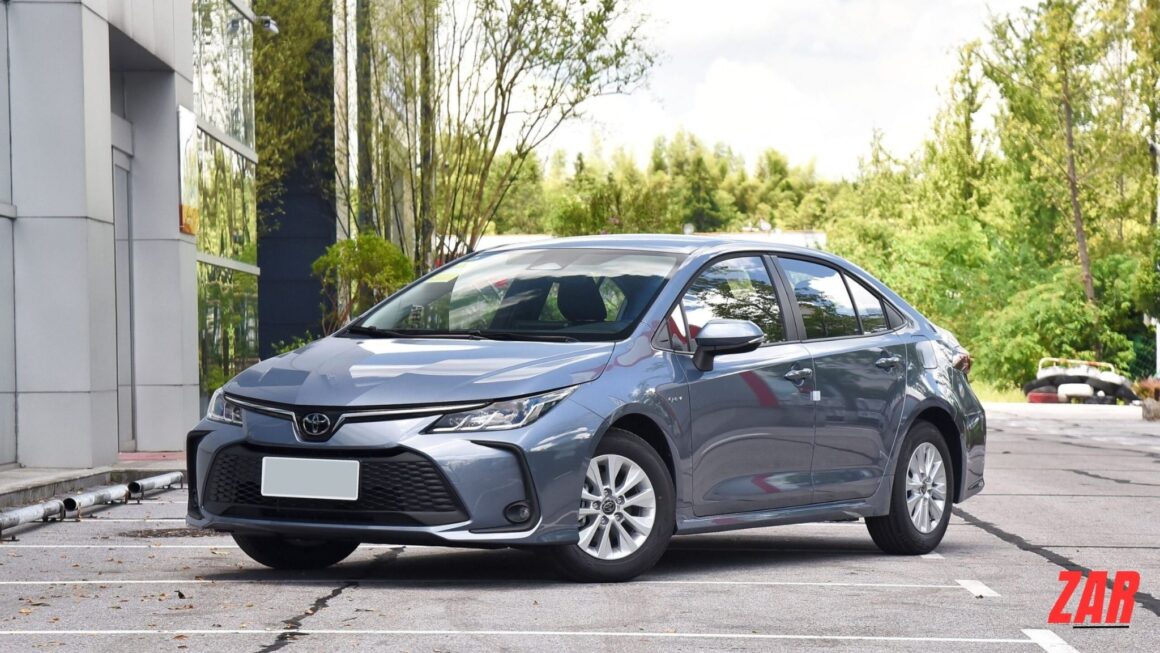
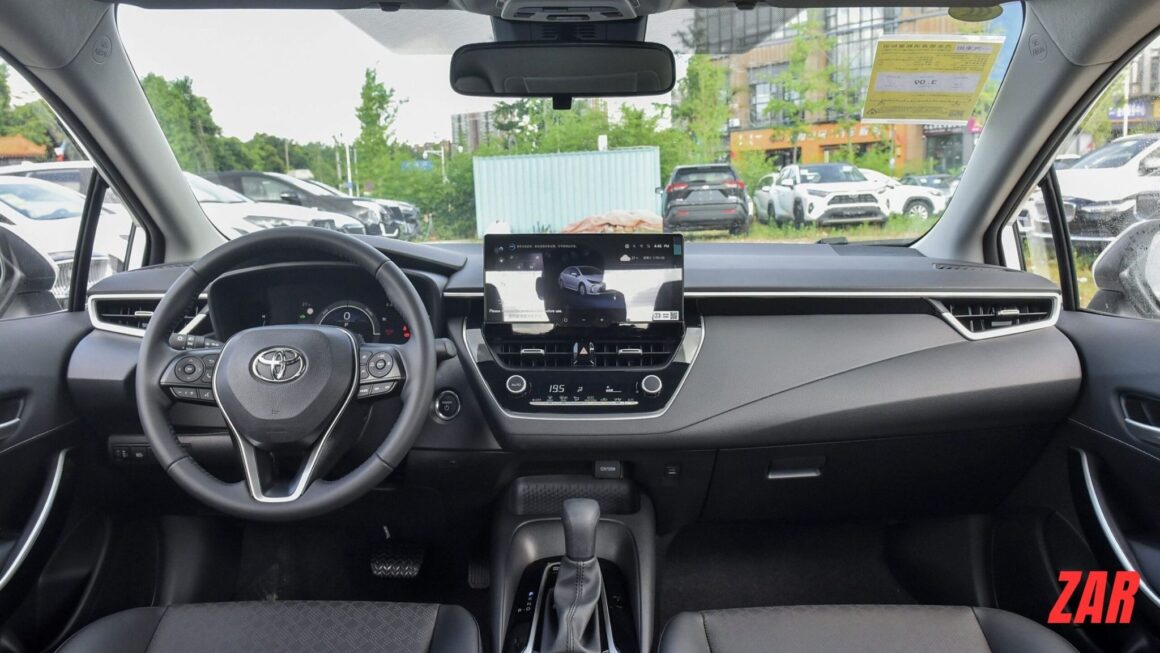
Inside, the Corolla prioritises functionality and efficiency, offering a cabin that punches above its weight class in terms of build quality. The 2026 model pairs a 1.8-litre engine with an electric motor to deliver approximately 138 horsepower, managed by a seamless CVT transmission. While it may not be a sports car, its fuel economy is exceptional, achieving between 50-67 MPG, a crucial factor given current petrol prices. With an estimated price of ₦42,180,000, it offers robust technology including adaptive cruise control and a responsive infotainment system, making it the value king of the segment.
2. Toyota Camry Hybrid
The Toyota Camry Hybrid commands attention with a bold, executive design language that distances itself from the ‘boring sedan’ stereotype of the past. Its elongated profile, muscular contours, and distinctive front fascia project an image of stability and success, suitable for Nigerian executives. The vehicle’s substantial footprint not only enhances its road presence but also translates to superior stability on highways, such as the Lagos-Ibadan Expressway, where composure at speed is essential.
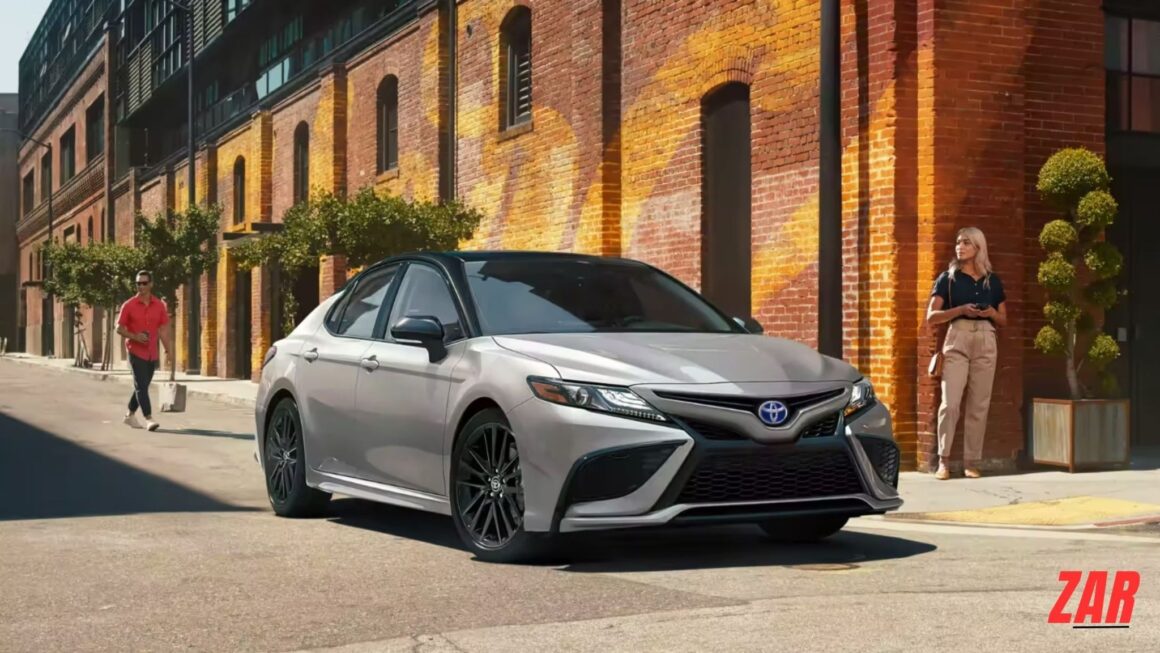
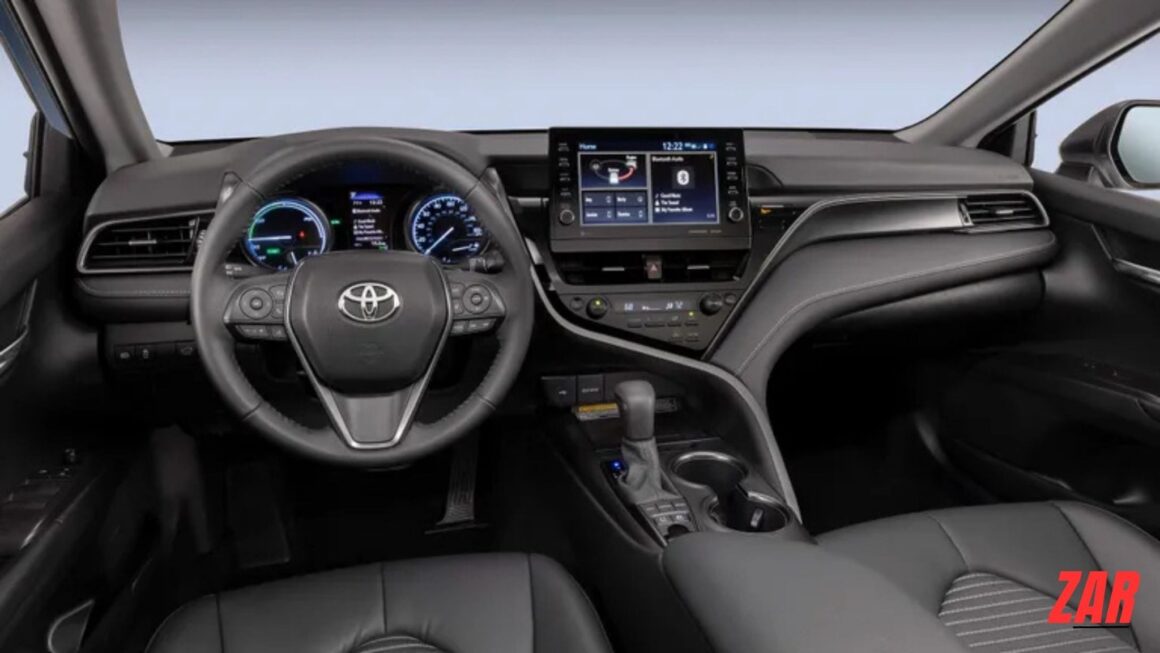
Performance-wise, the Camry Hybrid is a step up, utilising a 2.5-litre hybrid system to produce a combined 225 horsepower. The cabin is spacious and acoustically refined, isolating passengers from the chaotic noise of urban traffic. It delivers a smooth, confident ride with a fuel efficiency of around 44 MPG, balancing power with prudence. Priced at approximately ₦120,000,000, it sits firmly in the premium sedan category, offering luxury features like Apple CarPlay and plush seating that justify the investment for families and business professionals alike.
3. Lexus RX 450h
As a favourite among Nigeria’s elite, the Lexus RX 450h exudes luxury with its signature spindle grille and sharp, origami-like crease lines. The SUV format is particularly favoured in Nigeria for its commanding view of the road and ground clearance, which provides a psychological and physical buffer against rough road patches. The floating roof design and sequential turn indicators add a layer of technological sophistication that signals prestige, aligning with the tastes of high-net-worth individuals who demand visibility and status.
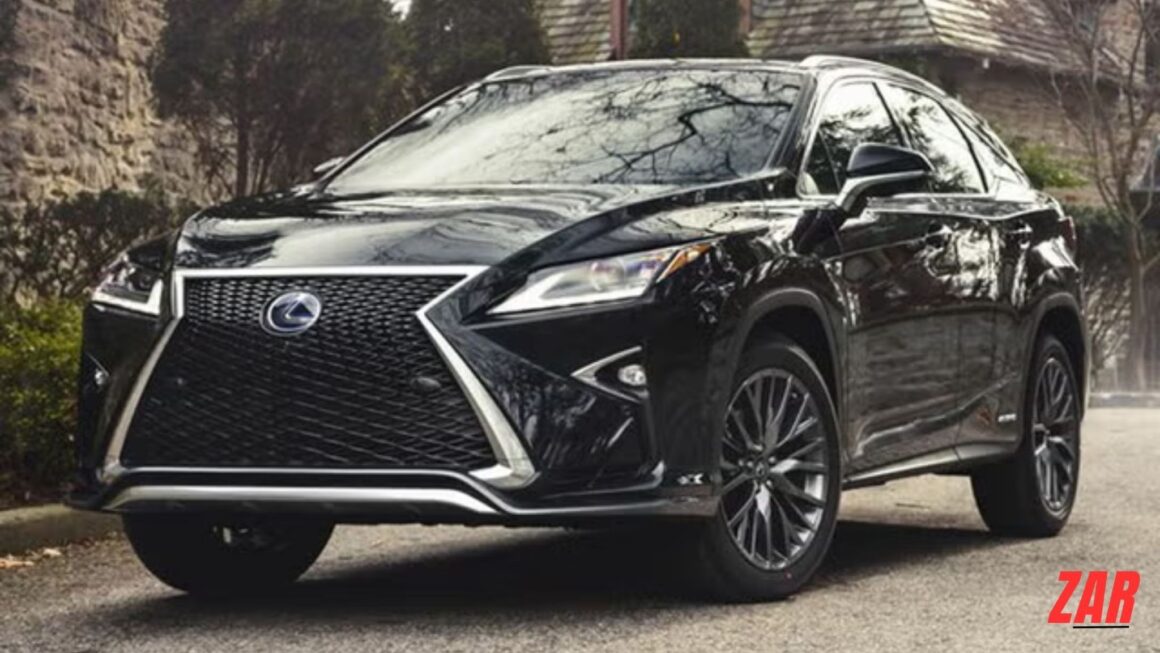
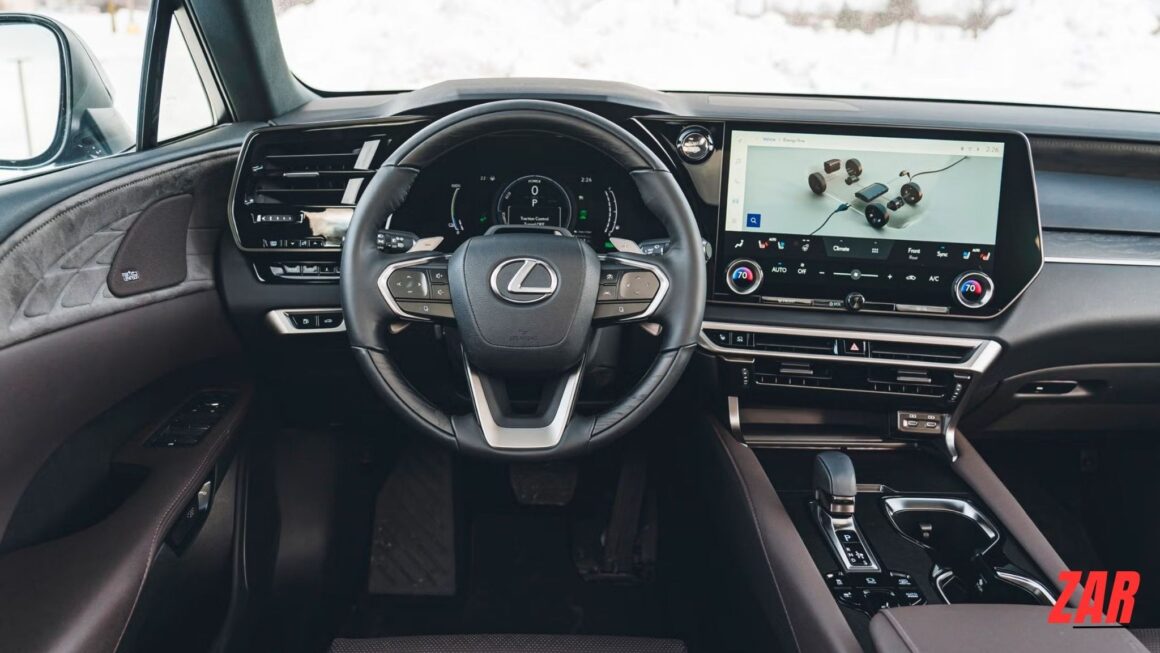
The interior is a sanctuary of craftsmanship, featuring high-quality leather and wood trim that rivals the popularity of the standard Lexus RX 350. Under the bonnet lies a potent 3.5-litre V6 paired with electric motors, generating 304 horsepower and offering an all-wheel-drive system capable of handling the wet season’s slippery roads. Notably, it offers a pure EV range of around 37 miles for short urban trips. With a price tag of ₦145,000,000, it represents a significant capital outlay but delivers a “cosseting ride” and advanced tech, though some users may find the infotainment interface complex.
4. Toyota RAV4 Hybrid
The Toyota RAV4 Hybrid strikes a rugged figure, capitalising on the global appetite for crossovers that look ready for adventure. Its boxy wheel arches, dual exhaust tips, and aggressive front bumper give it a utilitarian yet trendy appearance. It is perfectly sized for navigating narrow street markets while being robust enough to tackle unpaved access roads in developing estates. The design communicates versatility, appealing to young families and active individuals who need a vehicle that can transition from school runs to weekend getaways.
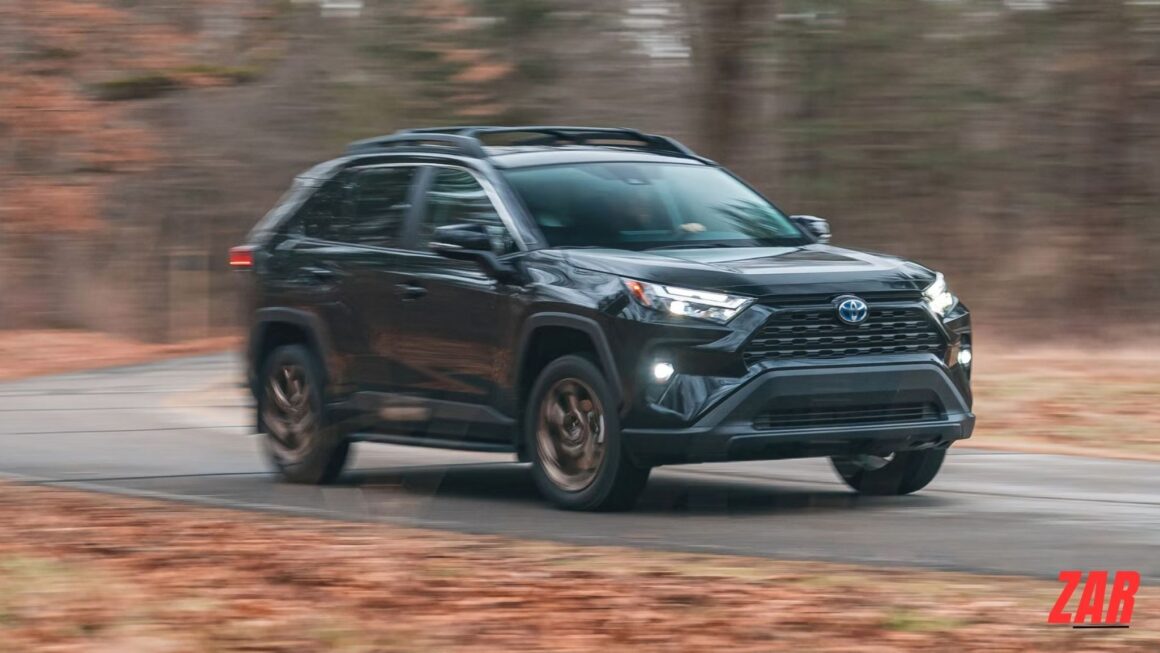
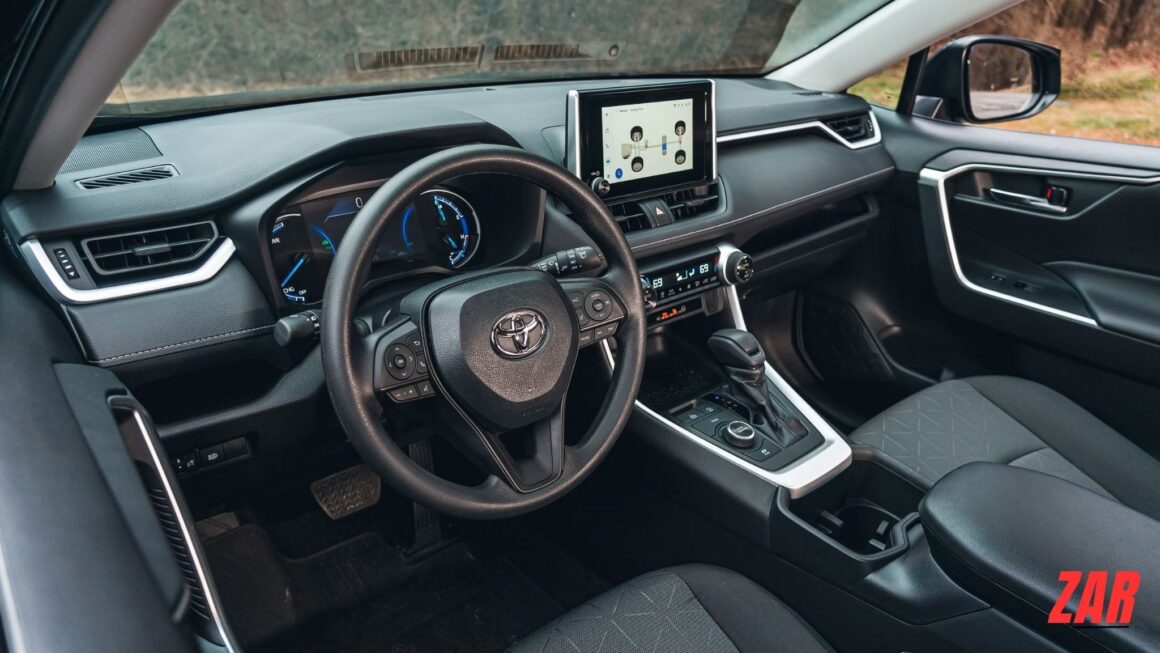
Beneath the tough exterior is a sophisticated 2.5-litre hybrid powertrain delivering 219 horsepower and standard all-wheel drive, which is a significant advantage for traction on sandy or muddy Nigerian roads. It achieves an impressive 39 MPG, serving as a credible alternative to off-road electric SUVs where charging infrastructure is lacking. Priced between ₦100,000,000 and ₦130,000,000, the RAV4 Hybrid offers a high driving position and practical cargo space, though owners should be aware of the engine drone during hard acceleration on highway ramps.
5. Honda Accord Hybrid
The Honda Accord Hybrid offers a sleek, fastback-inspired silhouette that prioritises aerodynamics and sportiness. It stands out with a cleaner, more European design philosophy compared to the complex angles of its Toyota rivals. The road presence is elegant and dynamic, appealing to drivers who enjoy the act of driving and appreciate a car that looks fast even when parked. Its low centre of gravity and wide stance hint at its superior handling capabilities.
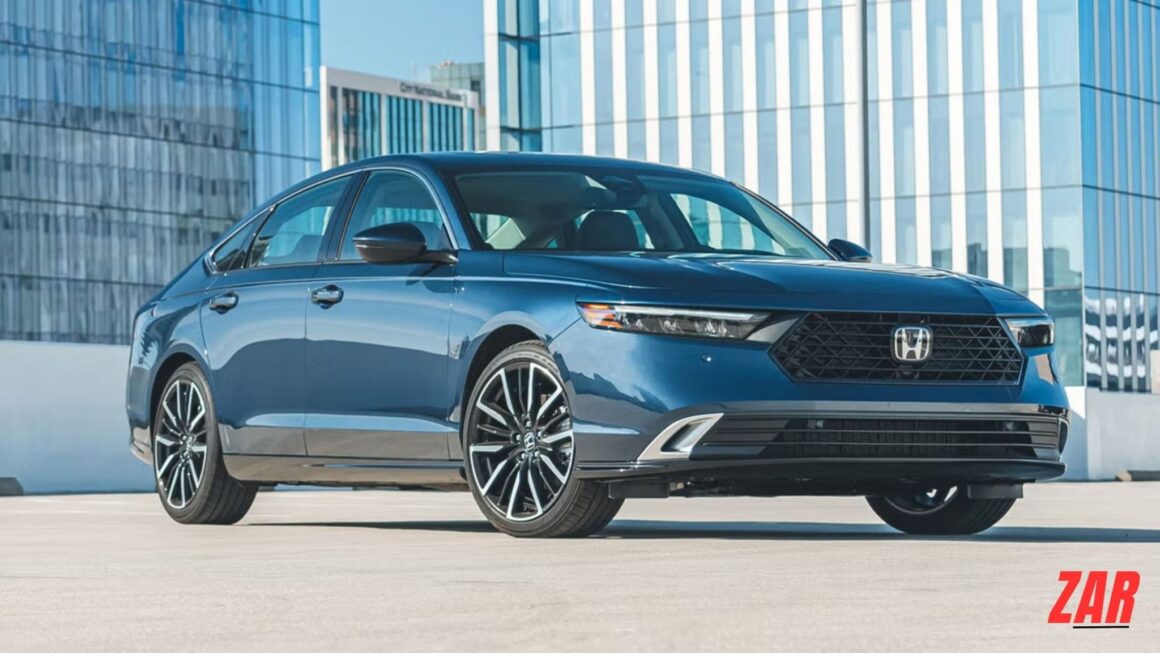
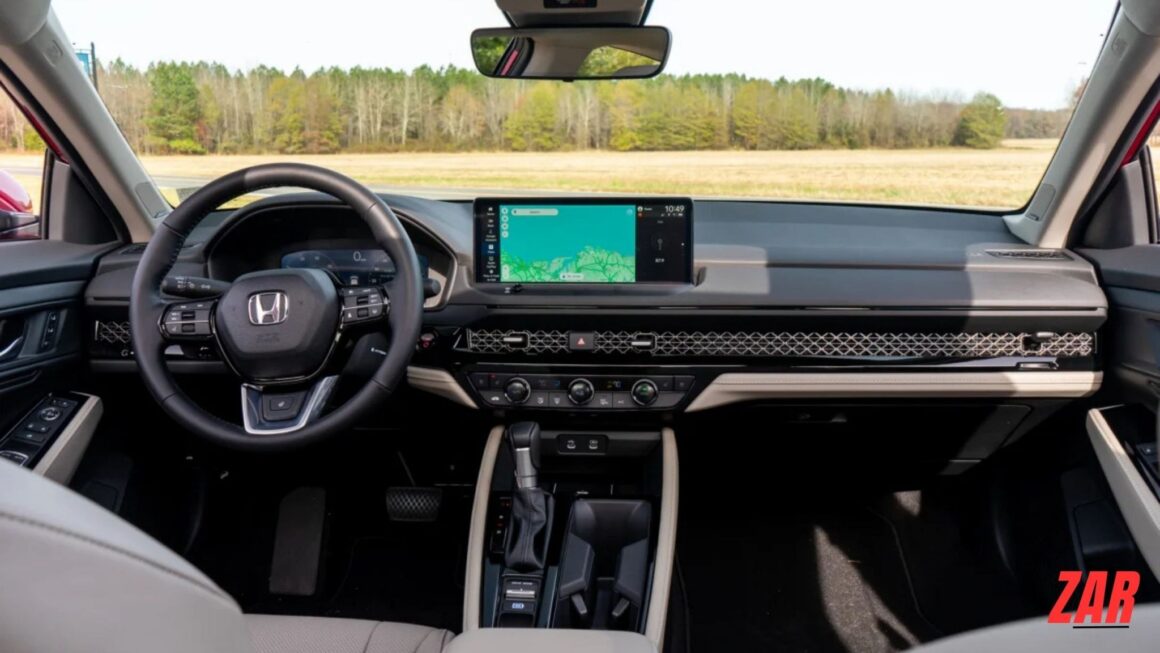
Inside, the Accord focuses on driver engagement and tech-forward ergonomics. The powertrain combines a 2.0-litre engine with dual electric motors for a total of 204 horsepower, delivering a driving experience that is often described as more responsive and refined than the Camry. It achieves a competitive 44 MPG. With a price range of ₦60,000,000 to ₦80,000,000, it undercuts the Camry while offering a more engaging drive, although the lack of an all-wheel-drive option may be a deterrent for those frequently traversing unpaved terrains.
Notable Owners and Celebrity Influence
The adoption of hybrid technology in Nigeria is not merely a practical response to fuel scarcity; it has also become a statement of modern luxury and forward-thinking status, championed by some of the country’s most influential figures. Leading the charge is Grammy-winning artist Burna Boy, who reportedly acquired Africa’s first Lamborghini Revuelto. This V12 plug-in hybrid supercar, valued at approximately ₦1.5 billion ($600,000+), perfectly illustrates how high-performance vehicles are embracing electrification without sacrificing power, blending a blistering 0-60 mph time of 2.5 seconds with hybrid efficiency.
Similarly, music icon Wizkid has been linked to the Ferrari SF90 Stradale, another hybrid marvel that underscores the shift in elite automotive tastes from pure combustion engines to sophisticated hybrid powertrains. Beyond the music industry, entrepreneurial figures like Chief Priest are playing a pivotal role in democratising this technology. By importing over 1,000 hybrid vehicles, he is actively bridging the gap between exclusive luxury and mass market accessibility, signalling a strong vote of confidence in the durability of these cars for Nigerian roads. Forex trader and influencer HabbyFX also maintains a collection of high-end hybrids, further cementing the trend that in 2026, driving a hybrid is as much about cultural relevance as it is about economic prudence.
Adapting to the Nigerian Environment
Owning a hybrid in Nigeria in 2026 requires a nuanced understanding of the local environment. The stop-start nature of traffic in major metropolises like Lagos and Port Harcourt actually plays to the strengths of hybrid technology, allowing the electric motor to handle low-speed crawls, thereby saving significant fuel and reducing wear on the petrol engine. However, the tropical climate poses a challenge; extreme heat and dust can accelerate battery degradation and clog cooling fans. Owners are advised to adhere strictly to maintenance schedules, specifically checking battery health every 5,000 km, to mitigate these risks.
Furthermore, while the “prestige” of driving a silent, high-tech vehicle is undeniable, practical considerations regarding maintenance cannot be ignored. The availability of qualified hybrid mechanics is improving in urban centres but remains sparse in rural areas. The influx of over 1,000 hybrid units by entrepreneurs like Chief Priest suggests a strengthening support ecosystem, yet reliance on specialised parts means repair costs can be 20-50% higher than traditional vehicles. Prospective owners must weigh the 30-50% fuel savings against these potential operational complexities.
Comparative Market Analysis
When compared to their traditional internal combustion engine (ICE) rivals, these hybrids command a higher initial purchase price, often a premium of 20-50%. For instance, a standard petrol Corolla is significantly cheaper upfront than its hybrid counterpart. However, the value proposition shifts when factoring in the long-term reduction in fuel consumption and the durability of components like brake pads, which last longer due to regenerative braking. In terms of resale value, Toyota hybrids hold their value exceptionally well in the Nigerian used car market, often outperforming competitors like Honda or potential Chinese entrants due to the brand’s established trust.
Against the emerging segment of full Electric Vehicles (EVs), hybrids currently offer superior versatility for the average Nigerian driver. While EVs offer lower running costs, the inconsistency of the power grid and scarcity of public charging stations outside major hubs make them a logistical challenge for interstate travel. Hybrids eliminate this “range anxiety” while still delivering substantial emissions reductions and fuel savings. The Lexus RX 450h, for example, competes with luxury German SUVs but offers better city efficiency and lower perceived fragility, offering a value proposition often debated in the Toyota Venza vs Lexus RX comparison.
Conclusion
The 2026 lineup of hybrid vehicles in Nigeria represents a maturing market where efficiency meets luxury and practicality. From the sensible economics of the Toyota Corolla Hybrid to the executive comfort of the Lexus RX 450h, there is a model to suit various needs and budgets. While the initial investment is higher, the long-term benefits in fuel savings and durability backed by Toyota’s legendary reliability make these cars a wise choice for the modern Nigerian road.


