Dongfeng Motor Corporation is one of China’s largest and most established automotive manufacturers, with a strong global footprint across passenger cars, commercial vehicles, and alternative‑energy mobility. The brand’s relevance in Nigeria has grown steadily as buyers look beyond traditional Japanese and European options toward vehicles that offer solid engineering, modern features, and competitive pricing. Dongfeng’s rise aligns with a market where value, durability, and adaptability to local conditions increasingly shape purchasing decisions.
In Nigeria, Dongfeng vehicles appeal to private buyers, families, and business owners who prioritize practicality and cost efficiency. The brand’s lineup reflects a lifestyle focused on utility and everyday usability rather than badge prestige, making it particularly attractive in a market defined by diverse road conditions, fluctuating fuel costs, and long‑term ownership considerations.
[wheelzar_review]
Overview of Dongfeng’s Lineup in Nigeria
Dongfeng’s car lineup in Nigeria represents a balanced mix of electric mobility, utility pickups, hybrid SUVs, and petrol‑powered family crossovers. Rather than focusing on high‑end luxury or extreme performance, the brand emphasizes functionality, comfort, and affordability across its range. This positioning aligns closely with Nigerian driving realities, where vehicles must perform reliably in both urban congestion and less‑developed road networks.
This article reviews key Dongfeng models available or commonly imported into Nigeria, covering exterior design, interior comfort, performance specifications, and pricing. It also explains how each model fits Nigerian road conditions, compares them with direct competitors, and evaluates long‑term ownership factors such as maintenance cost, parts availability, and overall practicality.
Dongfeng NanoBox EV
The Dongfeng NanoBox EV features a compact, box‑shaped exterior designed for maximum efficiency in tight urban environments. Its minimalist front fascia, smooth body panels, and slim LED headlights reflect modern electric‑vehicle styling. Short overhangs and a tall roofline improve maneuverability and interior headroom, while its small footprint makes parking easy in crowded city centers. Bright paint options and subtle black trim give it a youthful, contemporary presence. Although modest in size, the NanoBox stands out on the road as a purpose‑built city EV rather than a downsized conventional hatchback.
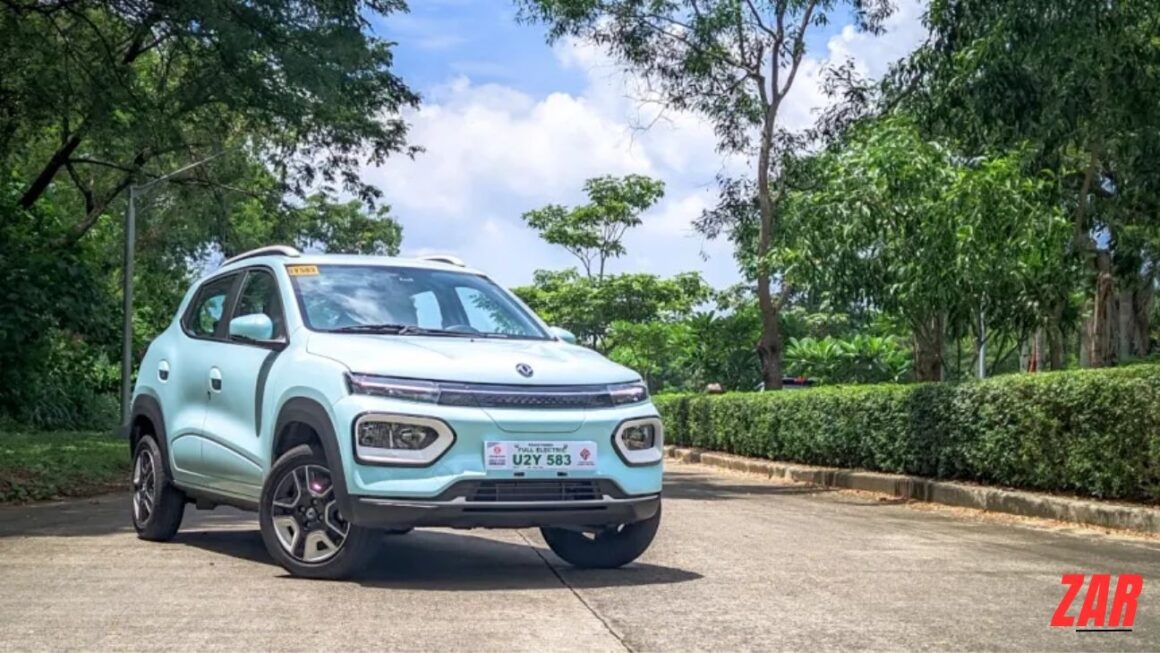
Inside, the NanoBox EV offers a simple but functional cabin focused on everyday usability. It seats four passengers, with durable materials and a clean dashboard layout. A basic digital display, touchscreen infotainment, Bluetooth connectivity, and air conditioning cover essential needs. Power comes from a compact electric motor optimized for city driving, delivering smooth acceleration and quiet operation. While exact Nigerian pricing varies by importer, estimates place it around ₦7–10 million depending on battery condition and duties. Its performance suits short commutes and urban errands rather than long‑distance travel.
Dongfeng Rich Pickup Series
The Dongfeng Rich pickup series features a rugged, no‑nonsense design built around strength and utility. A wide grille, raised suspension, and muscular body lines communicate durability and load‑carrying capability. The double‑cab configuration adds practicality for both work and family use, while alloy wheels and side steps introduce a touch of refinement. Its tall ride height and bold stance give it commanding road presence, making it equally at home on construction sites, farms, and highways. Exterior colors are typically conservative, reinforcing its professional, work‑focused identity.
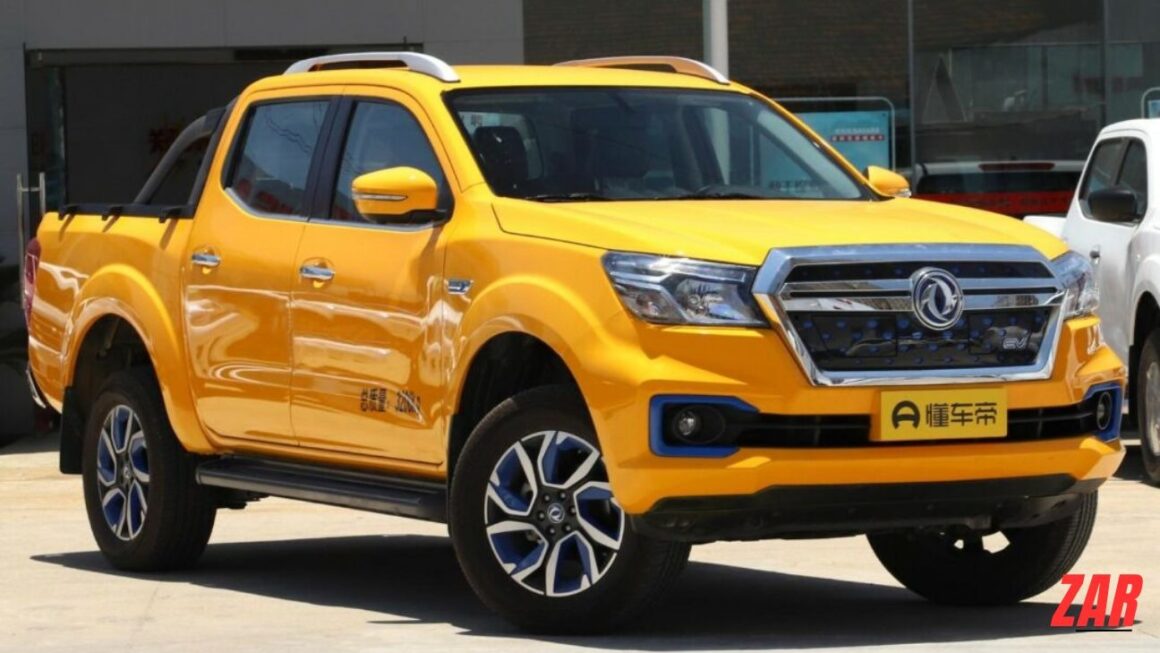
Inside, the Rich pickup prioritizes durability over luxury. The cabin offers supportive seating for five, hard‑wearing materials, and a straightforward dashboard layout. Features such as touchscreen infotainment, Bluetooth connectivity, and air conditioning enhance daily comfort. Power comes from turbo‑diesel engines producing strong torque for hauling and towing, paired with manual or automatic transmissions and optional four‑wheel drive. In Nigeria, prices commonly range from ₦45 million to ₦55 million depending on year, condition, and drivetrain configuration.
Dongfeng Aeolus Huge (Hybrid)
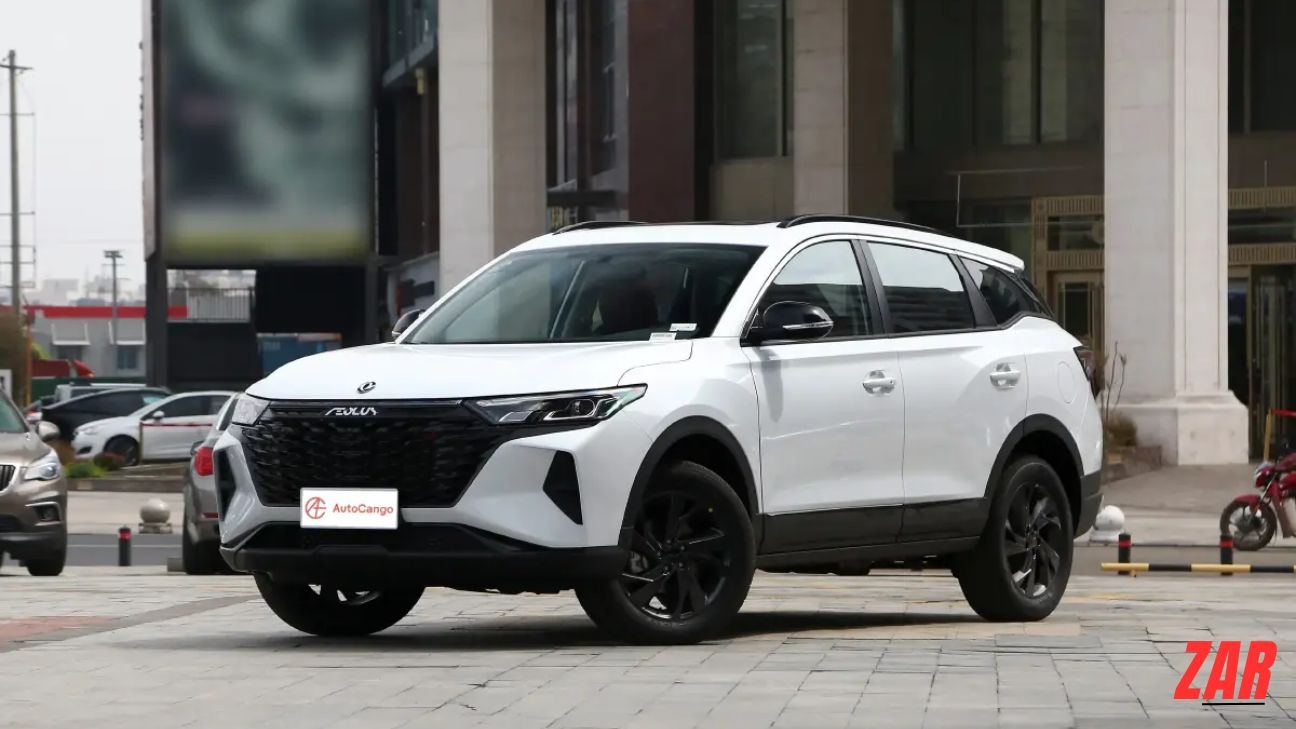
The Dongfeng Aeolus Huge Hybrid presents a modern crossover design with clean lines and a confident stance. Sculpted panels, slim LED lighting, and a wide grille give it a contemporary, premium‑leaning appearance. Its proportions balance road presence with aerodynamic efficiency, reflecting its hybrid positioning. The design appeals to buyers who want a refined look without overly aggressive styling, making it suitable for both professional and family use.
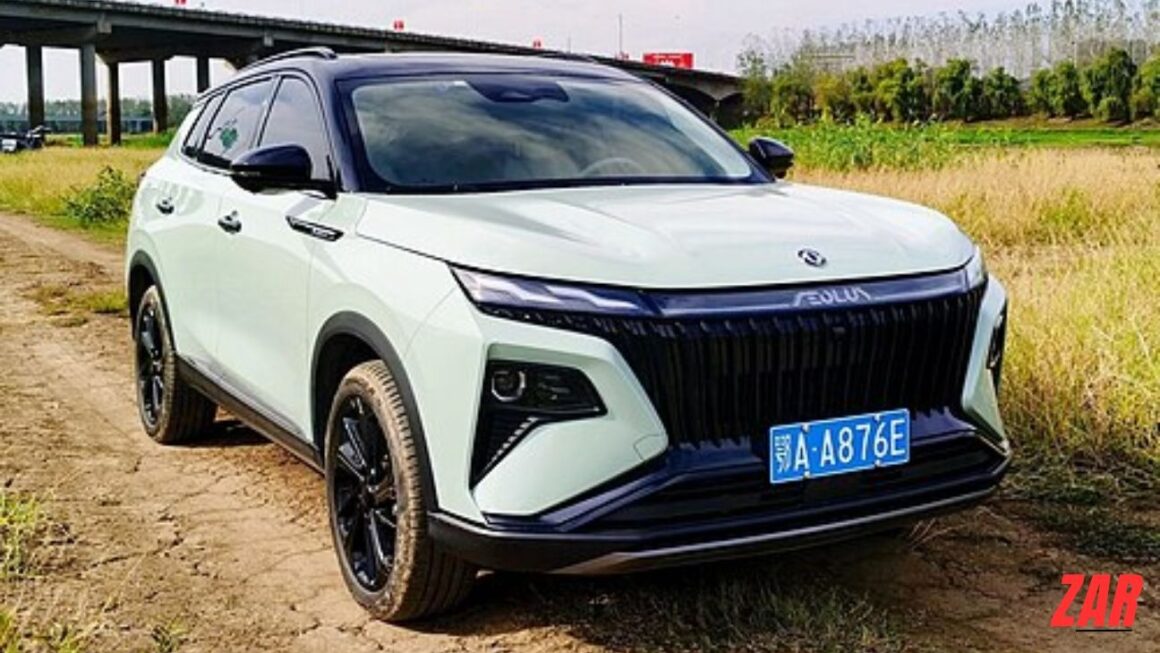
Inside, the Aeolus Huge emphasizes space and technology. The cabin typically includes a large infotainment screen, digital instrument cluster, quality upholstery, and advanced climate controls. The hybrid powertrain combines a petrol engine with electric assistance to improve fuel efficiency and smooth acceleration. While Nigerian pricing varies due to limited availability, estimates suggest it would fall between ₦35 million and ₦45 million when imported. Performance focuses on efficiency and comfort rather than outright speed.
Dongfeng Forthing T5 EVO
The Forthing T5 EVO stands out with a sporty, aggressive SUV design. Sharp character lines, a bold grille, and slim LED headlights give it a youthful and dynamic look. Large alloy wheels and a sloping roofline enhance its performance‑oriented appearance. Among compact SUVs, the T5 EVO commands attention and projects modern confidence, appealing strongly to younger buyers and professionals.
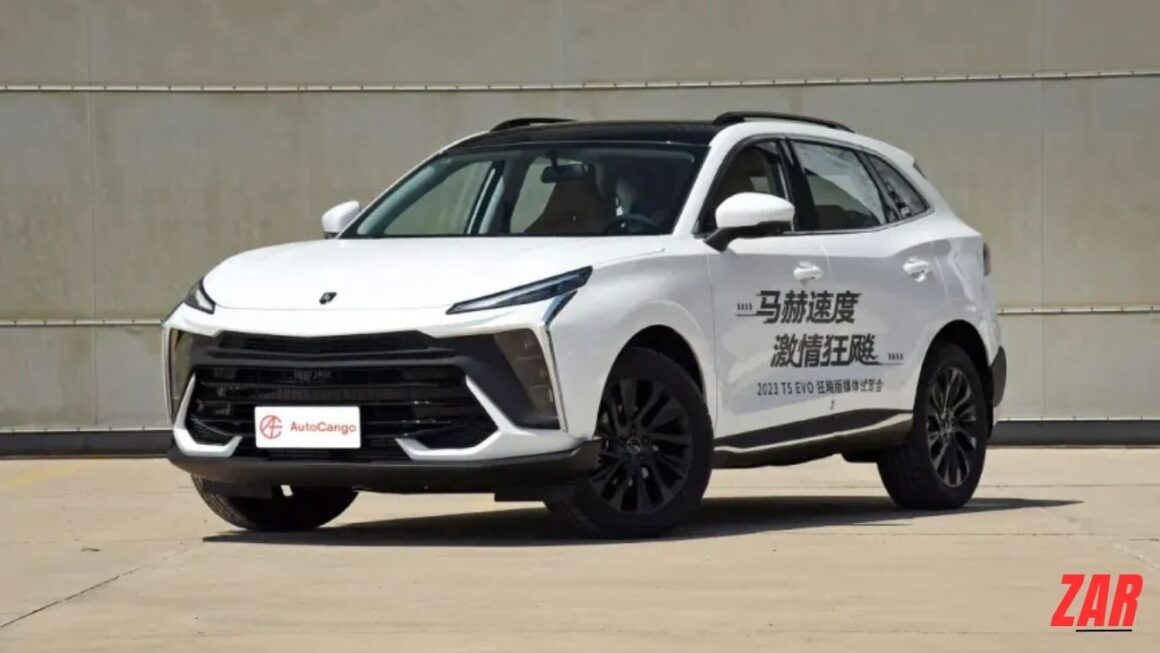
The interior delivers a premium‑leaning experience with digital displays, leather‑trimmed seats, ambient lighting, and modern infotainment features. A turbocharged petrol engine produces lively acceleration, paired with an automatic transmission for smooth city driving. In Nigeria’s import market, prices generally range between ₦26 million and ₦32 million. Performance balances responsiveness with fuel efficiency, making it suitable for daily commuting and weekend travel
Dongfeng Aeolus AX7
The Dongfeng Aeolus AX7 carries a mature, balanced SUV design that prioritizes proportion and stability. Its wide grille, neatly contoured bonnet, and swept headlights create a confident but understated presence. Subtle chrome detailing, roof rails, and well-sized alloy wheels add refinement without excessive flair. The upright stance improves visibility and conveys durability, making the AX7 visually suitable for both professional and family use. Overall, the design favors timeless appeal over aggressive styling trends, allowing it to age well on Nigerian roads.
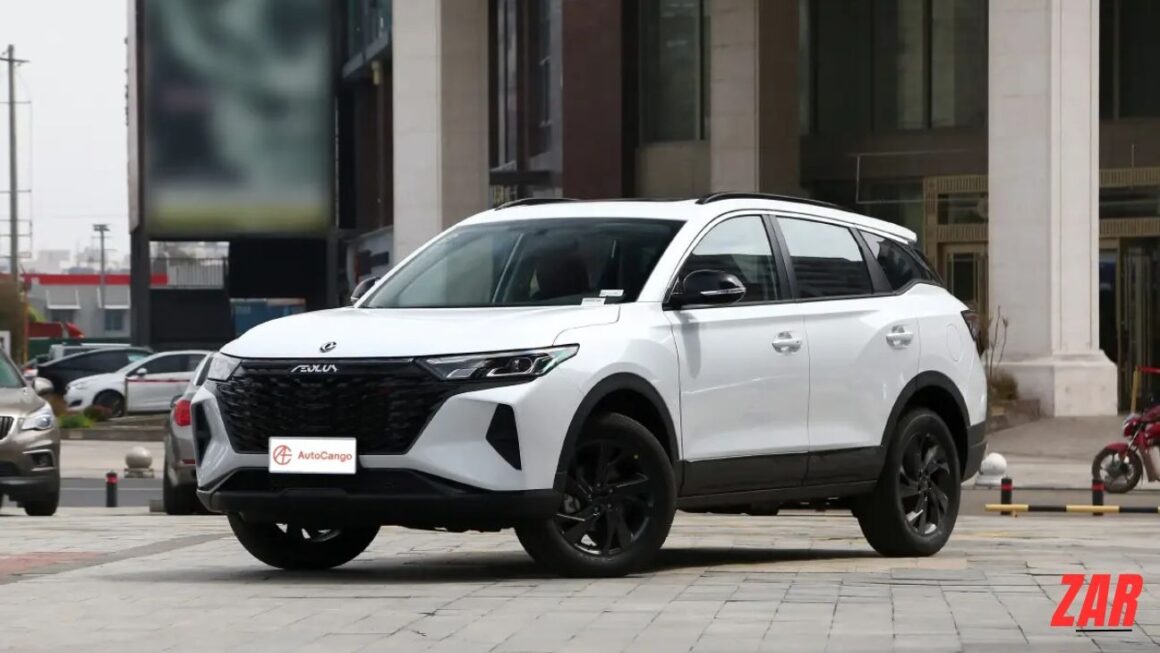
Inside, the AX7 emphasizes space and comfort. The cabin offers supportive seating, generous legroom, and a clean dashboard layout centered around a touchscreen infotainment system. Soft-touch materials appear in key areas, enhancing perceived quality. Engine options typically range from 1.6L to 2.0L petrol units, delivering between 145 and 167 horsepower through an automatic transmission. Performance is smooth and adequate for daily driving. In Nigeria’s import market, pricing commonly falls between ₦28 million and ₦34 million depending on year, trim, and condition.
Dongfeng Glory 580 (DFSK 580)
The Dongfeng Glory 580 presents a clean, family-oriented midsize SUV design with an emphasis on proportion and practicality. Its broad front grille, neatly integrated headlights, and smooth body lines give it a calm, confident road presence. The upright profile hints at generous interior space, while subtle chrome accents, roof rails, and well-sized alloy wheels add refinement without excess. The overall styling avoids aggressive cues, making the Glory 580 visually appealing to buyers who prefer a timeless, understated look that blends easily into Nigerian traffic conditions.
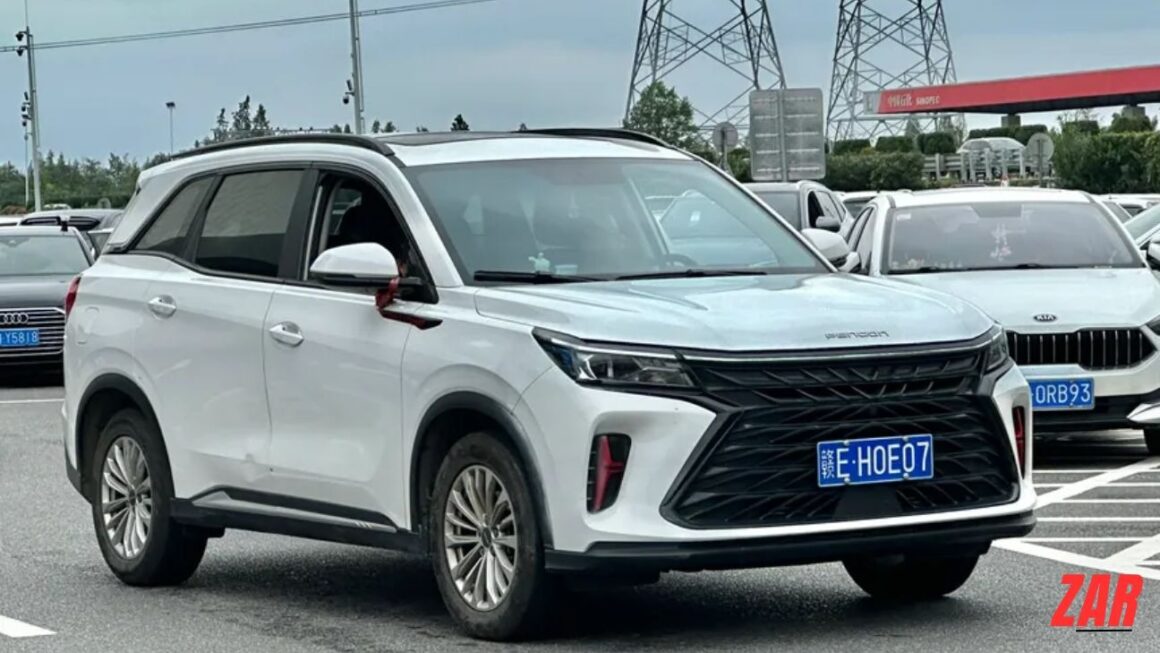
Inside, the Glory 580 prioritizes space and versatility. Many variants feature three-row seating, accommodating up to seven passengers, which makes it suitable for larger families. The cabin includes a central touchscreen infotainment system, climate control, multiple storage compartments, and flexible seat-folding options for cargo. Power typically comes from turbocharged petrol engines paired with automatic transmissions, delivering balanced performance for daily driving. In Nigeria’s import market, prices generally range from ₦30 million to ₦38 million depending on model year, trim level, and condition.
How Dongfeng Cars Fit Nigerian Roads
Dongfeng vehicles have been gradually adapted to Nigeria’s unique road conditions, ranging from congested city streets to intercity highways and rural terrains. Compact models like the NanoBox EV excel in urban environments where maneuverability and small turning radius are vital, while SUVs like the Aeolus AX7, T5 EVO, and Glory 580 offer comfortable rides and sufficient ground clearance to handle potholes and uneven surfaces. The Rich pickup series stands out in rough terrains and commercial usage, with durable suspension and robust diesel engines suited for heavy-duty work.
Fuel efficiency and availability play key roles. Petrol and diesel variants align well with commonly available fuel types, while hybrid and electric models provide reduced fuel costs but require attention to electricity reliability and charging infrastructure. Maintenance is generally manageable for petrol and diesel engines through local mechanics, but hybrid and EV ownership may necessitate access to specialized technicians and imported parts.
Competitive Comparison
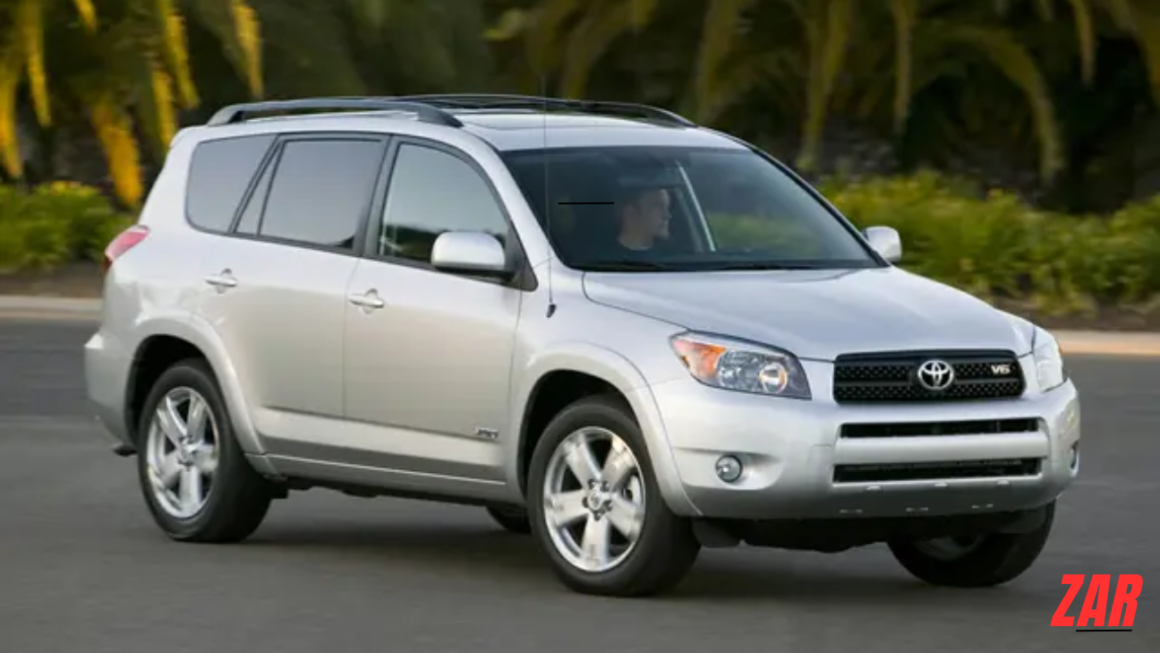
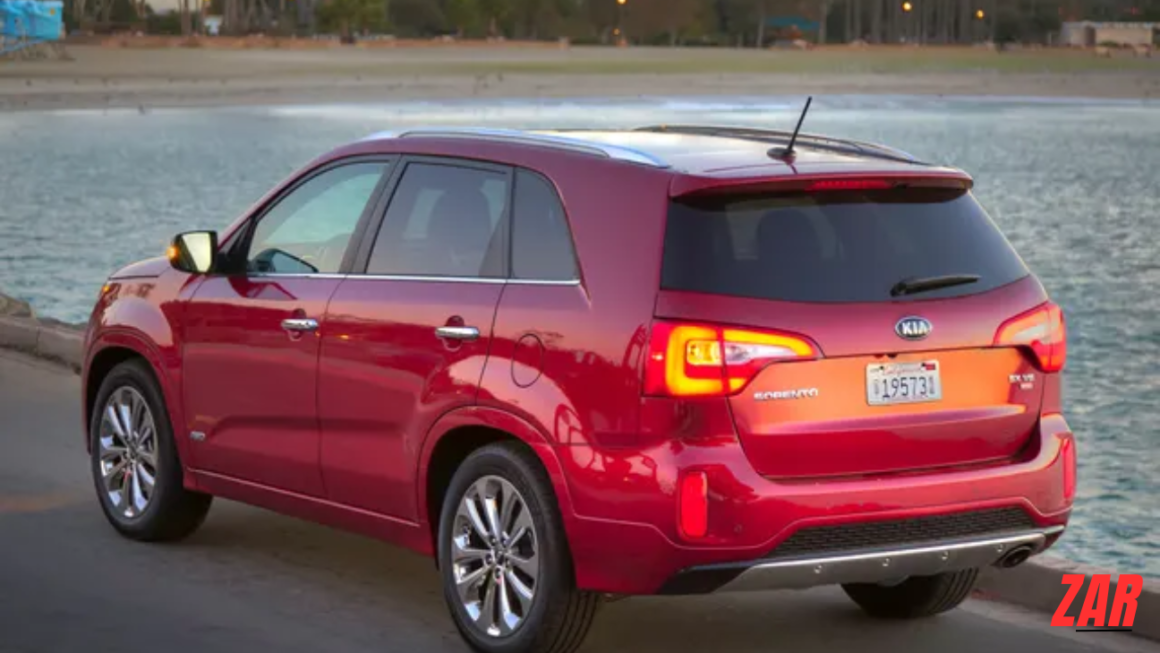
Dongfeng cars in Nigeria compete primarily on affordability, practicality, and feature-rich offerings. The Rich pickup series competes against Toyota Hilux and Nissan Navara, offering lower acquisition costs but with less brand prestige and resale value. SUVs like the Aeolus AX7 and Glory 580 compare to Toyota RAV4, Honda CR-V, and Kia Sorento, providing similar space and features at reduced purchase prices, though Japanese and Korean models have stronger dealer networks and long-term reliability reputation. Compact models like the NanoBox EV and Forthing T5 EVO stand out for city driving efficiency and modern design but face limited support infrastructure compared to established brands.
Long-term ownership considerations favor Dongfeng for buyers prioritizing cost-effectiveness and functionality over brand cachet. While resale value may lag behind more recognized brands, the vehicles deliver solid performance, comfort, and practicality suitable for a range of Nigerian driving scenarios.
Conclusion
Dongfeng’s lineup in Nigeria represents a pragmatic approach to automotive ownership, emphasizing affordability, functionality, and adaptability to local conditions. From the NanoBox EV to the family-friendly Glory 580 and rugged Rich pickup, each model addresses specific driving needs, balancing comfort, space, and efficiency. The brand offers a compelling alternative for Nigerian drivers seeking vehicles that deliver dependable daily performance without premium pricing.
Overall, Dongfeng cars reflect a buyer profile focused on value, reliability, and versatility. Prospective owners must weigh the benefits of lower acquisition and running costs against limited dealer networks and resale considerations. The central question for Nigerian drivers remains: is practical functionality more important than brand prestige when choosing a vehicle?