

Searching for used cars for sale in Nigeria in 2026 means comparing more than attractive photographs and asking prices. Your choice should reflect your daily journey, maintenance budget, passenger needs and the condition of the individual vehicle. Toyota Corolla, Honda Civic, Toyota Camry and Honda Accord are useful starting points, while models from Nissan, Mazda, Kia and Hyundai give buyers alternatives.
There is no single national price for a used car. Model year, engine, transmission, ownership history and import status can change its value substantially. This guide explains current listing examples, the differences between tokunbo and Nigerian-used vehicles, and how to choose a car without confusing a familiar badge with a sound purchase.
How Much Do Used Cars Cost in Nigeria in 2026?
The most useful prices are attached to specific model years and conditions. During research for this guide, advertised 2010 Toyota Corolla examples included Nigerian-used vehicles around ₦6 million to ₦8 million and foreign-used examples around ₦9 million to ₦11.5 million. Individual listings fell outside those bands, showing why buyers should compare several similar vehicles.
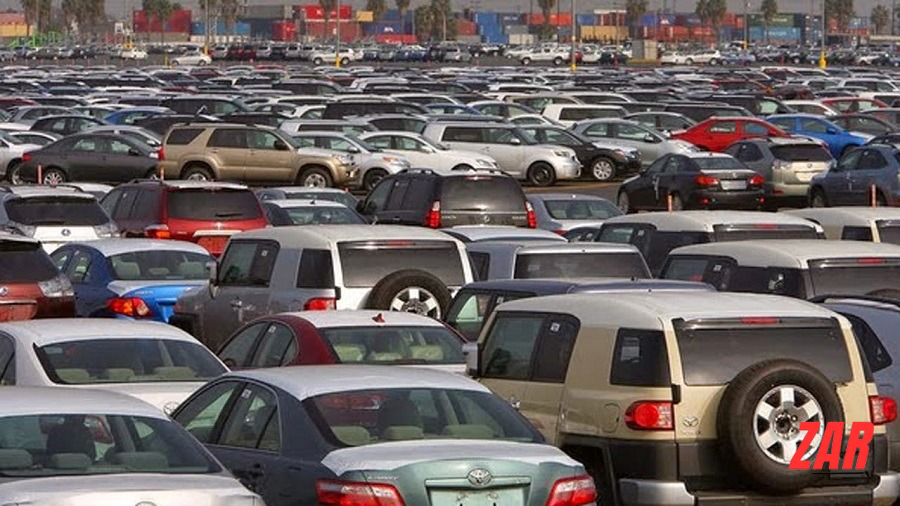
Tokunbo/Used Cars For Sale In Nigeria. Source: Naira Metrics
You can review Toyota Corolla 2010 listings on Jiji to see how asking prices differ. These are seller advertisements, not independently verified valuations or completed sale prices. Descriptions such as “accident free,” “low mileage” and “nothing to fix” still require investigation. Availability and prices can change after publication.
Other models show the same variation. Research surfaced foreign-used 2010 Honda Civic advertisements from approximately ₦7.85 million to ₦11.8 million. Foreign-used 2012 Toyota Camry listings in Lagos included several examples around ₦12 million to ₦14.5 million. These examples provide a starting point for comparison, not a fixed price range covering every Civic or Camry.
A broad claim that a model costs ₦8 million to ₦20 million becomes useful only when the generation and condition are specified. Before arranging inspections, ask sellers for the manufacturing year, chassis number, engine specification, registration status and exact location. Compare like with like, then negotiate around the vehicle’s documented condition.
It also helps to record when each quotation was received and whether the price includes any additional charges. Ask the seller to explain what you will receive at handover. Clear written terms make comparisons easier and reduce misunderstandings about accessories, outstanding repairs, transport arrangements or documents promised after payment.
Tokunbo or Nigerian-Used: Which Should You Buy?
Tokunbo generally describes a foreign-used vehicle imported into Nigeria, while Nigerian-used describes one already used locally. Neither label proves reliability. An imported vehicle might have a serious accident history, flood exposure or overdue maintenance. A locally used car might have careful ownership, consistent servicing and a history you can verify.
Tokunbo can appeal to buyers looking for particular specifications or vehicles with less local wear. However, the higher asking price must be justified by evidence. Fresh paint, clean upholstery and a recently arrived shipment do not establish mechanical health. Ask what is known about the car before importation and whether supporting records exist.
Nigerian-used vehicles deserve consideration when your budget is limited. Meeting an identifiable owner and examining service receipts may give you useful information about the car’s past. For shoppers comparing affordability across different models, Wheelzar’s guide to used cars under ₦10 million in Nigeria offers additional starting points. Always confirm current prices before committing.
Toyota Corolla: A Practical Starting Point
The Toyota Corolla deserves attention from buyers seeking an everyday sedan with manageable dimensions and straightforward usability. However, a Corolla badge covers many generations, engines and transmissions. A 2008 model and a 2015 model should not be treated as interchangeable simply because both appear in the same search results.
Focus on the condition of the engine, gearbox, cooling system and body structure before paying extra for cosmetic upgrades. Replacement headlights, a larger screen or leather upholstery may improve appearance without improving dependability. Wheelzar’s Toyota Corolla 2010 price and buying guide provides a closer look at one specific model year and its ownership considerations.
Buyers may also encounter the Corolla Altis name. Altis belongs to the Corolla family in certain markets, so it should not automatically be counted as an entirely separate competitor. Identify the original market and specification before comparing prices. Equipment, drivetrain options and replacement components can differ between cars carrying related badges.
Honda Civic: Compare the Exact Version
The Honda Civic is another compact car worth comparing when you want practical daily transport. Assess seating comfort, visibility, luggage space and how easily you can obtain support for the particular generation. A vehicle that suits another buyer’s driving habits may be less suitable for your regular route or family.
Do not accept blanket claims that every Civic delivers 19–22 kilometres per litre. Model year, engine, transmission and driving conditions matter, and an older conventional petrol car should not inherit the fuel figures of a newer hybrid. A careful test drive and inspection are more useful than an unsupported economy promise.
Toyota Camry and Honda Accord: Consider Passenger Comfort
The Toyota Camry and Honda Accord belong on your shortlist when passenger comfort matters alongside purchase price. Compare the actual cabin and boot space of the generations you are considering. Bring your regular passengers if possible, and check rear seating, entry and exit, and whether your usual luggage fits comfortably.
Engine choice deserves particular attention. Different versions can have different servicing needs and fuel consumption, even when they share the same body shape. Confirm the engine specification from reliable vehicle information instead of relying on seller shorthand. Your mechanic should assess whether the advertised specification matches what is installed.
Think about how you will use the car throughout a normal week. A larger sedan may suit family journeys, but its advantages matter less if you mostly drive alone through tight streets. Calculate the likely running costs and examine the individual car before paying more for a familiar executive appearance.
Toyota Avensis, Nissan Sentra and Mazda 3
The Toyota Avensis, Nissan Sentra and Mazda 3 can broaden your search beyond the most familiar choices. Their value depends on the specific generation, condition and local support available to you. Avoid assuming that a less expensive advertisement represents a better deal before you have checked parts prices and repair requirements.
For any Sentra you inspect, establish which transmission it uses and ask for the relevant service history. Apply the same discipline to the Avensis and Mazda 3 rather than treating their badges as guarantees. A transmission specialist’s assessment can be worthwhile when the vehicle’s behaviour or maintenance record raises questions.
Before choosing a less familiar specification, ask a trusted workshop about parts availability for that exact version. Price ordinary service items and a few likely wear components. This practical exercise helps reveal whether an apparent saving at purchase could disappear through delays, unsuitable replacement parts or repairs beyond your planned budget.
Kia Rio and Hyundai Elantra
The Kia Rio and Hyundai Elantra offer additional options for buyers comparing everyday usability and purchase cost. Assess each vehicle against your actual needs rather than assuming all Korean cars share the same reliability, dimensions or maintenance costs. Generations and specifications can differ substantially within the same model name.
During inspection, test the air conditioning, controls, steering and braking, and ask for evidence of previous maintenance. Compare the asking price with vehicles of similar age and condition. A carefully maintained example may deserve consideration alongside Toyota and Honda alternatives, especially when you have access to a workshop familiar with it.
What Fuel Economy Should You Expect?
Fuel economy needs a model-specific explanation. Toyota’s official specifications for the 2012 Corolla give the US-market automatic version an EPA estimate of 26 mpg in city driving and 34 mpg on the highway. Those figures convert to approximately 11.1 and 14.5 kilometres per litre respectively, illustrating why universal claims of 18–20 kilometres per litre are misleading.
These are standardised estimates, not guaranteed Nigerian driving results. Congestion, frequent acceleration, vehicle load and time spent idling affect actual consumption. The US Department of Energy’s guidance on efficient driving explains how driving behaviour and idling increase fuel use. Compare equivalent engines and test conditions whenever you assess economy claims.
For budgeting, divide your expected travel distance by a realistic consumption assumption. If you drive 1,000 kilometres monthly and assume 10 kilometres per litre, you would need approximately 100 litres. Multiply that by your local pump price. This is a planning example, not a claim about what every sedan consumes.
Where to Search for Used Cars in Nigeria
Online marketplaces can help you compare vehicles before visiting sellers. Search by model year, location, condition and price, then request enough information to identify the actual vehicle. Repeated photographs, vague descriptions and conflicting specifications deserve clarification. Several advertisements may refer to the same car, so listing counts do not necessarily represent separate available vehicles.
If you are searching in Lagos, Abuja or Port Harcourt, begin with cars you can inspect conveniently. A distant bargain may become less attractive after transport, accommodation and inspection expenses. Where travel is necessary, confirm the vehicle’s availability and the seller’s identity before making arrangements or sending someone on your behalf.
Avoid treating a platform name, seller badge or attractive showroom as a substitute for verification. The quality of the transaction depends on the vehicle, documentation and seller involved. There is also insufficient evidence here to rank platforms by national sales or declare one model the majority of Nigeria’s used-car market.
Inspect the Vehicle Before Negotiating Seriously
Arrange an independent inspection before final payment. Ask the inspector to examine structural repairs, mechanical condition, diagnostic results and signs of water damage. A short engine start or a drive around the seller’s compound is not enough to establish that a car is ready for dependable everyday use.
Match the chassis number on the vehicle with the documents, and establish the seller’s authority to sell it. Imported vehicles need appropriate checks on their import records. Wheelzar’s guide on how to inspect a used car before buying in Nigeria explains the wider inspection process. Resolve discrepancies before transferring money.
Request a written assessment that separates immediate faults from routine maintenance and cosmetic issues. This gives you a stronger basis for negotiation than simply asking for a discount. If the seller refuses reasonable inspection or cannot explain important inconsistencies, continue your search instead of allowing urgency to determine the purchase.
Budget Beyond the Advertised Price
Your car budget should include more than the amount paid to the seller. Allow for inspection, transport where necessary, registration or ownership administration, insurance and initial servicing. Tyres, brakes, a battery or neglected fluids can add to the amount needed soon after purchase, even when the vehicle initially appears presentable.
Keep a repair reserve based on the inspection findings and actual quotations. For example, if your total available budget is ₦10 million, spending all of it on the purchase leaves no room for other expenses. A lower purchase price with manageable, understood needs may be more suitable than a car stretching your finances immediately.
Resale value should influence your decision without becoming a promise of future profit. Keep service receipts, record major repairs and maintain the vehicle consistently. When you eventually sell, evidence of responsible ownership gives prospective buyers something concrete to assess beyond photographs, verbal assurances and the reputation of the model.
When comparing used cars for sale in Nigeria in 2026, aim for a vehicle whose condition, history and running costs you understand. Choose the model that fits your journeys, verify the seller’s claims and protect your maintenance budget. A successful purchase should remain affordable after you drive away.