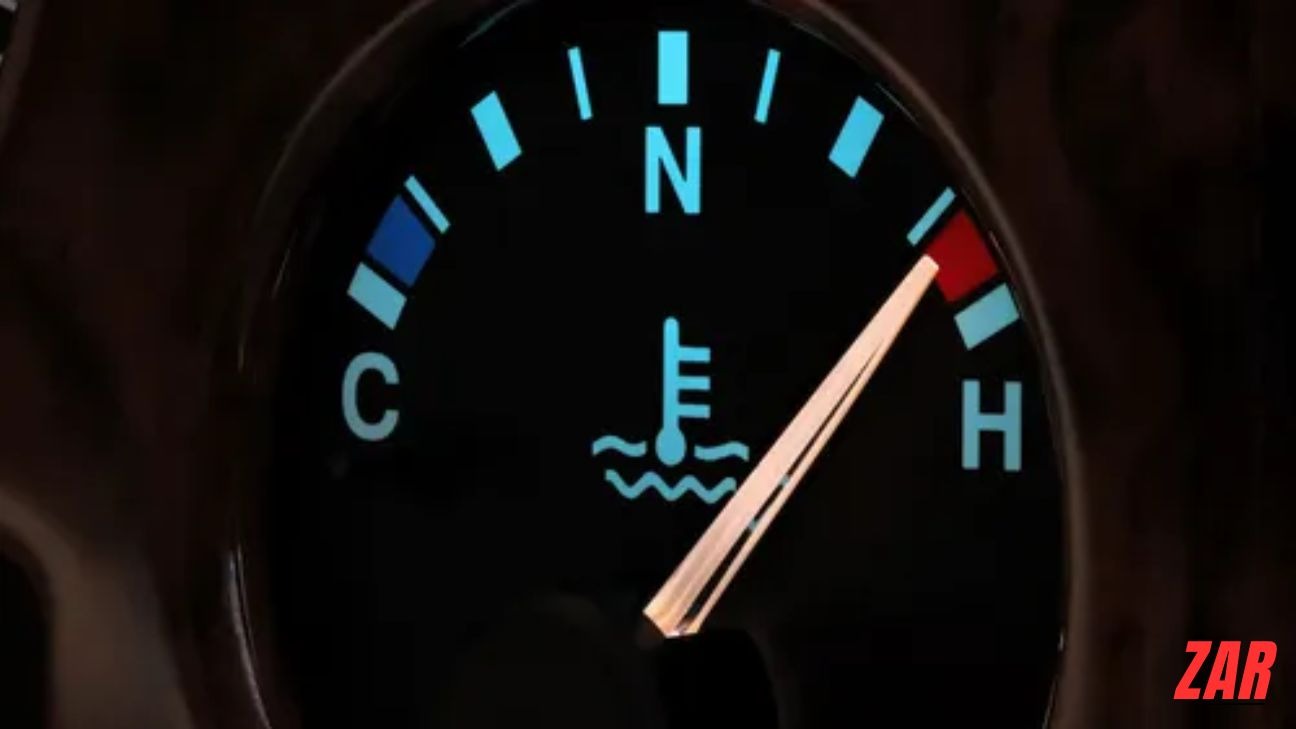
Few experiences are more stressful for drivers than watching the temperature gauge climb into the red zone while stuck in traffic on a sweltering day. Engine overheating is a common automotive problem that can occur in any vehicle, regardless of age or model. When left unchecked, it can lead to catastrophic engine damage, expensive repairs, and sudden vehicle failure. Overheating can also create dangerous situations on the road, especially during long drives or in extreme temperatures. Understanding the causes and consequences of overheating is essential for any car owner who wants to maintain engine reliability and avoid costly downtime.
In this guide, we will explore the main reasons cars overheat, the warning signs that indicate an engine is in distress, and the practical steps drivers can take to prevent overheating. We will also explain how the cooling system works, what to do when a vehicle begins to overheat, and tips for maintaining optimal engine temperature in hot climates or under challenging driving conditions. By following these guidelines, drivers can protect their engines, extend vehicle lifespan, and reduce the likelihood of unexpected breakdowns.
How Cars Cooling System Works
Before exploring why cars overheat, it is important to understand how the engine cooling system functions. The car engine operates as a controlled combustion chamber, generating extreme heat during operation. Temperatures inside the engine can reach thousands of degrees Celcius, which would damage engine components if not properly regulated. The cooling system maintains an optimal operating temperature, generally between 195 to 220 degrees Fahrenheit or 90 to 105 degrees Celsius. This system ensures efficient engine performance, prevents warping of critical components, and reduces wear and tear over time. Without a functioning cooling system, even a short drive can result in serious engine damage and potentially costly repairs.
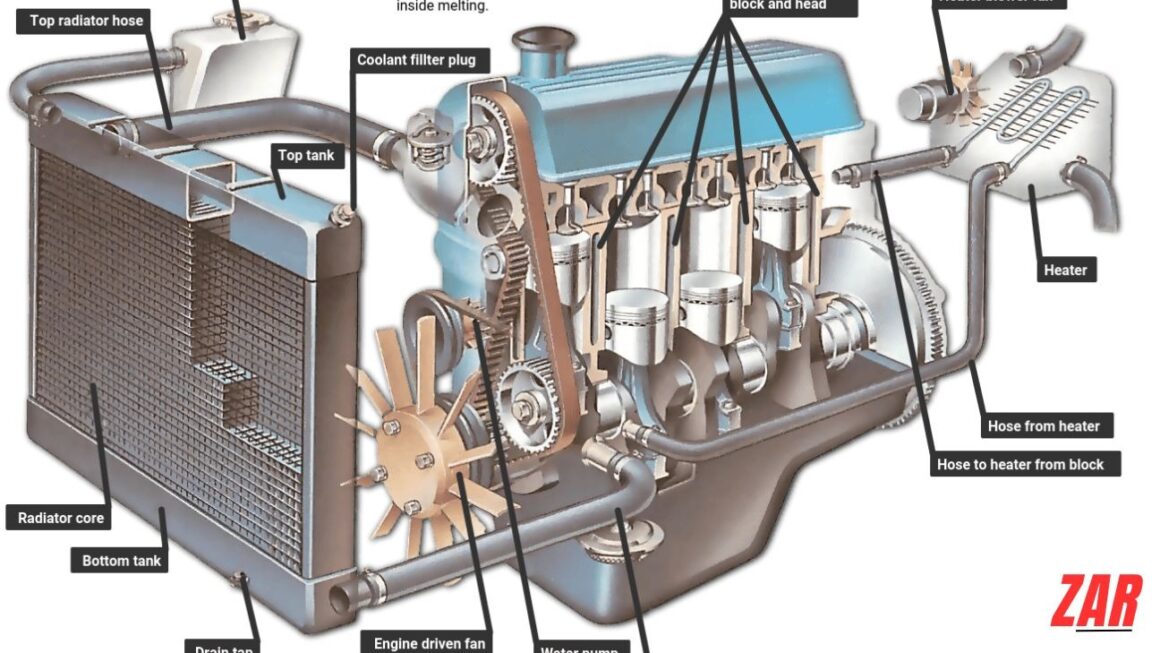
The cooling system consists of several interconnected components that work together to regulate temperature. The radiator releases heat from the coolant into the surrounding air, while the thermostat controls the flow of coolant based on engine temperature. The water pump circulates coolant throughout the engine, and cooling fans provide airflow when natural ventilation is insufficient. Flexible hoses carry coolant between the radiator and engine, and the coolant itself, a mixture of antifreeze and water, absorbs heat efficiently. Each component is crucial, and failure in any part of the system can disrupt the balance and lead to overheating. Understanding how these components work is key to maintaining a healthy engine.
The Most Common Causes of Car Overheating
Malfunctioning Water Pump: The water pump acts as the heart of the cooling system, circulating coolant through the engine and radiator. A failing water pump due to wear, corrosion, or internal blockage prevents coolant from moving effectively, causing heat to accumulate. Common symptoms include coolant leaks under the vehicle, whining noises from the engine, and an unstable temperature gauge. Regular inspections and timely replacement of the water pump are essential for reliable cooling system performance.
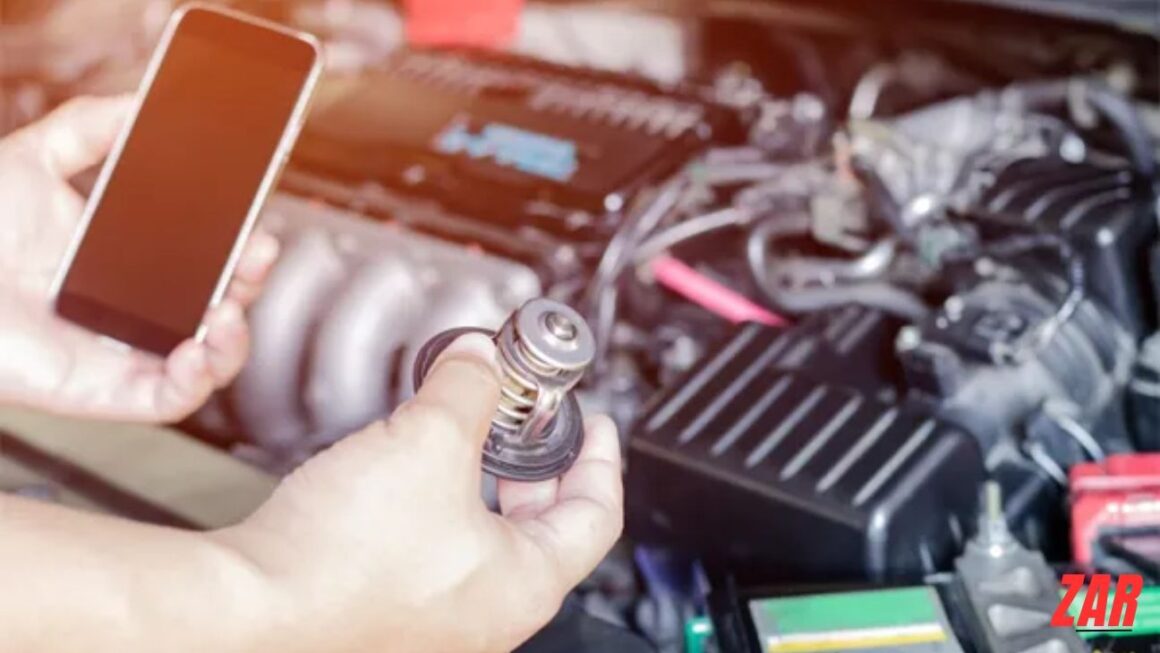
Faulty Thermostat: The thermostat regulates the flow of coolant between the engine and radiator. If it gets stuck in the closed position, coolant cannot circulate properly, causing heat to build up inside the engine. This often results in a quick spike in the temperature gauge, particularly at low speeds or while idling. A malfunctioning thermostat can lead to uneven engine temperatures, which stresses internal components. Replacing a faulty thermostat is crucial to maintaining proper engine temperature and preventing overheating.
Low or Missing Coolant: Coolant is essential for absorbing heat from the engine and transporting it to the radiator for dissipation. When coolant levels drop due to leaks, evaporation, or neglect, the engine loses its ability to regulate temperature efficiently. Low coolant often leads to a rapid rise in engine temperature, especially in stop-and-go traffic or hot weather. Signs of low coolant include puddles under the vehicle, a sweet smell near the engine, or the temperature gauge rising abnormally. Regularly checking and maintaining coolant levels can prevent overheating and protect your engine.
Radiator Issues: The radiator dissipates heat from the coolant into the surrounding air. Over time, radiators can develop blockages from debris, corrosion, or mineral deposits, which reduces their ability to cool efficiently. Leaks, cracks, or clogged fins also compromise cooling performance. Radiator problems are especially noticeable in slow traffic or during hot weather, when airflow is limited. Maintaining a clean radiator and repairing leaks promptly ensures that the cooling system functions correctly.
Worn Hoses and Belts: Hoses carry coolant throughout the engine, while belts drive the water pump and fans. Heat and pressure over time can cause them to crack, leak, or break entirely. A damaged hose or belt interrupts coolant flow, making the engine prone to overheating. Regular visual inspections during oil changes or maintenance appointments help identify problems early. Replacing worn hoses and belts before they fail can prevent costly engine damage.
Low or Dirty Engine Oil: Engine oil not only lubricates moving parts but also helps manage heat. Low or contaminated oil increases friction, which generates extra heat and can contribute to overheating. Regular oil checks and timely oil changes are essential for reducing engine stress and maintaining proper temperature.
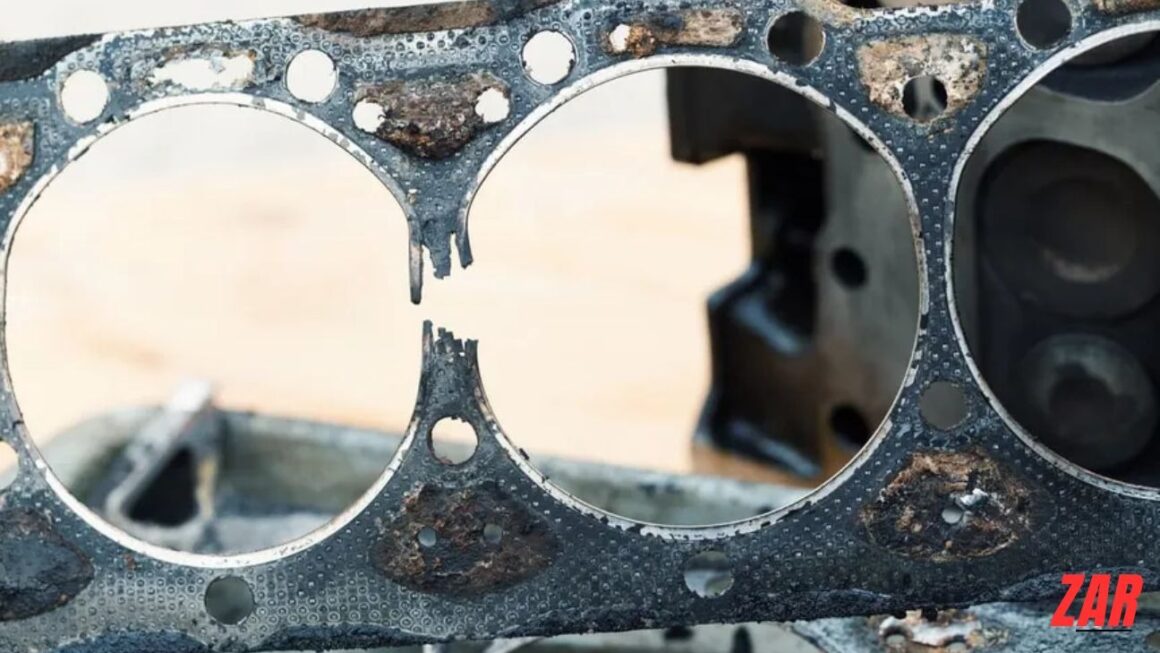
Blown Head Gasket: A blown head gasket is a severe problem where coolant and oil mix, causing a rapid rise in engine temperature. Symptoms include white smoke from the exhaust, milky oil, and loss of engine power. This issue requires immediate professional attention, as ignoring it can lead to catastrophic engine failure.
Recognizing the Warning Signs of Car Overheating
Early detection of overheating can prevent minor problems from becoming major engine failures. Watch for the following signs:
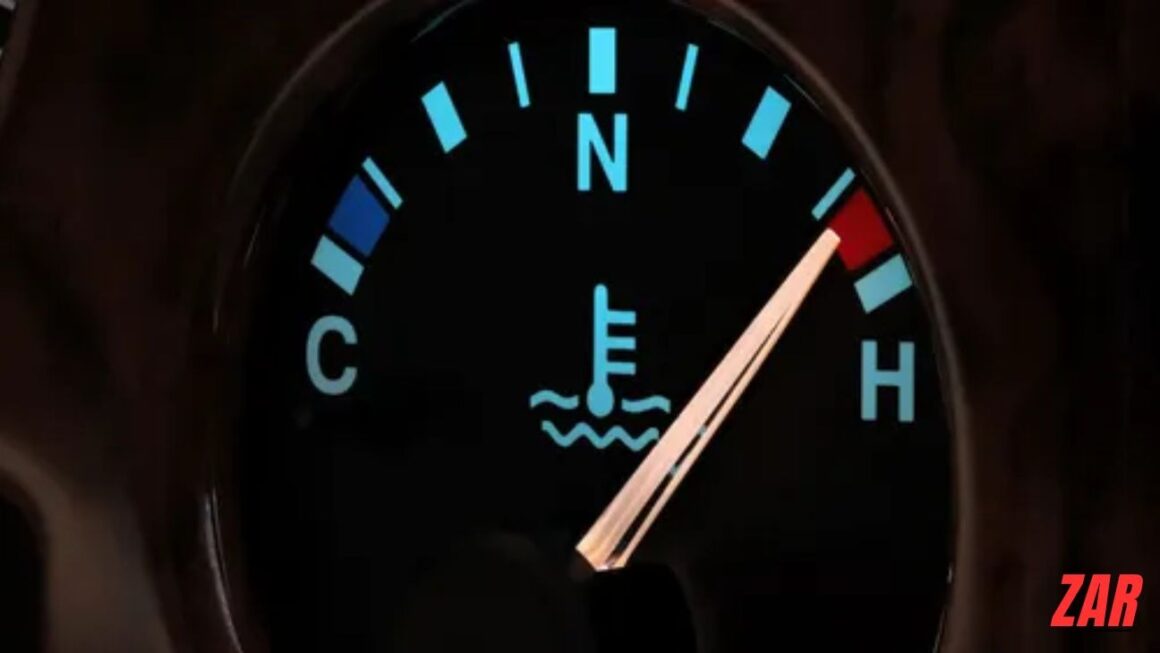
Temperature Gauge Rising: The most obvious indicator is the temperature gauge moving into the red zone or a dashboard warning light shaped like a thermometer. This signals that your engine is running hotter than normal.
Steam or Smoke from Under the Hood: White or gray smoke or steam indicates that coolant may be boiling or leaking. It is a strong warning to stop driving immediately.
Sweet or Acrid Smell: Overheated coolant has a sweet scent, while burning oil has a sharp, acrid odor. Noticing unusual smells near the engine can alert you to overheating before severe damage occurs.
Loss of Engine Power or Performance: The engine may feel sluggish, hesitate, or produce knocking sounds as it struggles under excessive heat.
Coolant Puddles or Leaks: Wet spots under the vehicle, often green, blue, or orange, indicate a coolant leak that can lead to overheating if ignored.
Vehicle Enters Limp Mode: Modern cars often reduce engine power automatically when sensors detect dangerous temperatures. This safety feature prevents further damage but indicates immediate attention is needed.
Irregular Engine Behavior: Unusual vibrations, rough idling, or sudden stalling can also be early signs that the engine is overheating.
Tip: Regularly monitor the temperature gauge and pay attention to unusual smells or sounds. Acting quickly can prevent serious engine damage and costly repairs.
What to Do When Your Car Overheats
If your vehicle begins to overheat while driving, staying calm is the first step. Turn off the air conditioning immediately and turn the heater to its maximum setting. This helps to divert heat from the engine into the cabin, slightly reducing engine temperature. Pull over safely, activate your hazard lights, and move the car away from traffic. It is important to remain calm and ensure passengers are safe while assessing the situation. Opening the hood allows heat to escape but should be done cautiously. Never open the radiator cap while the engine is hot as pressurized coolant can spray and cause severe burns.
After allowing the engine to cool for thirty to sixty minutes, check coolant levels and add a fifty-fifty mixture of coolant and water if necessary. If the vehicle continues to overheat, avoid driving further as this can result in permanent engine damage. Contact roadside assistance or a professional mechanic for help. Remaining patient and taking these steps can prevent further damage, protect your engine, and ensure that the car can be safely driven or towed to a service center for inspection.
Prevention: Your Best Defense Against Overheating
Preventing car overheating starts with consistent maintenance and routine checks. One of the most important steps is monitoring coolant and engine oil levels regularly. Make it a habit to check these fluids at least once a month. Flushing the cooling system every 30,000 to 50,000 miles helps remove built-up deposits that can reduce efficiency. Inspect hoses and belts for cracks or wear, as failures in these parts are common causes of overheating. Cleaning the radiator before hot seasons and ensuring that the fins are free of dirt, debris, or insects allows proper airflow and optimal cooling performance. Annual inspections of the cooling system, especially in older vehicles, can prevent minor issues from escalating into major engine problems.
Drivers can also implement additional strategies to maintain engine temperature under normal and extreme driving conditions. For example, using high-quality engine oil helps reduce friction and heat generation, while maintaining a proper fifty-fifty mixture of coolant and water ensures efficient heat transfer. Monitoring the temperature gauge during long trips or when towing heavy loads can provide early warning of potential overheating. Carrying basic tools and extra coolant in the vehicle allows drivers to respond quickly to emergencies. Combining these preventive measures reduces the likelihood of overheating, protects engine components, and ensures your vehicle operates reliably under all conditions.
Tips for Driving in Hot Climates
Driving in high temperatures places extra stress on your cooling system, but simple habits can help prevent overheating. Avoid prolonged idling during peak heat hours, as the engine generates more heat while stationary. Park in shaded areas whenever possible to prevent excessive engine temperatures before starting your journey. Reduce heavy loads or towing in extreme heat, as additional strain can quickly overwhelm the cooling system. Regularly monitor the temperature gauge, especially on long trips, and plan stops to allow the engine to cool when necessary.
Other strategies include keeping your radiator and air intake free of debris, which can block airflow and reduce cooling efficiency. Ensure your cooling fans and water pump are functioning correctly, as these components are critical for heat management. Using high-quality coolant and engine oil suited to high-temperature environments can also improve system performance. By combining routine vehicle checks with careful driving habits, especially in hot climates, you can significantly reduce the risk of overheating and protect your engine from unnecessary wear or damage.
Long-Term Effects of Ignoring Overheating
Repeated overheating episodes can have serious and long-lasting consequences for your engine. Continuous exposure to excessive heat can warp cylinder heads, damage pistons and rings, and crack the engine block. Even components like gaskets and seals are vulnerable to heat stress, which can lead to leaks, loss of compression, and further engine failures. Over time, ignoring overheating can drastically reduce your engine’s overall lifespan and may result in total engine replacement, which is far more expensive than routine maintenance or minor repairs.
In addition to mechanical damage, ignoring overheating can compromise safety and performance on the road. Drivers may experience sudden loss of power, stalling, or complete engine failure while driving, which increases the risk of accidents. Fuel efficiency may decline, and long-term repair costs can escalate significantly. Preventing overheating through regular inspections, fluid checks, and prompt attention to warning signs is far less expensive and ensures the vehicle remains safe, reliable, and efficient over its lifetime. Prioritizing engine health protects both your car and your wallet.
Conclusion
Car overheating is a serious issue that demands attention, but it is largely preventable with proper maintenance, awareness, and proactive driving habits. Understanding how the cooling system works, recognizing early warning signs, and acting promptly when problems arise can protect your engine and save thousands of dollars in repairs.
The key to preventing engine overheating lies in consistency and vigilance. Implementing preventive measures, monitoring the temperature gauge, and addressing minor issues early ensures your vehicle remains reliable and performs optimally.