Buying a luxury vehicle is often seen as a milestone of success, but the initial purchase price is only the first chapter of a much longer financial story. For high-performance European imports and bespoke grand tourers, the “true cost of ownership” is frequently dominated by maintenance and repair requirements that far exceed those of standard consumer vehicles.
In the world of ultra-luxury automotive engineering, the most expensive luxury car to maintain is generally the Bugatti Veyron, which commands annual service costs that can exceed
₦27,697,415.20 not including specialized tires or major mechanical overhauls.
However, for more common luxury brands accessible to the premium market such as BMW, Mercedes-Benz, and Land Rover the costs are driven by a combination of complex electronics, proprietary parts, and specialized labor rates.
Why Maintenance Costs Vary Across Luxury Brands
Luxury cars are not high-cost simply because of their badges. The expense is rooted in engineering philosophy. Standard vehicles are designed for mass-market reliability and ease of service. In contrast, luxury vehicles prioritize performance, comfort, and cutting-edge technology, often utilizing components that have shorter lifespans or require more frequent calibration.
1. Rolls-Royce Coachbuild
The Rolls-Royce Boat Tail is a bespoke “land yacht” born from the brand’s ultra-exclusive Coachbuild program. Its striking exterior features a modern Pantheon grille and a two-tone rose gold finish, while a 6.75L twin-turbo V12 engine provides the signature, silent “wafting” acceleration. The car’s defining feature is its nautical-inspired rear deck, which opens to reveal a complete hosting suite with champagne flutes and a parasol. Inside, the luxury continues with a custom-integrated BOVET 1822 timepiece.
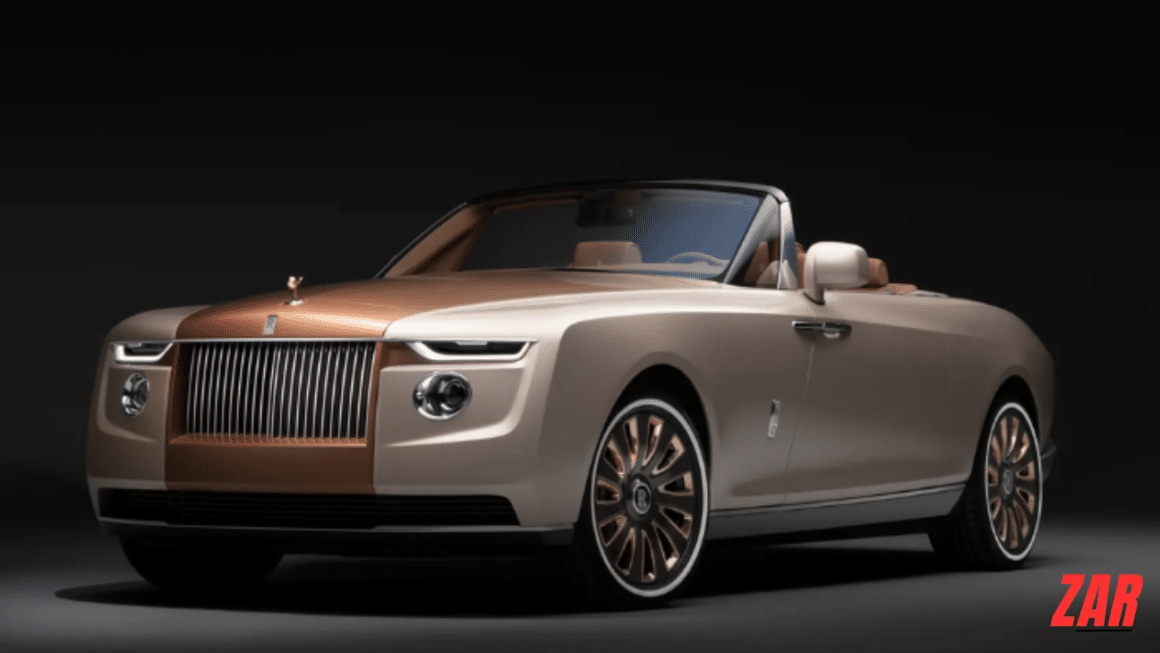
Exterior view of Rolls-Royce Boat Tail, Image Source- Business Day
Maintaining this ₦398,000695,00720,000 masterpiece is as complex as its design. Because it is handcrafted with proprietary parts, it requires factory-trained technicians and brand-specific certifications for even minor repairs. From the intricate air suspension to the bespoke electronics of the hosting suite, the Boat Tail’s advanced systems demand a level of specialist care that far exceeds standard luxury vehicles.
2. The Bugatti Veyron
While many luxury SUVs and sedans are expensive, the Bugatti Veyron occupies a unique tier of maintenance requirements. According to reports from owners and automotive analysts, a routine oil change for a Veyron can cost upwards of $21,000. This is due to the car’s dry-sump lubrication system, which features 16 different drain plugs and requires the removal of the rear bodywork to access.
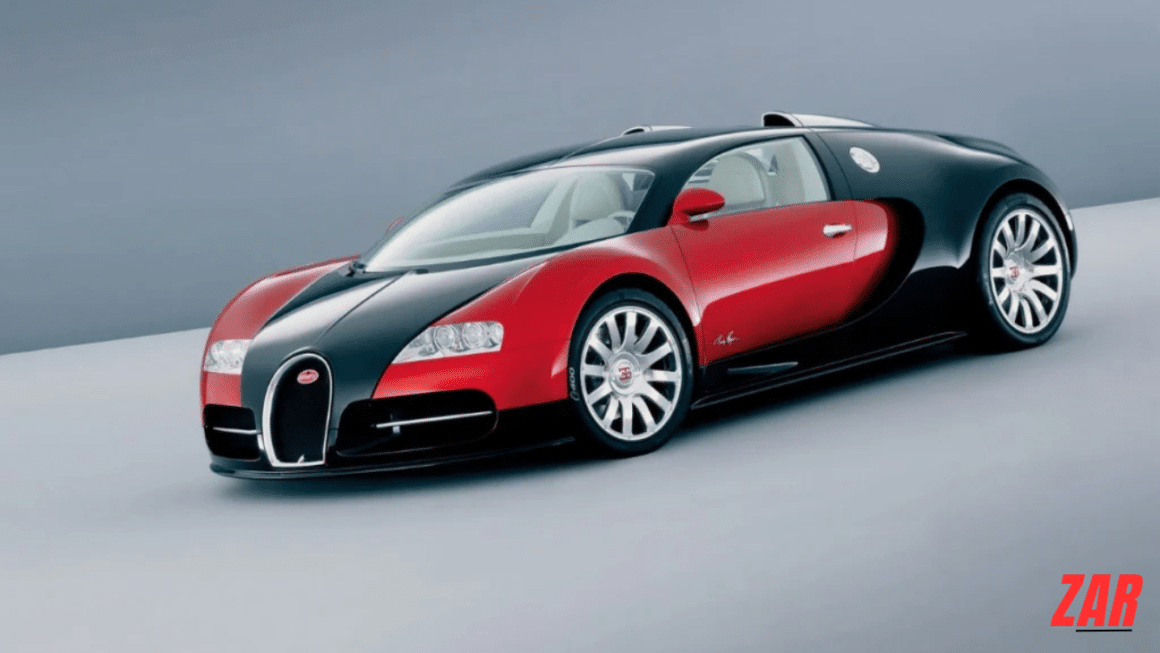
Exterior view of Bugatti Veyron, Image Source –Supercar Blondie
Furthermore, Bugatti recommends changing tires every 2,500 miles, a process that costs approximately ₦52,551,340. Every third tire change, the wheels themselves must be replaced to ensure structural integrity under the extreme forces the car generates, adding another ₦69,264,600 to the bill. For the average collector, these figures make the Veyron the undisputed leader in maintenance expenses.
3. BMW
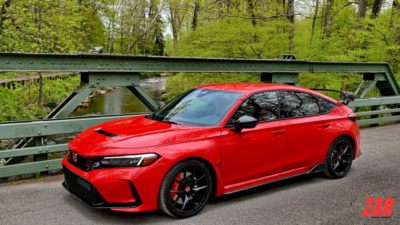
BMW consistently ranks near the top of maintenance cost lists. While the “Ultimate Driving Machine” offers exceptional handling, the brand’s reliance on plastic cooling system components and complex gasket arrangements often leads to significant leaks after the 60,000-mile mark. Over a ten-year span, a BMW owner can expect to pay significantly more than an Audi or Lexus owner for routine upkeep.
Exterior image of BMW , image source –morgan auto group
4.Land Rover
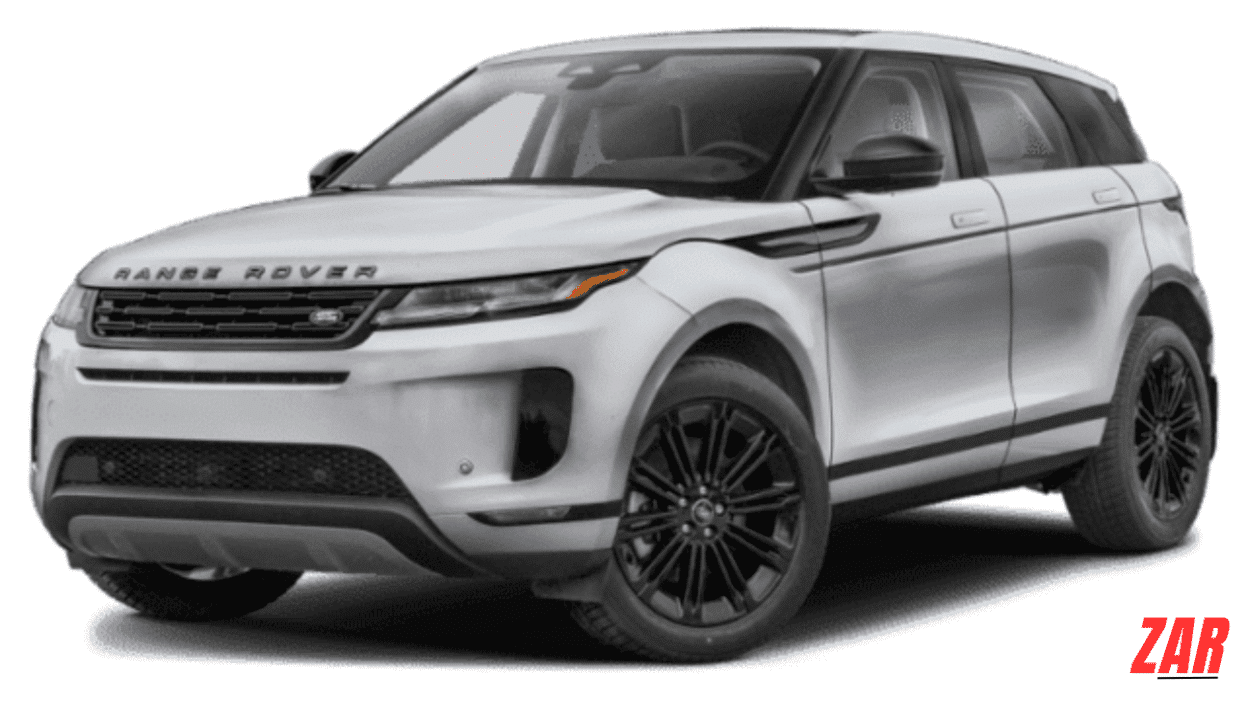
Land Rover, particularly the Range Rover lineup, is well known for luxury, off-road capability, and advanced suspension systems. One of the key technologies used in these vehicles is the electronic air suspension, which replaces traditional steel springs with air-filled rubber bellows and a compressor-controlled system. This setup automatically adjusts ride height to improve comfort on highways and provide better ground clearance for off-road driving.
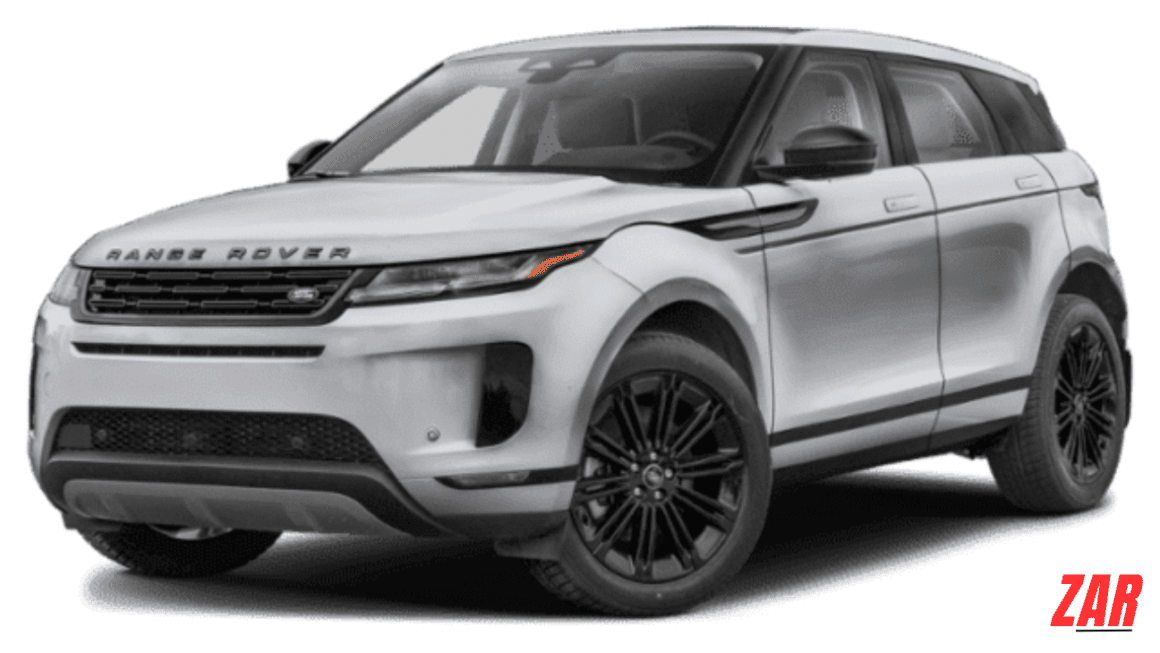
Exterior image of land rover, Image Source –land rover manhattan
However, the system’s complexity makes it one of the most common and expensive repair points in older Range Rovers. Over time, the rubber air bellows can crack or leak, while the air compressor and sensors that control the suspension may fail due to wear. When these components stop working properly, the vehicle may sit unevenly, lower itself to “access mode,” or display suspension warnings on the dashboard.
5. Mercedes-Benz
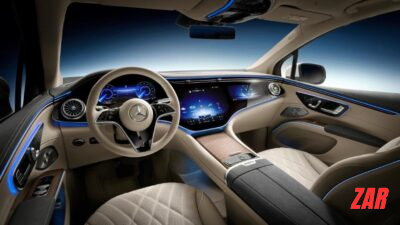
Mercedes-Benz, especially the S-Class, is known for introducing cutting-edge automotive technology before it becomes common in other cars. Features like Magic Body Control suspension, advanced driver-assistance systems, and the MBUX digital infotainment platform showcase the brand’s focus on innovation and luxury.
Exterior image of Mercedes-Benz , image source-Mercedes-Benz USA
However, these technologies also make the vehicles more complex to maintain. Systems like Magic Body Control rely on cameras, sensors, hydraulic components, and computer modules that require specialized diagnostics and expensive replacement parts when they fail. The advanced infotainment and driver-assistance systems are also deeply integrated, meaning even minor faults can require dealership-level repairs.
The Role of Depreciation and “Cheap” Luxury Cars
A common trap for used car buyers is the “affordable” high-end luxury car. A ten-year-old V12 Mercedes-Benz might sell for the same price as a new Toyota Corolla, but its maintenance requirements remain those of a $120,000 vehicle.
This phenomenon is known as the “Second Owner Syndrome,” where the vehicle’s value has depreciated, but the cost of its parts has remained static or increased due to scarcity. When considering the most expensive luxury car to maintain, it is often the one that was purchased and used without a comprehensive service history.
Strategic Maintenance: Reducing the Financial Burden
While high costs are often inevitable, savvy owners can mitigate them through proactive strategies:
- Pre-Purchase Inspections (PPI): Before acquiring a used luxury vehicle, a PPI by a brand specialist can identify pending failures in expensive components like turbos or air bags.
- Independent Specialists: Once a vehicle is out of warranty, finding an independent mechanic who specializes in European imports can reduce labor costs by 30-50% compared to dealership rates.
- Preventative Replacement: For brands like BMW, replacing cooling system components before they fail can prevent catastrophic engine overheating, which would otherwise result in a five-figure repair bill.
Conclusion
The title of the most expensive luxury car to maintain depends largely on the scale of the vehicle. At the pinnacle of the market, the Bugatti Veyron stands alone with service costs that rival the purchase price of other luxury cars. In the consumer luxury segment, brands like BMW and Land Rover require the highest financial commitment over the long term.
Understanding these costs before purchase is essential for a sustainable ownership experience. By researching brand-specific common failures and planning for the inevitable “big” services, owners can enjoy the prestige and performance of a luxury vehicle without being caught off guard by the secondary costs of excellence.