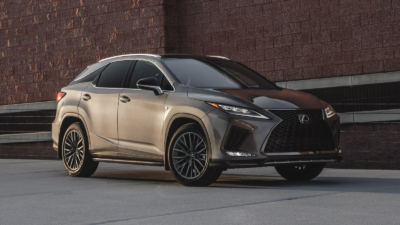
If you are searching for the Toyota Camry 2014 price in Nigeria, you are probably trying to find out how much this popular sedan costs in the Nigerian used-car market and whether it is still worth buying in 2026. The 2014 Camry remains popular because it combines a comfortable cabin, smooth driving experience, reliable engine options and good availability of spare parts.
In September 2026, the price of a Toyota Camry 2014 in Nigeria depends mainly on its condition, mileage, trim level, documentation and whether the car is Nigerian used or Foreign Used (Tokunbo).
Current Price of Toyota Camry 2014 in Nigeria
The Toyota Camry 2014 price in Nigeria currently falls within different ranges depending on the car’s history and condition. A Nigerian-used 2014 Camry generally goes for about ₦7.5 million to ₦11 million, with many clean examples being advertised around ₦8.5 million to ₦10.5 million.
For a Foreign Used or Tokunbo model, prices are considerably higher. You can expect to see prices around ₦12 million to ₦16 million or more, while clean, low-mileage examples can reach approximately ₦14.5 million to ₦16.5 million.
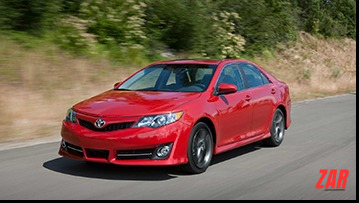
Trim level also matters. Models such as the SE and XLE can attract higher prices because of their equipment and appearance. Location can also influence asking prices, with vehicles advertised in major markets such as Lagos and Abuja sometimes carrying higher price tags.
However, don’t let the asking price be the only thing you consider. Mileage, accident history, mechanical condition, service history and complete documentation can make two 2014 Camrys with seemingly identical specifications have very different values.
Full Specifications of the 2014 Toyota Camry
The 2014 Toyota Camry was available with petrol engine options designed to provide a balance between everyday practicality and performance. According to Toyota’s official 2014 Camry specifications, the standard four-cylinder engine produces 178 horsepower, while the available 3.5-litre V6 produces 268 horsepower.
Both engines use a six-speed automatic transmission, while the Camry sends power to the front wheels. The sedan seats five people and provides a reasonably spacious cabin and boot, making it suitable for families, professionals and people who regularly travel between cities.
For Nigerian buyers, the 2.5-litre four-cylinder is generally the more practical option. It provides enough power for everyday driving without the additional fuel demands that come with the V6.
2014 Toyota Camry 2.5L vs 3.5L V6
The 2.5-litre four-cylinder engine is the option many Nigerian buyers should pay attention to if running costs are important. Its 178 hp output is sufficient for city driving, highway journeys and normal overtaking situations.
The 3.5-litre V6 is different. With 268 hp, it delivers stronger acceleration and feels considerably more powerful when you put your foot down. It is particularly appealing if you want the sportier character associated with some SE and higher-spec versions.
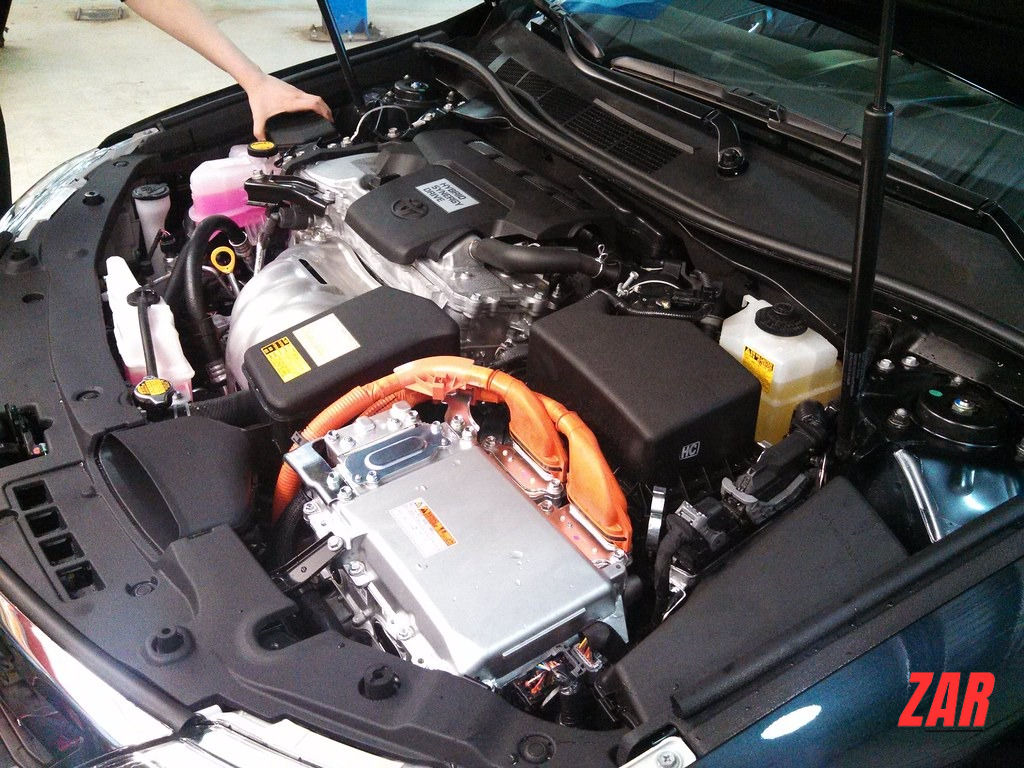
Toyota’s published US figures also show the difference in fuel economy, with the four-cylinder rated at up to 25 mpg city and 35 mpg highway, compared with 21 mpg city and 31 mpg highway for the V6. These are US testing figures, so they should not be treated as exact Nigerian fuel-consumption figures.
In Nigeria, traffic, road conditions, driving habits, air-conditioning use and fuel quality can all affect what you actually get from the car.
Fuel Economy of the 2014 Toyota Camry in Nigeria
Real-world fuel consumption is one of the biggest considerations when buying a used Camry in Nigeria. Based on typical driving conditions, the 2.5-litre model can return roughly 8–10 km/L in the city, around 12–14 km/L on the highway and approximately 10–12 km/L combined.
The 3.5-litre V6 generally consumes more fuel. You can expect roughly 6–8 km/L around town, about 10–12 km/L on the highway and around 8–10 km/L combined, depending on the condition of the vehicle and how it is driven.
These figures are practical estimates rather than official Nigerian test results. If you spend most of your time driving through Lagos traffic, for example, your actual fuel economy can be lower than what you see during relaxed highway driving.
Is the 2014 Toyota Camry Good for Nigeria?
The 2014 Camry still makes sense for many Nigerian drivers because it offers something a smaller car like the Corolla does not provide to the same extent: more cabin space, a smoother ride and a more substantial driving experience.
It is comfortable enough for long-distance journeys and practical enough for everyday city use. Spare parts are also relatively easy to find, and mechanics familiar with Toyota vehicles are common across Nigeria.
The downside is that the newest 2014 Camry is now more than a decade old. That means condition matters more than the Toyota badge itself. A poorly maintained Camry can quickly turn into an expensive project, especially if the previous owner ignored transmission, suspension, cooling or air-conditioning problems.
Common Problems to Watch For
Before buying a 2014 Camry, pay close attention to the transmission. Some vehicles can develop torque-converter or transmission shudder, which may feel like a vibration or hesitation during acceleration. A proper road test can reveal problems that may not be obvious while the car is parked.
The dashboard is another area worth inspecting. Some 2012–2014 Camry models have been reported with sticky or melting dashboard materials, particularly after prolonged exposure to heat. This is particularly relevant in Nigeria’s hot climate.
At higher mileage, components such as the water pump, suspension bushes, shock absorbers, seals and other rubber parts can also require attention. Oil leaks and air-conditioning compressor problems are additional age-related issues you should check before completing a purchase.
This is why an independent inspection is important. Spending money on an inspection before buying is much cheaper than discovering a major mechanical problem after transferring the money.
Check the 2014 Camry’s Safety and Recall History
Safety is another reason you should check the exact vehicle rather than relying only on the model year. The IIHS safety information for the 2014 Toyota Camry shows that the Camry received a Top Safety Pick designation for vehicles built after December 2013.
IIHS also notes differences between early 2014 production vehicles and those built later in the model year, with the latter sometimes referred to as 2014.5 models. Therefore, checking the manufacturing date can be useful when comparing two cars.
You should also check the vehicle identification number before buying. The NHTSA recall lookup allows you to search for recalls using a vehicle’s VIN. While a recall search is not a replacement for a mechanical inspection, it can help you identify outstanding safety-related issues.
Nigerian-Used vs Tokunbo 2014 Camry
One common mistake Nigerian buyers make is assuming that every Tokunbo car is automatically better than a Nigerian-used vehicle. That is not always the case.
A Nigerian-used 2014 Camry with a well-documented service history and careful previous ownership can be in better mechanical condition than a Tokunbo vehicle that has experienced an accident or other damage before being imported.
When inspecting either option, check the engine, transmission, suspension, body panels, interior, electrical systems and air conditioning. You should also verify the VIN and ownership documents before making payment.
For imported vehicles, the Nigeria Customs Service is an important official source for information relating to vehicle customs processes and verification.
What to Check Before Buying a 2014 Camry
If fuel economy is important to you, the 2.5-litre model is the one to consider first. It gives you enough performance for Nigerian roads while being easier on fuel than the V6.
Don’t be distracted by a shiny exterior. Start the engine from cold if possible and listen for unusual noises. Check for warning lights on the dashboard and look underneath the vehicle for signs of oil or fluid leaks.
During the test drive, pay attention to how the transmission changes gears. Any serious shuddering, delayed engagement, harsh shifting or unusual vibration deserves further investigation.
The suspension should also be checked carefully, particularly if the vehicle has spent years driving on rough Nigerian roads. Test the air conditioner properly, inspect the dashboard and check that all electrical features work.
Most importantly, verify the vehicle’s documents and VIN. A cheap Camry with questionable documentation can become a much bigger problem than an apparently more expensive car with a clean history.
Pros and Cons of the 2014 Toyota Camry
The main attractions of the 2014 Camry are its comfortable interior, spacious cabin, smooth ride, strong parts availability and generally dependable performance when properly maintained. It is also a good choice for people who regularly travel long distances and want something more spacious than a Corolla.
The disadvantages mostly come from its age and running costs. It consumes more fuel than a Corolla, older examples may require suspension and cooling-system repairs, and some vehicles can have transmission or dashboard-related issues.
The V6 is also more expensive to run because of its higher fuel consumption.
Final Thoughts
The Toyota Camry 2014 price in Nigeria currently ranges from about ₦7.5 million to ₦11 million for Nigerian-used examples, while Foreign Used models can cost approximately ₦12 million to ₦16 million or more. Clean, low-mileage Tokunbo examples can command around ₦14.5 million to ₦16.5 million.
If you want a good balance between performance, comfort and fuel economy, the 2.5-litre version is worth considering. The V6 offers significantly more power, but you should be prepared for higher fuel consumption.
Ultimately, the condition of the individual car matters more than simply choosing Nigerian-used or Tokunbo. A proper inspection, VIN check, document verification and thorough test drive can save you from spending millions of naira on a car that looks perfect but has expensive problems underneath.