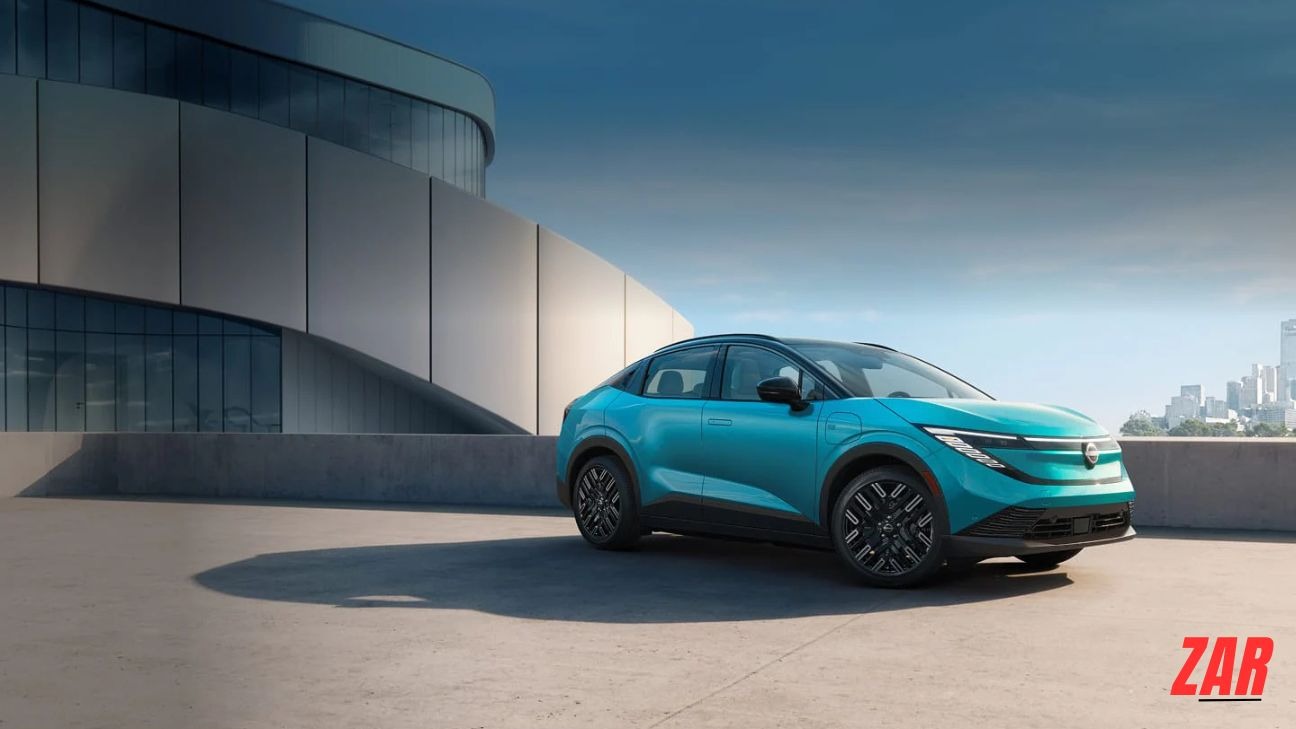
Nissan is taking another swing at the affordable EV segment, and this time, it’s coming out strong. The 2026 Nissan Leaf has been completely redesigned as a compact electric crossover SUV not just a facelift but a full transformation. With up to 303 miles (488 km) of EPA-estimated range, dual charging ports, faster charging times, and a starting price under $30,000 (~₦43,050,000) in the US, it’s one of the most accessible long-range EVs on the market. But while the world is buzzing, there’s one major gap: there’s no confirmed launch for Nigeria or most of Africa.
The new Leaf arrives at US dealerships in fall 2025, marking a major upgrade from its hatchback predecessor. The lineup starts with a 52 kWh base model (range to be confirmed by spring 2026) and tops out with a 75 kWh version capable of over 300 miles per charge. It’s quick, efficient, and purpose-built to compete with value-driven EVs like the Hyundai Kona Electric and Chevrolet Equinox EV.
Priced at $29,990 (~₦43,010,650) MSRP for the entry 75 kWh S+ trim, the Leaf manages to undercut nearly every rival in its segment. Independent early tests have already clocked 310+ miles in real-world highway use, hinting that Nissan’s official figures are conservative.
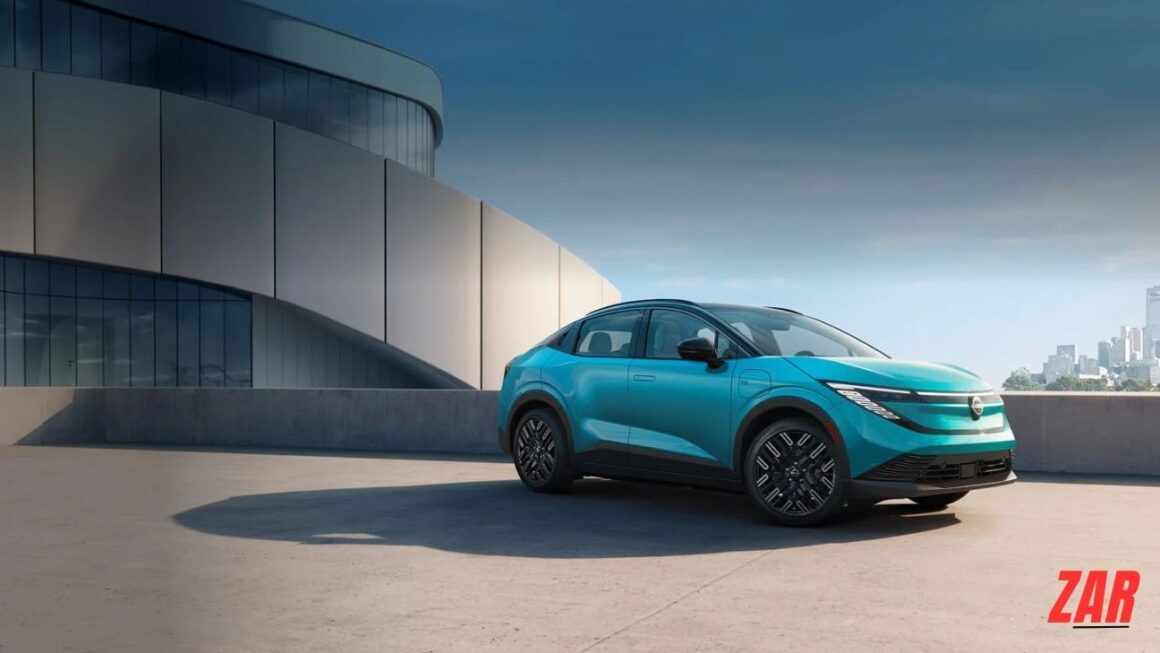
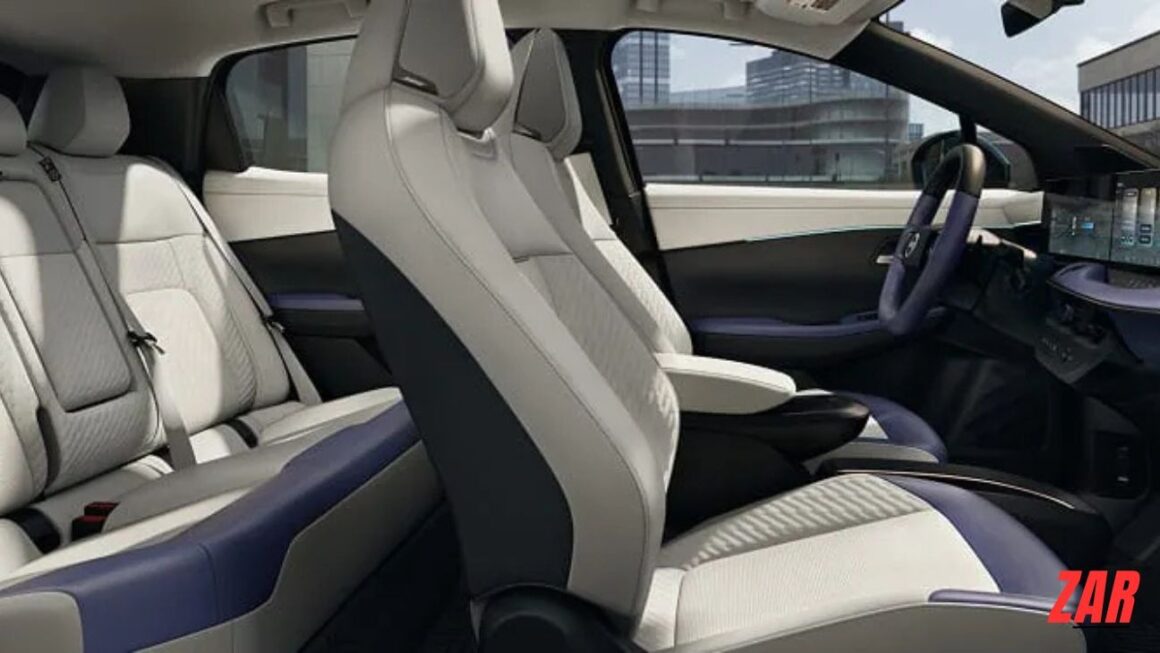
Beyond range and pricing, the new Leaf introduces SUV-inspired styling and serious tech. It’s longer, sleeker, and more aerodynamic with a 0.26 drag coefficient, flush door handles, and a coupe-like roofline. Inside, drivers get dual 12.3- to 14.3-inch displays, built-in Google apps, Bose premium audio (on higher trims), and a dimmable panoramic roof. Safety remains a core focus with Nissan Safety Shield 360, ProPILOT Assist, and full 360° camera coverage standard.
Under the hood or rather, under the floor the Leaf now runs a front-wheel-drive setup delivering 214 hp and 261 lb-ft of torque on the 75 kWh battery and 174 hp on the smaller pack. It supports 150 kW DC fast charging, taking the battery from 10% to 80% in around 35 minutes. Dual charging ports include both J1772 and NACS connectors, giving it native access to Tesla’s Supercharger network. Nissan also added Plug & Charge compatibility for seamless billing at public stations.
Cold-weather performance, a historic weakness for earlier Leaf models, gets a fix with an upgraded heat pump system and optional battery heater, improving efficiency and cabin comfort in colder climates. Cargo space also expands to 55.5 cubic feet, making it practical for small families or city commuters.
Globally, the focus remains on markets with existing EV infrastructure. Production from Nissan’s Sunderland, UK, plant indicates Europe is a top priority after the US rollout. International media drives have already been held in Denmark, with strong early reviews emphasizing its comfort, efficiency, and value-for-money. But when it comes to Africa and particularly Nigeria the trail goes cold.
Extensive searches across Nissan’s official sites, social media pages, and automotive press in Nigeria and South Africa show zero mentions of the 2026 Leaf. No teasers, dealer previews, or import confirmations exist. For context, Nigeria’s vehicle market fell 18.4% in the first half of 2025, according to Focus2Move, due to rising import costs, currency depreciation, and limited access to auto financing. That decline could open the door for affordable EVs but infrastructure challenges and high import duties continue to block large-scale introductions.
Historically, earlier-generation Leafs found their way into African markets through gray imports, often listed on platforms like EV24.africa. However, local pricing inflated by 200%+ due to logistics and tariffs makes even an affordable EV out of reach for most buyers. Until Nissan announces a local assembly plan or import incentive deal, the 2026 Leaf’s Nigerian debut remains unlikely before 2027 or later.
The broader story is clear: Nissan’s third-generation Leaf bridges the gap between affordability and capability. It delivers long range, modern tech, and a price tag that undercuts nearly every competitor. Yet, while it signals where global EV markets are heading, Nigeria’s absence from the rollout underscores how far emerging markets still have to go in EV readiness.
For now, local enthusiasts may have to rely on unofficial imports and deep wallets to get behind the wheel. But make no mistake, the 2026 Leaf is proof that affordable EVs are no longer a promise; they’re here, just not everywhere yet.