

Modern vehicles are becoming increasingly advanced, especially when it comes to safety technology. Over the past decade, manufacturers have introduced a wide range of driver-assistance features designed to reduce accidents, improve awareness, and make driving more comfortable.
One of the most useful and widely adopted technologies is BSM.
If you recently purchased a car, explored vehicle specifications online, or noticed a warning light on your dashboard, you may have asked yourself: what is BSM in a car?
BSM stands for Blind Spot Monitoring or Blind Spot Monitor. It is a vehicle safety system designed to help drivers detect cars, motorcycles, cyclists, or objects located in areas that cannot easily be seen through mirrors alone.
The system monitors the sides and rear corners of the vehicle and warns the driver whenever another vehicle enters a blind spot zone.
In simple terms, Blind Spot Monitoring acts like an extra pair of eyes while driving.
As traffic continues becoming denser and roads more crowded, BSM has become one of the most practical and important safety features available in modern vehicles.
Today, Blind Spot Monitoring is found in:
- Sedans
- SUVs
- Pickup trucks
- Electric vehicles
- Luxury cars
- Family crossovers
- Commercial vehicles
This guide explains everything drivers should know about BSM, including what it means, how it works, its benefits, limitations, common warning signs, and why it has become such an important feature in modern driving.
What Does BSM Mean in a Car?
BSM means Blind Spot Monitoring.
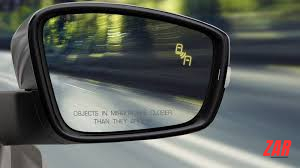
Blind Spot Monitoring is an electronic driver-assistance system that helps drivers identify nearby vehicles traveling in areas that are difficult to see using side mirrors or rearview mirrors.
Every car has blind spots.
Even when mirrors are adjusted properly, certain zones around the vehicle remain partially hidden from the driver’s direct line of sight.
These hidden areas become especially dangerous during:
- Lane changes
- Highway merging
- Overtaking other vehicles
- Multi-lane traffic navigation
- High-speed driving
- Heavy urban traffic
The primary purpose of BSM is to reduce the risk of accidents caused by drivers unintentionally moving into occupied lanes.
When another vehicle enters the monitored area, the system alerts the driver through visual, audible, or physical warnings.
More advanced systems may even help prevent unsafe lane changes automatically.
What Is a Blind Spot?
A blind spot is an area around a vehicle that cannot be fully seen using standard mirrors.
Blind spots usually exist:
- Along the rear-left side of the car
- Along the rear-right side of the car
- Slightly behind the vehicle
These areas vary depending on:
- Vehicle size
- Mirror angle
- Window design
- Driver seating position
- Vehicle height
Larger vehicles tend to have much bigger blind spots.
This is why SUVs, trucks, vans, and buses often benefit significantly from Blind Spot Monitoring systems.
Even skilled and experienced drivers can occasionally miss:
- Fast-moving vehicles
- Motorcycles
- Cyclists
- Small cars
- Vehicles hidden beside larger trucks
Blind Spot Monitoring helps reduce these risks by constantly checking surrounding traffic conditions.
How Does Blind Spot Monitoring Work?
Blind Spot Monitoring systems use electronic sensors mounted around the vehicle to detect nearby traffic.
Most modern systems rely primarily on radar-based sensors installed inside or near the rear bumper.
Some advanced systems also combine:
- Radar technology
- Ultrasonic sensors
- Cameras
- Artificial intelligence processing
- Vehicle motion tracking
These sensors continuously scan nearby lanes while the vehicle is moving.
When another vehicle enters the monitored blind spot area, the system immediately sends an alert to the driver.
Common Types of BSM Alerts
Different manufacturers use different warning methods.
Depending on the vehicle, Blind Spot Monitoring warnings may include:
- Warning lights on side mirrors
- Flashing mirror indicators
- Dashboard notifications
- Audible beeping sounds
- Steering wheel vibrations
- Seat vibrations
- Steering correction assistance
In most vehicles, a warning light appears on the side mirror whenever another vehicle enters the blind spot.
If the driver activates the turn signal while another car is still detected nearby, the warning often becomes more aggressive through flashing lights or audible alarms.
Some advanced vehicles can even apply slight steering correction to prevent unsafe lane changes.
Why Blind Spot Monitoring Is Important
Blind Spot Monitoring addresses one of the most common causes of road accidents: unsafe lane changes.
Many collisions happen simply because drivers fail to notice another vehicle traveling beside them.
This risk increases during:
- Highway driving
- Rush-hour traffic
- Rainy weather
- Night driving
- Driver fatigue
- Distracted driving
- High-speed overtaking
BSM helps improve awareness in these situations by continuously monitoring adjacent lanes.
Real-World Safety Benefits of BSM
Blind Spot Monitoring provides several practical safety advantages.
Increased Driver Awareness
The system immediately alerts drivers when another vehicle is nearby.
This extra awareness can help prevent dangerous lane-change mistakes.
Reduced Side-Swipe Collisions
Many side-impact crashes happen because drivers fail to see another car in their blind spot.
BSM reduces the likelihood of these accidents.
Better Highway Driving Confidence
Long-distance highway driving often involves constant lane changes.
Blind Spot Monitoring can make these maneuvers feel safer and less stressful.
Enhanced Safety for Larger Vehicles
Larger vehicles naturally have bigger blind spots.
Electronic monitoring systems become especially valuable in SUVs and trucks.
Improved Night Driving Visibility
At night, mirrors may not provide perfect visibility.
BSM sensors continue monitoring nearby traffic even in low-light conditions.
Different Types of Blind Spot Monitoring Systems
Not all Blind Spot Monitoring systems work exactly the same way.
Different manufacturers implement the technology differently depending on the vehicle model, price range, and safety package.
Standard Blind Spot Warning Systems
This is the most basic version.
The system detects nearby vehicles and displays a warning light on the side mirror.
The driver still controls all driving decisions.
Active Blind Spot Assist
More advanced systems actively help prevent unsafe lane changes.
If the driver begins steering into an occupied lane, the vehicle may:
- Apply light steering correction
- Use selective braking
- Resist lane departure
- Vibrate the steering wheel
Different manufacturers use different names for this technology, including:
- Blind Spot Assist
- Active Blind Spot Assist
- Blind Spot Collision Avoidance
- Blind Spot Intervention
Camera-Based Blind Spot Systems
Some newer vehicles display live camera feeds whenever the driver activates the turn signal.
These camera views may appear:
- On the infotainment screen
- Inside the digital instrument cluster
- On dashboard displays
This gives drivers a real-time visual of adjacent lanes.
Rear Cross Traffic Alert Integration
Many Blind Spot Monitoring systems are paired with Rear Cross Traffic Alert.
This feature helps drivers detect approaching vehicles when reversing out of parking spaces.
It is especially useful in crowded parking lots where visibility is limited.
Which Parts of the Car Control BSM?
Blind Spot Monitoring relies on several interconnected vehicle components.
These may include:
- Radar sensors
- Rear bumper modules
- Electronic control units
- Side mirror indicators
- Dashboard warning systems
- Cameras in advanced models
Most radar sensors are installed inside the rear bumper because that location provides a wide detection range for nearby traffic.
If the bumper becomes damaged in an accident, the BSM system may require recalibration.
Common Signs Your Car Has BSM
Many drivers own vehicles equipped with Blind Spot Monitoring without fully understanding the feature.
Some common signs your vehicle has BSM include:
- Small warning icons on side mirrors
- “BSM” labels on dashboard controls
- Safety feature settings in the infotainment system
- Flashing mirror lights during lane changes
- Audible warnings near surrounding traffic
Some cars also allow drivers to customize:
- Alert sensitivity
- Warning volume
- Visual notifications
- Steering intervention settings
Does Blind Spot Monitoring Work All the Time?
No.
Although Blind Spot Monitoring is highly useful, it still has limitations.
Several environmental and technical factors can affect system performance.
Weather Conditions
Heavy rain, fog, snow, or dust can reduce sensor accuracy.
Dirty Sensors
Mud, dirt, or debris covering the radar sensors may prevent proper detection.
Sharp Road Curves
Curved roads can temporarily affect how sensors track nearby vehicles.
Small Objects
Some systems may struggle to detect bicycles or extremely small motorcycles consistently.
Sensor Damage
Minor rear bumper damage can affect sensor alignment and reduce reliability.
High-Speed Closing Traffic
Very fast-moving vehicles may enter the blind spot faster than the system can respond perfectly.
Because of these limitations, manufacturers clearly state that BSM is an assistance feature — not a replacement for careful driving.
Drivers should still:
- Check mirrors manually
- Look over their shoulder
- Use turn signals properly
- Stay aware of traffic conditions
- Maintain safe driving habits
Can Blind Spot Monitoring Prevent Accidents?
Blind Spot Monitoring can significantly reduce accident risk, but it cannot completely prevent collisions.
The system improves awareness and helps reduce human error, especially during lane changes.
Research from organizations such as the Insurance Institute for Highway Safety suggests that blind spot detection systems can help reduce certain types of crashes.
However, no electronic system is perfect.
Drivers remain fully responsible for operating their vehicles safely.
BSM should always be viewed as a support tool rather than a fully autonomous driving feature.
Difference Between BSM and Other Car Safety Features
Many drivers confuse Blind Spot Monitoring with other advanced safety systems.
Although these technologies may work together, they serve different purposes.
BSM vs Lane Keep Assist
Blind Spot Monitoring detects nearby vehicles in adjacent lanes.
Lane Keep Assist helps keep the vehicle centered inside its current lane.
BSM vs Parking Sensors
Parking sensors help detect nearby objects during parking.
BSM focuses mainly on moving traffic during normal driving.
BSM vs Rear Cross Traffic Alert
Rear Cross Traffic Alert monitors approaching traffic while reversing.
Blind Spot Monitoring primarily works during forward driving and lane changes.
BSM vs Forward Collision Warning
Forward collision systems monitor vehicles directly ahead.
BSM focuses on side and rear-side awareness.
Which Cars Have Blind Spot Monitoring?
Blind Spot Monitoring is now widely available across multiple vehicle categories.
Manufacturers offering BSM in many of their models include:
- Toyota
- Honda
- Hyundai
- Kia
- BMW
- Mercedes-Benz
- Ford
- Nissan
- Mazda
- Volkswagen
- Subaru
- Chevrolet
In many newer vehicles, BSM is becoming standard rather than optional.
Luxury cars often include more advanced versions with steering intervention and camera systems.
What Happens When the BSM Warning Light Comes On?
If the BSM warning light remains illuminated unexpectedly or displays an error message, the system may require attention.
Common causes include:
- Dirty sensors
- Sensor blockage
- Rear bumper damage
- Electrical issues
- Calibration problems
- Severe weather interference
Some common warning messages include:
- “Blind Spot Monitoring Unavailable”
- “Check BSM System”
- “BSM Sensor Blocked”
- “Blind Spot Assist Inoperative”
Cleaning the sensors may solve the issue temporarily.
If warnings continue appearing, professional diagnosis may be necessary.
Can Blind Spot Monitoring Be Added to Older Cars?
Yes, aftermarket Blind Spot Monitoring kits are available for older vehicles.
These systems usually include:
- External radar sensors
- Side mirror indicators
- Warning buzzers
- Camera integrations in some models
However, factory-installed systems are generally more accurate and better integrated into the vehicle’s electronic systems.
Aftermarket kits may vary significantly in quality and reliability.
Is Blind Spot Monitoring Worth It?
For many drivers, absolutely.
Blind Spot Monitoring is considered one of the most useful modern vehicle safety technologies because it addresses a real-world driving challenge experienced daily.
BSM is especially beneficial for:
- Highway commuters
- Long-distance travelers
- New drivers
- Older drivers
- SUV owners
- Pickup truck drivers
- Urban drivers navigating heavy traffic
Even experienced drivers appreciate the additional awareness and confidence the system provides.
Limitations of Blind Spot Monitoring
Despite its many benefits, Blind Spot Monitoring still has some drawbacks.
False Alerts
Occasionally, the system may warn drivers unnecessarily.
Expensive Repairs
Radar sensors and electronic modules can be expensive to repair after accidents.
Sensor Dependence
The technology depends heavily on clean and properly functioning sensors.
Driver Overreliance
Some drivers may become too dependent on electronic assistance and neglect proper visual checks.
This is why manufacturers repeatedly remind drivers that BSM is only an assistance tool.
The Future of Blind Spot Technology
Blind Spot Monitoring continues evolving alongside broader automotive technology trends.
Future systems are expected to become more advanced through:
- Artificial intelligence integration
- Improved radar precision
- 360-degree vehicle awareness
- Autonomous driving support
- Smarter pedestrian detection
- Better cyclist recognition
- Enhanced motorcycle detection
Many modern driver-assistance systems are gradually merging into larger semi-autonomous driving ecosystems.
As vehicles become increasingly connected and intelligent, blind spot detection technology will likely become even more accurate and proactive.
Final Thoughts
BSM in a car refers to Blind Spot Monitoring, a driver-assistance safety technology designed to help drivers detect vehicles in hard-to-see areas beside and behind the vehicle.
By monitoring adjacent lanes and providing warnings during lane changes, the system helps improve awareness and reduce the likelihood of side-impact collisions.
As vehicle safety technology continues advancing, Blind Spot Monitoring has become one of the most practical and widely adopted safety systems available in modern automobiles.
Although it does not replace careful driving, mirror checks, or shoulder checks, BSM adds an important extra layer of awareness that can make driving safer, smoother, and less stressful in everyday traffic situations.