

In today’s economic climate, buying a car in Nigeria is only half the battle; keeping it on the road is where the real financial test begins. With petrol prices sitting firmly around the ₦1,170–₦1,260 per litre mark at Lagos pumps (and often much higher upcountry), the cost of daily mobility has shifted dramatically.
Whether you are a first-time buyer, a 9-to-5 commuter battling the infamous Lagos traffic, or an e-hailing (Uber/Bolt) driver maximizing profit, your priority in 2026 is simple: you need a vehicle that absolutely refuses to drain your bank account. In Nigeria, a “low running cost” car is defined by three strict criteria: exceptional fuel economy, the widespread availability of cheap spare parts (thanks to hubs like Ladipo and Trade Fair markets), and a rugged reliability capable of surviving our notorious potholes, dust, and variable fuel quality.
Based on consensus from Nigerian auto experts, local mechanics, and 2026 market data, WheelZAR brings you the definitive guide to the cheapest cars to maintain in Nigeria.
The 2026 Reality Check: True Cost of Car Ownership
Before we dive into the specific models, it is crucial to set realistic expectations for running a budget economy car (doing about 12,000 to 15,000 km annually) in Nigeria today:
- Fuel (The Biggest Expense): At current prices, a car getting 10 km/L will cost you over ₦1.5 million annually just in petrol. This makes fuel efficiency the #1 factor in ownership costs.
- Routine Servicing (₦150,000–₦300,000/year): Because of severe dust, intense heat, and variable fuel quality, Nigerian mechanics highly recommend oil and filter changes every 4,000–5,000 km, rather than the manufacturer’s 10,000 km manual standard.
- Wear and Tear (₦50,000–₦200,000/year): Nigerian roads eat through suspension bushings, shocks, and tyres. Expect to replace these more frequently.
- Average Parts Pricing: Oil and filters range from ₦5,000 to ₦40,000 depending on synthetic quality. Quality brake pads sit between ₦15,000 and ₦50,000, while a reliable battery commands ₦30,000 to ₦100,000.
Factoring in fuel, maintenance, third-party insurance, and paperwork, a budget car owner in Nigeria today typically spends between ₦1.2 million and ₦1.6 million annually. Here are the cars that help you stay at the absolute bottom of that price range.
The 5 Cheapest Cars to Maintain in Nigeria
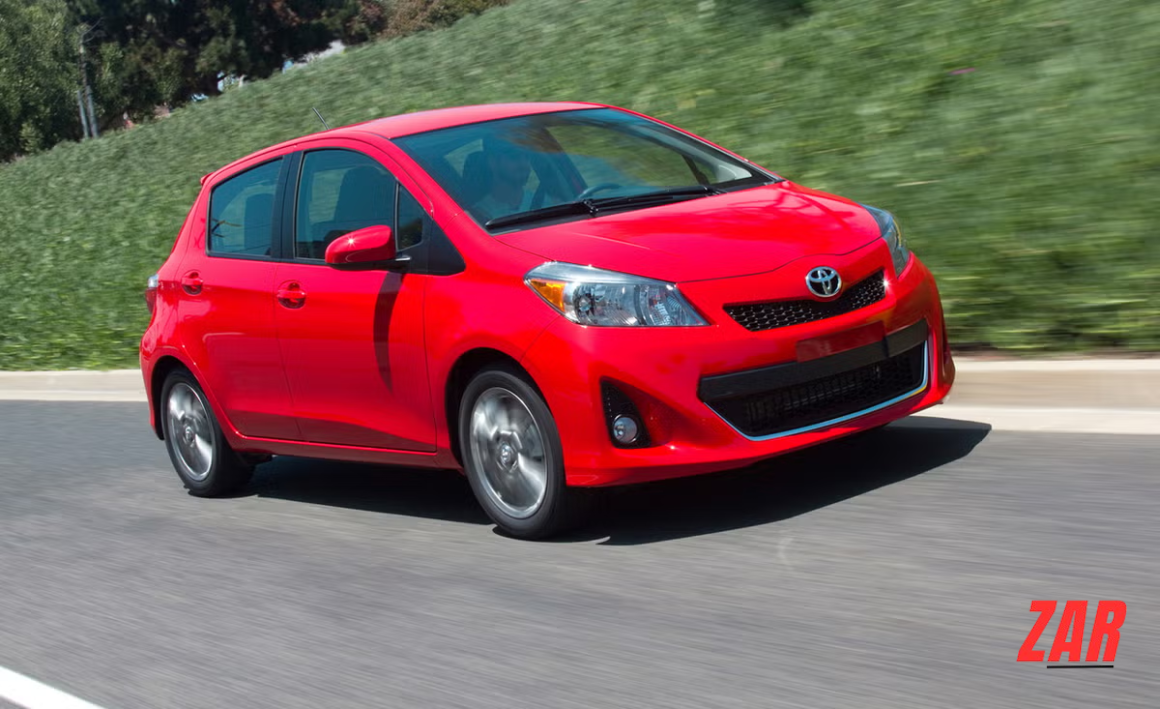
1. Toyota Yaris (2005–2012 Models)
The Ultimate City Commuter
- Estimated Purchase Price (Tokunbo): ₦2.0M – ₦4.0M
- Fuel Economy: 14–17 km/L (Urban) / 19–23 km/L (Highway)
- Estimated Monthly Maintenance: ₦10,000 – ₦25,000
Often cited by mechanics as having the absolute lowest running costs in the entire country, the Toyota Yaris is a masterclass in automotive simplicity.
Why it’s so cheap to maintain:
The secret to the Yaris is its highly compact, brilliantly engineered 1.3L or 1.5L engine (such as the legendary 2NZ-FE). Because the engine bay lacks the complex, fragile electronics and sensors found in modern luxury vehicles, very little can actually go wrong. If a water pump or alternator does fail, a replacement from Ladipo market costs a fraction of what you would pay for a larger sedan. With unparalleled fuel economy, the Yaris is the perfect antidote to ₦1,200/litre petrol. You can comfortably idle in Third Mainland Bridge traffic knowing you are sipping, not gulping, fuel. Its main downside is a lack of highway passing power and a cramped cabin, but for pure, unadulterated cheap city driving, it is completely unbeatable.
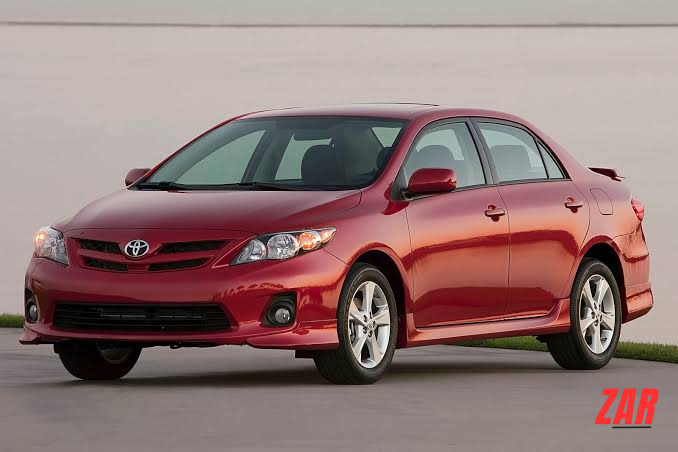
2. Toyota Corolla (2003–2012 / E120–E150 Generations)
The Undisputed King of Nigerian Roads
- Estimated Purchase Price (Tokunbo): ₦1.7M – ₦6.5M (Varies heavily by year/condition)
- Fuel Economy: 11–14 km/L (Urban) / 15–18 km/L (Highway)
- Estimated Monthly Maintenance: ₦15,000 – ₦30,000
If Nigeria had a national car, it would be the Toyota Corolla. Universally hailed for its perfect balance of space, comfort, and rock-bottom running costs, it is the default recommendation for first-time buyers and commercial drivers alike.
Why it’s so cheap to maintain:
The Corolla’s greatest asset is its ubiquity. Because there are millions of them on the road, an enormous secondary market for affordable OEM, aftermarket, and Tokunbo parts has developed. Every single mechanic from Lagos to Maiduguri knows how to tear down and rebuild a 1ZZ-FE or 2ZR-FE engine blindfolded. Suspension parts—which take a beating on Nigerian roads—are incredibly cheap to replace. Furthermore, Corollas regularly cross the 300,000 km mark with nothing more than basic oil changes and preventative care. While routine annual maintenance might hit ₦150,000, its exceptionally high resale value further drives down your effective long-term cost. It is a financial safe haven on four wheels.
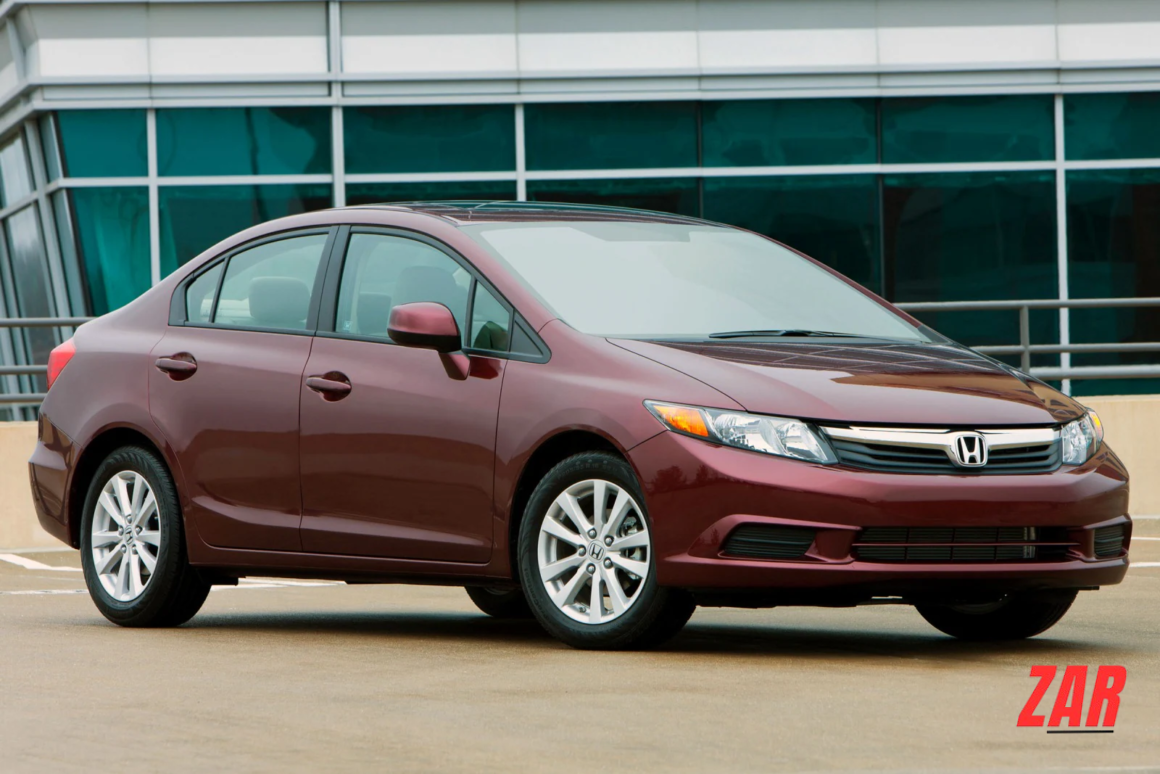
3. Honda Civic (1999–2012 Models)
The Driver’s Economy Choice
- Estimated Purchase Price (Tokunbo): ₦2.5M – ₦5.8M
- Fuel Economy: 10–13 km/L (Urban) / 14–16 km/L (Highway)
- Estimated Monthly Maintenance: ₦16,000 – ₦30,000
A very close second to the Corolla, the Honda Civic provides a significantly more engaging, sportier driving experience while strictly adhering to budget-friendly ownership costs.
Why it’s so cheap to maintain:
Honda’s R-series engines (like the R18 found in the 2006-2011 models) are virtually bulletproof if given clean oil. The Civic shares a massive parts ecosystem similar to Toyota, though you might occasionally find Civic parts to be 10% to 20% more expensive than direct Corolla equivalents. However, the overall frequency of repair is astonishingly low. The Civic is for the buyer who wants low costs but doesn’t want to drive the exact same car as everyone else. Pro Tip: If you buy a later model, you absolutely must be diligent about transmission maintenance. Honda CVTs require fluid servicing every 50k–60k km (costing around ₦35k–₦70k) to survive the stop-and-go Nigerian heat. Skip this, and your “cheap” car becomes very expensive.
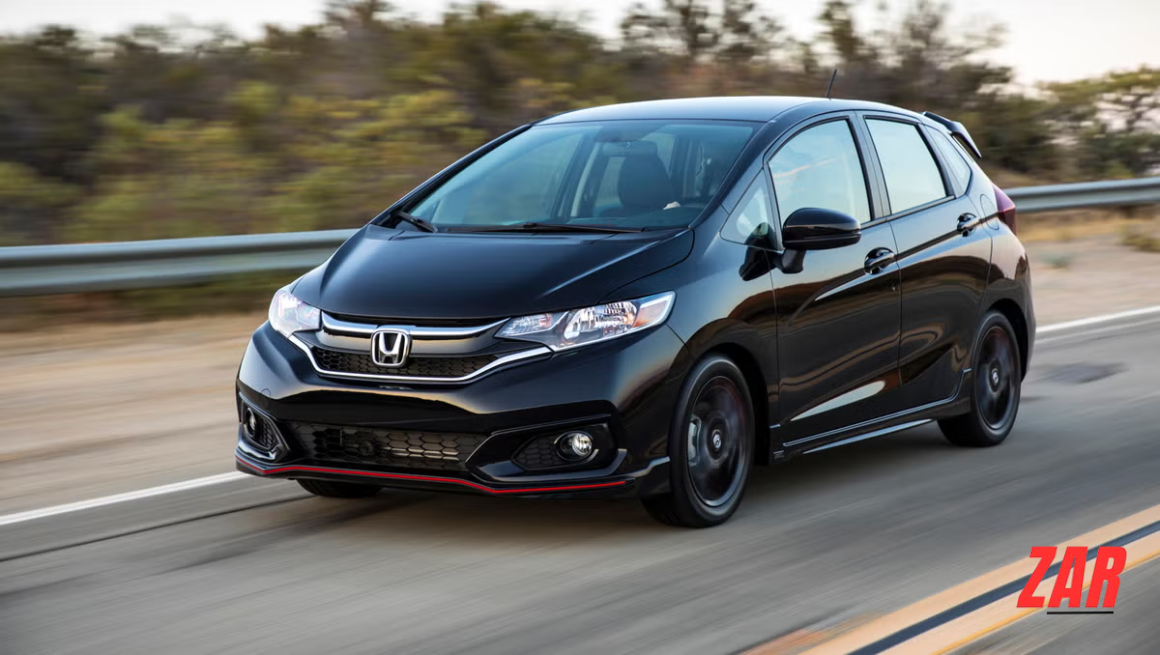
4. Honda Fit (Jazz)
The Subcompact Space Marvel
- Estimated Purchase Price (Tokunbo): ₦2.0M – ₦4.5M
- Fuel Economy: 16–22 km/L (Combined)
- Estimated Monthly Maintenance: ₦12,000 – ₦25,000
The Honda Fit routinely flies under the radar, but automotive insiders know it as one of the best-kept secrets for low-cost motoring in West Africa.
Why it’s so cheap to maintain:
Sharing Honda’s legendary build quality, the Fit utilizes small, highly efficient engines (the L-series) that require very little oil and put minimal stress on braking and suspension components due to the car’s light weight. Delivering an astonishing real-world 16–22 km/L, the Fit saves you hundreds of thousands of Naira at the petrol pump each year. Thanks to Honda’s “Magic Seats,” the interior space punches way above its weight class, offering SUV-like cargo flexibility without the heavy SUV maintenance bills.
5. Hyundai Accent / Kia Rio
The Rising Korean Stars
- Estimated Purchase Price (Tokunbo): ₦2.3M – ₦4.5M
- Fuel Economy: 12–15 km/L (Urban) / 17–20 km/L (Highway)
- Estimated Monthly Maintenance: ₦12,000 – ₦30,000
Over the last decade, Korean automakers have aggressively improved their reliability. The Hyundai Accent and its mechanical twin, the Kia Rio, have officially earned their spot as excellent budget alternatives to the traditional Japanese staples.
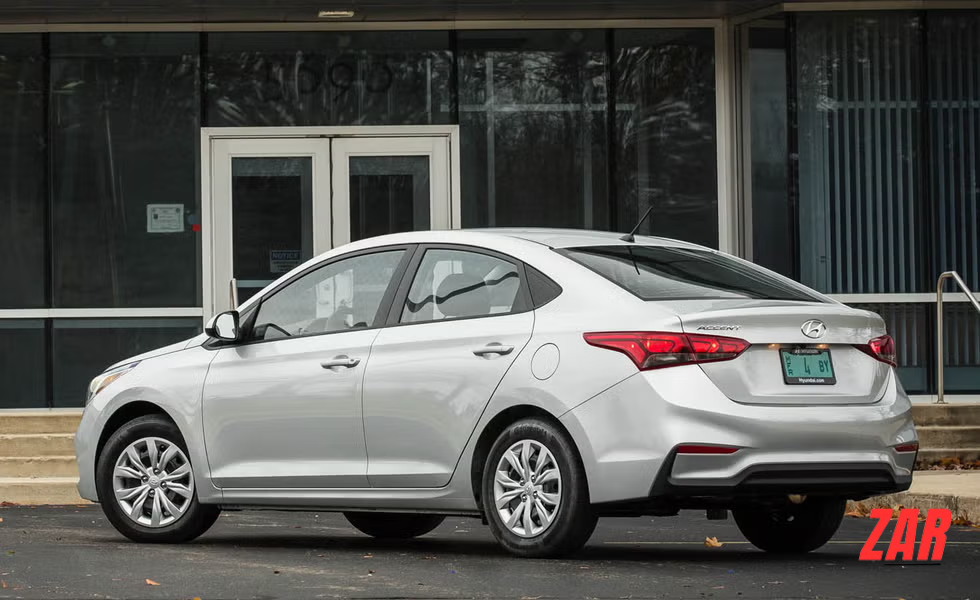
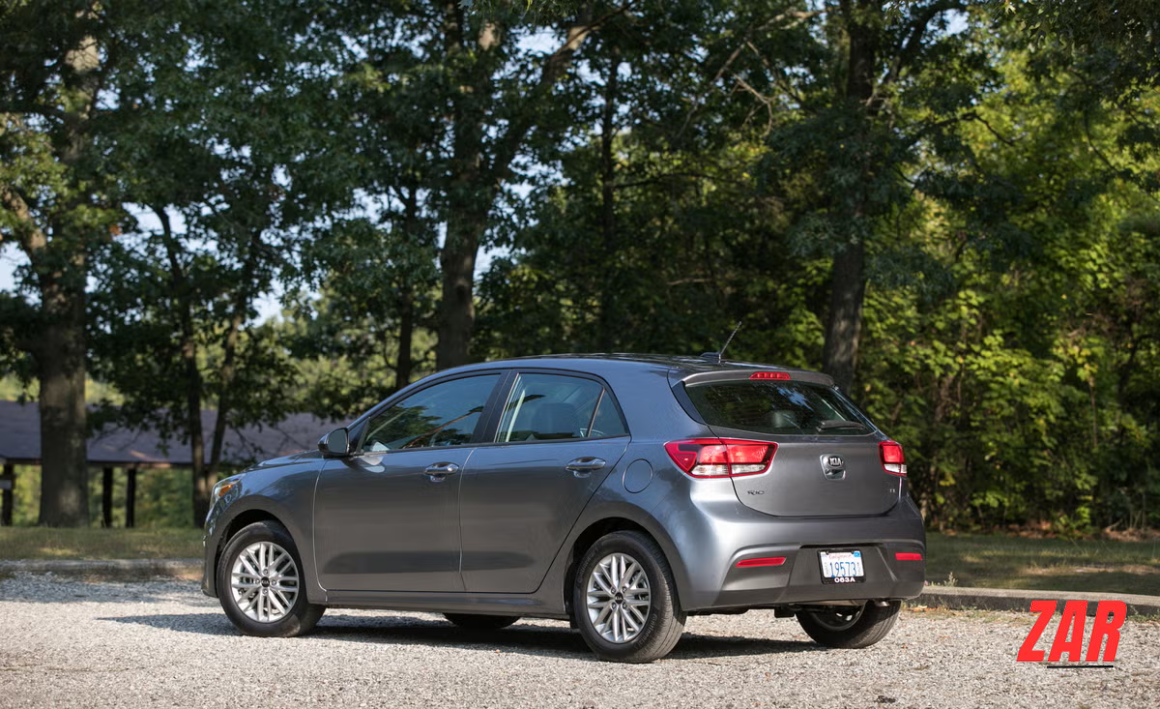
Why they are so cheap to maintain:
First, they offer a much lower entry purchase price compared to a similarly aged Toyota, allowing buyers to get a newer model year for the same money. Their 1.4L and 1.6L engines are highly efficient and surprisingly durable. Furthermore, parts availability in major cities like Abuja, Port Harcourt, and Lagos has grown exponentially, driving repair prices down. These are fantastic value propositions. The only caveat is location: while parts are cheap and easy to find in Lagos, sourcing specific components in remote Nigerian towns might incur shipping costs or mechanic downtime compared to a ubiquitous Corolla.
Honorable Mentions for Low Running Costs
- Toyota Matrix / Pontiac Vibe: Built entirely on the legendary Corolla platform, these models offer hatchback practicality while sharing the exact same cheap parts and unkillable reliability.
- Toyota RAV4 (2001–2012): If you absolutely must have an SUV for bad roads, the RAV4 is the cheapest to maintain. It utilizes the Toyota sedan ecosystem, though you should expect its larger tyres and heavier suspension parts to cost a bit more than a Corolla’s.
- Older Toyota Camry (1999–2011): The “Pencil Light,” “Big Daddy,” and “Muscle” are classic, reliable workhorses. However, their larger 2.4L/2.5L engines consume more fuel, pushing their daily running costs just above our top 5 compacts.
Pro Tips for the Lowest Total Cost of Ownership
To ensure you actually experience these low running costs, follow these golden rules:
- Avoid Rare Trims: Stick to the most popular, high-volume model years (e.g., standard LE or XLE trims). If you buy a rare imported trim with complex tech, you will pay a premium for scarce parts.
- Service Proactively: The owner’s manual wasn’t written for Nigerian heat, dust, and gridlock. Change your oil, filters, and coolant before they are due. A ₦10,000 air filter change is vastly cheaper than engine surgery.
- Beware of Fake Parts: The market is flooded with counterfeit spares. Buying ultra-cheap, fake brake pads or inferior suspension bushings means you will replace them three times as often, ultimately costing you more in parts and repeat labor.
- Get a Pre-Purchase Inspection (PPI): Never buy a Tokunbo or Nigerian-used car without an independent mechanic verifying its health. A “cheap” car with a dying transmission is a financial trap.
Frequently Asked Questions (FAQs)
Which SUV is the cheapest to maintain in Nigeria?
The Toyota RAV4, particularly models from the early 2000s up to 2012. It shares many mechanical characteristics with Toyota sedans, meaning parts are abundant and mechanics understand it perfectly.
Are European cars expensive to maintain in Nigeria?
Generally, yes. Brands like Mercedes-Benz, BMW, and Audi are significantly more expensive to maintain. This is due to parts scarcity, reliance on imported components, the need for highly specialized labor, and sensitive electronic systems that are less tolerant of harsh local road conditions.
Why is Toyota always considered the cheapest brand in Nigeria?
It strictly comes down to volume. Because Toyotas are so popular, an enormous secondary market for affordable parts has developed. Consequently, every mechanic in the country knows how to repair them, which drives labor costs down due to competition.
Conclusion
Navigating the Nigerian automotive landscape in 2026 requires strict financial strategy. With fuel prices taking up the lion’s share of your vehicle budget, choosing a compact, efficient car like the Toyota Yaris, Corolla, or Honda Fit ensures that when things inevitably wear out on our roads, your wallet won’t be left completely empty. Stick to the proven workhorses, maintain them proactively, and enjoy the peace of mind that comes with true automotive reliability.
Looking to buy your next car or need more auto insights? Stay tuned to WheelZAR for the latest in African mobility, car reviews, and transport innovation!


