Mercedes-Benz cars command significantly higher prices than Toyota models due to fundamental differences in brand strategy, engineering philosophy, production economics, and target market positioning. Even when comparing entry-level luxury sedans like the Mercedes-Benz C-Class (starting around 70 million Naira ($51,000) to 74.8 million Naira ($54,500) MSRP depending on the market and year) to mainstream rivals like the Toyota Camry (starting around 41.2 million Naira ($30,000) to 48 million Naira ($35,000)), the gap reflects more than just a “badge tax.”
Mercedes focuses on luxury, status, exclusivity, and refinement, while Toyota emphasizes reliability, practicality, affordability, and mass-market accessibility. This leads to radically different approaches in the 4Ps of marketing (product, price, place, promotion) and overall value delivery.
Here are 10 well-researched reasons drawn from industry analyses, manufacturing data, and expert discussions why a Benz commands such a steep premium over a Toyota.
1. Premium Brand Positioning and Prestige
First and foremost, Mercedes-Benz positions itself as a luxury and status symbol. Buying a Benz is often viewed as a reward for success, targeting demographics that value exclusivity and a premium lifestyle. Because the brand carries immense social weight, Mercedes employs a premium pricing strategy justified by heritage and craftsmanship.
Toyota, on the other hand, targets a broad, global audience with an emphasis on family appeal and everyday utility. Toyota’s competitive pricing is enabled by massive scale. Ultimately, buyers willingly pay a premium for the three-pointed star because of the prestige it signals to the world.
2. Superior Materials and Craftsmanship
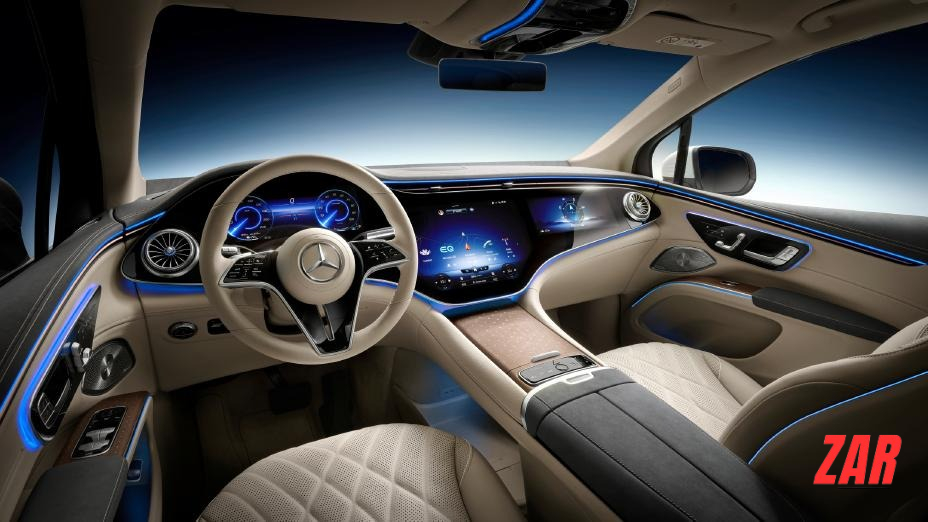
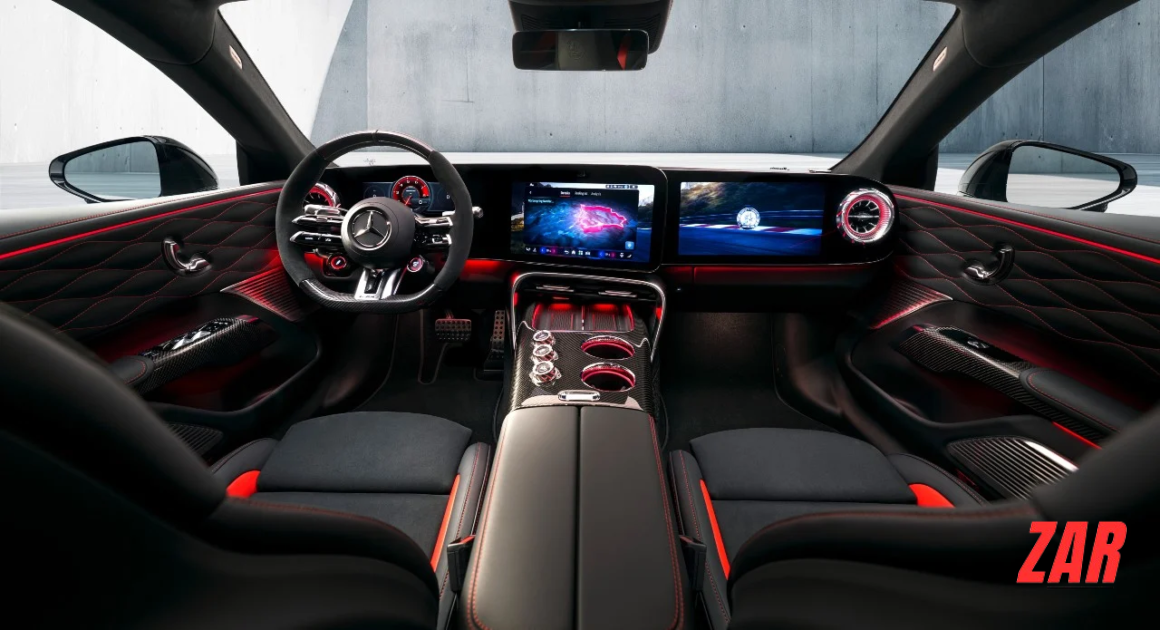
Step inside a modern Mercedes-Benz, and you are greeted by an opulent, tech-forward cabin. You will find high-end, genuine materials: premium Nappa leather, quilted stitching, real open-pore wood or brushed aluminum trim, and customizable ambient lighting. The tactile feel of every button and dial is meticulously engineered.
Toyota prioritizes durability, functionality, and cost-effectiveness. The dashboard and controls are impeccably built to last a lifetime, but they lean toward utilitarian plastics and durable fabrics optimized for easy maintenance. The raw cost of the materials used in a Mercedes cabin is simply much higher.

3. Advanced Technology and Features
Mercedes-Benz operates on the bleeding edge of automotive technology. Their models are packed with complex systems like the MBUX infotainment interface featuring massive, glass-covered “Hyperscreens,” augmented reality navigation, advanced autonomous driving assists, and high-end audio systems like Burmester.
While Toyota offers incredibly strong safety suites (like Toyota Safety Sense) and continually improves its infotainment, Mercedes provides highly sophisticated, specialized equipment either as standard or optional that requires immense capital to develop and integrate.
4. Refined Engineering, Performance, and Ride Quality
A luxury car must feel like a luxury car on the road. Mercedes places a heavy emphasis on superior ride comfort, dynamic handling, and aggressive NVH (Noise, Vibration, and Harshness) insulation. From adaptive air suspension systems that read the road ahead to complex, high-output engine designs, a Benz is engineered to isolate occupants from the outside world while delivering an engaging drive.
Toyota excels in building efficient, bulletproof, and reliable powertrains. However, they generally prioritize everyday usability, fuel economy, and longevity over outright acoustic refinement or aggressive sportiness.
5. Extensive Customization and Personalization Options
When you buy a Toyota, you generally pick from a few well-equipped trim levels (e.g., LE, XLE, XSE) and a handful of colors. This streamlines production and keeps costs low.
Mercedes-Benz offers a vast array of bespoke options. Buyers can choose from dozens of interior color combinations, unique wood trims, specialized seating packages (like massaging or ventilated seats), and AMG performance upgrades. This level of factory flexibility slows down production lines and significantly increases the final transaction price of the vehicle.
6. Higher Manufacturing and Labor Costs
European luxury brands inherently face higher production costs. The labor cost per vehicle for a brand manufacturing heavily in Germany is notably higher, often averaging 2.7 million Naira+ ($2,000+) per car due to wages, union regulations, and the time required for luxury assembly.
Mainstream Japanese manufacturers operate with labor costs closer to 960,000 Naira to 1.2 million Naira ($700–$900) per vehicle. Toyota specifically relies on the renowned Toyota Production System (TPS), a lean, high-volume manufacturing philosophy that practically invented modern factory efficiency, allowing them to keep individual car prices low.
7. Significant Research & Development Investment
Historically, luxury automakers are the pioneers of the industry. Mercedes-Benz allocates staggering resources often 11 trillion Naira to 12.3 trillion Naira ($8 to $9 billion) annually into Research and Development. They are consistently pushing the boundaries of electrification, software architecture, and active safety. Features like ABS and airbags were pioneered in flagship luxury cars long before they became mainstream. These massive R&D costs are recouped through higher vehicle sticker prices.
Toyota also invests heavily in R&D, but because they sell roughly 10 million cars a year, they can spread that cost across a massive global volume.
8. Premium Dealership Network and Customer Experience
The luxury experience doesn’t start when you turn the key; it starts when you walk through the dealership doors. Mercedes-Benz maintains selective, high-end dealerships designed to offer a VIP buying and ownership journey. From luxurious showroom architecture to premium loaner vehicles and personalized concierges, the overhead required to maintain this network is immense. Toyota’s extensive network is built for high volume, fast turnover, and maximum accessibility.
9. Targeted Higher Profit Margins
Business models dictate pricing. Luxury brands are structured to achieve stronger per-unit profitability. While a high-end Mercedes might cost tens of thousands of dollars to manufacture, it is sold for a significant markup to support brand investments, marketing, and profit margins.
Toyota’s business model relies on the exact opposite: thinner margins per vehicle, made up for by selling millions of units worldwide.
10. Heritage, Exclusivity, and Perceived Long-Term Value
Mercedes-Benz carries a 120-year legacy of pioneering automotive excellence. It is a brand deeply woven into global culture as a symbol of achievement. This exclusivity allows them to command a premium.
Toyota’s strength is entirely different but equally valid: proven, unmatched reliability. While a Toyota doesn’t carry a “status premium,” it holds its value exceptionally well on the used market.
Which Approach Wins?
Price examples underscore the gap: A new C-Class often starts 27.4 million Naira+ ($20,000+) above a comparably equipped Camry, reflecting the cumulative effect of the above factors.
Trade-offs matter:
- Choose Mercedes-Benz if: You prioritize luxury refinement, advanced tech, social status, driving enjoyment, and customization. It delivers a deeply premium daily experience.
- Choose Toyota if: You want a lower upfront cost, exceptional reliability, lower maintenance and ownership costs over time, strong resale value, and sheer practicality. When it comes to Total Cost of Ownership (TCO), Toyota almost always wins.
Long-term considerations: Mercedes vehicles can have higher service costs due to specialized parts and labor, and they typically depreciate faster than Toyotas. While well-maintained premium parts offer a lasting prestige experience, Toyota generally leads in hassle-free ownership.
Ultimately, Mercedes-Benz costs more because it is more in materials, engineering ambition, brand equity, and emotional experience. Toyota delivers outstanding value through efficiency and dependability. The “better” choice simply depends on whether your budget prioritizes the emotional thrill of luxury prestige or the reliable everyday economics of mass-market excellence.