

The global market for automotive lubricants is currently facing a sophisticated challenge: the rise of high-quality counterfeit products. Fake engine oil, often recycled waste oil or low-grade mineral oil packaged in branded containers can reduce an engine’s lifespan by up to 50% through accelerated wear, sludge buildup, and thermal breakdown. For vehicle owners and fleet managers, the ability to distinguish between genuine synthetic lubricants and illicit imitations is no longer just a matter of maintenance; it is a critical step in asset protection.
 Powering performance,one drop at a time,Image source-SlashGear
Counterfeiters have evolved beyond crude labels and leaky seals. Today’s illicit operations use advanced printing technology and high-quality bottle molds that mirror those of major manufacturers like Shell, Mobil 1, and Castrol. However, while the packaging may look authentic, the chemical composition inside is almost always incapable of meeting the Society of Automotive Engineers (SAE) standards required for modern internal combustion engines.
The Composition of Counterfeit Lubricants
To understand why fake engine oil is so damaging, one must understand what is missing from its formulation. A standard, high-quality engine oil consists of approximately 80% base oil and 20% chemical additives. These additives include detergents to prevent sludge, friction modifiers to improve fuel economy, and anti-wear agents like Zinc dialkyldithiophosphate (ZDDP).
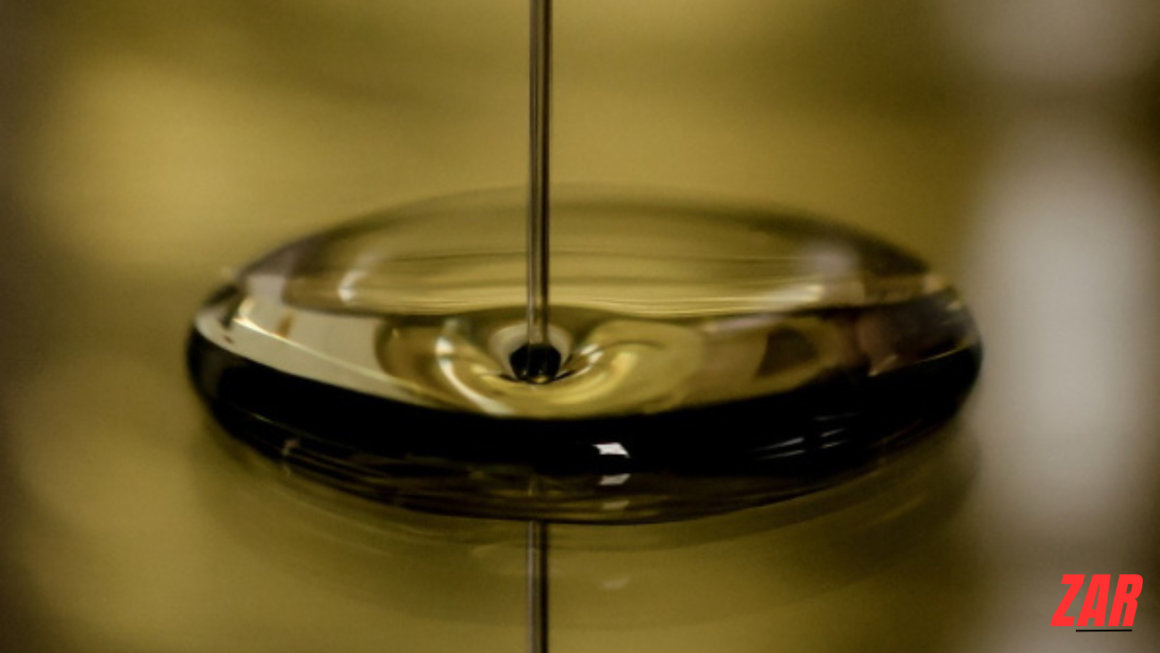
Protect your engine.choose quality oil.Image source – securingindustry.com
Fake oils typically fall into three categories:
- Filtered Waste Oil: Used oil that has been chemically bleached or filtered to remove the dark color but retains microscopic metal shavings and acidic combustion byproducts.
- Low-Grade Base Oil: Pure mineral oil sold as advanced full-synthetic oil. These oils lack the thermal stability to survive high temperatures, leading to rapid oxidation.
- Cross-Grade Mixing: Inexpensive heavy-duty oil (like 20W-50) sold in bottles labeled as lighter, more expensive grades (like 0W-20). This can lead to oil starvation in modern engines with tight tolerances.
How to Spot Fake Engine Oil
Detecting a counterfeit product requires a multi-layered inspection of the packaging, the physical properties of the fluid, and the price point.
1. Security Seals and Tamper-Evident Caps
Manufacturers invest millions in proprietary sealing technology. A genuine bottle of oil should have a cap that is perfectly flush with the safety ring. If the ring is loose, shows signs of adhesive residue, or if the “click” when opening feels weak, the product is likely compromised. Many brands now use holographic strips or QR codes that link directly to a verification portal where users can enter a unique batch code.
2. Label Quality and Typography
Counterfeiters often struggle with the fine print. Inspect the back of the bottle for spelling errors, blurry logos, or inconsistent fonts. Genuine manufacturers use high-speed industrial printing that produces crisp, legible text even at very small scales. Furthermore, check the production date stamped on the bottle; the date on the plastic mold of the bottle should align closely with the date the oil was bottled.
3. The Physical “Drop Test”
While not as accurate as a laboratory analysis, the physical characteristics of the oil provide immediate clues. Genuine synthetic oil is usually clear and honey-colored. Fake engine oil may appear darker, cloudy, or have a distinct “burnt” smell.
Pro Tip: Place a drop of the oil on a clean piece of white paper. Genuine oil will spread evenly and leave a uniform stain. Counterfeit oil, particularly if it is recycled waste oil, may leave small dark specks or an uneven residue at the center of the drop.
The Mechanical Consequences of Using Illicit Oil
The damage caused by fake engine oil is rarely instantaneous; it is a cumulative process that often results in catastrophic failure just as the oil reaches the midpoint of its service interval.
- Total Base Number (TBN) Depletion: Genuine oils contain alkaline additives to neutralize acids produced during combustion. Fake oils lack this buffering capacity, leading to rapid acidification and internal corrosion of bearings.
- Viscosity Breakdown: Under high heat, low-quality oils thin out excessively. This causes the protective film between moving parts to rupture, leading to metal-on-metal contact, commonly seen in the scouring of cylinder walls.
- Sludge and Carbon Deposits: Without the proper detergents, carbon buildup quickly turns into “black sludge,” which can clog the oil pickup tube and starve the top end of the engine of lubrication.
Dont risk it.use trusted oil.Image source – Linkedin
For those interested in the technical specifics of oil performance, the American Petroleum Institute (API) provides a comprehensive database of certified lubricants that meet current engine protection standards.
Mitigating Risk through Procurement Strategy
The most effective way to avoid fake engine oil is to control the point of purchase. Counterfeit products thrive in secondary markets, independent stalls, and unverified third-party online listings where the chain of custody is broken.
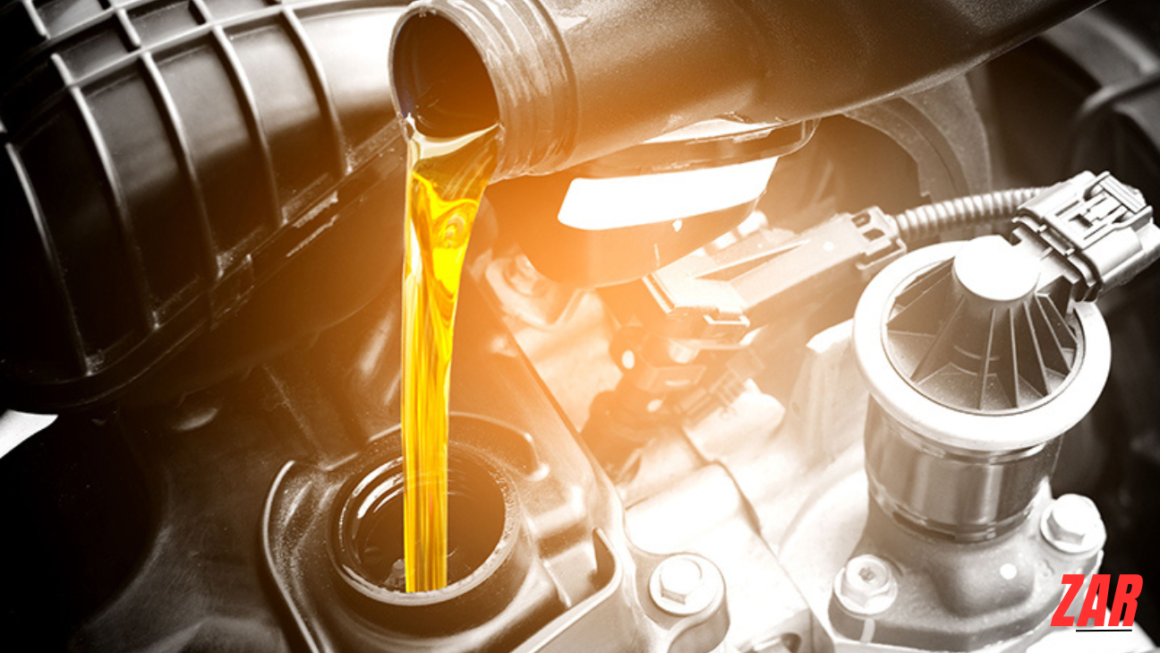
Quality lubrication longer engine life.Image source – professional motor mechanic
Buy from Authorized Distributors
Always prioritize purchasing from “Authorized Service Centers” or “Official Flagship Stores” on e-commerce platforms. These entities receive stock directly from the manufacturer’s refinery or regional warehouse, ensuring a closed-loop supply chain.
Verify via Batch Tracking
Every genuine bottle of oil has a batch number and a manufacture date. If you are purchasing in bulk for a fleet, you can contact the manufacturer’s technical helpdesk to verify that the batch number on your pallet exists in their production logs.
Next Steps
The proliferation of fake engine oil is a sophisticated threat that requires a sophisticated response. By inspecting tamper-evident seals, verifying batch codes, and strictly adhering to authorized supply chains, you can protect your vehicle from the severe mechanical degradation associated with sub-standard lubricants.
If you suspect you have already used a counterfeit product, the best course of action is an immediate oil and filter change using a verified genuine product, followed by a short-interval change (after 1,000 miles) to flush out any residual contaminants or sludge.


