

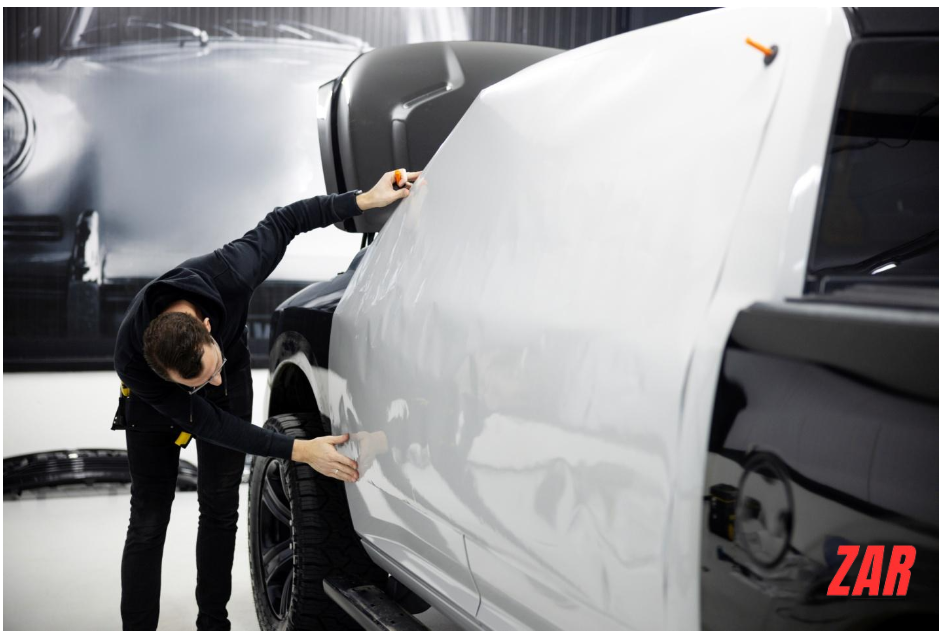
Ceramic coating protects your vehicle by creating a sacrificial, semi-permanent nanostructure of silicon dioxide (SiO2) over your factory clear coat. This ultra-dense layer forms a hydrophobic, non-porous shield that prevents acidic compounds (like the uric acid in bird droppings) and corrosive industrial fallouts (such as road salt, iron dust, and tar) from bonding to or penetrating the paint. Instead of etching directly into your clear coat, contaminants sit on top of this slick surface, allowing you to wipe or wash them away safely without abrasions. For drivers battling intense coastal sun and freeway fallout, investing in professional ceramic coating Orange County specialists offer ensures lasting paint protection and effortless maintenance.
Why Bird Droppings and Road Contaminants Ruin Factory Paint
Automotive clear coat is not an impenetrable glass wall; it is a porous, flexible polymer layer susceptible to temperature changes, mechanical friction, and chemical attack.
The Science of Bird Dropping Etchings
Bird droppings are notoriously destructive because they contain concentrated uric acid, with pH levels often falling between 3.0 and 4.5. When your car sits under direct sunlight:
- The paint heats up, causing the clear coat to expand and soften.
- The bird dropping dries and hardens on top of the warm panel.
- As the surface cools (in the shade or evening), the clear coat contracts around the hardened deposit.
- The acid chemically digests the clear coat, leaving behind a dull, textured patch known as an acid etch or “wrinkle.”
[Sunlight & Heat] -> Clear Coat Expands -> Uric Acid Bakes In
[Cooling Cycle] -> Clear Coat Contracts -> Acid Etching & Pitting Formed
Common Road Contaminants and Their Impact
- Brake and Rail Dust (Iron Fallout): Tiny, jagged iron particles fly off brake pads and train rails, lodging into the soft paint. Once exposed to moisture, these particles oxidize and rust, causing localized corrosion.
- Road Salt and De-icers: Sodium chloride and magnesium chloride accelerate electrochemical oxidation, corroding exposed metal edges and degrading unprotected paint finishes.
- Bitumen and Road Tar: Sticky organic compounds that fuse chemically to warm paint, requiring harsh solvents to remove once cured.
- Tree Sap and Bug Splatters: Organic acids and natural resins that bond tightly and degrade gloss levels.
How Ceramic Coating Stops Contaminant Damage
A true nano-ceramic coating uses nanotechnology—predominantly Silicon Dioxide (SiO2) or Silicon Carbide (SiC)—to chemically crosslink with the factory clear coat at a microscopic level.
| Protection Feature | Unprotected Clear Coat | Carnauba Wax / Sealant | Professional Ceramic Coating |
| Bonding Mechanism | Base automotive substrate | Sits loosely on surface | Covalent, semi-permanent molecular bond |
| Chemical Resistance | Low (pH 6–8) | Moderate (pH 4–9) | Extreme (pH 2–12) |
| Heat Tolerance | Softens under hot sun (~60°C) | Melts at 60°C–80°C | Resists heat up to 400°C+ |
| Contact Angle (Hydrophobicity) | Under 70° (water pools flat) | 80°–90° (moderate beading) | 105°–115° (extreme water & dirt repellency) |
| Durability | Permanent (until abraded) | 1–3 months | 2–5+ years |
1. Superior Chemical Resistance (pH 2 to pH 12)
Unlike traditional organic waxes that melt under engine heat or strip away under strong cleaners, ceramic coatings tolerate broad chemical extremes. Uric acid cannot quickly burn through the SiO2 structure, providing a vital buffer window to remove the mess before paint damage occurs.
2. The Lotus Effect and Hydrophobic Surface Tension
Ceramic coatings flatten microscopic valleys in the clear coat, yielding an exceptionally smooth surface. Water beads with contact angles exceeding 100 degrees. Road brine, muddy water, and sticky tree sap struggle to anchor to this low-surface-energy barrier, sliding off during basic rinses.
3. Non-Porous Sacrificial Barrier
Because the nanostructure cures into an inorganic, glass-like quartz matrix, it does not have open pores. Embedded iron fallout cannot dig deeply into the clear coat, preventing rust bloom and heavy pitting.
Step-by-Step: Removing Droppings from a Ceramic Coated Car
While a ceramic coating buys you significant time, you should not leave contaminants to bake indefinitely. Follow this zero-scratch method to clean them:
- Lubricate the Spot: Spray the affected area generously with a dedicated quick detailer, waterless wash, or pH-neutral car shampoo diluted with distilled water.
- Let It Dwell: Allow the solution to sit for 60 to 90 seconds to soften the dried deposit. Never scrub a dry bird dropping.
- Lift, Do Not Wipe: Place a clean, plush microfiber towel over the softened spot and gently pinch or lift the bulk residue upward. Wiping back and forth drags abrasive seeds and grit across the surface.
- Final Buff: Use a fresh side of the microfiber towel misted with detailer to lightly clean the remaining film.
4 Costly Mistakes That Compromise Ceramic Coatings
- Using Abrasive Sponges on Bug Splatters: Green kitchen pads or stiff scrub brushes will scratch right through both the coating and the clear coat. Always use chemical softeners (citrus-based pre-washes) rather than mechanical force.
- Relying on Automated Tunnel Car Washes: The stiff, dirt-laden nylon bristles of automatic brush washes inflict deep swirl marks and prematurely shear down the ceramic top layer. Stick to touchless washes or the two-bucket hand-wash method.
- Letting De-Icing Salts Sit All Winter: Even with chemical resistance, thick road grime blankets the coating, temporarily killing its hydrophobic self-cleaning effect. Perform a touchless rinse every week or two during freezing months.
- Assuming the Car is 100% Scratch-Proof: Ceramic coatings resist minor marring and oxidation, but they do not stop rock chips, intentional key scratches, or high-friction scrapes. For physical impact protection, consider combining ceramic coatings with paint protection film (PPF). Pairing self-healing film with a ceramic barrier won’t quite turn your ride into the World’s Most Secure Car, but it gives your paintwork the ultimate defense against highway hazards and daily wear.
Frequently Asked Questions
Can bird droppings still etch through a ceramic coating?
Yes, if left unaddressed for weeks in blistering heat. A ceramic coating creates a resilient sacrificial layer that gives you days rather than hours to clean the mess, but severe biological acids left in extreme conditions can eventually dull the coating’s surface.
How do I remove industrial fallout from a ceramic coated car?
Use an iron-remover spray designed for coated vehicles. These pH-balanced sprays turn purple as they dissolve embedded brake dust chemically, allowing you to rinse the contaminants away without claying (which can abrade the ceramic layer).
Does ceramic coating stop bugs from sticking to the front bumper?
It does not prevent bugs from hitting the car, but it stops their acidic decomposition fluids from fusing to the clear coat. Dried splatters release with low-pressure water or a quick detailer spray rather than aggressive scrubbing.
How often should I wash my car after ceramic coating?
A bi-weekly wash using a pH-neutral car wash soap is ideal. This clears the surface of fine road films and prevents minerals from clogging the coating’s microscopic peaks and valleys.
Do I need to wax my car after it has been ceramic coated?
No. Traditional waxes do not bond to the ultra-slick surface of a ceramic coating and will only mask its natural hydrophobic properties, attracting more dust and road grit. Use dedicated ceramic boost sprays instead.