Few cars in Nigeria’s used market generate the unique combination of aspiration, anxiety, and genuine driving pleasure found in the fifth-generation BMW 3 Series. The E90 proudly announces a driver’s arrival, marking the transition from forgiving Japanese models into the world of German precision engineering and rewarding Rear Wheel Drive dynamics. Priced between ₦4 million and ₦15 million today, it stands as the most accessible premium German sedan available locally. However, this accessibility perfectly explains the high number of poorly maintained examples circulating alongside well-kept specimens. The precise engineering that delivers unmatched handling also demands strict maintenance discipline, high-quality oil, and specialized diagnostic tools, requiring an ownership philosophy far removed from the reactive repair habits many drivers apply to simpler vehicles.
Produced from 2006 through 2013, the lineup features the dominant E90 sedan alongside the highly sought-after E92 coupe, while the E91 wagon and E93 convertible remain rare local finds. A critical turning point occurred in late 2008 with the introduction of the Life Cycle Impulse update, which delivered a sharper appearance through new LED lighting elements, a sculpted bonnet, and revised bumpers. For Nigerian buyers, distinguishing between early models and post-facelift versions is a vital step. The newer iterations not only look more contemporary but also often address specific mechanical vulnerabilities found in earlier engines. This guide thoroughly explores the complete model range, honest engine assessments, local pricing realities, common fault patterns, and how to navigate a purchase intelligently.
The E90 Body Styles in Nigeria
E90 Sedan
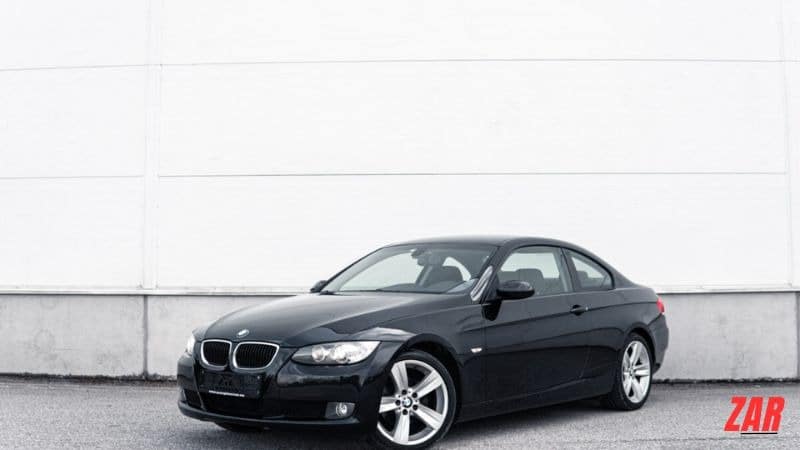
The E90 Sedan is the four-door saloon that the vast majority of Nigerian buyers encounter. Its proportions are near perfect for its class, long enough to feel genuinely executive while remaining short enough to manage Lagos and Abuja parking effortlessly. The cabin is intimately driver-focused in a way that Japanese alternatives simply cannot match, with the seating, controls, and sight lines all oriented to reinforce that the person behind the wheel is the primary focus.
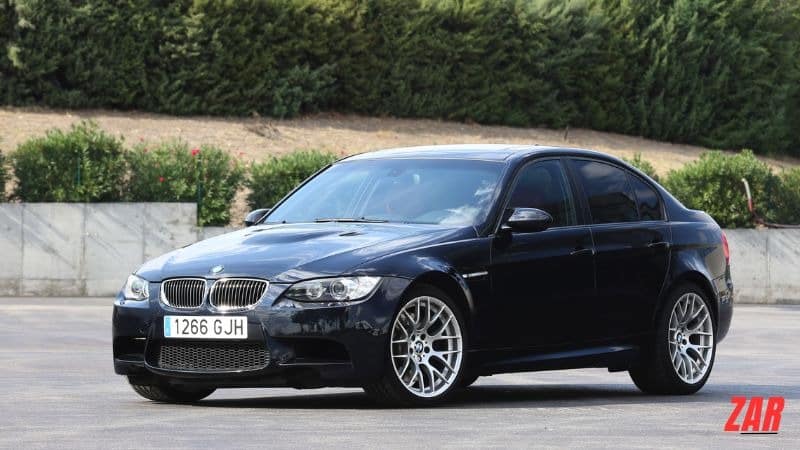
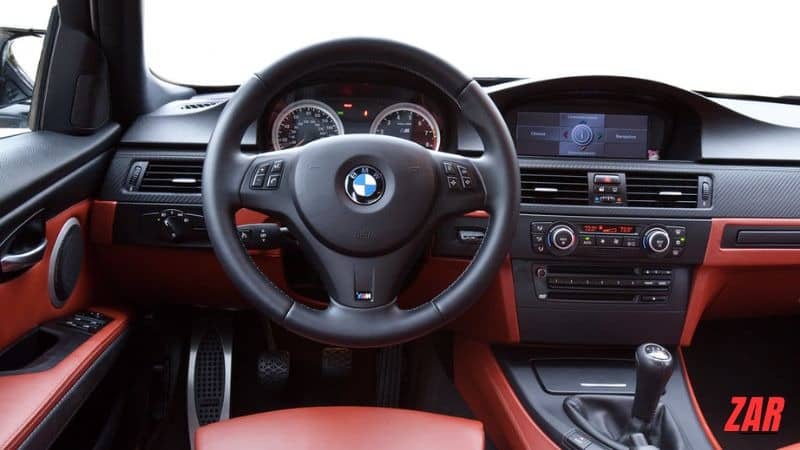
Pricing for the sedan spans a broad range depending on age and condition. Entry-level pre-facelift models from 2006 to 2008 frequently sit between ₦4M and ₦7M, offering an engaging German driving experience for the price of a used Honda Accord, though they require a realistic immediate maintenance budget. The strongest overall value lies in the mid range post facelift LCI examples from 2009 to 2011, typically priced from ₦7M to ₦11M, while exceptionally clean, low mileage models from the final 2012 to 2013 production years reach the premium ₦11M to ₦16M bracket.
E92 Coupe
Sharing the same highly capable platform and engines, the E92 Coupe presents a dramatically sportier visual character. It features a sweeping roofline, wider rear haunches, and a lower, more engaging seating position. While rear passenger access is naturally compromised by the two door layout, it remains the ultimate vehicle for buyers who rarely carry passengers in the back and specifically desire an aggressive, road commanding presence.
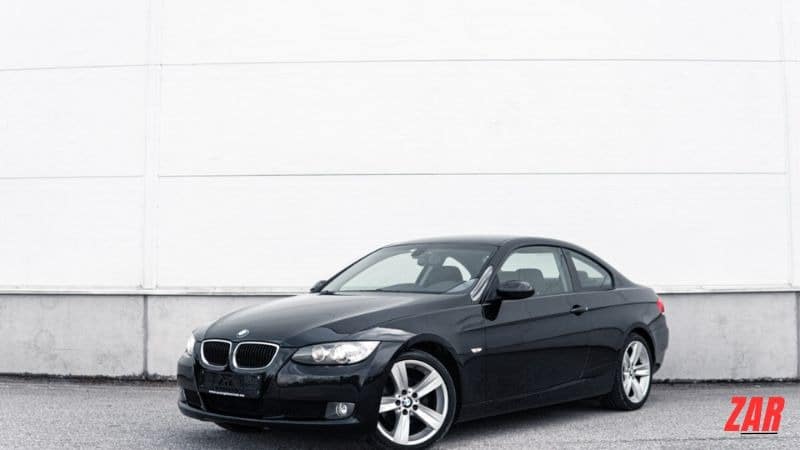
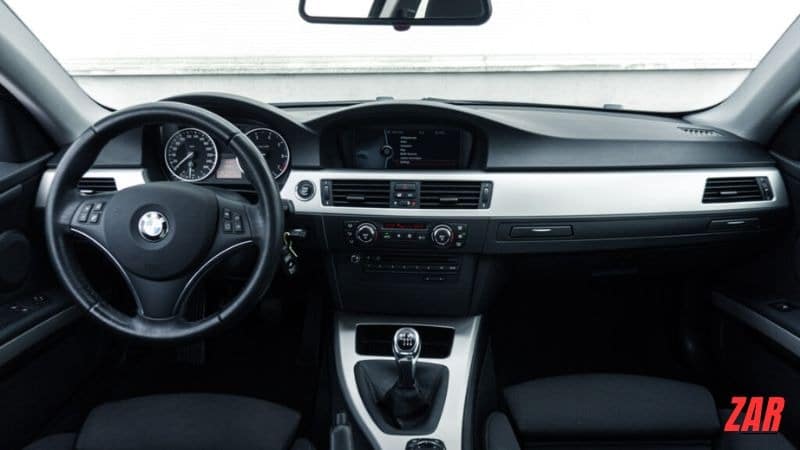
Because of their relative rarity and strong demand from driving enthusiasts, E92 coupes command a significant market premium. Buyers should expect to pay roughly ₦2M to ₦5M more than an equivalent E90 sedan in comparable condition. Consequently, a well-maintained foreign used E92 from the 2008 to 2011 model years will comfortably sit at the upper end of the premium pricing spectrum, typically demanding anywhere from ₦11M up to ₦16M.
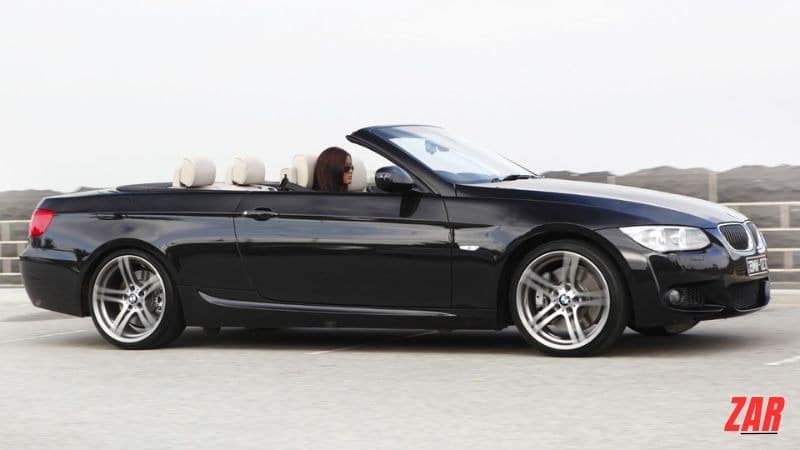
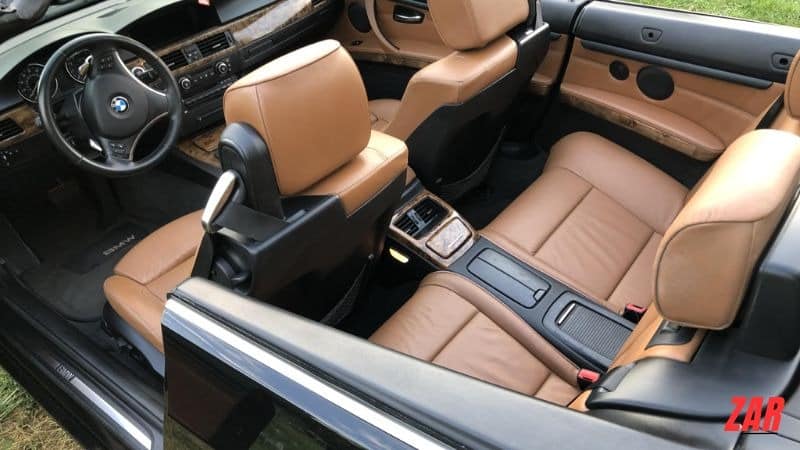
E93 Convertible
The E93 Convertible is the open-top variant and remains an incredibly rare find across the Nigerian market, representing a highly specific niche purchase. The complex electrical folding hardtop mechanism adds significant weight and demands highly specialized technical attention if mechanical issues arise. Furthermore, the open top driving experience is far less practical given the intense heat, sudden rain, and persistent dust found locally, meaning pricing varies wildly and depends entirely on a highly motivated buyer looking for this unique lifestyle vehicle.
Common Problems With the BMW E90
The E90 is a reliable vehicle, but like any model, it has its common issues due to electronic complexity. The key to BMW E90 ownership in Nigeria is understanding those issues precisely — not being frightened by them, but not dismissing them either. These are manageable problems for an owner who maintains properly and has access to a BMW specialist. They become expensive crises for an owner who defers maintenance.
- Oil Filter Housing Gasket Failure: Degradation from heat cycling causes external oil leaks. Look for oil staining; replace the gasket promptly to prevent vital lubrication loss.
- Electric Water Pump Failure: Plastic pumps fail suddenly, causing rapid overheating. Treat replacement as a priority for high-mileage cars over 120,000 km to avoid engine destruction.
- VANOS Solenoid Issues: Sludge deposits inhibit variable valve timing, causing rough idling and power loss. Severe cases on N52 engines may require total cylinder head replacement.
- Cooling System Hoses and Thermostat: Rubber hoses crack in heat, while thermostats can stick, leading to overheating. Inspect hoses and replace thermostats preventively to avoid cooling failures.
- Electronic Steering Lock (ELV): Mechanical failure prevents starting. Identify via steering lock warning lights; often repairable locally through specialized software reprogramming.
- N54 High-Pressure Fuel Pump (HPFP): Causes severe hesitation and power loss in turbocharged 335i models. Perform a rigorous diagnostic scan and verify upgrade history before purchase.
- N47 Diesel Rear Timing Chain: Fragile chains can snap and destroy the engine. Replacing the chain at 100,000 km is an absolute necessity for diesel models like the 320d.
- Suspension Bushing Wear: Degraded bushings lead to imprecise steering and clunking. Budget for accelerated wear on local roads to maintain the car’s signature driving dynamics.
The E90 vs Its Nigerian Competitors
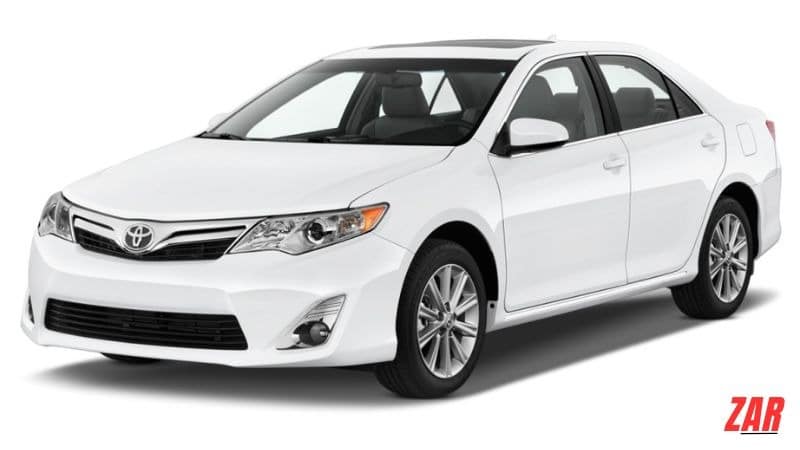
At the heavily contested ₦5M to ₦12M price point, the BMW E90 faces fierce competition from popular Japanese alternatives that dominate the Nigerian landscape. A comparable 2010 to 2013 Toyota Camry typically trades for roughly ₦3M to ₦5M less than the BMW, offering unmatched mechanical forgiveness, predictable resale value, and ubiquitous parts availability. However, it completely lacks the sharp rear-wheel-drive dynamics and premium cabin feel of the German saloon. Meanwhile, the Honda Accord V6 from the same era sits at a similar price point and delivers a sportier experience coupled with renowned reliability. Still, its front-wheel-drive layout means it simply cannot replicate the engaging handling precision of the E90, even though its local parts ecosystem is significantly deeper.
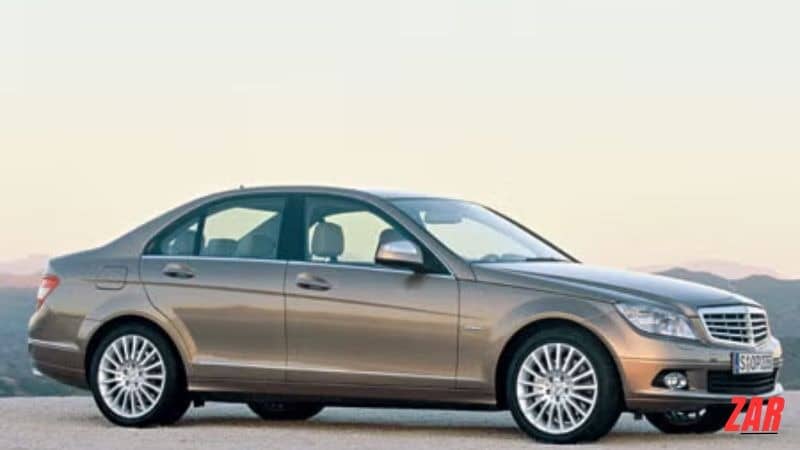
When directly compared against its closest German rival, the Mercedes-Benz W204 C-Class, the purchasing decision becomes a matter of brand preference and specialized local support. Trading at similar or slightly higher prices, the W204 delivers equivalent premium cabin quality and immense prestige, but it carries its own demanding fault profile involving complex electronics and steering rack vulnerabilities. For Nigerian buyers choosing between these two European heavyweights, the E90 holds a distinct practical advantage. Over the years, a much stronger community of dedicated BMW diagnostic specialists has evolved locally, supported by robust, model-specific parts availability through massive automotive hubs like Ladipo market in Lagos, making the 3 Series slightly easier to maintain properly long-term.
The True Cost of E90 Ownership and How to Buy Smart
Sensible E90 ownership in Nigeria demands a strict philosophy of preventive maintenance, which can realistically eliminate half of the car’s well-documented faults. These precision engines require fully synthetic LL-01 oil changed every 7,500 to 10,000 kilometers, as brutal local traffic degrades lubrication rapidly. Prospective owners must anticipate an annual maintenance budget of ₦1.5M to ₦2.1M and completely abandon the typical reactive repair mentality. Instead, establishing a proactive relationship with a dedicated BMW specialist is vital. Before purchasing, mandating a full ISTA diagnostic scan is non-negotiable; standard scanners miss deep system faults, whereas ISTA exposes the true health of the transmission and electronics, protecting buyers from hidden electrical crises.
Beyond digital diagnostics, a rigorous physical inspection separates a rewarding investment from a financial disaster. Buyers must evaluate cold starts for rough idling that points to VANOS failure, meticulously check for oil leaks, and ensure the coolant isn’t a milky brown mixture signaling engine damage. A thorough test drive at highway speeds is essential to confirm the suspension retains that signature Beamer handling and sharpness. Ultimately, the E90 is tailored for driving enthusiasts who prioritize engaging rear-wheel-drive dynamics over basic transportation and can comfortably afford the upkeep without cutting corners. While undeniably demanding, a meticulously maintained E90 remains one of the most rewarding premium sedans on the Nigerian market.