A car that shakes when you press the accelerator is not just an uncomfortable experience; it is your vehicle communicating that something is wrong. The vibration might feel like a subtle shimmy that comes and goes, or a pronounced shudder that worsens the faster you go. Either way, shaking during acceleration is rarely a quirk to live with. It is almost always a symptom of a mechanical issue that, left unaddressed, tends to worsen over time and grow more expensive to fix. Understanding the reasons your car shakes when accelerating helps you have more informed conversations with your mechanic, avoid unnecessary repairs, and catch problems before they escalate.
Before examining individual causes, it helps to understand why acceleration in particular tends to reveal problems that might not be obvious when the car is idling or cruising at a steady speed. When you accelerate, the loads on your engine, drivetrain, wheels, and suspension increase significantly. Components that are worn, loose, or imbalanced can absorb low stress conditions without revealing their condition. However, under the additional strain of acceleration, they begin to vibrate, flex, or move in ways they should not. Think of acceleration as a stress test that the weakest link in your car’s mechanical chain is most likely to fail.
This is also why paying attention to when and how the shaking occurs matters. Shaking that starts immediately from a standstill points to different causes than shaking that only appears at highway speeds. Vibration felt primarily in the steering wheel suggests a different origin than a shake felt through the seat or floor. These distinctions narrow the diagnosis considerably.
1. Worn or Damaged CV Joints
CV (constant velocity) joints are among the most common causes of shaking during acceleration, particularly in front-wheel-drive and all-wheel-drive vehicles. These joints connect the driveshaft to the wheels and allow the axles to flex as the suspension moves while still delivering power to the wheels smoothly. Over time, the rubber boot that protects each CV joint wears or cracks, allowing the grease inside to leak out and dirt to enter. Once contamination sets in, the joint wears rapidly. A failing CV joint typically produces a shaking or shuddering sensation that worsens during acceleration, particularly when turning or pulling away from a stop. A distinctive clicking or popping noise when making tight turns is another strong indicator.
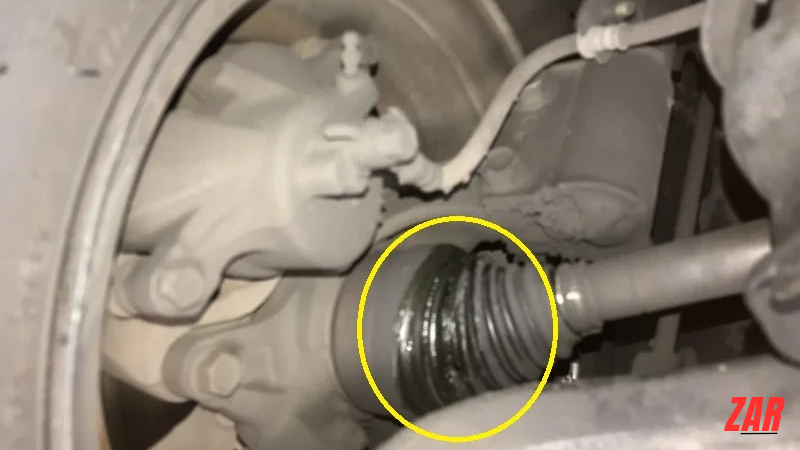
The fix for a worn CV joint is replacement, which involves either the joint itself or the entire axle shaft, depending on the severity. Ignoring a failing CV joint is risky because a complete failure can leave you unable to drive at all and may cause secondary damage to surrounding components.
2. Unbalanced or Damaged Tires
Tires are the most direct interface between your vehicle and the road. When they are not properly balanced, meaning the weight is not evenly distributed around the circumference of the wheel, small imbalances become amplified at speed. The result is a vibration that typically begins at a specific speed threshold and intensifies as you accelerate further. Tire imbalance is a common cause of shaking that appears between 60 and 100 km/h and can sometimes settle at higher speeds, only to reappear again.
Beyond balance, physical damage to the tire itself, such as flat spots from extended parking, internal belt separation, or uneven tread wear from poor alignment, can also cause pronounced shaking during acceleration. Wheel balancing is a routine, affordable procedure that should be performed every time a tire is mounted and periodically as part of regular maintenance. If balancing does not resolve the shaking, a thorough inspection of each tire’s condition and the integrity of the rims is the next step.
3. Bent Axle or Driveshaft
The axle transfers power from the transmission to the wheels, and the driveshaft does the same in rear-wheel-drive and four-wheel-drive vehicles. If either of these components is bent even slightly, the result is a rhythmic vibration that increases in frequency and intensity as vehicle speed rises. Axle damage most commonly occurs from hitting a pothole hard, striking a curb, or sustaining impact in a minor accident
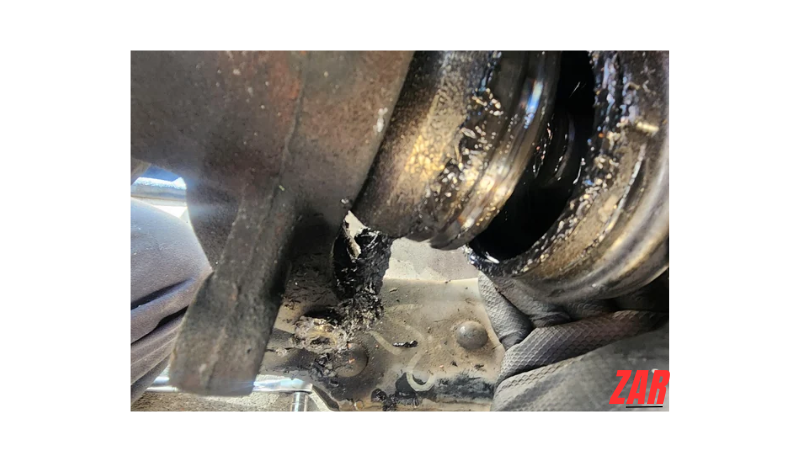
The bend may be subtle enough that it is not visible to the eye, but the imbalance it creates becomes unmistakable when you accelerate. In rear-wheel-drive and all-wheel-drive vehicles, a damaged or out-of-balance driveshaft produces a similar effect, often accompanied by a clunking sound especially at low speeds. These are not components that can be straightened and reused reliably. A bent axle or driveshaft needs to be replaced, and the diagnosis is best confirmed by a professional inspection on a lift.
4. Worn or Broken Engine Mounts
Engine mounts are the rubber-and-metal brackets that secure the engine to the vehicle’s frame. Their job is to hold the engine in position while absorbing the vibrations the engine naturally produces during operation. When these mounts deteriorate, which happens gradually as the rubber component ages and breaks down, the engine begins to move more than it should, transferring its vibrations directly into the body of the car. Worn engine mounts tend to make themselves known most clearly during acceleration, when engine torque increases and the mounts are under greater load.
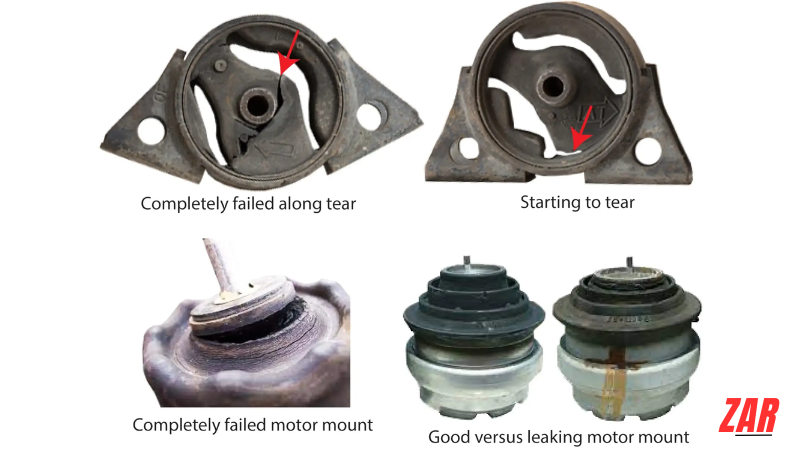
The shaking is often felt throughout the car rather than specifically in the steering wheel. A pronounced clunk or thump when shifting between drive and reverse, or when the engine revs change suddenly, is another sign of failing mounts. Left unaddressed, deteriorated engine mounts allow the engine to shift position enough that it can damage surrounding components, including hoses, belts, and even the transmission. Replacing mounts is a relatively straightforward job for an experienced mechanic and restores the engine’s correct positioning and vibration isolation
5. Misfiring Engine
An engine misfire occurs when one or more cylinders fail to combust the air and fuel mixture correctly. This disrupts the smooth, sequential power delivery that the engine depends on, and the result is a rough, shuddering sensation that is particularly noticeable during acceleration when all cylinders are under heavier demand. Misfires have several common causes. Worn or fouled spark plugs are among the most frequent culprits. When spark plugs can no longer generate a consistent, strong spark, ignition becomes irregular.
Faulty ignition coils, damaged spark plug wires, and clogged fuel injectors can all produce the same effect. In more serious cases, a misfire can trace back to a vacuum leak, a compression issue, or a failing mass airflow sensor. Modern vehicles will typically trigger the check engine light when a misfire is detected, and an OBD II diagnostic scan will often return a specific misfire code like the P0300 series that identifies which cylinder is affected. Addressing misfires promptly is important because prolonged misfiring can damage catalytic converters, which are expensive to replace.
6. Loose or Worn Wheel Bearings
Wheel bearings allow the wheels to spin freely on the axle with minimal friction. When a bearing wears out, the wheel no longer rotates smoothly, producing a vibration that becomes more noticeable under acceleration. The sensation is often felt through the steering wheel if the affected bearing is on a front wheel, and through the seat or floor if it is at the rear.
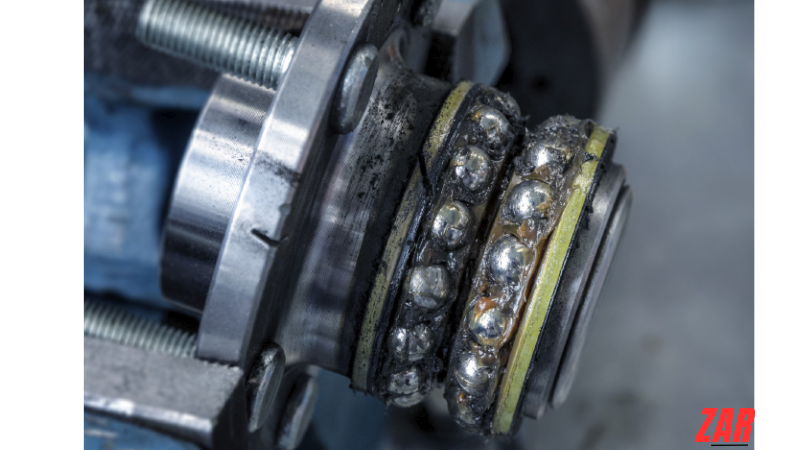
A failing wheel bearing typically also produces a humming, grinding, or growling noise that changes pitch with vehicle speed and may increase or decrease when the car is loaded, such as during cornering. Unlike some other causes of shaking, a worn wheel bearing should be treated as urgent. In advanced stages of failure, a bearing can seize completely, locking a wheel, which is a scenario that is extremely dangerous at speed
7. Transmission Problems
The transmission controls how engine power is distributed to the wheels. When it is not functioning correctly, vibrations during acceleration are one possible symptom, though they tend to be accompanied by other signs that make diagnosis more straightforward. Low or degraded transmission fluid is a common contributor. Without adequate lubrication, the transmission’s internal components experience increased friction and heat, leading to rough, uneven power delivery. This often manifests as a shudder or shake during gear changes, particularly during lighter acceleration at lower speeds.
More serious transmission issues, such as a worn torque converter in automatic vehicles or damaged transmission mounts, produce stronger vibrations and are often accompanied by slipping gears, delayed engagement, or unusual noises. A transmission specialist should evaluate these symptoms rather than attempting to diagnose it yourself, because transmission repairs can be among the most expensive in automotive maintenance.
8. Brake System Issues
While shaking associated with the brakes is more commonly felt during braking rather than acceleration, certain brake problems can cause vibration that appears or persists into the acceleration phase. A sticking brake caliper, where the caliper does not fully release after braking, creates a dragging effect on the affected wheel.
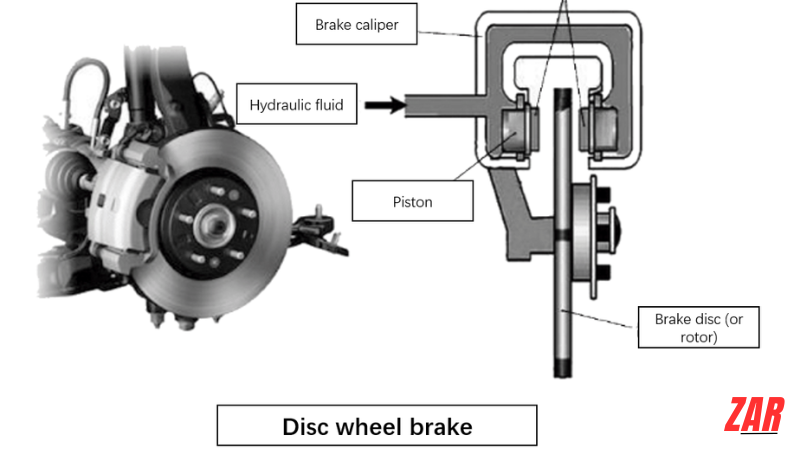
This drag produces resistance and heat, and the vibration it causes can be felt during acceleration as the car fights against the friction.
Warped brake rotors similarly can create a pulsating sensation that extends beyond the braking moment, particularly if the rotor has developed significant uneven thickness. If you notice the car pulling to one side during or after braking, combined with shaking during acceleration, a brake inspection should be part of the diagnostic process.
9. Clogged Fuel Injectors or Fuel Delivery Problems
The engine needs a consistent, precisely metered supply of fuel to run smoothly. When the fuel delivery system is compromised, whether through dirty or clogged injectors, a weakening fuel pump, or a clogged fuel filter, the engine receives an uneven fuel supply. This causes inconsistent combustion, which shows up as hesitation, stuttering, or shaking during acceleration.
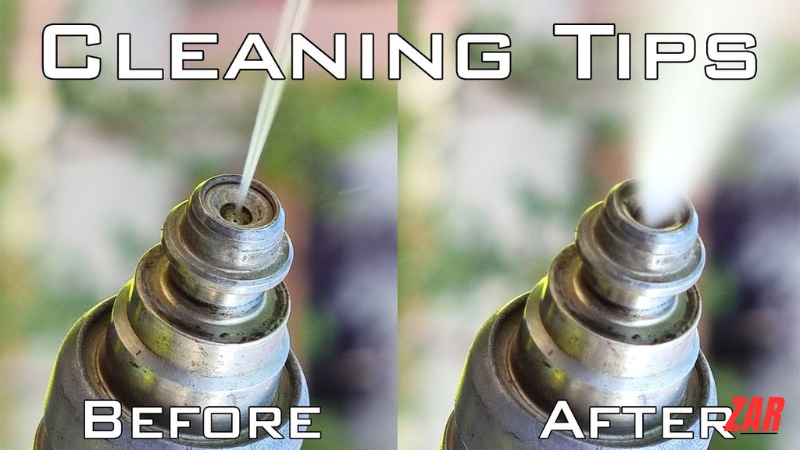
A fuel system issue is more likely to be the cause if the shaking is accompanied by poor fuel economy, sluggish response when the throttle is pressed, or difficulty maintaining speed on inclines. Fuel injector cleaning or replacement, combined with a fuel filter change, often resolves these symptoms. A failing fuel pump will need to be replaced entirely.
How to Narrow Down the Cause
Not every cause of acceleration-related shaking requires the same diagnostic approach. Paying close attention to the circumstances of the shaking can help you and your mechanic get to the root cause faster.
1. When does it shake?
If the shaking occurs only during hard acceleration from a standstill, CV joints, engine mounts, or drivetrain components are the primary suspects. If it appears at a specific speed range, say between 80 and 100 km/h tire balance and wheel-related issues are more likely. Shaking that occurs at all speeds and intensifies consistently with acceleration often points to a bent axle or driveshaft.
2. Where do you feel it?
Vibration concentrated in the steering wheel tends to point toward front-wheel-related causes tires, front CV joints, wheel bearings, or suspension components. Shaking felt through the seat, floor, or throughout the entire car suggests rear drivetrain issues, engine or transmission mounts, or engine misfires.
3. Are there accompanying symptoms?
A clicking sound during turns points strongly to CV joints. A humming noise that changes with speed suggests wheel bearings. A rough idle combined with shaking during acceleration points toward engine-related causes. Difficulty shifting or slipping out of gear implicates the transmission.
4. Has anything changed recently?
A pothole, minor accident, or recent tire change that correlates with the start of the shaking is a useful diagnostic clue. Recent work done on the vehicle that involved drivetrain or suspension components is also worth mentioning to your mechanic, as improper installation can sometimes be the source.
Is It Safe to Drive When Your Car Is Shaking?
Deciding whether it is safe to drive a car with a shaking vibration depends significantly on the severity and cause of the vibration. Minor vibrations from an unbalanced tire pose a relatively low immediate risk, though they should still be corrected promptly to avoid accelerating tire wear and compromising handling. However, other causes are far more urgent. A badly worn CV joint can leave the vehicle unable to move, a seized wheel bearing can lock a wheel at highway speed, and a compromised engine mount can shift enough to rupture coolant or fuel lines. As a general principle, shaking that is pronounced, appears suddenly, worsens rapidly, or is accompanied by unusual noises should be evaluated by a mechanic immediately. The cost of a diagnostic inspection is always less than the expense of secondary damage caused by continuing to drive a compromised vehicle.
Fortunately, many of the mechanical issues that cause acceleration shaking are preventable with routine maintenance. Scheduling tire balancing and rotation every 10,000 to 15,000 kilometers significantly reduces the likelihood of wheel imbalance, while periodic alignment checks preserve your suspension geometry. Likewise, replacing spark plugs at recommended intervals, monitoring transmission fluid, and inspecting CV joint boots during oil changes can catch problems before they require expensive repairs. A shaking car is never a problem that resolves itself, and the mechanical sources of these vibrations cause cumulative damage. By addressing the root cause early rather than waiting until the shaking becomes severe, you will consistently ensure lower repair costs and a much safer driving experience.