Geely, the Chinese automotive giant that owns Volvo and Lotus, has steadily carved out a presence in the Nigerian automotive market as a credible alternative to established Japanese and European brands. Founded in 1986, Geely Auto Group has grown into one of China’s largest privately-owned automobile manufacturers, producing vehicles that balance affordability with modern technology. In Nigeria, where price-conscious consumers seek vehicles that offer genuine value without compromising on features, Geely has positioned itself as a practical choice for both individual buyers and corporate fleets. The brand’s entry into the Nigerian market reflects the broader shift toward diversified automobile sourcing as buyers become more open to quality Chinese-made vehicles that deliver functionality at competitive price points.
Geely’s Nigerian lineup spans multiple segments, from compact sedans to spacious SUVs, catering to diverse buyer needs across the country’s varied terrain and economic spectrum. The collection emphasizes practicality and feature-rich offerings rather than outright luxury, making Geely vehicles particularly attractive to middle-class professionals, small business owners, and growing families. This article examines Geely’s current offerings in Nigeria, covering design elements, interior quality, performance specifications, and most importantly, pricing in Nigerian naira. We’ll explore how each model performs under local driving conditions, assess maintenance realities, compare them against established competitors, and provide practical insights into what it means to own a Geely vehicle in Nigeria’s unique automotive landscape.
[wheelzar_review]
Geely Coolray
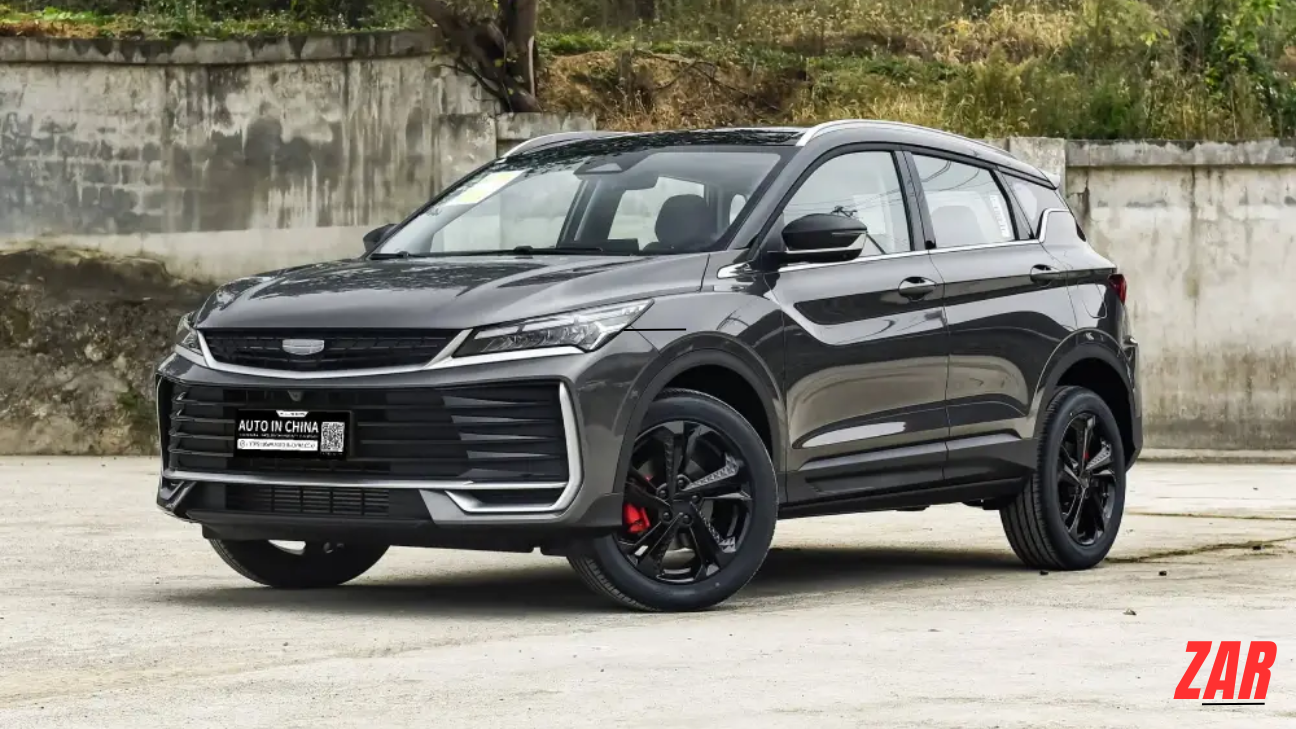
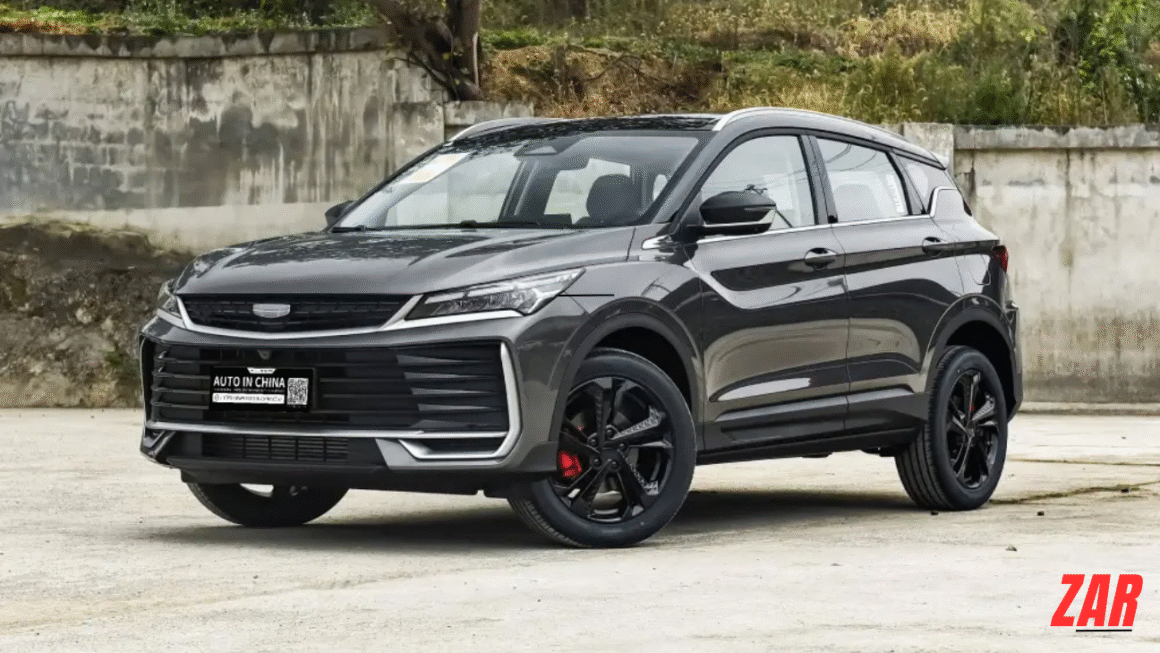
The Geely Coolray presents a sporty, contemporary exterior that distinguishes it from traditional compact SUVs in its class. The front fascia features Geely’s signature “expanding cosmos” grille design with intricate detailing, flanked by sharp LED headlights that give it an aggressive, youthful stance. The body lines are crisp and athletic, with pronounced wheel arches housing 17-inch alloy wheels on most variants. Available colors include Cyber Blue, Flame Red, and Jet Black, among others. The Coolray’s coupe-like roofline and elevated ground clearance create a balanced silhouette that commands attention on Nigerian roads. Rear styling includes distinctive LED taillights connected by a lightbar, reinforcing its modern design language. The compact dimensions make it maneuverable in congested urban environments while maintaining enough road presence to feel substantial.
Inside, the Coolray delivers a surprisingly upscale cabin for its price point, with soft-touch materials on the dashboard and door panels. The 10.25-inch touchscreen infotainment system supports smartphone connectivity through both Apple CarPlay and Android Auto, addressing a key demand among tech-savvy Nigerian buyers. The digital instrument cluster provides clear, customizable information displays. Seating is comfortable for five adults, with adequate legroom in both rows, though taller passengers may find the rear headroom slightly restricted due to the sloping roofline. Climate control, keyless entry, and a panoramic sunroof feature on higher trims. The 1.5-liter turbocharged engine produces 177 horsepower and 255 Nm of torque, paired with a 7-speed dual-clutch transmission delivering power to the front wheels. Acceleration feels brisk, with 0-100 km/h achieved in approximately 7.9 seconds. In Nigeria, the Coolray ranges from ₦18,500,000 to ₦22,000,000 depending on trim level and dealer location, positioning it competitively against entry-level Japanese crossovers.
Geely Azkarra
The Geely Azkarra occupies the compact SUV space with a more conservative, family-oriented design compared to the sportier Coolray. Its exterior features a prominent vertical-slat grille with chrome accents, projector headlamps with LED daytime running lights, and a squared-off, upright stance that emphasizes practicality over sportiness. The body panels are clean and unfussy, with subtle character lines rather than aggressive sculpting. Available in colors like Pearl White, Silver Grey, and Obsidian Black, the Azkarra projects a mature, sensible aesthetic. The 18-inch alloy wheels on higher variants fill the wheel arches adequately, while roof rails add a touch of adventure capability. Rear styling is straightforward with horizontal taillights and a modest roof spoiler. The overall design prioritizes space efficiency and functionality, making it immediately recognizable as a practical family hauler rather than a fashion statement.
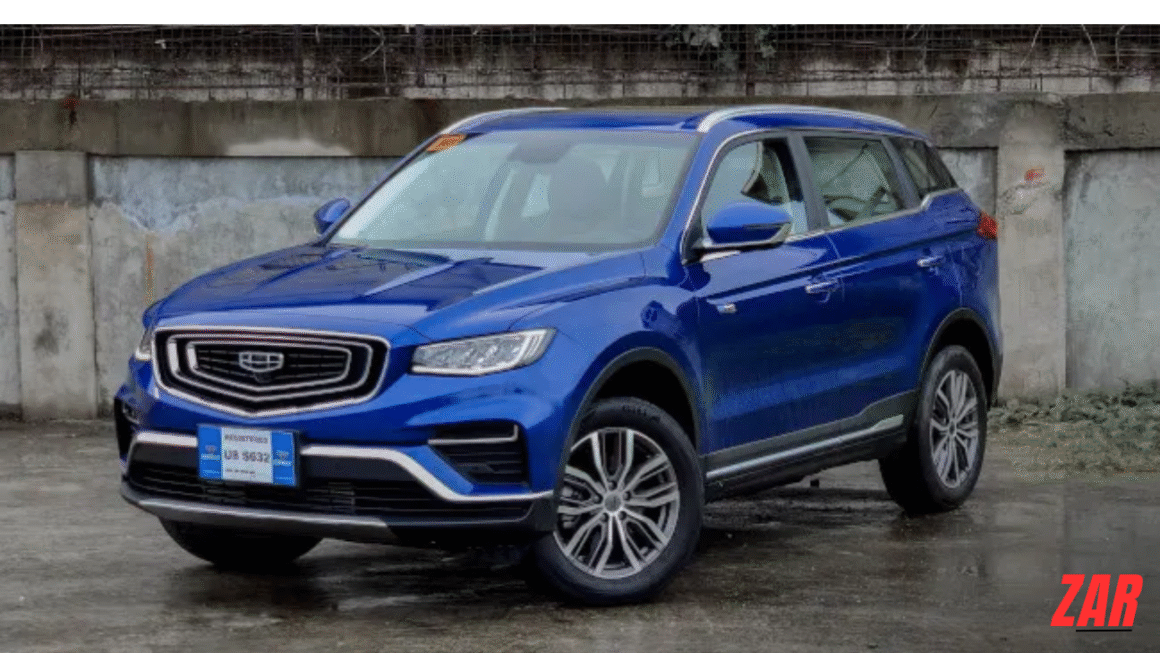
The Azkarra’s cabin focuses on space maximization and comfort, with three rows of seating accommodating up to seven passengers in the extended variant, though the third row is best suited for children or short trips. Second-row passengers enjoy generous legroom and reclining seatbacks. Interior materials include fabric upholstery on base models and leatherette on premium trims, with adequate soft-touch surfaces on high-contact areas. The 10.25-inch touchscreen provides infotainment functions including navigation, Bluetooth connectivity, and USB ports for multiple device charging. The instrument cluster combines analog gauges with a central digital display. Powered by a 1.5-liter turbocharged engine producing 174 horsepower and 255 Nm of torque, paired with a CVT transmission, the Azkarra delivers smooth, linear acceleration suited to relaxed driving rather than spirited performance. Top speed reaches approximately 180 km/h. Nigerian pricing for the Azkarra ranges from ₦22,000,000 to ₦26,500,000 depending on the variant and dealer, positioning it in the mid-range family SUV segment.
Geely Emgrand 7
The Geely Emgrand 7 sedan represents the brand’s entry into Nigeria’s compact sedan segment with conservative, businesslike styling that won’t offend traditional tastes. The front grille features horizontal chrome slats with the Geely emblem prominently displayed, flanked by halogen or LED headlights depending on trim level and model year. The body profile is conventional three-box sedan architecture with gentle curves and minimal character lines, prioritizing aerodynamic efficiency over dramatic styling. Color options typically include White, Silver, Grey, and Black, safe, professional choices that suit corporate use or conservative personal buyers who prefer understated vehicles. The 16-inch alloy wheels on higher variants provide adequate visual balance without appearing undersized, while steel wheels with covers feature on base models. Rear styling is straightforward with simple taillights and modest chrome trim on the trunk lid. The overall aesthetic aims for timeless professionalism rather than attention-grabbing design.
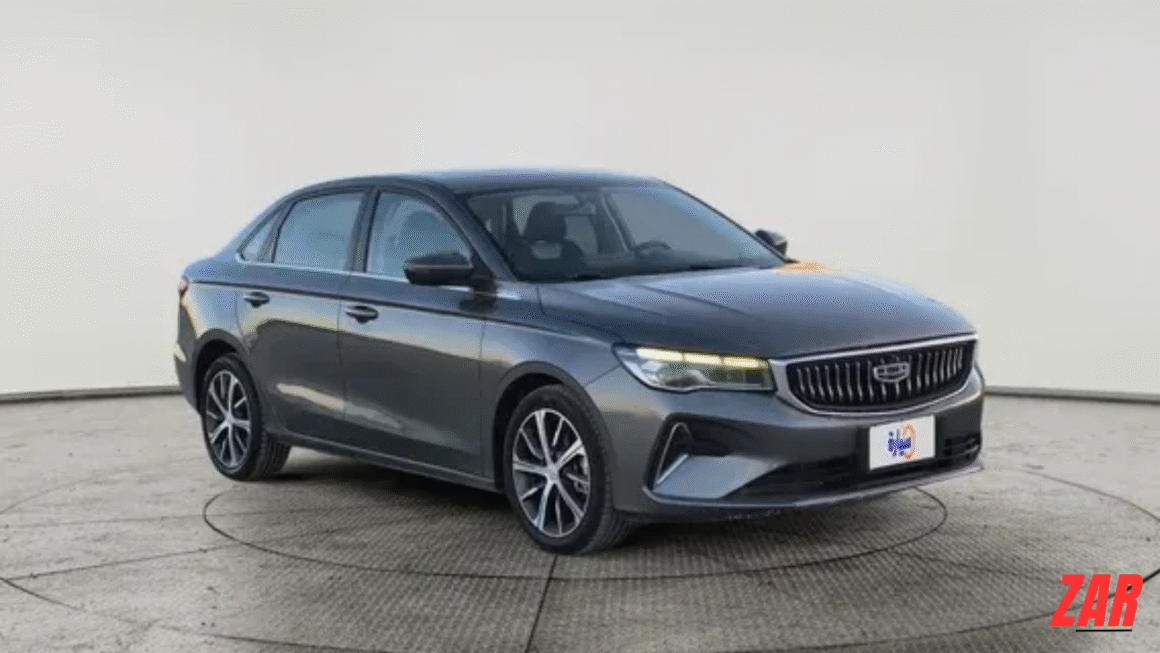
Inside, the Emgrand 7 provides a straightforward, functional cabin with cloth or leatherette seating depending on specification and trim level. The dashboard layout is logical with easy-to-reach controls arranged intuitively, making it easy for new drivers to adapt quickly without confusion. Materials quality is adequate rather than premium, hard plastics dominate lower surfaces, though the upper dashboard and door tops feature some textured finishing. The infotainment system on newer models includes a touchscreen with basic connectivity features including Bluetooth audio streaming and USB inputs. Rear seat space is generous for the segment, comfortably accommodating three adults on short trips. The trunk capacity is practical at approximately 500 liters. The 1.5-liter naturally-aspirated engine produces around 109 horsepower and 142 Nm of torque, paired with either a 5-speed manual or 4-speed automatic transmission. Performance is adequate rather than exciting, with leisurely acceleration suited to economical cruising. In Nigeria, the Emgrand 7 ranges from ₦12,000,000 to ₦16,500,000 depending on age, condition, and specification. Fuel efficiency is a strong point, averaging 13-16 km/liter in mixed driving conditions.
Geely Tugella
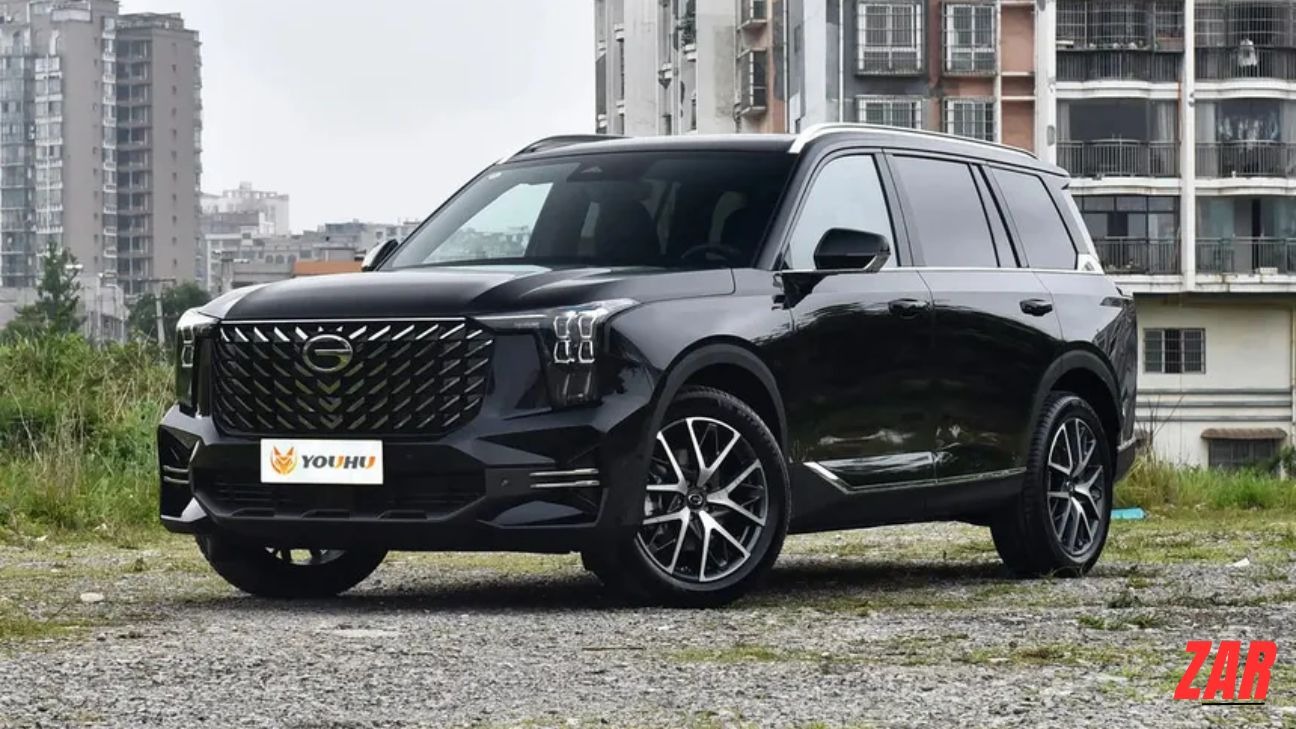
The Geely Tugella represents the brand’s push into the premium midsize SUV segment with bold, coupe-like styling that breaks from conservative Chinese automotive design traditions. The front end features a large, imposing grille with intricate geometric patterns, flanked by sleek LED headlights that integrate seamlessly into the sculpted hood lines. The profile is the Tugella’s most distinctive feature, with a dramatically sloping roofline that creates a fastback silhouette more commonly associated with luxury performance SUVs. This coupe-SUV design gives it a dynamic, athletic stance that stands out in Nigerian traffic. Available colors include sophisticated options like Moonlight Silver, Midnight Blue, and Crystal White. The 20-inch alloy wheels on top variants fill the wheel arches impressively, enhancing the sporty aesthetic. Rear styling includes full-width LED taillights and an integrated spoiler that complements the sloping roofline. Chrome accents and body-colored trim pieces are tastefully applied, creating a premium appearance that challenges perceptions of Chinese automotive design quality.
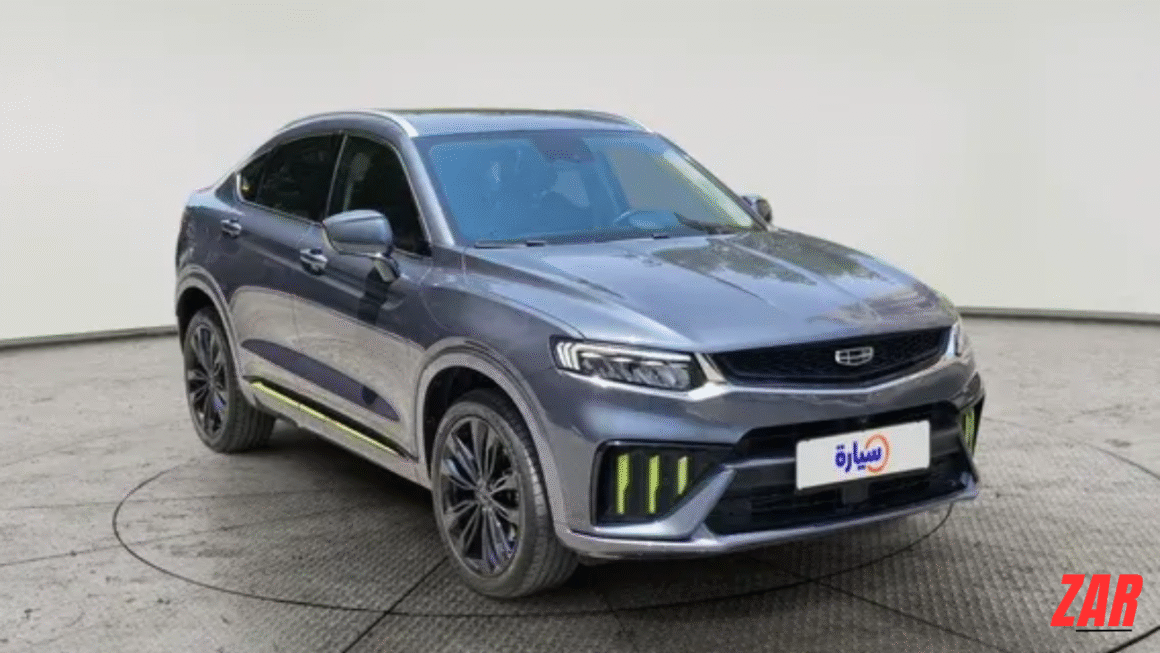
The Tugella’s cabin represents a significant step up in refinement and luxury compared to Geely’s more affordable offerings. Premium leatherette or genuine leather upholstery covers the seats, dashboard, and door panels, with contrast stitching adding visual interest and perceived quality. The dual-screen setup dominates the dashboard, with a 12.3-inch digital instrument cluster and matching 12.3-inch central infotainment display that runs Geely’s latest GKUI operating system with voice control, navigation, smartphone integration, and over-the-air update capability. The panoramic sunroof extends over both rows. Front seats are power-adjustable with memory functions and heating. Despite the coupe-like exterior, the Tugella maintains reasonable practicality with comfortable seating for five adults. Rear seat legroom is generous, though headroom is compromised for taller passengers due to the sloping roofline. Nigerian pricing for the Tugella ranges from ₦32,000,000 to ₦38,000,000 depending on specification. Fuel consumption is moderate, averaging 9 to 11 km/liter in mixed driving conditions.
Geely Starry (Starray)
The Geely Starry represents the brand’s foray into the burgeoning electric vehicle segment, featuring futuristic styling that immediately distinguishes it from conventional internal combustion vehicles. The front end is characterized by a closed-off grille panel, a hallmark of electric vehicle design that emphasizes aerodynamic efficiency while creating a clean, minimalist aesthetic. Slim LED headlights stretch horizontally across the front, connected by an illuminated light strip that creates a distinctive nighttime signature. The body features smooth, flowing surfaces with minimal disruption to airflow, including flush door handles that retract when not in use. Available in modern colors like Arctic White, Cyber Silver, and Electric Blue, the Starry projects a tech-forward image that appeals to early EV adopters. The 18-inch aerodynamic alloy wheels are specifically designed to reduce drag while maintaining visual appeal. The rear features a full-width LED taillight bar and a subtle integrated spoiler that enhances the vehicle’s aerodynamic profile.
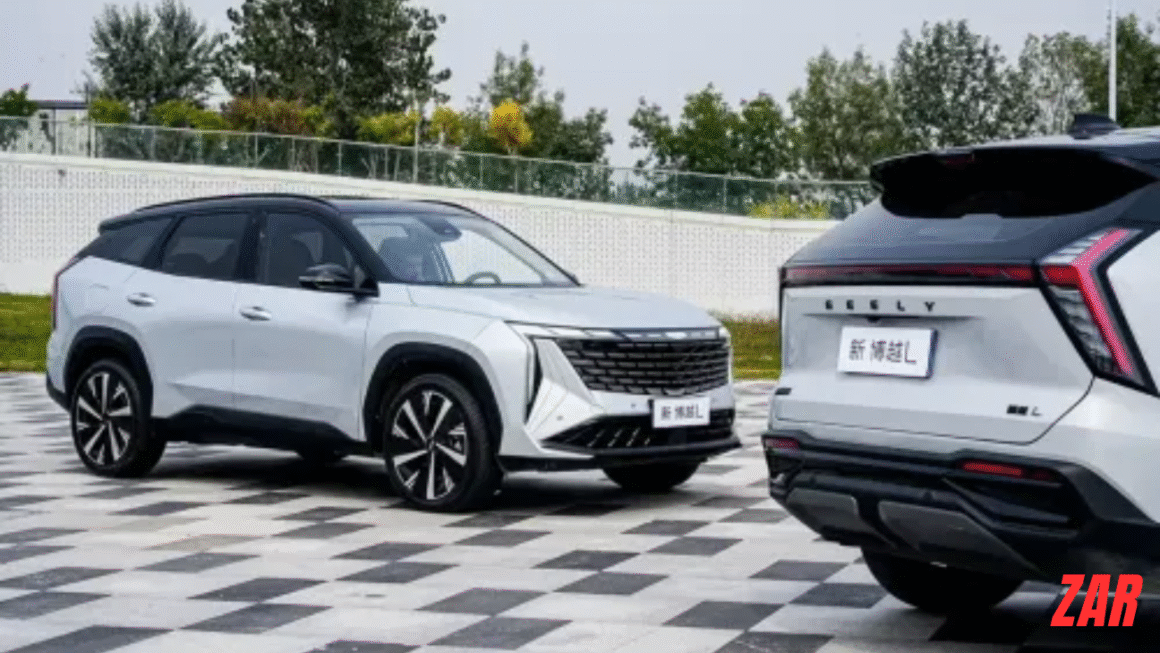
The Starry’s cabin embraces a minimalist, technology-focused design philosophy that aligns with contemporary EV aesthetics. A large 15.4-inch rotating touchscreen dominates the center console, serving as the primary interface for infotainment, climate control, vehicle settings, and charging information. The digital instrument cluster provides customizable displays for speed, battery status, range estimation, and energy consumption patterns. Seating is upholstered in synthetic leather with contrast stitching. The interior features ambient lighting with multiple color options, storage solutions including wireless phone charging and multiple USB-C ports throughout the cabin. The panoramic glass roof creates an open, airy feeling while incorporating UV protection to manage heat gain in Nigeria’s tropical climate. The Geely Starry utilizes an electric motor producing approximately 201 horsepower and 310 Nm of torque, delivering instant acceleration. The 0-100 km/h sprint is completed in around 6.9 seconds. The battery pack, with a capacity of approximately 62 kWh, provides a claimed range of 410-450 kilometers under ideal conditions. In Nigeria, the Starry is priced between ₦28,000,000 and ₦35,000,000 depending on specification.
Geely Monjaro
The Geely Monjaro positions itself as a premium midsize SUV with sophisticated, refined styling that reflects the brand’s upmarket aspirations. The exterior design language is confident and mature, featuring a large vertical-slat grille with intricate detailing and chrome accents that create an imposing front presence. The LED headlights are slim and modern, incorporating distinctive daytime running light signatures that make the vehicle recognizable from a distance. Body proportions are well-balanced, with a long wheelbase that promises spacious interior accommodations while maintaining athletic proportions through sculpted body sides and rising character lines. Available colors include elegant options like Pearl White, Diamond Silver, Sapphire Blue, and Obsidian Black, all enhanced by metallic finishes that catch light attractively. The 19-inch or optional 20-inch alloy wheels fill the wheel arches impressively, contributing to the vehicle’s substantial road presence. Chrome window surrounds and body-colored lower cladding add visual richness without appearing excessive.
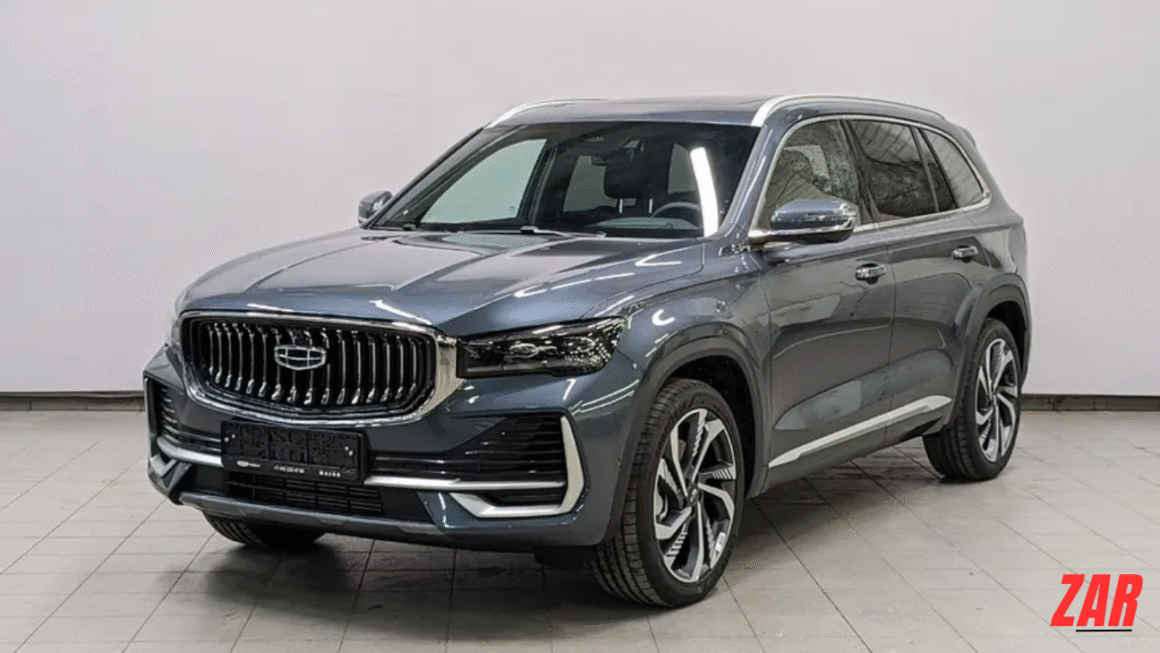
The Monjaro’s cabin represents Geely’s most ambitious interior design, featuring premium materials, advanced technology, and meticulous attention to detail. Genuine leather or high-quality synthetic leather upholstery covers the seats, dashboard, and door panels, with contrast stitching and quilted patterns on higher trims adding visual sophistication. The dashboard features a triple-screen setup in top specifications, with a 12.3-inch digital instrument cluster, a 12.3-inch central infotainment display, and an additional screen for the front passenger. The infotainment system runs Geely’s latest interface with voice control, over-the-air updates, and comprehensive navigation. Ambient lighting with 64 color options allows extensive personalization, while the panoramic sunroof extends over both rows. Second-row passengers benefit from generous legroom and reclining seatbacks. Under the hood, the Monjaro features a 2.0-liter turbocharged four-cylinder engine producing 218 horsepower and 325 Nm of torque. Power is transmitted through an 8-speed automatic transmission. Acceleration is genuinely brisk, with 0-100 km/h achieved in approximately 7.8 seconds. Nigerian pricing for the Monjaro ranges from ₦35,000,000 to ₦42,000,000 depending on specification.
Geely Gx3 Pro
The Geely GX3 Pro occupies the budget-friendly subcompact SUV segment with straightforward, youthful styling that prioritizes value and practicality. The front design features a compact grille with horizontal slats, flanked by halogen or LED headlights depending on trim level. The overall aesthetic is clean and uncomplicated, with minimal character lines and body sculpting that keeps manufacturing costs down while maintaining modern proportions. Available colors typically include practical options like White, Silver, Grey, and occasionally brighter colors like Red to appeal to younger buyers. The 16-inch wheels on most variants are appropriately sized for the vehicle’s compact dimensions. Black plastic cladding around the wheel arches and lower body panels adds a rugged, SUV-appropriate appearance while protecting against minor scrapes and scratches. The rear design is simple and functional, with straightforward taillights and a modest roof spoiler.
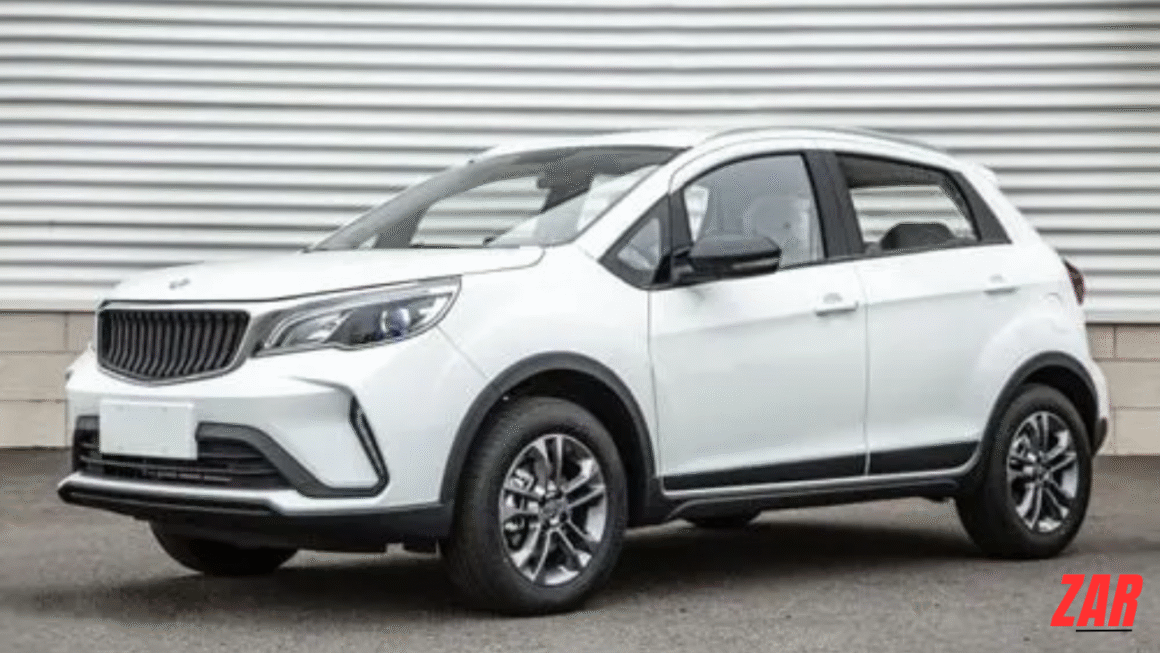
Inside, the GX3 Pro offers a functional cabin that prioritizes essentials over luxury flourishes. Fabric upholstery covers the seats, with adequate padding for comfort on shorter journeys. The dashboard layout is straightforward with clearly labeled controls arranged logically for easy operation. Materials quality reflects the budget positioning, with hard plastics dominating most surfaces, though they’re textured to avoid appearing overtly cheap. The infotainment system on newer variants includes a modest 8-inch touchscreen with basic connectivity features including Bluetooth audio and USB inputs. Storage solutions are adequate rather than abundant. Rear seat space is sufficient for adults on short trips or children for longer journeys. The GX3 Pro is powered by a modest 1.5-liter naturally-aspirated four-cylinder engine producing approximately 102 horsepower and 141 Nm of torque, paired with either a 5-speed manual transmission or a 4-speed automatic. Performance is leisurely rather than spirited. In Nigeria, the GX3 Pro is priced between ₦10,500,000 and ₦14,000,000 depending on age, condition, and specification. Fuel efficiency is a strong selling point, delivering 12-15 km/liter in mixed driving conditions.
Geely Preface
The Geely Preface sedan represents the brand’s effort to compete in the premium midsize sedan segment with sophisticated, European-influenced styling. The exterior design is sleek and modern, featuring a wide, low-slung grille with horizontal slats and chrome accents that create an upscale appearance. The LED headlights are slim and angular, incorporating distinctive lighting signatures that give the vehicle a high-tech character. The body profile emphasizes length and elegance, with a long hood, short front overhang, and flowing roofline that culminates in a subtle integrated trunk spoiler. Clean, taut body surfaces are accented by character lines that add visual interest without appearing busy or overdone. Available colors include sophisticated options like Pearl White, Midnight Black, Graphite Grey, and occasionally Deep Blue, all with premium metallic or pearlescent finishes. The 18-inch or optional 19-inch alloy wheels feature intricate designs that enhance the premium aesthetic.
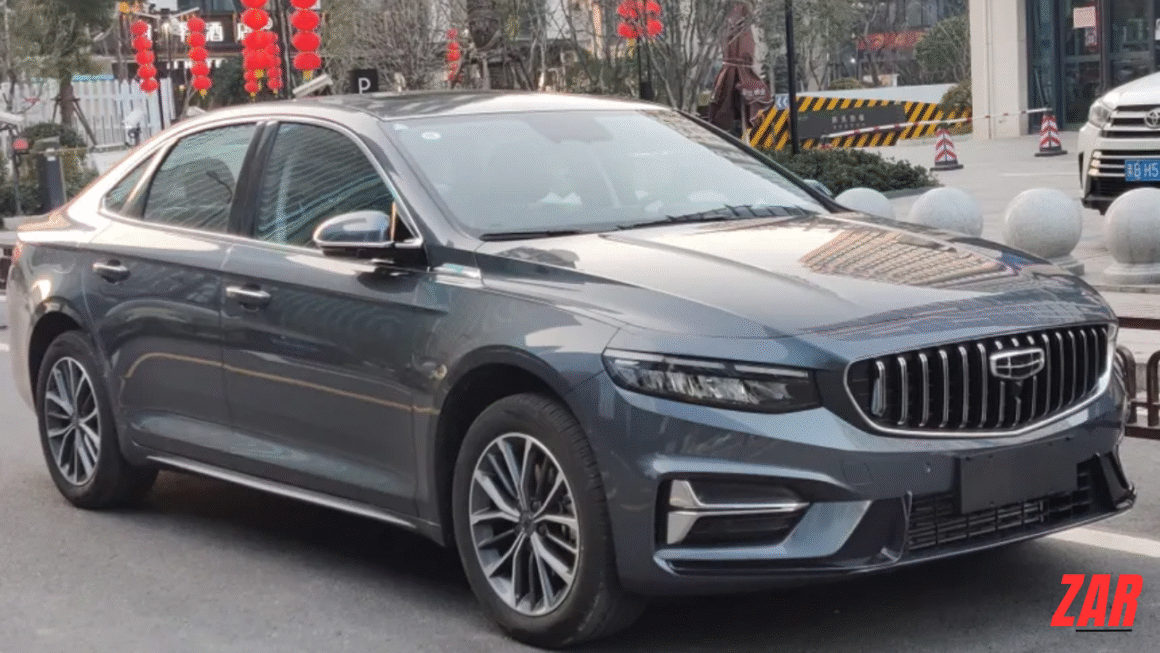
The Preface’s cabin showcases Geely’s capability to produce genuinely premium interiors that compete with established luxury sedans. High-quality leather or synthetic leather upholstery covers the seats, dashboard, and door panels, with contrast stitching and soft-touch materials dominating surfaces throughout the cabin. The front seats are power-adjustable with memory functions, heating, and ventilation on higher trims. The dashboard features a dual-screen setup with a 12.3-inch digital instrument cluster and a 12.3-inch central infotainment display that runs Geely’s advanced operating system with voice control and navigation. Premium audio systems on higher trims deliver excellent sound quality. Ambient lighting allows personalization, while the panoramic sunroof creates an open feeling. The Preface is powered by a 2.0-liter turbocharged four-cylinder engine producing 190 horsepower and 300 Nm of torque, paired with an 8-speed automatic transmission. Acceleration is brisk, with 0-100 km/h achieved in approximately 7.5 seconds. Nigerian pricing for the Preface ranges from ₦28,000,000 to ₦34,000,000 depending on specification and trim level.
Geely Okavango
The Geely Okavango targets the mainstream midsize SUV segment with practical, family-friendly styling that emphasizes functionality and space efficiency. The front fascia features a large vertical-slat grille with chrome accents, flanked by projector headlights with LED daytime running lights that create a modern, approachable appearance. The body is upright and squared-off, maximizing interior volume and providing the commanding road presence that SUV buyers expect. Clean horizontal body lines emphasize width and stability, while minimal sculpting keeps the design straightforward and timeless. Available colors typically include practical family-friendly options like Pearl White, Silver Metallic, Graphite Grey, and Black. The 18-inch alloy wheels on most variants provide adequate visual presence, while roof rails add both aesthetic appeal and practical utility. The rear design is functional and conservative, with large vertical taillights and a squared-off tailgate that maximizes cargo loading convenience.
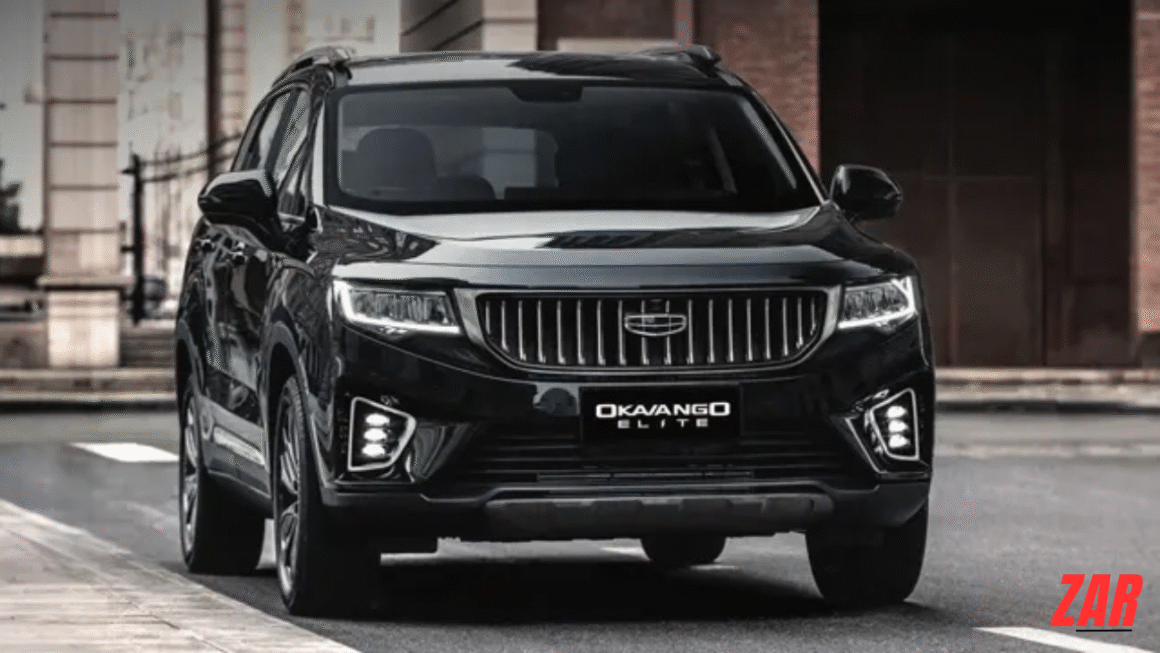
The Okavango’s interior is designed around maximizing space and comfort for families who need genuine seven-passenger capacity. Three rows of seating accommodate up to seven occupants, with the third row offering usable space for adults on shorter trips. Second-row captain’s chairs on premium variants enhance comfort and simplify third-row access. The dashboard features a 10.25-inch touchscreen infotainment system with navigation, smartphone connectivity, and multiple USB ports distributed across all three rows. Storage solutions are abundant with large door pockets, multiple cupholders, and overhead storage compartments. Climate control includes rear vents ensuring adequate cooling for all three rows. The Okavango utilizes a 1.5-liter turbocharged three-cylinder engine producing 177 horsepower and 255 Nm of torque, paired with a CVT transmission. The CVT provides smooth, seamless acceleration ideal for relaxed family driving. Nigerian pricing for the Okavango ranges from ₦24,000,000 to ₦28,500,000 depending on variant and dealer. Fuel consumption averages 11-13 km/liter in mixed driving.
Conclusion
Geely’s Nigerian lineup demonstrates remarkable versatility, balancing practicality with aspirational luxury across nine distinct models. The collection leans heavily toward value-driven practicality in offerings like the GX3 Pro, Emgrand 7, and Okavango, which prioritize affordability and functionality for budget-conscious families. However, the Monjaro and Tugella reveal genuine premium ambitions, delivering sophisticated interiors and powerful performance that challenge established luxury brands. The Coolray stands out as the sweet spot, offering contemporary styling and engaging dynamics at accessible pricing. The electric Starry positions Geely as a forward-thinking brand embracing sustainable mobility, while the Azkarra and Preface fill crucial gaps in the seven-seater and premium sedan segments respectively.
Choosing Geely reveals a pragmatic, value-conscious buyer who prioritizes tangible features and modern technology over badge prestige. These are buyers willing to look beyond traditional automotive hierarchies, recognizing that genuine quality increasingly transcends geographical origins. Whether you’re a young professional seeking your first turbocharged crossover, a growing family needing affordable seven-seat capacity, or a successful entrepreneur wanting premium luxury without the traditional premium price tag, Geely offers compelling options. The question remains: Are you ready to embrace a brand that challenges conventional wisdom about where great cars come from, or will you stick with familiar names despite potentially paying more for less?