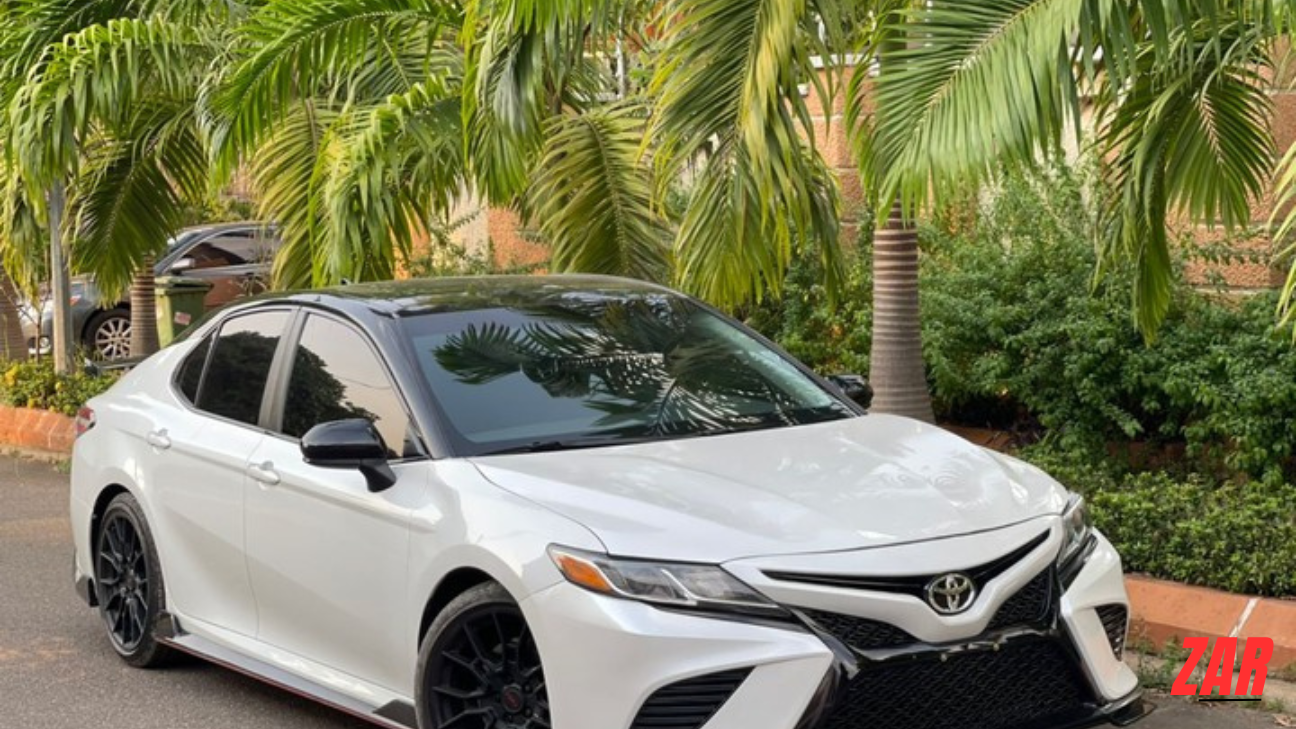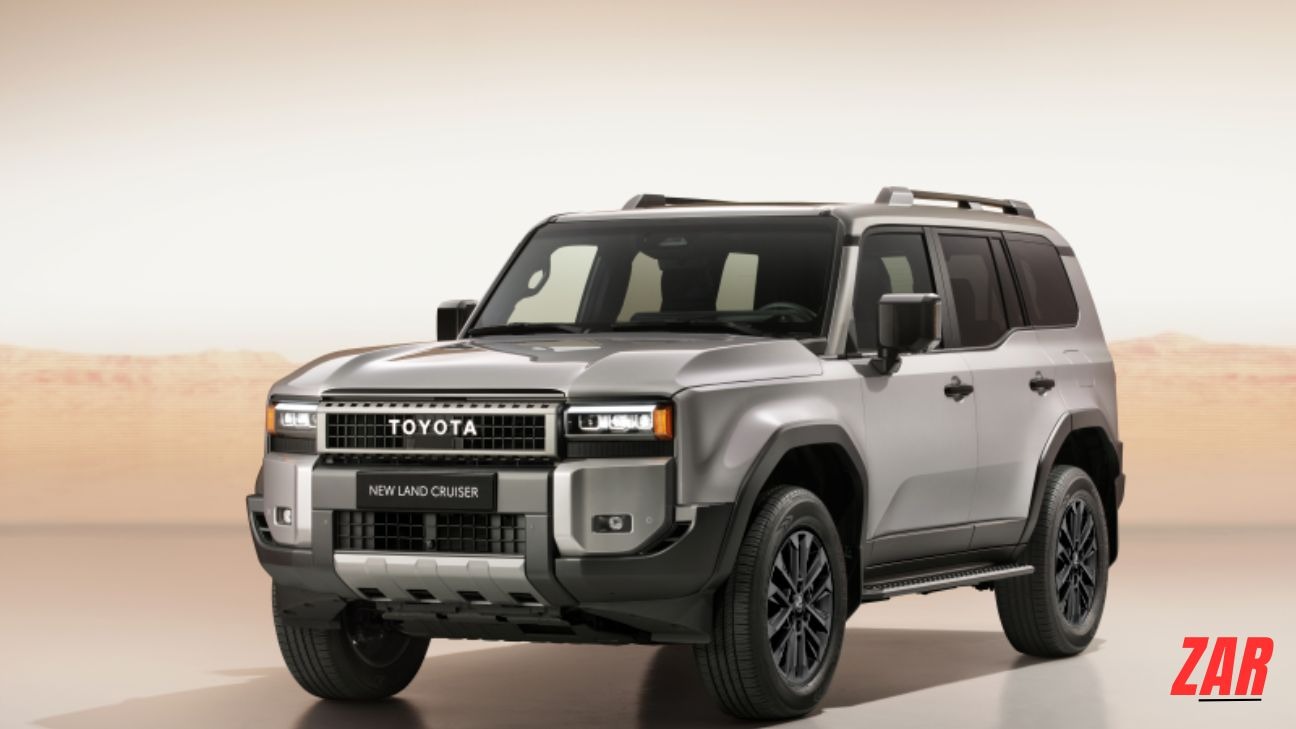
When you think about dependable cars in this country, Toyota SUVs in Nigeria sit at the top of the food chain. They aren’t flashy. They don’t chase trends. They just work every day, on every road, for every kind of driver. That’s why they dominate the market. From the compact RAV4 to the mighty Land Cruiser 300, Toyota gives Nigerians what they actually need: durability, fuel efficiency, low maintenance, and real off-road confidence.
Across Lagos traffic, Port Harcourt rains, and northern highways, Toyota SUVs keep showing up where others fail. Their consistency has made them a quiet backbone of Nigerian mobility, trusted by families, fleets, and even government convoys. Below, we break down the major models, their design, performance, and why they remain Nigeria’s safest long-term bet, especially for drivers who want a vehicle that simply doesn’t quit.
Toyota RAV4
The RAV4 carries a clean, modern shape that appeals to both young professionals and small families. Sharp LED headlights, a bold grille, and its tight proportions make it easy to weave through dense city traffic. It looks sporty without trying too hard, and newer models offer hybrid options that stand out in today’s fuel-conscious market. Whether finished in white or metallic grey, the RAV4 always looks ready for the road.
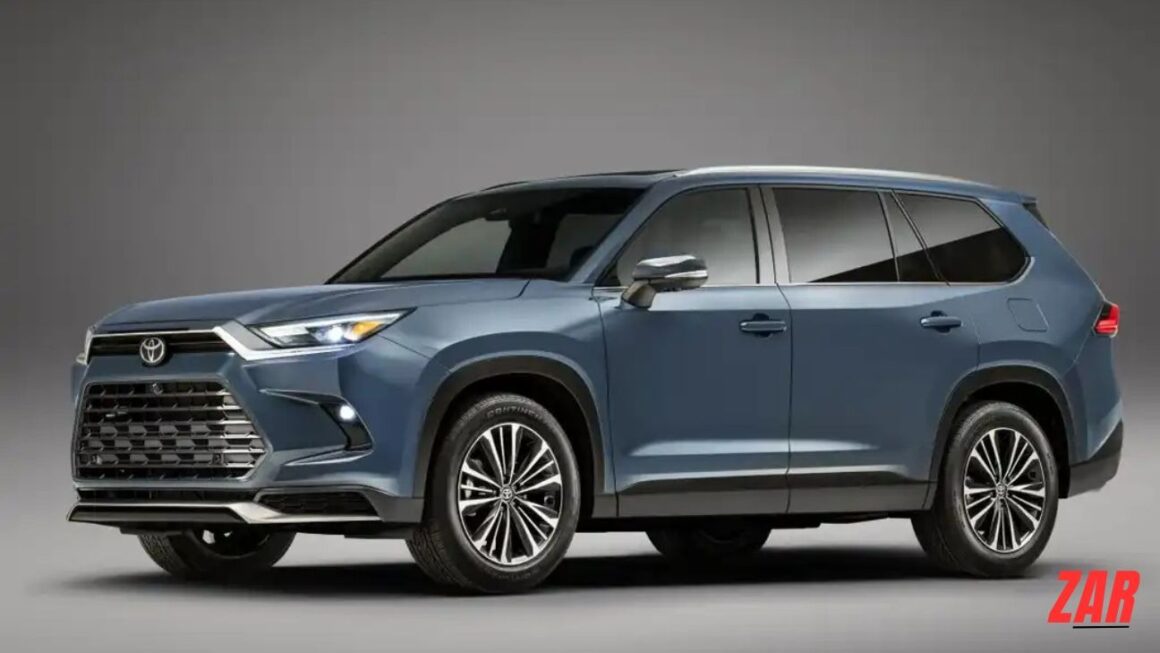
Inside, it keeps things practical. Supportive seats, an 8-inch touchscreen, decent cargo space, and Toyota Safety Sense features make it a stress-free daily driver. The 2.0L petrol and 2.5L hybrid engines deliver smooth acceleration, low fuel consumption, and enough power for quick overtakes. In Nigeria, prices range from ₦48–60 million for 2025 units, while clean tokunbo examples sit between ₦25–40 million. It’s the “buy it and forget your worries” SUV for most Nigerians.
Toyota Highlander
The Highlander leans into size and comfort. Its long, aerodynamic body, wide stance, and signature LED strip make it look premium without being excessive. It’s a three-row SUV built for families who need space, convenience, and reliability. On the road, its 3.5L V6 or hybrid engine offers refined performance suited for long trips and heavy Lagos–Ibadan traffic.
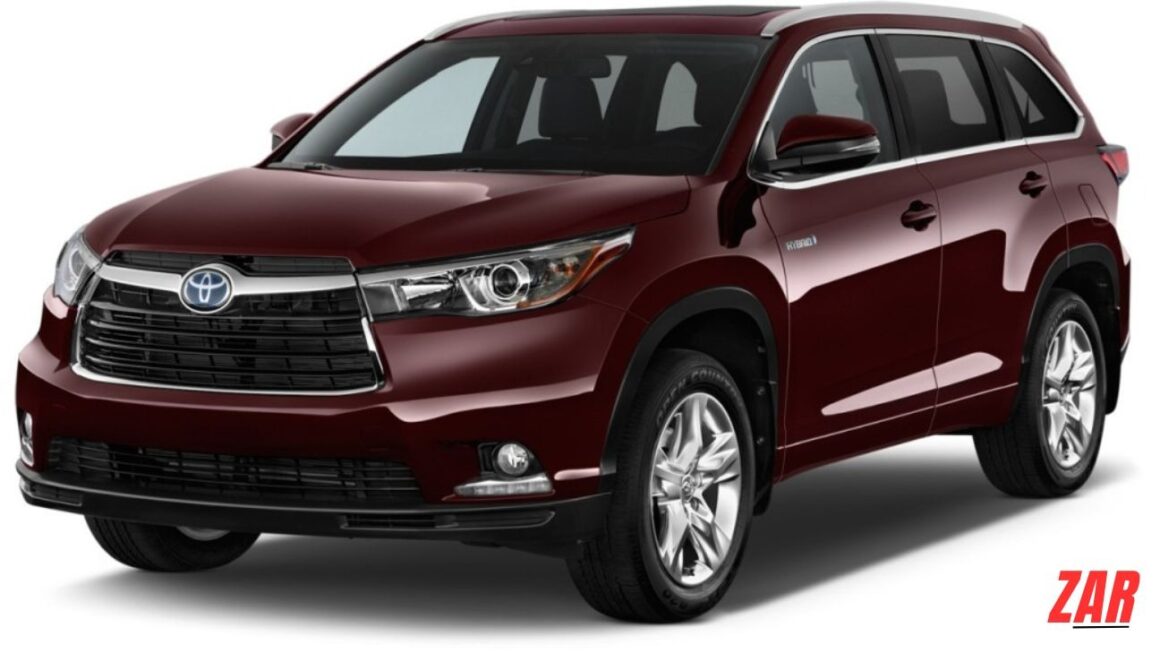
The cabin is where the Highlander shines. A 12.3-inch screen, soft-touch materials, broad seats, and quiet insulation give it a calm, upscale feel. It handles rough patches gently and carries people comfortably for hours. New units go for ₦65–85 million, while foreign-used 2018–2021 models fall within ₦28–55 million. It remains a favourite because it balances comfort, power, and reliability.
Toyota Fortuner
The Fortuner is built on the Hilux frame, and that’s exactly what Nigerian buyers want: toughness. It has a bold front end, high ground clearance, and a rugged stance that screams capability. The 2.4L and 2.8L diesel engines are known for lasting years with minimal issues. It’s the SUV for bad roads, unpredictable weather, and long journeys through rural areas.
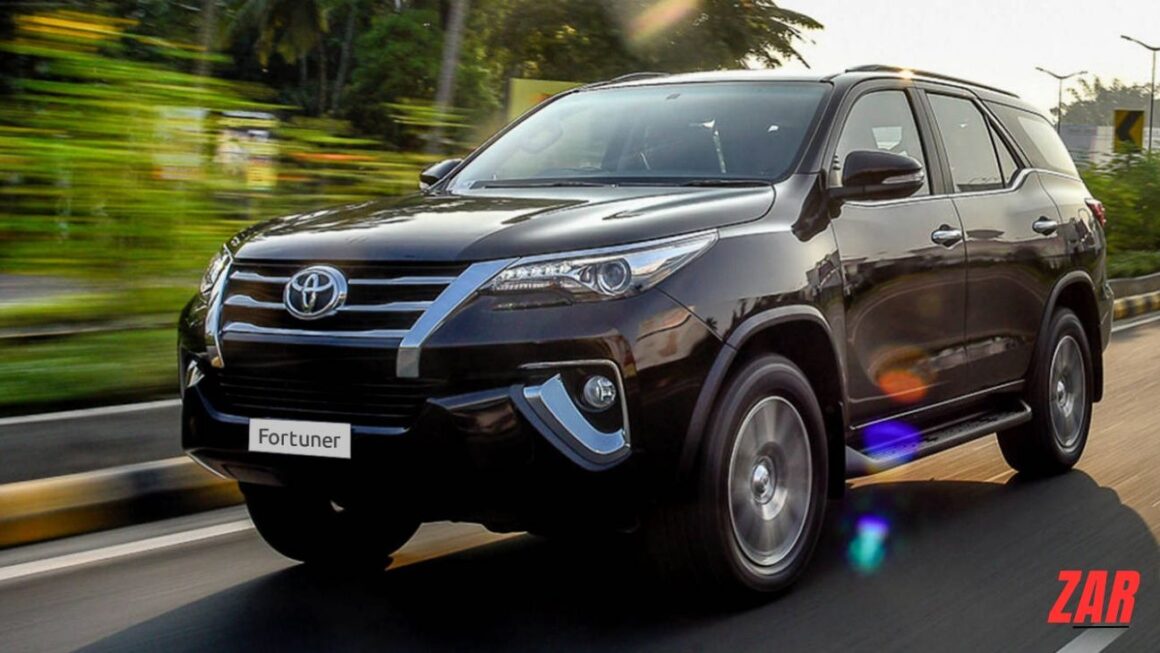
Inside, the Fortuner is clean and functional. Durable materials, straightforward controls, and a solid ride make it ideal for drivers who value reliability over luxury. It’s not soft, and it’s not pretending to be. Expected new prices fall between ₦70–95 million, with tokunbo units ranging ₦35–65 million. For northern drivers and business owners, it’s the dependable workhorse.
Toyota Land Cruiser Prado
The Prado has a presence. Its boxy body, large grille, and premium touches make it recognizable anywhere boardrooms, farms, or state convoys. The 2.8L diesel and 4.0L petrol engines deliver the power, torque, and endurance the Prado is known for. It’s comfortable, but not soft; refined, but still rugged.
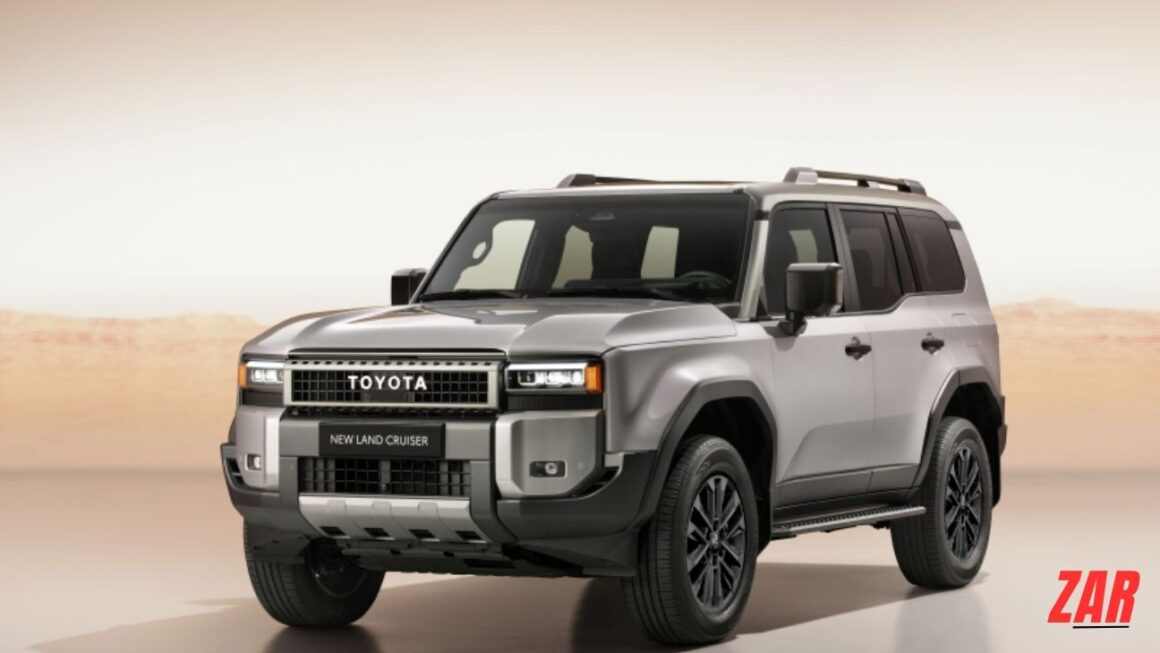
The interior mixes leather, modern screens, and Toyota’s familiar simplicity. Crawl Control, KDSS suspension, and strong 4×4 systems make it a confident off-roader. New prices sit between ₦90–120 million, with many dealerships listing premium trims around ₦160 million. It’s the SUV for executives, senior officials, and anyone who wants a status symbol without sacrificing reliability.
Toyota Land Cruiser 300
This is Toyota’s flagship SUV luxury, strength, and authority rolled into one. The LC300 brings a sharper design, wider stance, and a more refined silhouette compared to the old LC200. Under the hood, the 3.5L twin-turbo V6 delivers serious power, paired with a 10-speed automatic that feels smooth at low speed and confident on highways.
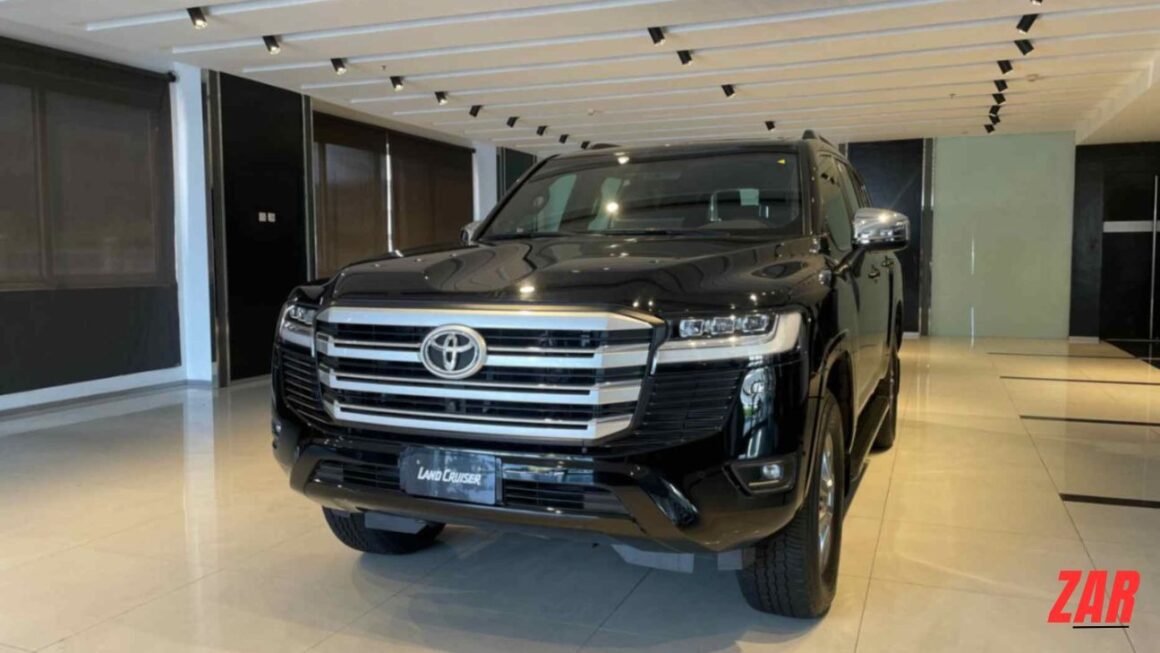
Inside, it’s full luxury: premium leather, a 12.3-inch screen, ventilated seats, adaptive suspension, and advanced driver aids. It’s comfortable, controlled, and capable in ways that justify its price. New imports sit between ₦180–260 million, with few used models below ₦150 million. This is the go-to choice for VIPs, top officials, and security details.
How Toyota SUVs Fit Into Nigerian Roads and Lifestyle
Toyota SUVs thrive in Nigeria because they’re engineered for unpredictability. High ground clearance handles potholes and flooded Lagos streets. Strong diesel engines tackle northern highways. Their cooling systems cope with Abuja heat. And Toyota’s traction systems give confidence on wet, sandy, or dusty surfaces. These SUVs feel stable on expressways and composed on bad roads, something many rivals struggle with.
Fuel economy varies: hybrids like the RAV4 and Highlander save up to 30% in city driving, while diesel Prado and Fortuner models deliver solid efficiency outside urban areas. Maintenance is predictable, parts are everywhere, and the mechanic network is unmatched. This is why Toyota dominates fleets, families, and daily commuters. They remove worry from the driving equation.
How Toyota SUVs Compare With Rivals
Toyota goes up against brands like Ford, Honda, Hyundai, Mercedes, and even Chinese newcomers. While some rivals offer flashier designs or more tech features, they often struggle with durability, expensive parts, or limited service options in Nigeria. Toyota plays the long game: engines that last, parts that are affordable, and resale value that beats almost everyone else.
The Prado and Land Cruiser easily outlast most competitors in harsh conditions. The RAV4 and Highlander also outperform many rivals on long-term reliability and resale. Toyota may not always be the most stylish, but it wins where it matters running cost, longevity, and user confidence. Many buyers also appreciate how simple these SUVs are to maintain compared to rivals with complex electronics, which makes ownership less stressful over time.
Conclusion
Toyota SUVs in Nigeria remain the benchmark for reliability, durability, and everyday usability. The RAV4 meets urban needs, the Highlander delivers family comfort, the Fortuner handles rugged journeys, the Prado blends status with capability, and the Land Cruiser 300 sits at the top as the ultimate luxury workhorse. These models aren’t just popular, they’re trusted. And in a country where roads and conditions test cars every day, Toyota proves its worth over and over again.
If you want an SUV that holds value, survives bad roads, and delivers peace of mind, Toyota SUVs in Nigeria are still the smartest long-term choice.