The Hyundai Veloster remains one of the most visually distinctive vehicles to establish a highly meaningful presence across Nigerian roads, perfectly breaking away from a market heavily dominated by practical family sedans and safe everyday choices. Originally produced between 2011 and 2022, this incredibly unique Front Wheel Drive compact hatchback was brilliantly designed to fill the massive styling gap left by the discontinued Tiburon while offering significantly more daily practicality than a traditional two-door coupe. It aggressively arrives with a completely different automotive proposition purposefully built entirely around sheer personality and sporting intent. While certainly not designed for absolutely everyone, it beautifully offers a genuinely enjoyable driving experience at an incredibly accessible price point that vastly more prestigious sporty vehicles simply cannot approach, perfectly capturing the attention of younger drivers actively seeking something noticeably different from the mainstream.
What truly separates the Veloster from every other competitor is its deeply fascinating asymmetrical door configuration, brilliantly featuring one massive door on the driver’s side and two smaller conventional doors on the passenger side. Since it was never officially sold brand new in Nigeria, its steadily growing local presence relies entirely on the active tokunbo market, heavily importing clean used examples primarily sourced straight from the United States and Europe. Because global production permanently concluded in mid 2022, every single Veloster currently available across the country stands exclusively as a used import, fundamentally shaping the entire purchasing conversation. This exact reality makes understanding the specific history, generations, engine options, realistic pricing, and crucial fault patterns essential for any prospective Nigerian buyer aggressively seeking the ultimate combination of dynamic performance and reliable long-term ownership.
Veloster Generations: Understanding What You’re Buying
First Generation The Original Pioneer
The first-generation Hyundai Veloster officially arrived in 2012 largely to fill the void left by the discontinued Tiburon coupe. At launch, this highly unique front wheel drive hatchback utilized a simple 1.6 litre naturally aspirated four cylinder engine delivering a modest 138 horsepower, making it highly reliable but lacking true sporting dynamics. Fortunately, Hyundai quickly introduced a vastly more exciting 1.6 litre turbocharged variant producing a highly respectable 201 horsepower, which finally gave the striking vehicle the genuine performance credibility its aggressive styling deserved. However, prospective buyers absolutely must understand that this generation suffered an uneven reliability record with the heavily problematic 2012 and 2013 model years, plagued by notorious engine troubles and catastrophic premature ignition issues, making them incredibly risky purchases.

Fortunately, things quieted down significantly from 2014 onward, and especially after the turbo engines received meaningful improvements in 2016, making later models much safer investments. When navigating the Nigerian tokunbo market, entry-level first-generation examples spanning the 2012 to 2014 model years typically range from approximately ₦6.5M to ₦9M, representing the absolute most affordable entry point, albeit requiring extremely thorough mechanical inspections. For buyers heavily prioritizing ultimate peace of mind, stepping up to vastly cleaner 2015 to 2017 turbocharged models represents a brilliant compromise. These highly desirable full option variants generally trade between ₦9M and ₦15M, perfectly delivering an incredibly stylish daily driver while smartly avoiding the terrifying engine failures that heavily plagued the earliest production years.
Second Generation: The Refined Evolution
The spectacularly advanced second-generation Veloster triumphantly returned for the 2019 model year, boasting vastly superior technology, slightly larger proportions, and a significantly more aggressive exterior design. Hyundai clearly targeted elite hot hatch competitors like the Honda Civic Si and Volkswagen GTI by introducing a highly sophisticated standard multi-link rear suspension, completely transforming the baseline handling characteristics. The vastly modernized engine lineup featured a highly durable 147 horsepower 2.0 litre naturally aspirated four cylinder as the practical base option, perfectly complementing the returning 201 horsepower 1.6 litre turbocharged unit. Furthermore, this spectacularly refined generation completely addressed criticisms of the original interior by beautifully introducing standard Apple CarPlay, Android Auto, automatic emergency braking, and achieving a flawless Top Safety Pick rating.
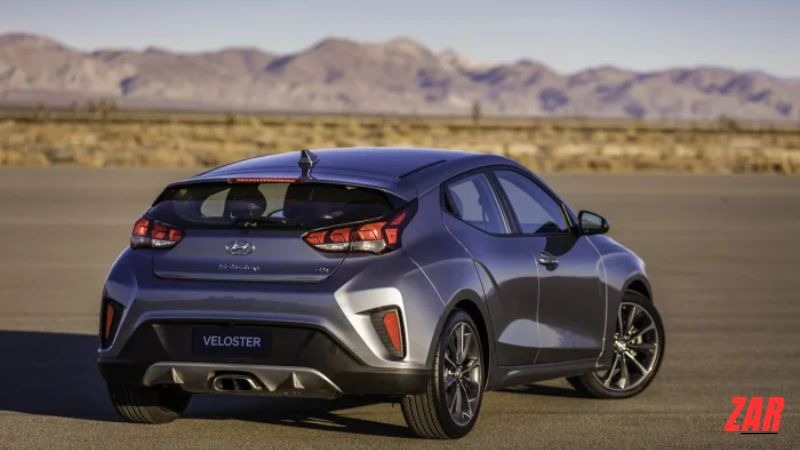
Because these final production models completely resolved the notorious mechanical failures of the previous generation while delivering incredibly modern safety features, they organically command substantially higher pricing across the current market. Securing a beautifully maintained second-generation foreign used model typically requires a highly robust budget, with 2020 examples sitting comfortably between ₦23M and ₦30M, depending heavily on mileage and exact trim specifications. The turbocharged variants generally command a premium of roughly ₦4M to ₦6M over their naturally aspirated equivalents, making the final purchase decision entirely dependent on whether the buyer prioritizes thrilling driving engagement or relaxed daily transport. Although official global production permanently ceased in 2022, these spectacular vehicles flawlessly represent the absolute safest and most technologically advanced path to Veloster ownership.
The Veloster N The Elite Hot Hatch
Sitting at the absolute top of the range, the spectacular Veloster N represents the very first attempt by Hyundai to produce a genuine, uncompromising hot hatch. Developed directly under the brilliant direction of former BMW M division boss Albert Biermann, this incredibly rare performance machine entirely occupies a completely different market position than the standard variants. It completely abandons regular powertrains in favor of a terrifyingly potent 2.0-litre turbocharged engine delivering a massive 250 horsepower in standard form and a blistering 275 horsepower when equipped with the highly coveted Performance Package. Flawlessly paired with an incredibly engaging manual transmission, a specialized limited-slip differential, and a highly performance-tuned suspension, the Veloster N brutally establishes itself as a vastly more serious piece of hardcore automotive engineering.
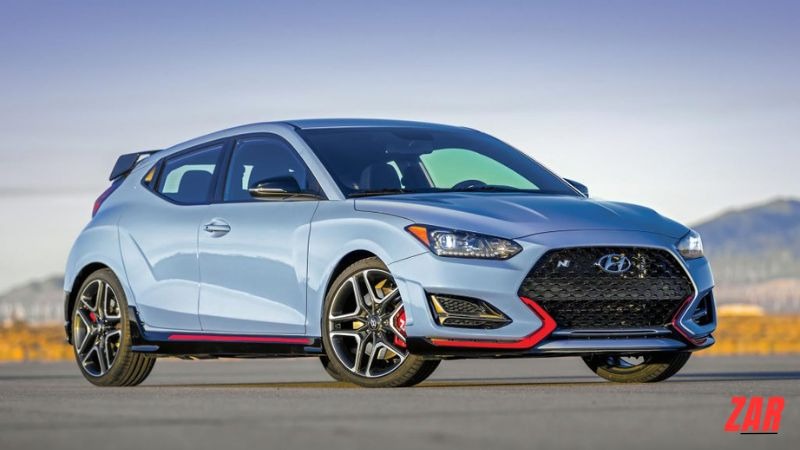
Because it was purposefully built for sheer driving engagement, finding a genuine Veloster N across the Nigerian tokunbo market remains an exceptionally rare occurrence. When these spectacular performance machines do actually surface, they typically command a massive financial premium, sitting firmly at the absolute peak of the pricing spectrum. For wealthy buyers specifically seeking this legendary variant, the late-production 2020 and 2021 examples are absolutely the safest mechanical choices, as they arrived at the end of production, when most early-generation issues had been completely resolved. However, prospective owners absolutely must rigorously verify the comprehensive service history before purchasing, since these spectacular track-focused vehicles were frequently driven with incredible enthusiasm, and their highly specialized components strictly demand perfectly attentive maintenance.
Common Problems With the First Generation
Understanding the exact fault patterns of the Veloster remains absolutely essential because the reliability profile differs substantially across specific model years. The most consequential problems heavily center on the first-generation 1.6 litre turbocharged and naturally aspirated GDI engines. These specific gasoline direct injection units suffer notorious associations with catastrophic bearing failure, connecting rod knocks, excessive oil consumption, and heavily documented engine fires. The 2013 model year remains particularly terrifying, where failing connecting rods frequently punched massive holes directly through the engine block, requiring complete motor replacement. Additionally, the 2015 models suffer sudden, unexplained power loss, while the 2016 iterations frequently drop into limp mode while burning massive amounts of oil. Buyers must absolutely check cold start sounds and scan for hidden engine codes before purchasing any early turbocharged variant.
Beyond catastrophic engine failures, first-generation buyers must heavily scrutinize the problematic dual clutch transmission, which frequently exhibits highly erratic behavior. Owners consistently report terrifying hesitation and severe stuttering at low speeds, culminating in a massive class action lawsuit covering approximately 135000 vehicles, where defective 7-speed transmission control modules caused cars to completely stop moving. Furthermore, any model equipped with the panoramic sunroof requires intense inspection due to heavily documented issues of the glass suddenly exploding without warning. Finally, while seemingly minor, the 2013 models suffer from highly frustrating speaker failures where the audio system completely dies, requiring disproportionately expensive replacements outside the warranty period.
Common Problems With the Second Generation
While the spectacularly advanced second-generation models from 2019 to 2022 boast vastly fewer complaints, the incredible improvement remains relative rather than absolute. The most critical issue involves a massive recall affecting certain 2019 to 2021 models equipped with the 2.0-litre Nu MPI engine, where improperly heat-treated piston oil rings could violently trigger catastrophic engine damage. Hyundai officially committed to replacing these defective engines, meaning prospective buyers absolutely must verify if this crucial recall was successfully completed before purchasing. While overall electrical and safety system complaints exist, these remain highly manageable concerns compared to the terrifying engine failures of the earlier years, simply demanding a rigorous pre-purchase diagnostic scan.
Final Assessment Inspection Realities and Ownership Verdict
A highly structured pre-purchase inspection remains essential for any Veloster but becomes especially critical given the notorious engine and transmission issues spanning the entire model range. Buyers must establish the exact model year and variant precisely since the significant price difference between a base naturally aspirated model and a highly desirable turbocharged variant frequently leads to blatant misrepresentation across local listings. Testing cold start behavior is strictly non-negotiable because a healthy 1.6 litre turbo should start cleanly, while any terrifying knocking, irregular idling, or immediate smoke points directly to catastrophic engine problems. Furthermore, you must thoroughly inspect oil levels, rigorously scan for hidden diagnostic fault codes, and comprehensively test the transmission carefully, watching for any severe shuddering in dual clutch models or noticeable clutch slip in manual variants while aggressively verifying the panoramic sunroof operates flawlessly without any grinding noises or visible stress cracks.
Ultimately, the Hyundai Veloster makes the absolute most sense for a highly specific category of buyer, perfectly suiting someone who primarily navigates well-maintained urban environments and heavily values spectacular styling over pure daily practicality. It absolutely demands an owner completely prepared to invest in diligent maintenance from a dedicated Hyundai specialist mechanic, making it vastly less suited as a primary family vehicle for multiple passengers or a rugged runabout for harsh rural routes. While niche vehicles typically suffer noticeable depreciation, a beautifully maintained late first-generation 2017 model or a vastly superior second-generation example spanning from 2019 to 2022 successfully holds its overall appeal significantly better than most direct competitors. In the current 2026 Nigerian used market, these specific production years flawlessly deliver an incredibly engaging driving experience, ensuring your ultimate purchase relies entirely on deeply proven reliability data rather than blind automotive optimism.