

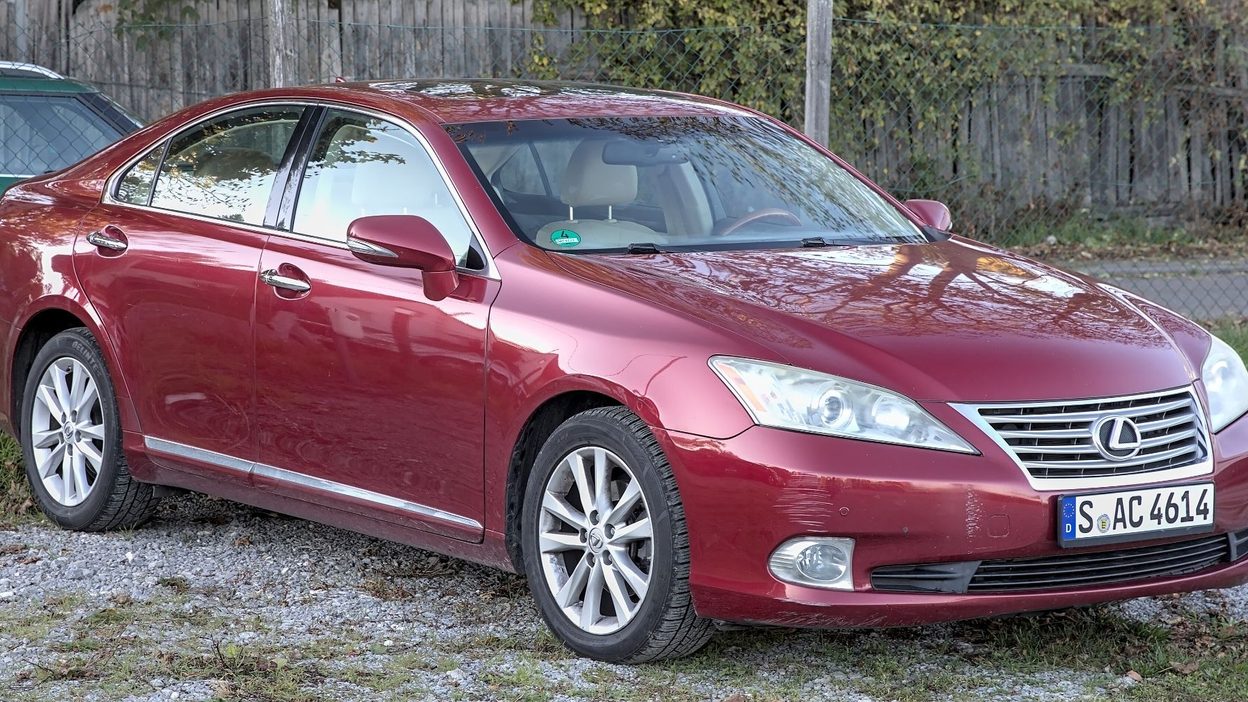
The 2010 Lexus ES 350 price in Nigeria is approximately ₦5.5 million–₦9 million for Nigerian-used examples and ₦8 million–₦15 million for foreign-used vehicles, using broad buying-budget estimates for September 2026. However, these ranges are not fixed market limits. Current advertisements include Nigerian-used cars above ₦9 million, while many Tokunbo listings fall around ₦10.5 million–₦13.5 million. The final price depends on condition, maintenance records, specification and documentation.
For buyers searching for “es350 lexus 2010 price in nigeria,” the important question is how much a properly maintained example will cost to purchase and keep. This luxury sedan offers a smooth V6 engine, a comfortable cabin and an accessible route into Lexus ownership. At roughly 16 years old in 2026, however, each vehicle needs careful assessment. An attractive asking price means little if expensive repairs follow immediately after payment.
Nigerian-Used 2010 Lexus ES 350 Price
A budget of approximately ₦6.5 million–₦8 million is a reasonable starting point for searching for a Nigerian-used 2010 ES 350. Advertised examples include vehicles around ₦6.72 million and ₦7.5 million, but other locally used cars are listed at ₦8.25 million, ₦9.5 million and ₦11 million. This variation shows why buyers should compare individual vehicles rather than assume every locally used example belongs below ₦9 million.


A lower-priced car may have worn suspension, cosmetic damage or outstanding servicing, although price alone cannot establish its condition. Conversely, a higher asking price should be supported by credible records, sound mechanical operation and a clean inspection. Recent registration or refreshed upholstery does not automatically justify a premium.
Locally used vehicles can offer good value when their ownership and maintenance histories are clear. Ask how long the seller has owned the car, why it is being sold and what repairs have been completed. A documented Nigerian-used ES 350 may be a more sensible purchase than an imported vehicle with an uncertain past.
Tokunbo 2010 Lexus ES 350 Price
The Tokunbo 2010 Lexus ES 350 price in Nigeria can be budgeted broadly at ₦8 million–₦15 million, with approximately ₦10 million–₦13 million serving as a useful starting comparison band. Current advertisements include foreign-used examples around ₦8.8 million, ₦10.5 million, ₦12 million and ₦13.5 million, while some Lagos listings reach ₦14.5 million. These are asking prices rather than verified completed-sale values.
Buyers can compare 2010 Lexus ES 350 listings in Nigeria to see how condition and equipment affect sellers’ quotations. Compare cars with similar histories and specifications, and confirm that the advertised model year matches the vehicle. Listing descriptions sometimes contain conflicting year information.
Exceptionally clean examples may be advertised around ₦12 million–₦15.5 million, but that upper budget should not be treated as a guaranteed valuation. Low mileage, original paint and desirable equipment must be verified before they justify additional spending. “Foreign used” describes where the car was previously driven; it does not prove freedom from accidents, flooding or neglected maintenance.
What Determines the Price?
Mechanical conditions should carry more weight than cosmetic presentation. A sound engine, smooth transmission, effective air conditioning and healthy suspension make a meaningful difference to ownership costs. A freshly painted vehicle with unresolved faults may cost more overall than a more expensive example that needs only routine servicing.

Mileage matters alongside maintenance history. Compare the odometer reading with available service records and wear on the seats, steering wheel and pedals. Unusually low mileage should prompt questions rather than immediate confidence. A higher-mileage car with consistent servicing can deserve serious consideration.
Specification also affects asking prices, but “full option” is an informal seller description. For US-market 2010 models, leather-trimmed seating and a conventional power moonroof were standard, while navigation, premium audio and the panoramic roof package involved optional equipment. A sunroof and leather seats alone therefore do not establish that a car has every available option.
If you are comparing several production years, WheelZAR’s Lexus ES 350 price guide provides broader context. Use those comparisons to decide whether a premium-priced 2010 example offers better value than another year in similar condition.
2010 Lexus ES 350 Specifications
The 2010 ES 350 belongs to the fifth generation of Lexus’s luxury sedan. It uses a 3.5-litre petrol V6, a six-speed automatic transmission and front-wheel drive. It seats five people and has a fuel tank of approximately 70 litres. The US-market engine rating is 272 horsepower, making that figure more precise than applying a general 272–275 horsepower range to every imported example.
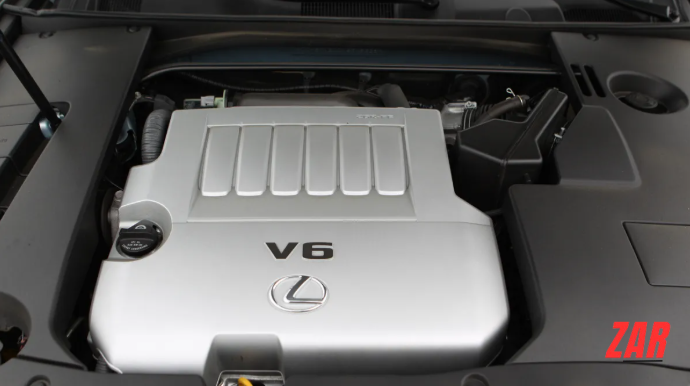
According to Lexus’s official 2010 ES 350 information, the engine uses chain-driven camshafts and variable valve timing. The model’s emphasis is refined performance and comfort, supported by an automatic transmission and independent suspension. Exact equipment should still be checked against the car’s original market and specification.
Fuel Consumption in Nigerian Driving Conditions
For planning purposes, allow approximately 7–9 km/L in city driving, 10–13 km/L on the highway and 8–11 km/L in mixed use. These figures are indicative estimates from the supplied buying brief, rather than independently measured averages across Nigeria. Actual consumption depends on congestion, driving style, air-conditioning use, vehicle load and mechanical condition.
Heavy traffic and extended idling can increase fuel expenditure considerably. On longer journeys, steady driving may improve economy, but worn tyres, incorrect tyre pressures or engine faults can undermine the result. Judge the car’s fuel use over several properly measured fill-ups rather than relying solely on the dashboard display.
At an assumed average of 8 km/L, travelling 100 kilometres requires approximately 12.5 litres of petrol. Multiply that quantity by your actual pump price to estimate the journey cost. This helps establish whether the ES 350 fits your monthly budget alongside servicing, insurance and repairs.
Is the 2010 Lexus ES 350 Good for Nigeria?
The 2010 ES 350 suits buyers who prioritise comfort for commuting, family travel and longer journeys on suitable roads. Its appeal comes from its quiet character, spacious cabin and smooth power delivery. A properly maintained example can offer a satisfying luxury-car experience without the purchase cost of a much newer ES.
Its lower ground clearance requires care around deep potholes, raised entrances and uneven road shoulders. Slow down where the underbody could make contact, and avoid treating the car’s comfortable ride as evidence that it can absorb severe road damage indefinitely.
Buyers who regularly face rough access roads may want to compare the Lexus RX 350 price in Nigeria. The useful comparison is which vehicle fits your routes, passenger needs and running budget. An SUV’s additional clearance may be valuable, but it does not remove the need for a careful inspection.
Problems to Check Before Buying
Suspension inspection is particularly important on an older sedan. Ask a mechanic to examine the shock absorbers, bushes, links, ball joints and related steering components. Knocking noises, excessive bouncing, uneven tyre wear or a car that pulls to one side require diagnosis. These are inspection priorities rather than proof that every 2010 ES 350 develops the same faults.
Inspect the engine for oil leaks, coolant loss, unusual noises and signs of overheating. Start it cold where possible and check its behaviour after reaching normal operating temperature. Request maintenance records and investigate unexplained fluid top-ups. Cleaning the engine bay shortly before a viewing can make leaks harder to spot.
During the test drive, assess transmission engagement and shifts in different driving conditions. Delayed engagement, slipping, persistent harsh shifts or warning lights deserve specialist attention. A short drive around the seller’s premises may not reveal faults that appear once the vehicle is warm.
Test the air conditioning while stationary and moving, then check the windows, mirrors, seat adjustments, locks, sunroof and audio equipment. Have the vehicle scanned for diagnostic faults. Inspect the underbody and structural areas for corrosion, collision repairs and possible flood damage, rather than relying on a clean exterior.
Documents and Inspection Before Payment
Match the vehicle identification number, or VIN, on the car with its ownership and import documents. Confirm the seller’s authority to sell and independently verify the relevant paperwork. A VIN mismatch or unresolved ownership question should be settled before payment.
For a US-market import, use the NHTSA recall lookup to check for recalls associated with the VIN. The tool has coverage limitations, especially for older recalls, and does not establish Nigerian customs compliance or provide a complete accident history. Follow up with Lexus where necessary.
Commission an independent mechanical inspection and obtain estimates for identified repairs before negotiating. Keep money available for initial servicing, tyres or suspension work if required. Paying slightly more for a car with a better inspection result can be sensible, but the evidence should explain the premium.
Is the 2010 Lexus ES 350 Worth Buying in 2026?
The 2010 Lexus ES 350 remains worth considering if you want a comfortable luxury sedan and can fund its ongoing maintenance. Around ₦6.5 million–₦8 million is a useful starting search budget for Nigerian-used examples, while approximately ₦10 million–₦13 million provides a practical comparison band for many Tokunbo listings. Cleaner cars and higher-priced local examples can sit above those figures.
Choose the vehicle whose condition and records justify its price. A credible history, sound inspection and manageable repair estimate are more valuable than a “full option” label or an unusually low odometer reading. With those checks completed, the ES 350 can be a rewarding choice for daily use and long-distance travel.